Eucalyptus bee blooms
1344×768 · AVIF · CC BY 4.0
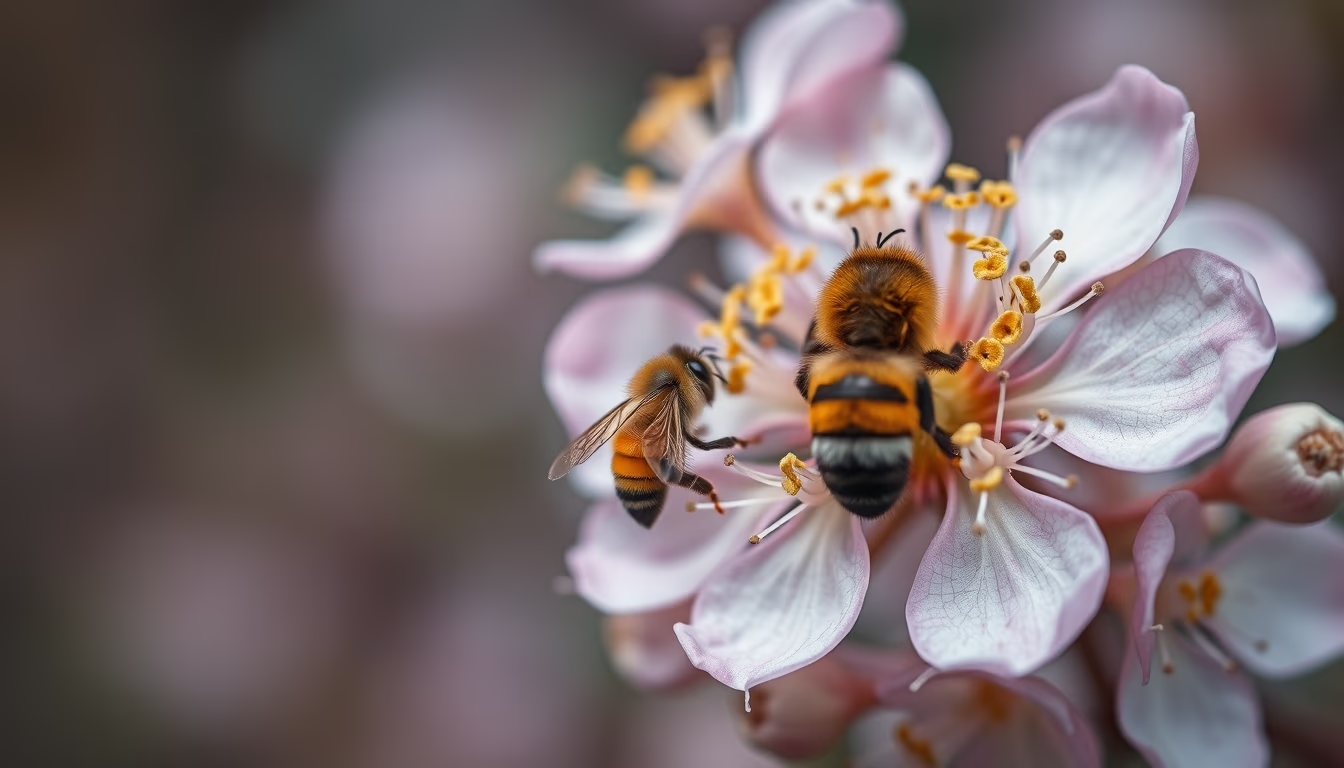
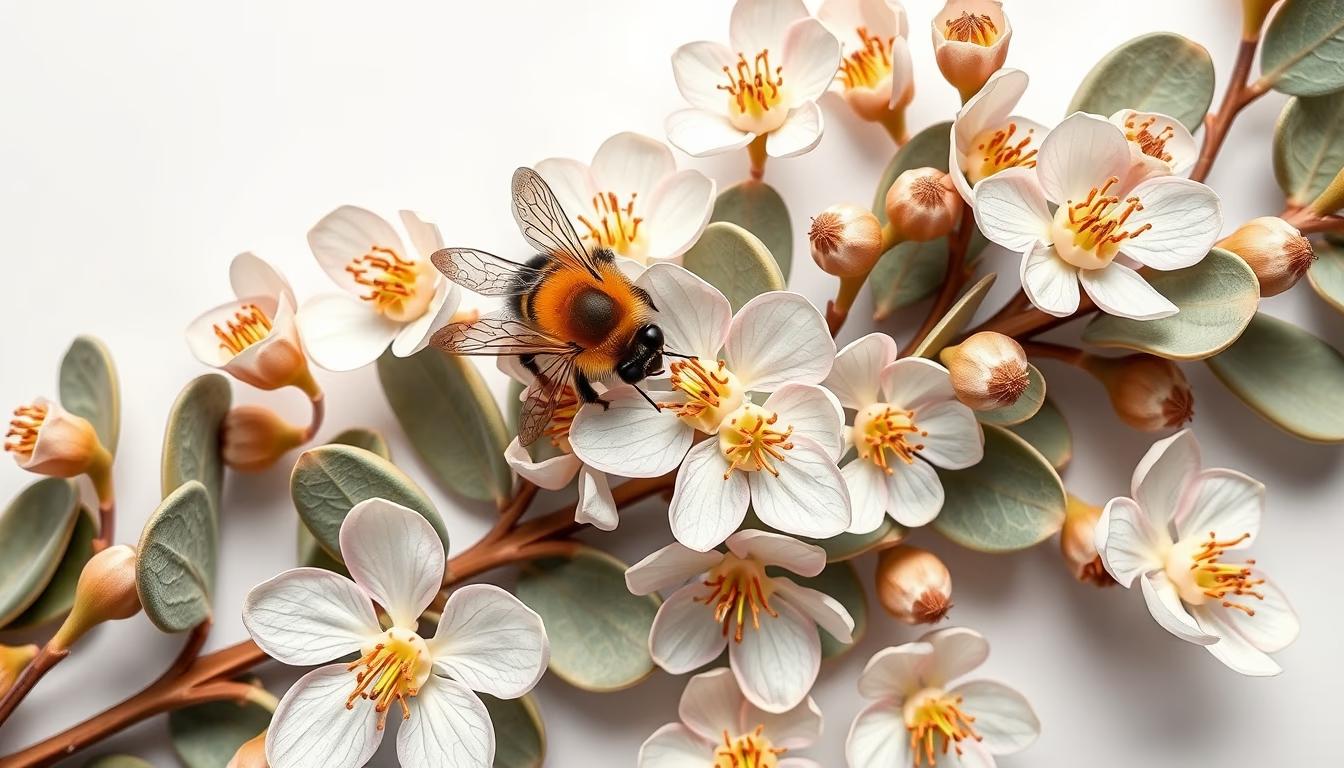
Eucalyptus blossoms attract bees for monofloral honey production, a common practice in temperate and tropical regions.
About this subject
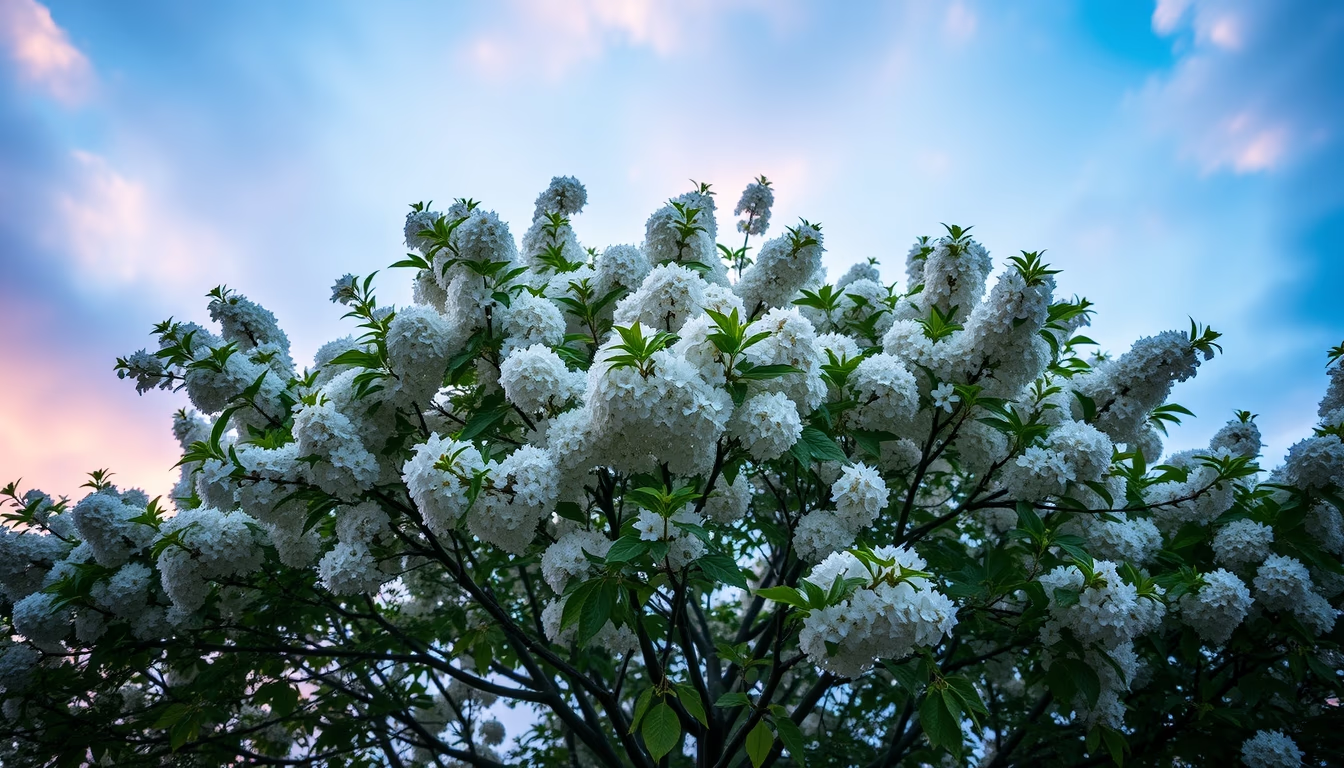
Eucalyptus, native to Australia, is widely cultivated in Brazil for pulp and timber. Its flowers, rich in nectar and pollen, play a crucial role in beekeeping. Flowering varies by species, lasting weeks to months. Key apicultural species include Eucalyptus grandis, E. urophylla, and E. citriodora, the latter with a lemon scent.
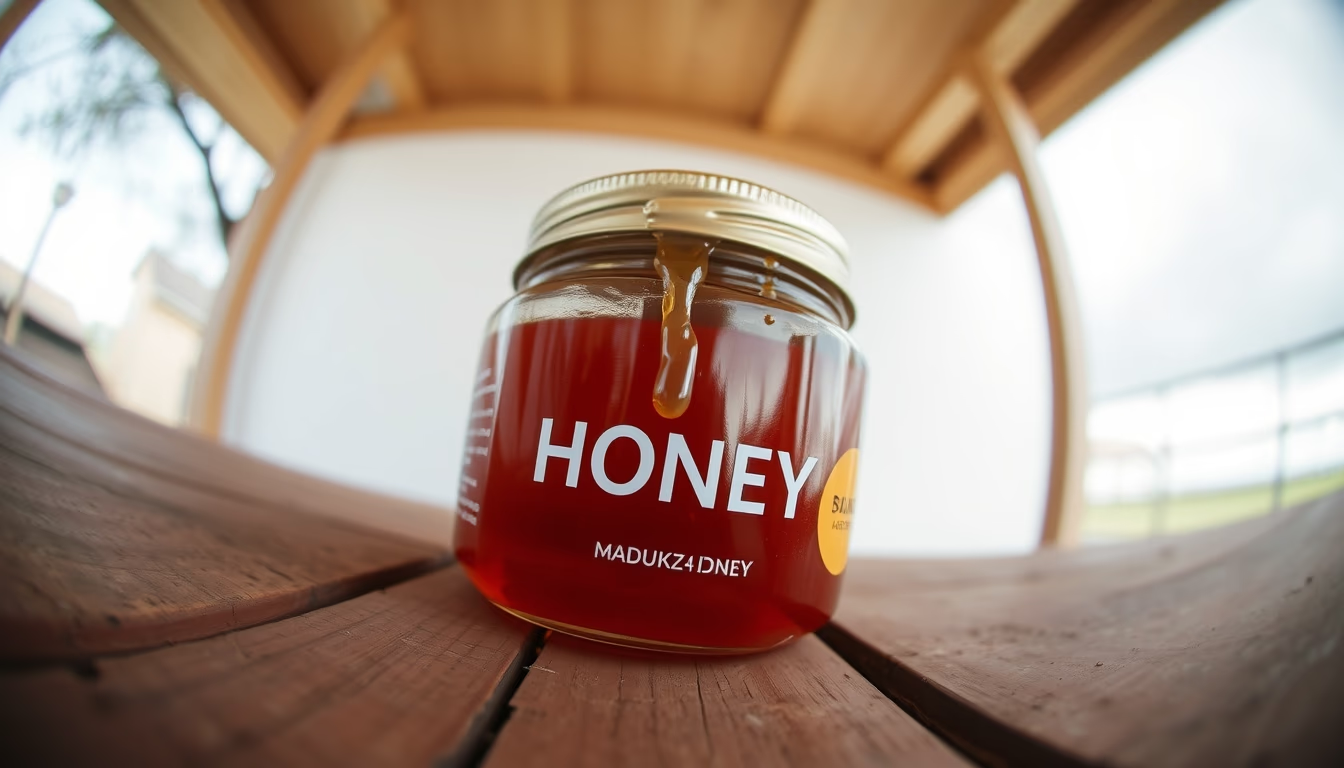
Eucalyptus honey has a strong flavor and medicinal properties, used for colds and coughs. Its color ranges from amber to dark brown, with slow crystallization. In Brazil, monofloral production reaches up to 50 kg per hive per season. Pollen and propolis from eucalyptus are also valued.
In Australia, native stingless bees have produced eucalyptus honey for millennia. Beekeeping management involves moving hives during flowering. Homogeneous plantations ease pure honey production, while biodiversity benefits from different tree species.
Interestingly, tilt-shift photography of flowering plantations creates a miniature illusion, highlighting field beauty. Eucalyptus camaldulensis is essential for apiculture in arid regions. Eucalyptus honey is one of the most consumed worldwide, especially in Europe and Asia.
Frequently Asked Questions
When is the eucalyptus flowering season for beekeeping?
Flowering varies by species and region, but in Brazil it usually occurs between autumn and spring. Some species bloom in winter, others in summer. Beekeepers must know the local cycle to plan hive management.
Is eucalyptus honey really beneficial for health?
Yes, eucalyptus honey has antibacterial and anti-inflammatory properties, traditionally used for colds and coughs. Studies show its high phenolic compound content contributes to these effects.
How to identify monofloral eucalyptus honey?
It typically has an amber to dark brown color, strong mentholated taste, and characteristic aroma. Pollen analysis in a lab confirms eucalyptus pollen predominance. Crystallization is slow with fine texture.
Direct URL
https://pub-c7d6a6ea828543ac903a74a341ccb2e1.r2.dev/imagens/eucalyptus-bee-blooms-tilt-shift-miniature-fresh0.avifHow to credit
Include a visible link back to UtilizAí. Copy one of the snippets below:
<a href="https://xn--utiliza-eza.com/en/midia/imagens/eucalyptus-bee-blooms-tilt-shift-miniature-fresh0">Eucalyptus bee blooms</a> by <a href="https://xn--utiliza-eza.com">UtilizAí</a>, licensed under <a href="https://creativecommons.org/licenses/by/4.0/">CC BY 4.0</a>.
[Eucalyptus bee blooms](https://xn--utiliza-eza.com/en/midia/imagens/eucalyptus-bee-blooms-tilt-shift-miniature-fresh0) by [UtilizAí](https://xn--utiliza-eza.com), CC BY 4.0
License: CC-BY-4.0