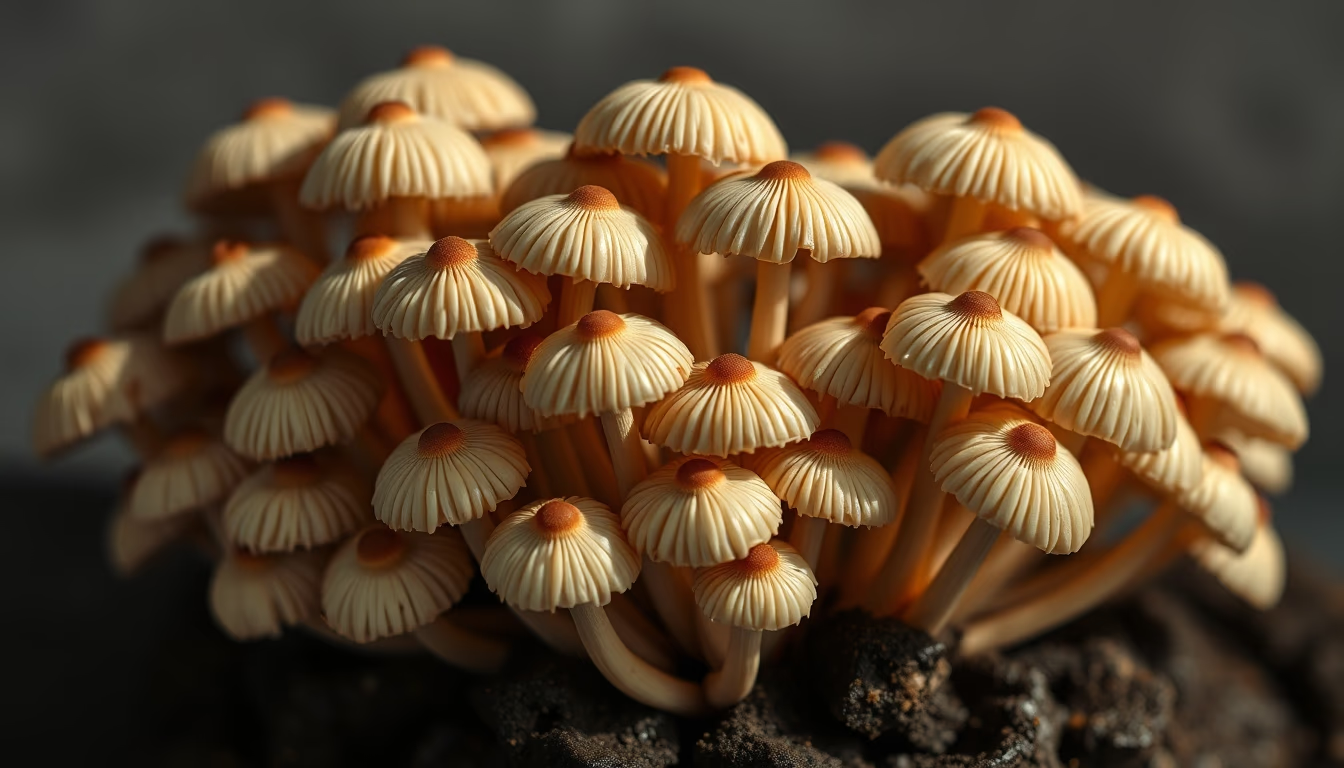
Enoki mushroom cluster
1344×768 · AVIF · CC BY 4.0
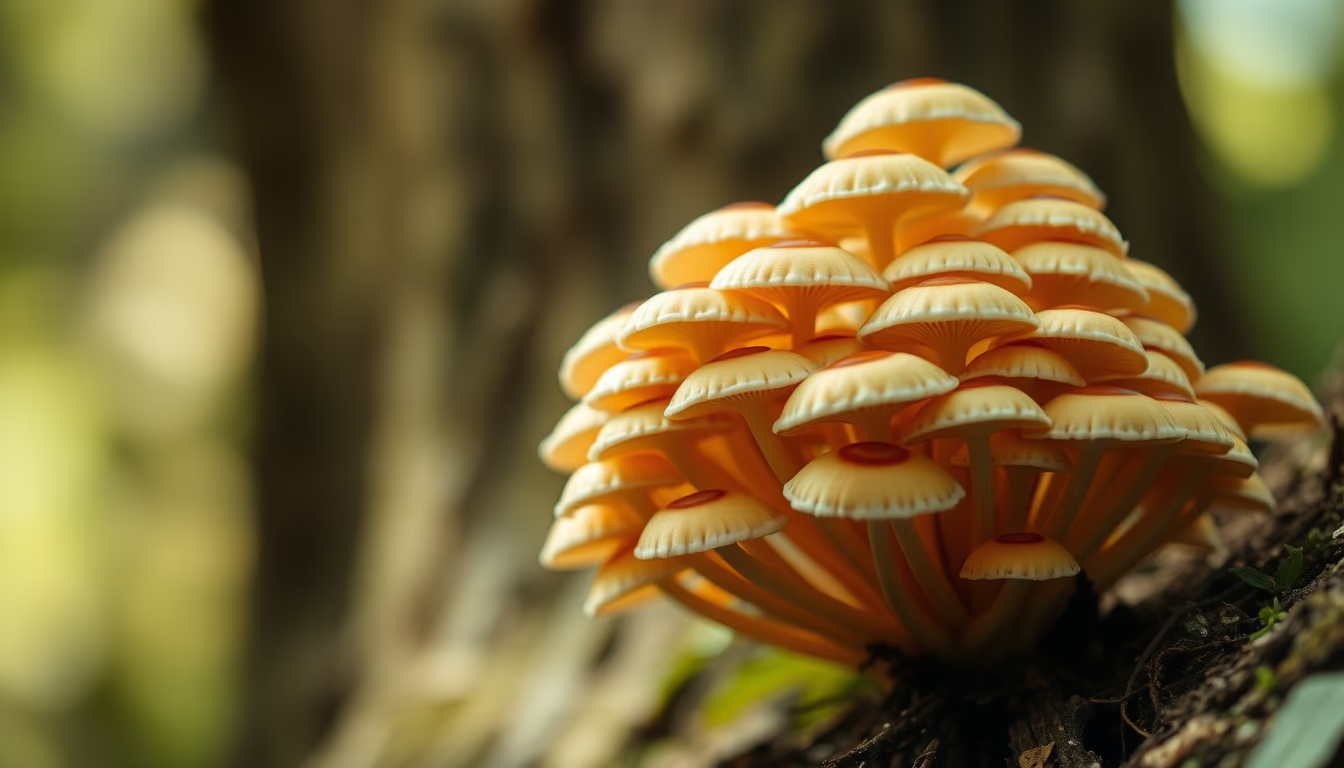
Enoki mushrooms (Flammulina filiformis) are prized in Asian cuisine for their crunchy texture and mild flavor, grown in tight clusters.
About this subject
Enoki mushrooms, also known as enokitake or Flammulina filiformis (formerly Flammulina velutipes), are edible fungi native to East Asia, widely cultivated in Japan, China, and Korea. Their distinctive appearance features long, slender stems with tiny, rounded caps, forming dense clusters that resemble a bouquet. In the wild, they grow on dead wood of trees such as willows and mulberries, thriving in the cold temperatures of late autumn to early spring. Commercial cultivation occurs in bottles or plastic bags filled with a substrate of sawdust and bran, under dark conditions with elevated CO2 levels, which results in pale color and elongated stems.
In cuisine, enoki are prized for their crunchy texture and mild, slightly sweet flavor that readily absorbs seasonings. They are eaten raw in salads, lightly cooked in soups (like Japanese nabemono), stir-fried in noodle dishes, or served as a side with meats. In Japan, they are a classic ingredient in shabu-shabu and Korean hot pot (jeongol). Due to their fragility, they should be added at the last minute to retain their crunch.
Nutritionally, enoki mushrooms are low in calories and rich in fiber, B vitamins (especially B3, B5, and B9), potassium, and selenium. Studies indicate antioxidant and immune-boosting properties attributed to polysaccharides like beta-glucan. A scientific curiosity: enoki mycelium is used in laboratory research for biodegradation of plastics and production of industrial enzymes. Despite its popularity, it's important to distinguish cultivated from wild specimens, which have a brownish-velvety stem and orange cap, the latter is foraged in temperate regions and considered a rarer delicacy.
Frequently Asked Questions
How to grow enoki mushrooms at home?
To grow enoki at home, buy a kit or prepare sterilized sawdust and bran substrate. Inoculate with enoki spawn, keep in a dark place at 10-15°C with high humidity. After 2-3 weeks, the clusters are ready to harvest.
What is the difference between wild and cultivated enoki mushrooms?
Wild enoki (Flammulina velutipes) has a brownish-velvety stem and orange cap, with a firmer texture. Cultivated enoki is pale white with long, thin stems, resulting from growth in dark, high-CO2 conditions.
What are the health benefits of enoki mushrooms?
Enoki is rich in B vitamins, fiber, and antioxidants. Studies suggest it boosts immunity, lowers cholesterol, and protects against cellular damage. It is also a source of selenium, important for thyroid function.
Direct URL
https://pub-c7d6a6ea828543ac903a74a341ccb2e1.r2.dev/imagens/enoki-mushroom-cluster-documentary-photography-p4.avifHow to credit
Include a visible link back to UtilizAí. Copy one of the snippets below:
<a href="https://xn--utiliza-eza.com/en/midia/imagens/enoki-mushroom-cluster-documentary-photography-p4">Enoki mushroom cluster</a> by <a href="https://xn--utiliza-eza.com">UtilizAí</a>, licensed under <a href="https://creativecommons.org/licenses/by/4.0/">CC BY 4.0</a>.
[Enoki mushroom cluster](https://xn--utiliza-eza.com/en/midia/imagens/enoki-mushroom-cluster-documentary-photography-p4) by [UtilizAí](https://xn--utiliza-eza.com), CC BY 4.0
License: CC-BY-4.0