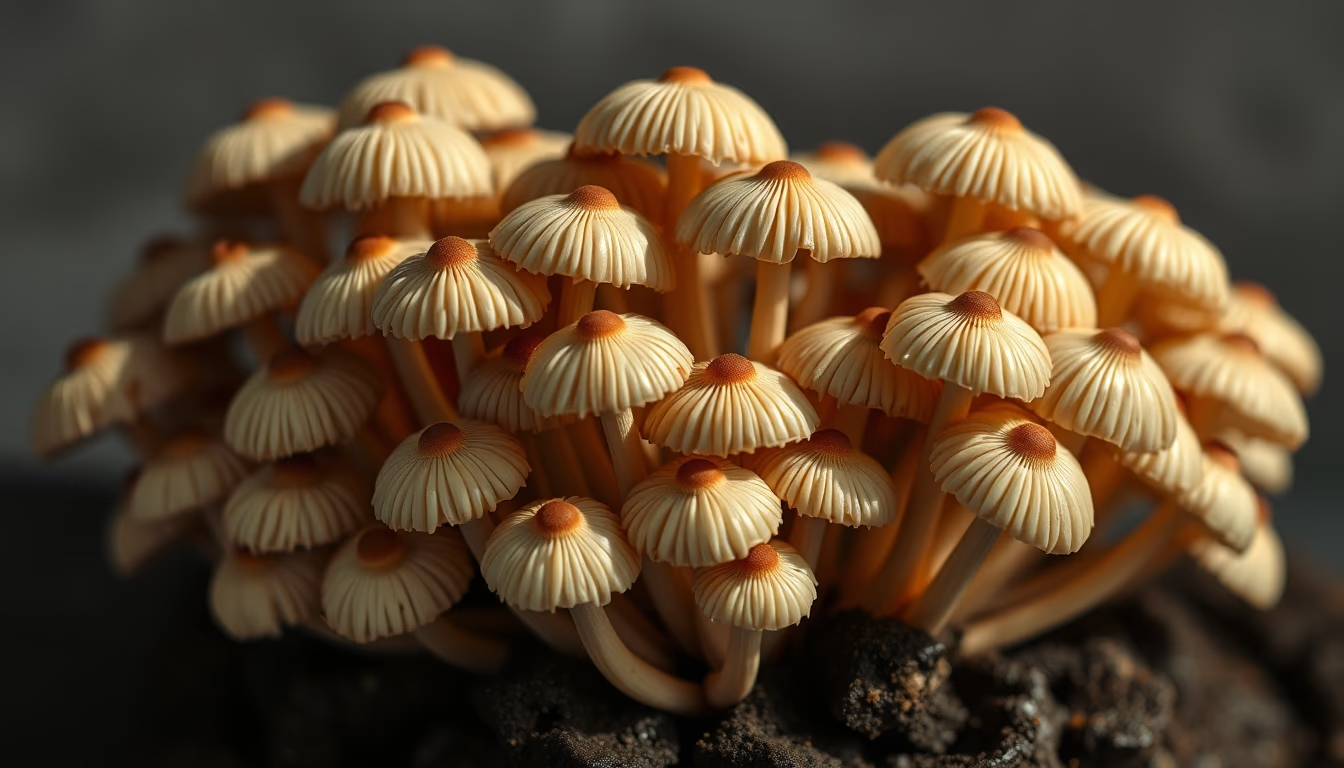
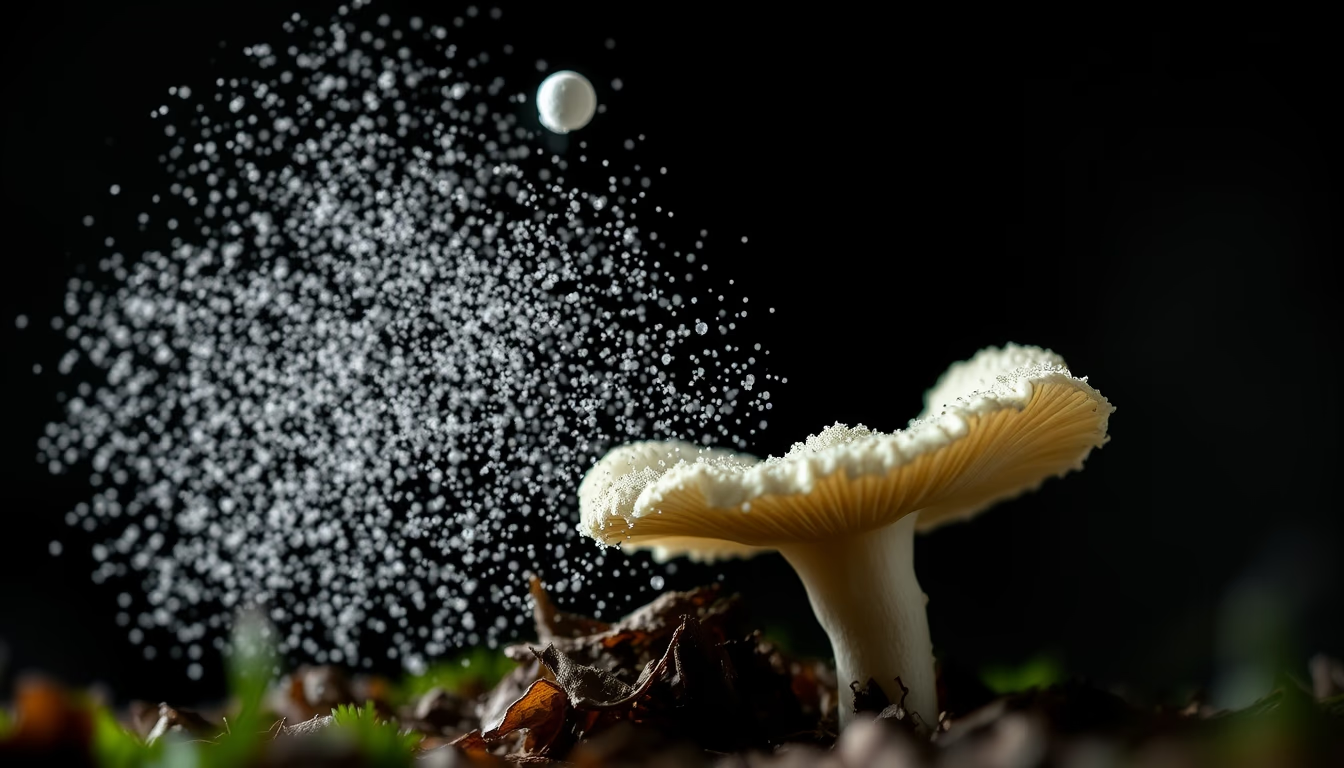
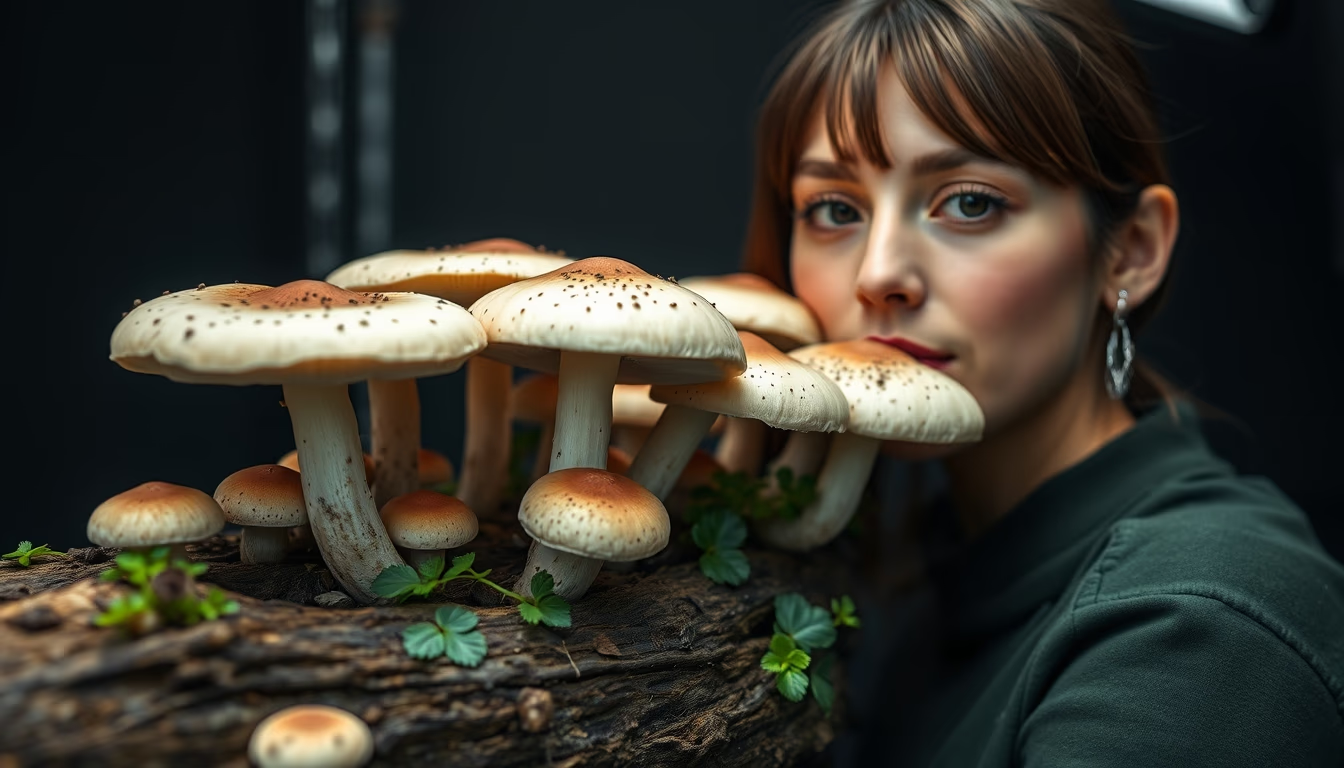
Enoki mushroom cluster
1344×768 · AVIF · CC BY 4.0
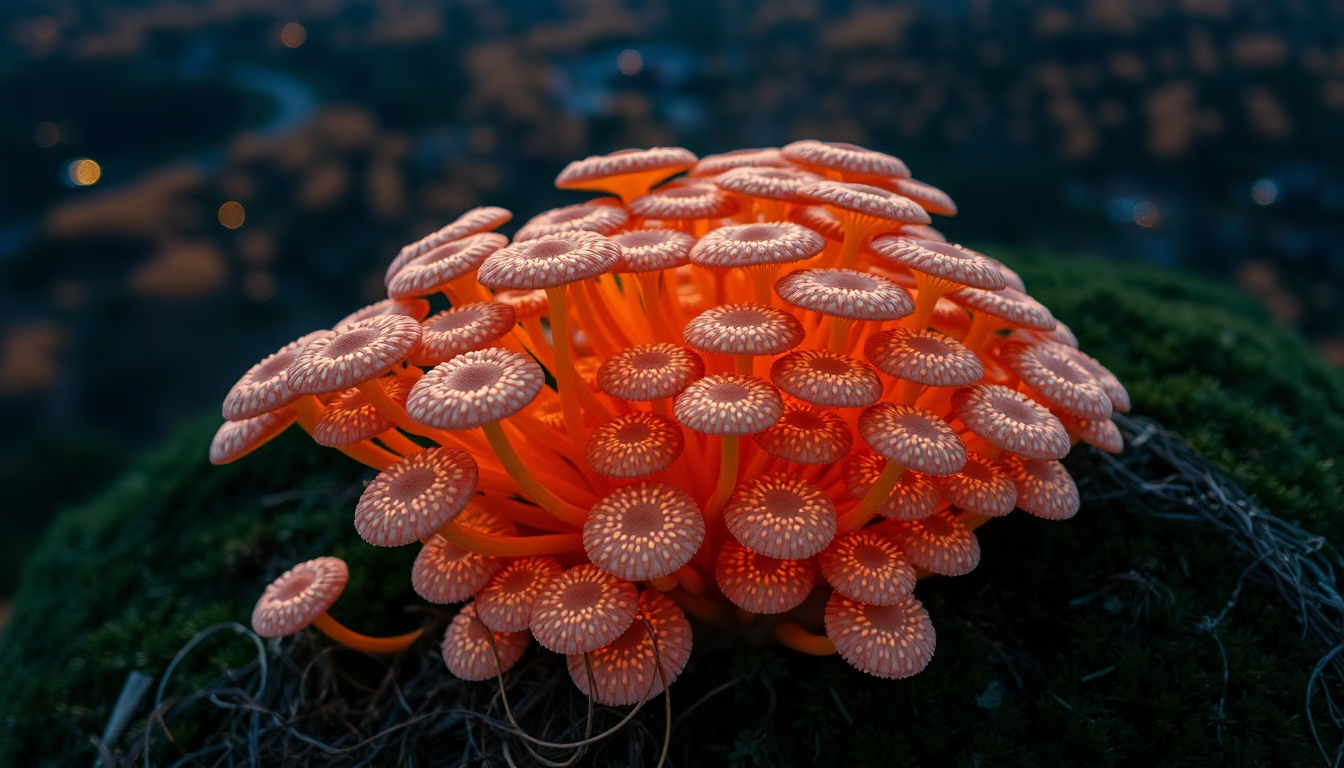
Enoki mushroom (Flammulina filiformis) in intensive cultivation. Learn about its characteristics, cultivation, and culinary uses.
About this subject
The enoki mushroom, scientifically known as Flammulina filiformis (formerly Flammulina velutipes), is an edible fungus widely cultivated in East Asia. Its distinctive appearance features long, slender white stems and a small rounded cap, a result of cultivation techniques that block light to promote elongated growth. Native to East Asia, enoki is a staple ingredient in many cuisines, particularly Japanese, Chinese, and Korean.
Nutritionally, enoki mushrooms are low in calories and fat, rich in dietary fiber, B vitamins (such as niacin and riboflavin), and minerals like potassium and phosphorus. They also contain bioactive compounds such as ergothioneine and polysaccharides, which have antioxidant and immunomodulatory properties. In cooking, they are prized for their crunchy texture and mild flavor, used in soups, salads, stir-fries, and even hot pot. In Japan, they are common in nabemono and miso soup.
Commercial cultivation of enoki occurs in controlled environments using substrates like sawdust and bran, in bags or bottles. Ideal conditions include low temperatures (between 8 and 15 degrees Celsius) and high humidity, with elevated carbon dioxide levels to stimulate stem elongation. Harvesting takes place in clusters, typically 30 to 40 days after inoculation. An interesting fact is that wild varieties, such as Flammulina velutipes 'Wild', have a brownish-orange color and larger caps, sometimes hunted and consumed, though less common in markets.
Enoki is one of the most popular mushrooms globally due to its ease of cultivation and versatility. Beyond culinary use, research suggests potential health benefits like cholesterol reduction and antitumor activity, though further studies are needed. In Brazil, its consumption has increased, especially in Asian communities and among vegetarian and vegan diets.
Frequently Asked Questions
Can enoki mushrooms be eaten raw?
Yes, enoki mushrooms can be eaten raw, especially in salads, but they are often lightly cooked to improve digestibility and enhance flavor. Be sure to wash them thoroughly before eating.
What is the difference between cultivated and wild enoki?
Cultivated enoki is white with long thin stems, grown in the dark. Wild enoki (Flammulina velutipes) is brownish-orange with a larger cap and shorter stems, found on tree trunks in autumn.
How should enoki mushrooms be stored in the refrigerator?
Store enoki in a perforated plastic bag in the vegetable crisper drawer. They last about 5 to 7 days. Avoid washing before storage to prevent spoilage.
Direct URL
https://pub-c7d6a6ea828543ac903a74a341ccb2e1.r2.dev/imagens/enoki-mushroom-cluster-aerial-drone-shot-p7.avifHow to credit
Include a visible link back to UtilizAí. Copy one of the snippets below:
<a href="https://xn--utiliza-eza.com/en/midia/imagens/enoki-mushroom-cluster-aerial-drone-shot-p7">Enoki mushroom cluster</a> by <a href="https://xn--utiliza-eza.com">UtilizAí</a>, licensed under <a href="https://creativecommons.org/licenses/by/4.0/">CC BY 4.0</a>.
[Enoki mushroom cluster](https://xn--utiliza-eza.com/en/midia/imagens/enoki-mushroom-cluster-aerial-drone-shot-p7) by [UtilizAí](https://xn--utiliza-eza.com), CC BY 4.0
License: CC-BY-4.0