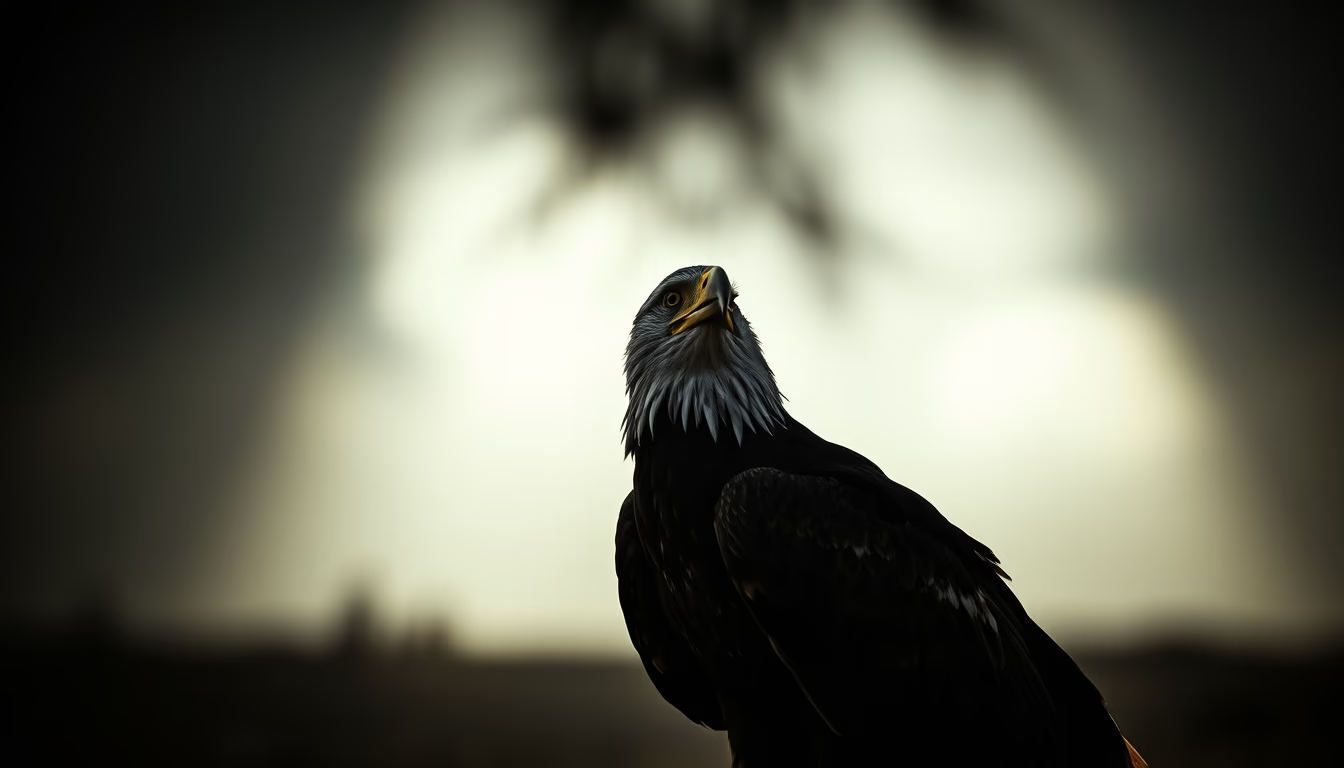
Eagle hunter mongolia
1344×768 · AVIF · CC BY 4.0
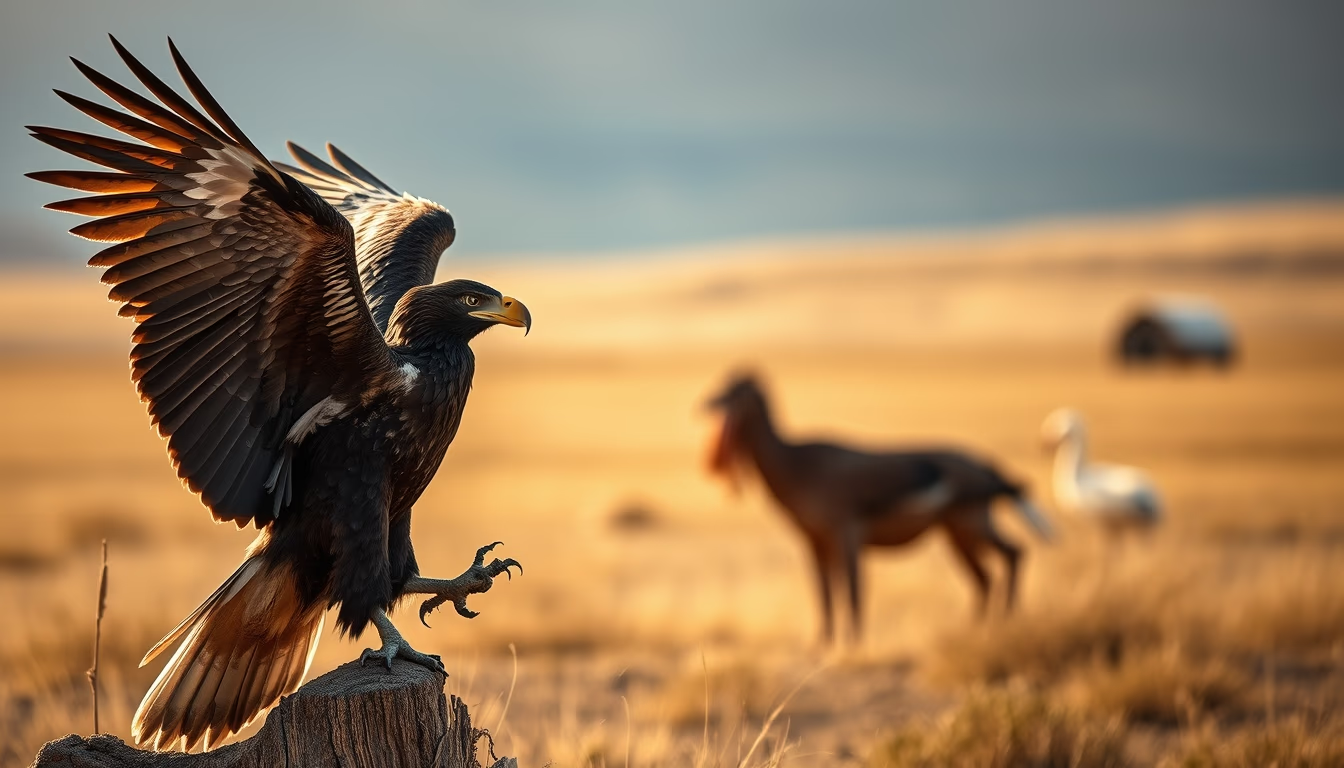
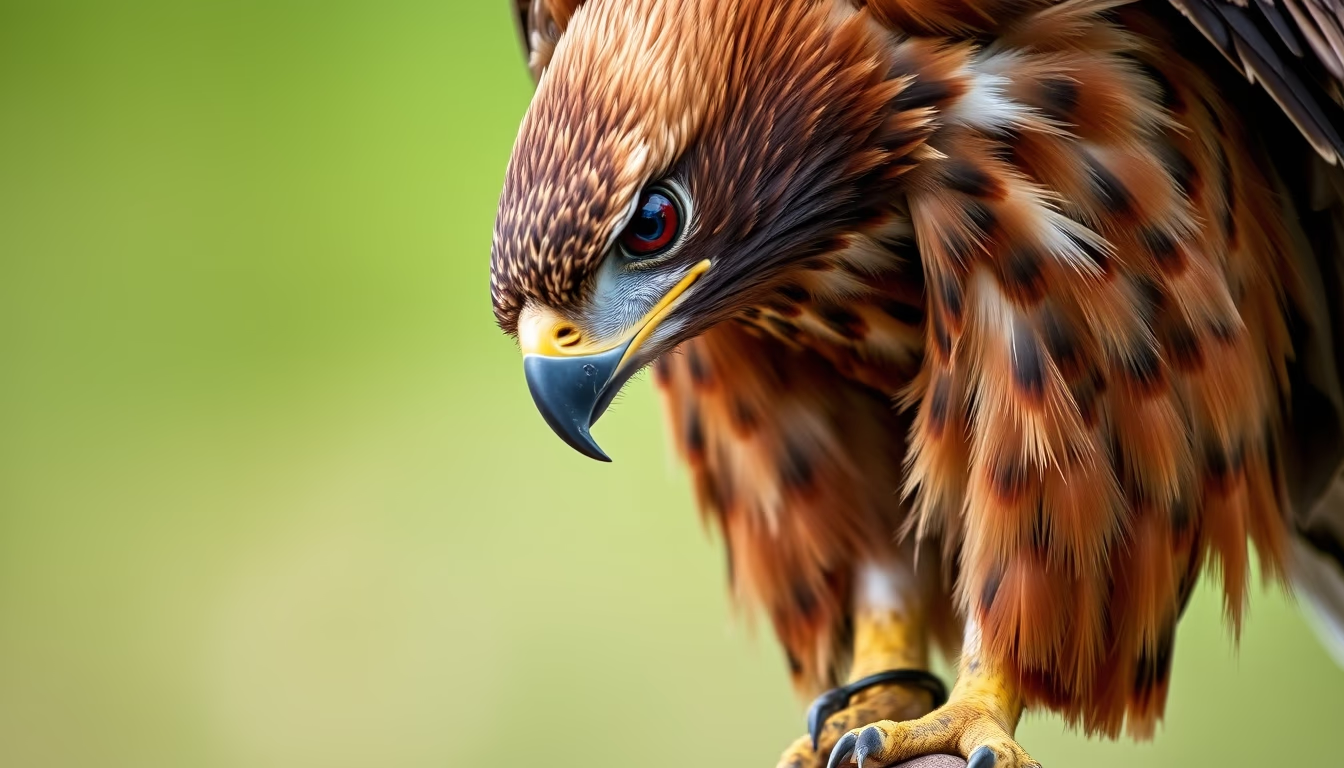
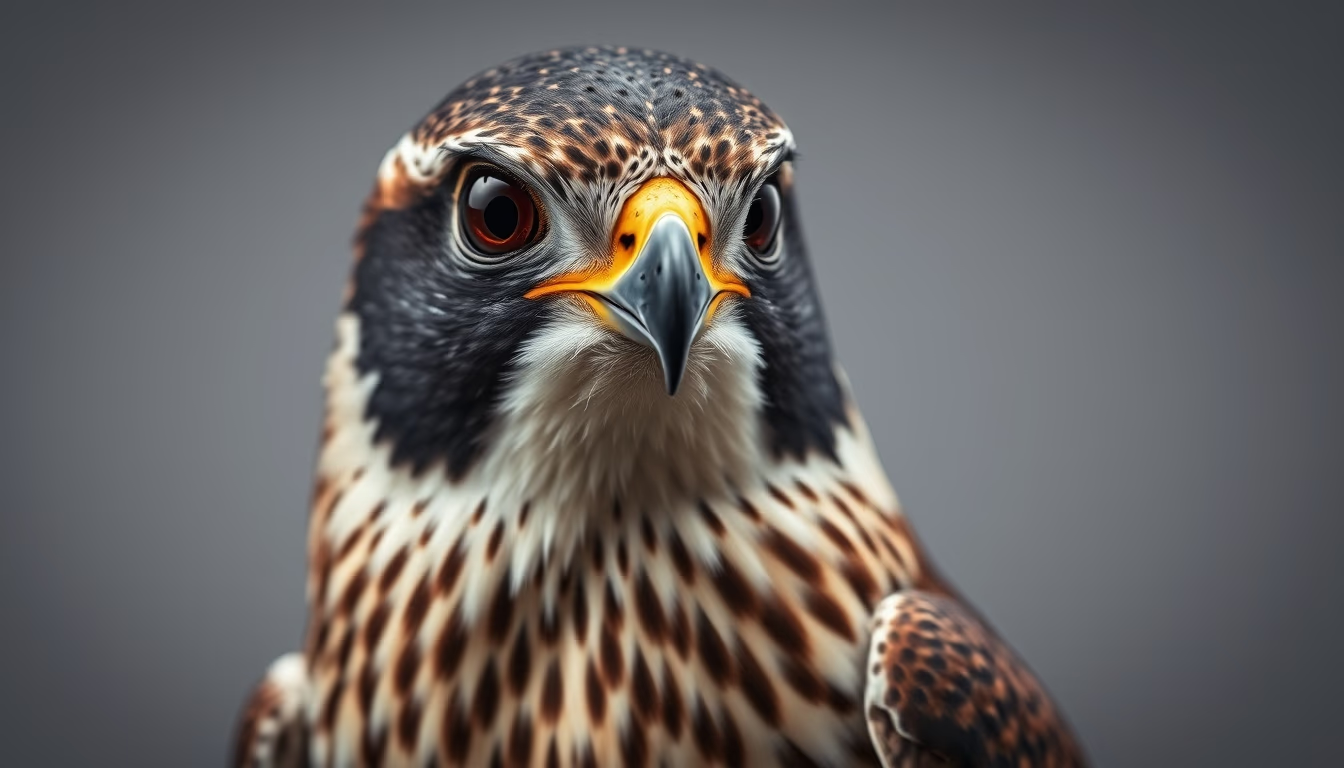
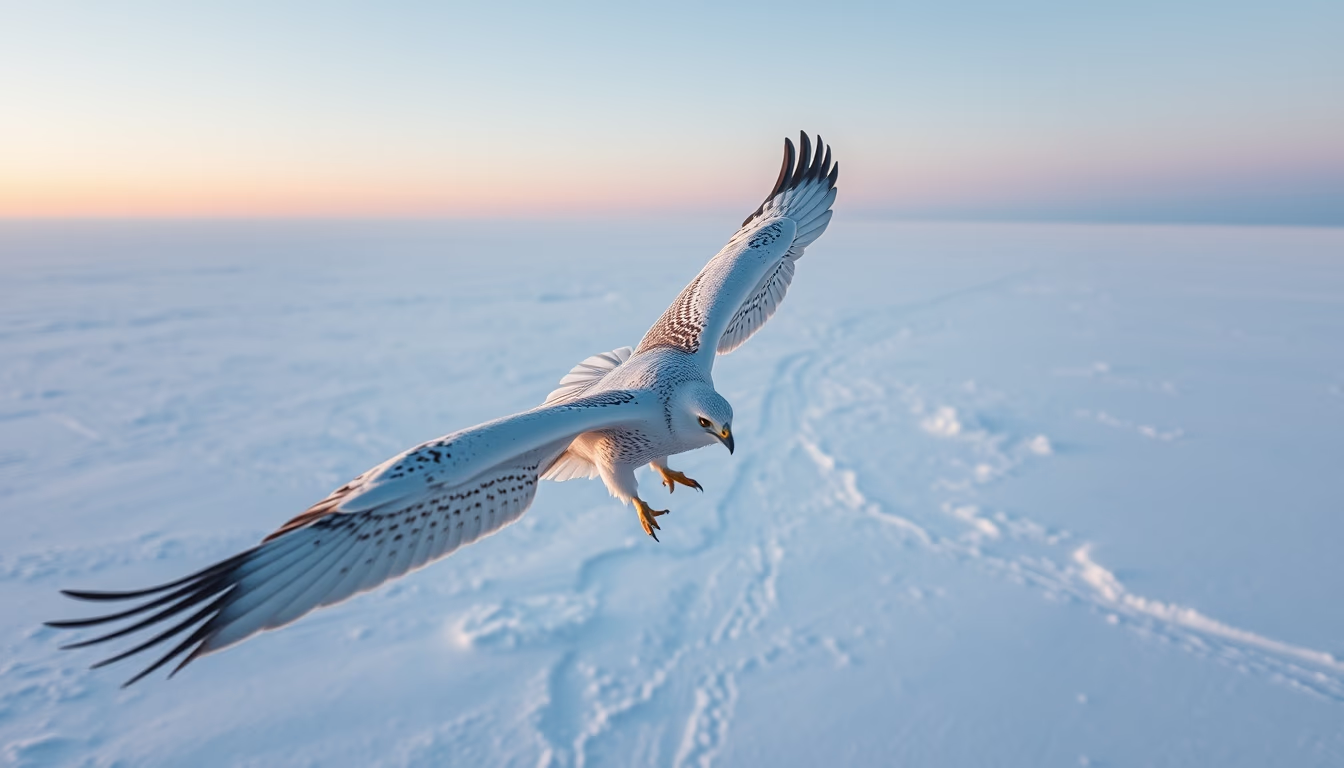
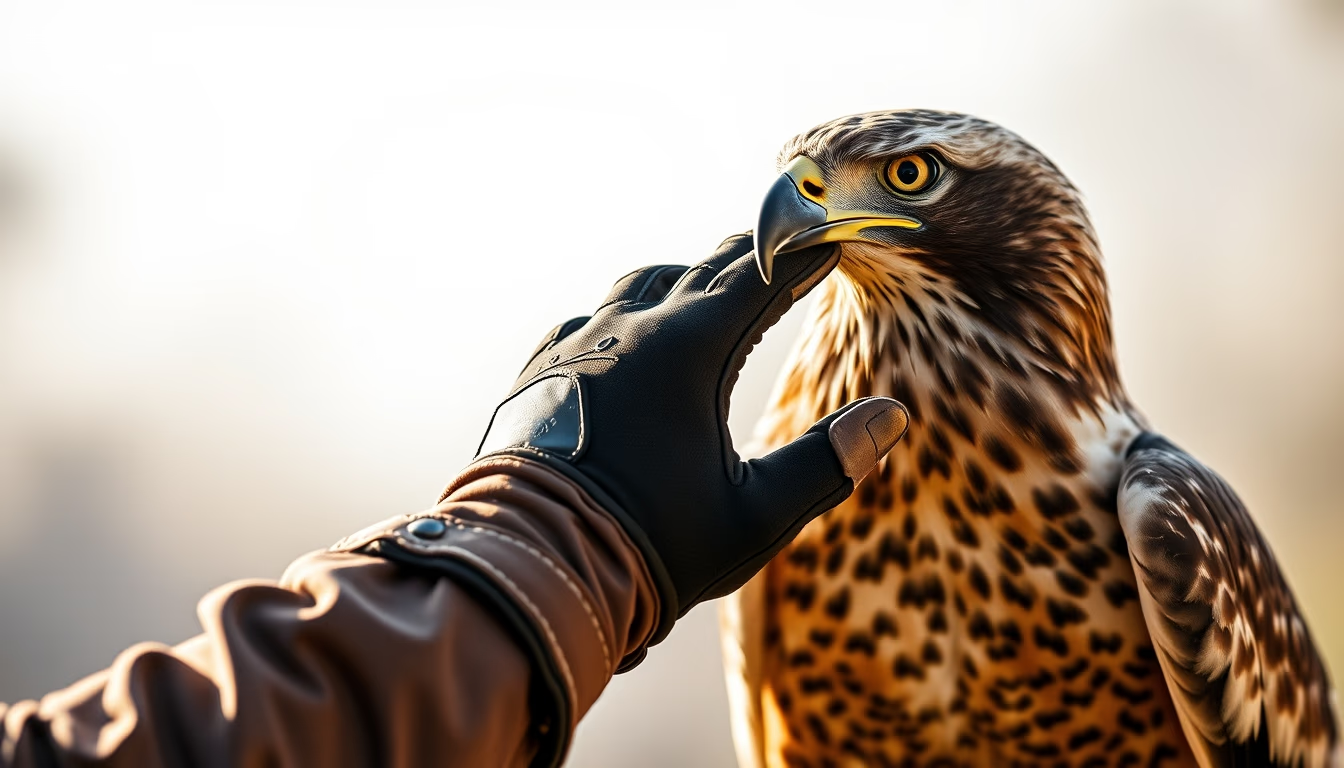
Eagle hunters of western Mongolia keep alive a millennia-old tradition of falconry with golden eagles, recognized as UNESCO Intangible Cultural Heritage.
About this subject
The tradition of eagle hunting in Mongolia, practiced by the Kazakh people of the Altai region in the west, dates back over two thousand years. Unlike falconry elsewhere, these hunters use female golden eagles (Aquila chrysaetos), which can have a wingspan of up to 2.3 meters and weigh around 6 kilograms. The capture and training process is meticulous: young wild eagles are taken from nests at about two months old and undergo a taming process lasting three to four years, after which they are released back into the wild to breed.
The annual Eagle Hunter Festival, held in September in Bayan-Ölgii Province, gathers dozens of berkutchi who compete in speed, accuracy, and eagle-calling contests. The event attracts global tourists and helps preserve this practice, which was inscribed by UNESCO on the Representative List of the Intangible Cultural Heritage of Humanity in 2010. Traditional attire includes sheepskin coats, fox fur hats, and felt boots, adapted to the harsh continental climate where winter temperatures drop to -40°C.
Historically, eagle hunting provided subsistence for nomadic families, supplying furs of foxes, wolves, and marmots. Today, although economic necessity has diminished, the tradition persists as a symbol of cultural identity and ethnic pride. The bond between hunter and eagle is described as one of deep respect and trust; the bird recognizes its owner's voice and returns to his fist even in rugged terrain. Modern challenges include aging practitioners and waning youth interest, but cultural tourism and international media coverage have helped revitalize the practice.
Technically, training involves using meat lures and hoods to calm the eagle during transport. The eagle is fed only when it obeys commands, reinforcing conditioning. Once trained, it can be used for several years before release. Hunters often carry eagles on special perches mounted on horses, as hunting is done on horseback across vast steppes and gorges. The eagle's sharp eyesight spots prey from kilometers away, and its diving attack can reach speeds of up to 320 km/h.
Frequently Asked Questions
At what age do Mongolian hunters capture the eagles?
Young golden eagles are taken from nests at about two months old, before they learn to fly. This window allows for better adaptation to training.
What is the Eagle Hunter Festival and where does it take place?
The annual festival is held in September in Bayan-Ölgii Province, western Mongolia, gathering dozens of berkutchi for falconry competitions and cultural displays.
Are the eagles kept in captivity permanently?
No. After three to four years of service, the eagles are released back into the wild to breed, ensuring the practice's sustainability and animal welfare.
Direct URL
https://pub-c7d6a6ea828543ac903a74a341ccb2e1.r2.dev/imagens/eagle-hunter-mongolia-fine-art-photography-fresh5.avifHow to credit
Include a visible link back to UtilizAí. Copy one of the snippets below:
<a href="https://xn--utiliza-eza.com/en/midia/imagens/eagle-hunter-mongolia-fine-art-photography-fresh5">Eagle hunter mongolia</a> by <a href="https://xn--utiliza-eza.com">UtilizAí</a>, licensed under <a href="https://creativecommons.org/licenses/by/4.0/">CC BY 4.0</a>.
[Eagle hunter mongolia](https://xn--utiliza-eza.com/en/midia/imagens/eagle-hunter-mongolia-fine-art-photography-fresh5) by [UtilizAí](https://xn--utiliza-eza.com), CC BY 4.0
License: CC-BY-4.0