Discobolus statue greek
1344×768 · AVIF · CC BY 4.0
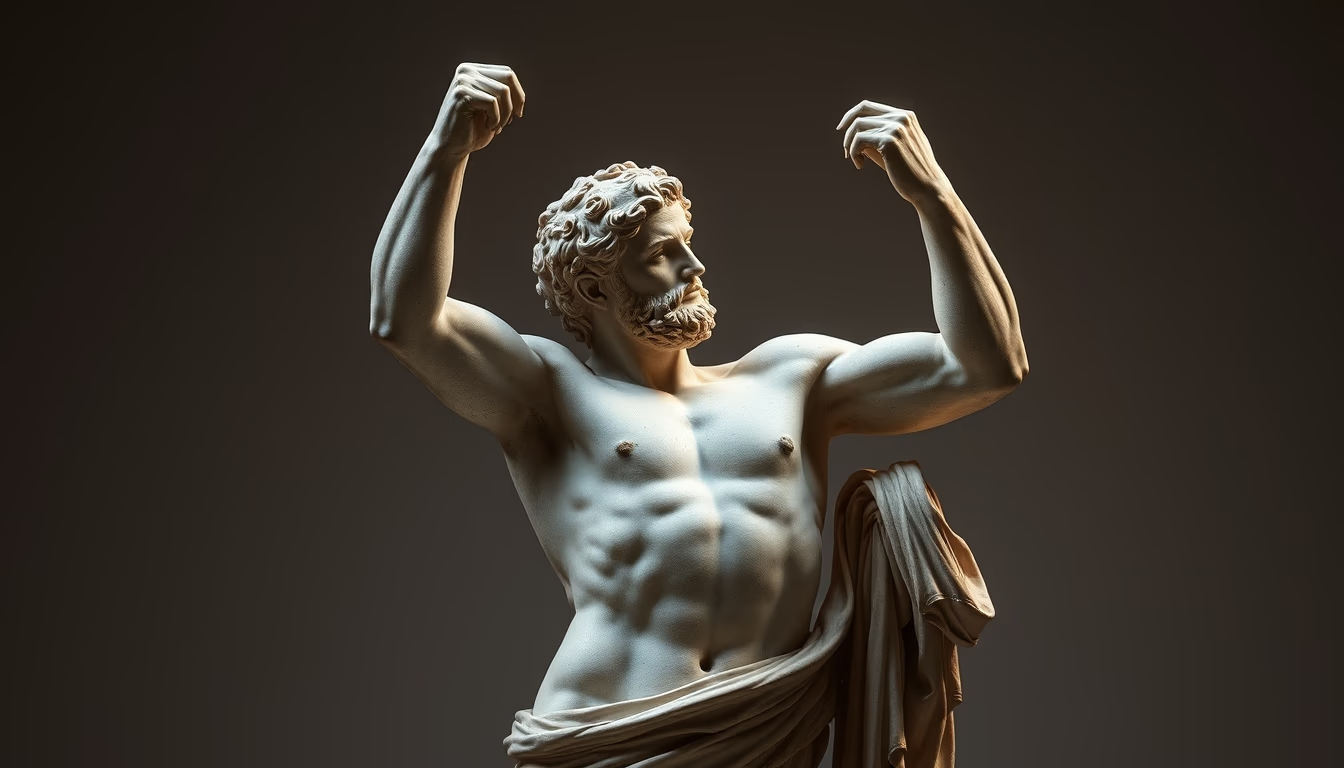
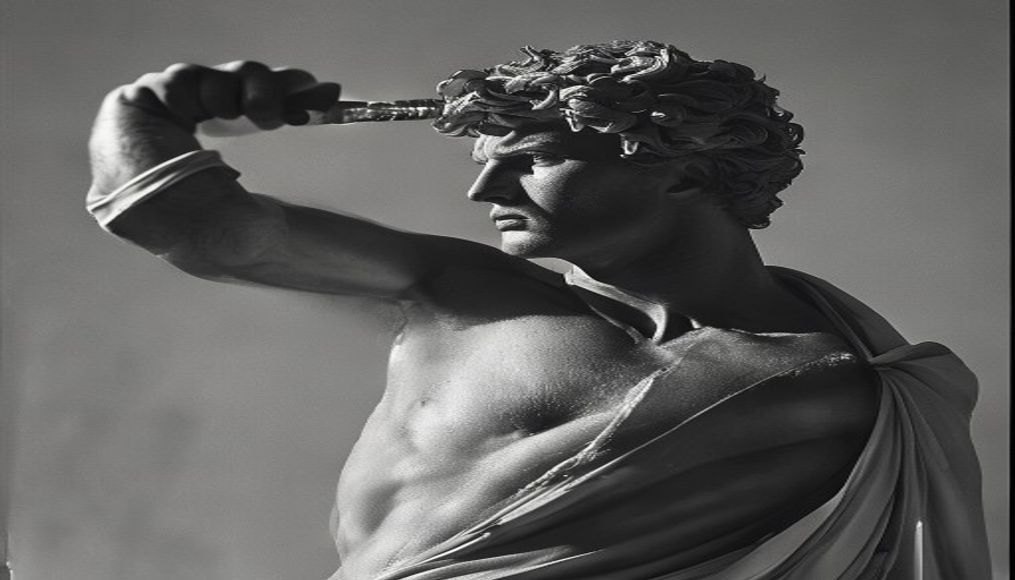
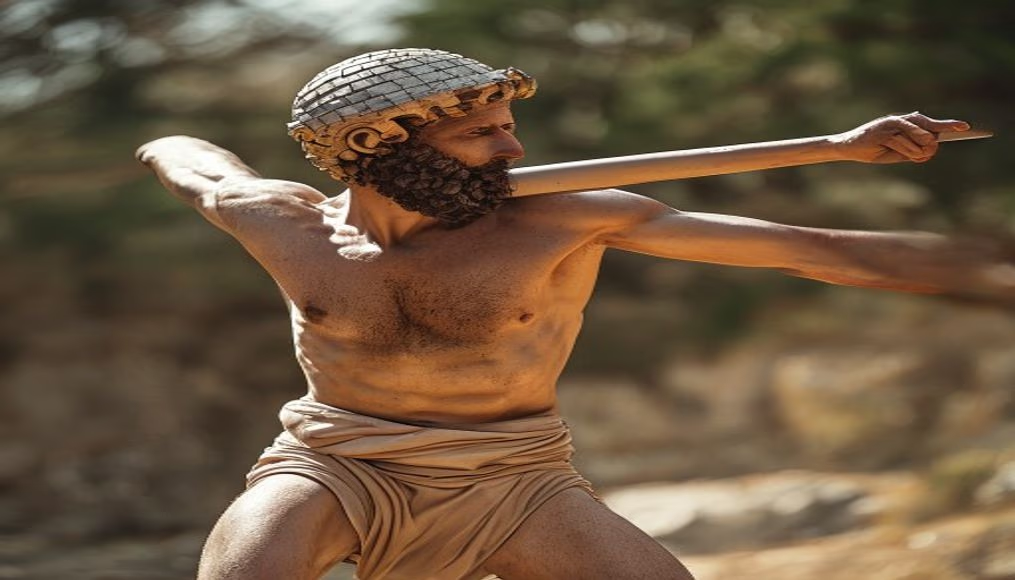
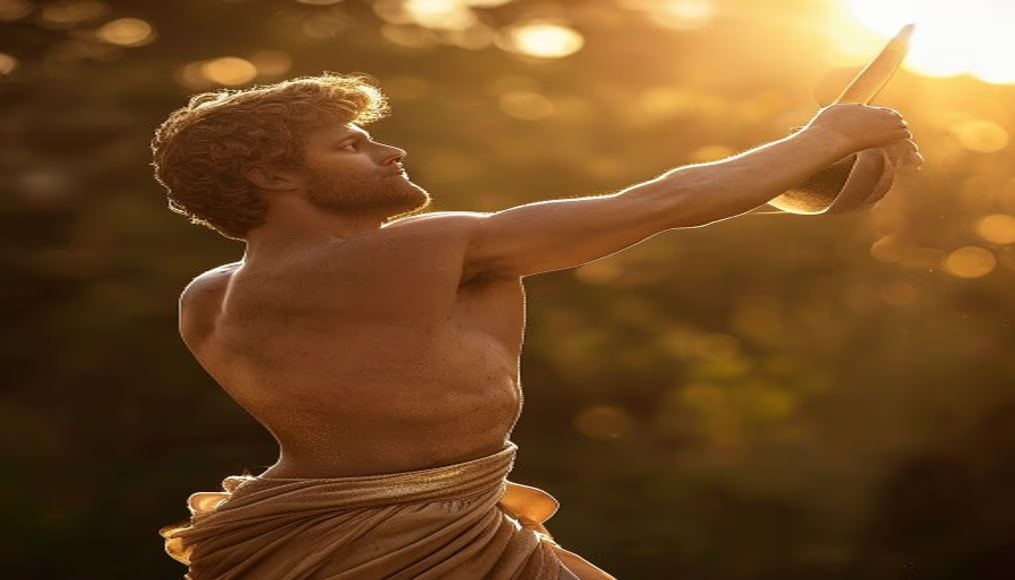
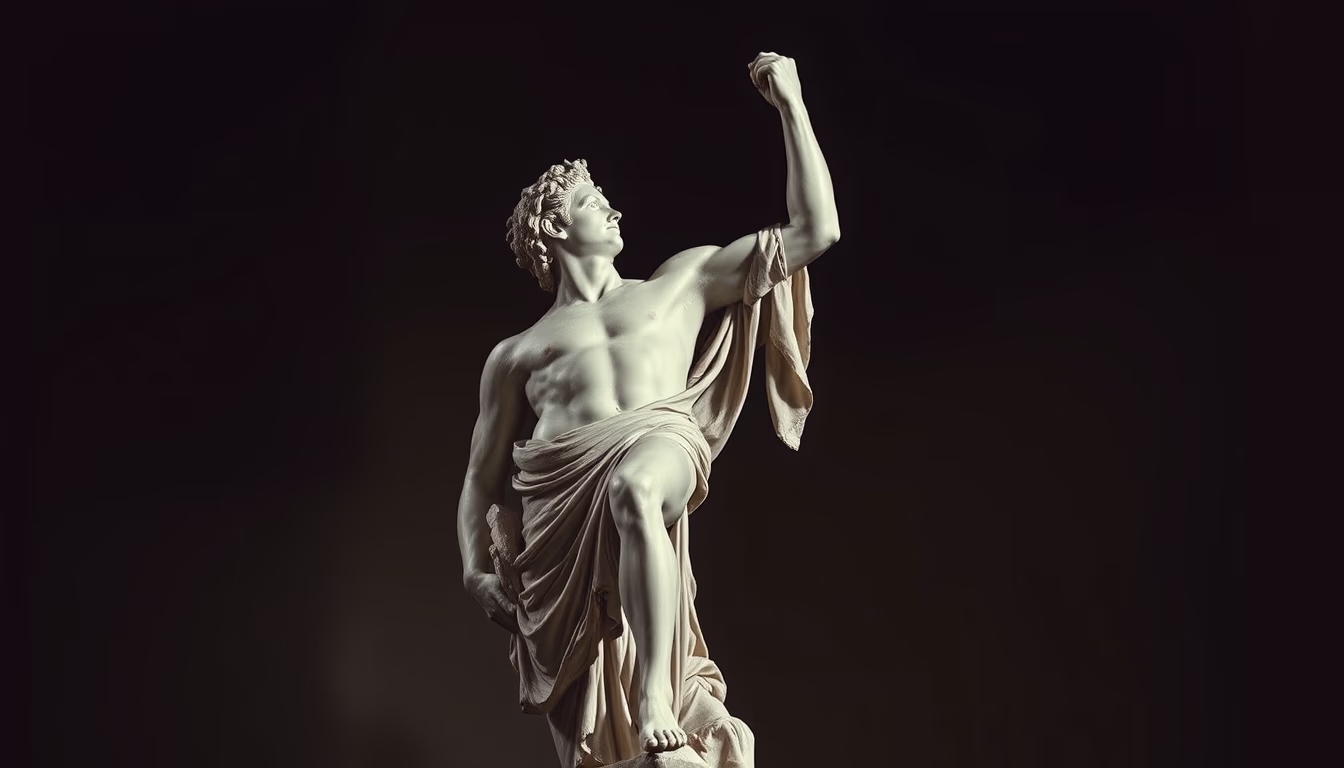
The Discobolus is an iconic Greek sculpture depicting an athlete throwing a discus, embodying the athletic and artistic perfection of Classical Antiquity.
About this subject
The Discobolus, or Discus Thrower, is one of the most famous sculptures from ancient Greece. Originally cast in bronze by the sculptor Myron around 460, 450 BCE, it depicts a nude athlete at the precise moment of hurling a discus. The original bronze has been lost, but the work is known through Roman marble copies, such as those in the Palazzo Massimo alle Terme in Rome and the British Museum in London.
The Discobolus's pose is a landmark in Greek art: the body is twisted in dynamic motion, yet the face remains serene. This combination of intense action and calm expression reflects the Greek ideal of control and balance, known as _sophrosyne_. The sculpture captures the peak tension before the throw, with arms extended and weight shifted onto the supporting leg.
Myron's masterpiece deeply influenced the representation of movement in Western art. During the Renaissance, the Discobolus was rediscovered and admired by artists like Michelangelo. In the 20th century, copies of the statue were used as symbols of the modern Olympic Games, linking classical tradition to contemporary sport. The sculpture also inspired a famous 1954 photograph by Leni Riefenstahl, who recreated the pose with athletes.
Interestingly, Roman copies of the Discobolus often include tree trunk supports to stabilize the marble, details absent from the original bronze. These adaptations show how Romans valued preserving Greek art, albeit with technical modifications. Today, the Discobolus is a cultural icon, appearing on coins, stamps, and sports logos, perpetuating the legacy of Classical Greece as the birthplace of Olympic ideals.
Frequently Asked Questions
Who sculpted the original Discobolus?
The original Discobolus was sculpted by the Greek artist Myron around 460, 450 BCE in bronze.
Why is the Discobolus so important in art history?
The sculpture is innovative for capturing dynamic motion with a serene face, embodying the Greek ideal of balance between action and emotion.
Are there copies of the Discobolus in museums?
Yes, several Roman marble copies exist, such as those at the Palazzo Massimo alle Terme (Rome) and the British Museum (London).
Direct URL
https://pub-c7d6a6ea828543ac903a74a341ccb2e1.r2.dev/imagens/discobolus-statue-greek-studio-editorial-portrait-p2.avifHow to credit
Include a visible link back to UtilizAí. Copy one of the snippets below:
<a href="https://xn--utiliza-eza.com/en/midia/imagens/discobolus-statue-greek-studio-editorial-portrait-p2">Discobolus statue greek</a> by <a href="https://xn--utiliza-eza.com">UtilizAí</a>, licensed under <a href="https://creativecommons.org/licenses/by/4.0/">CC BY 4.0</a>.
[Discobolus statue greek](https://xn--utiliza-eza.com/en/midia/imagens/discobolus-statue-greek-studio-editorial-portrait-p2) by [UtilizAí](https://xn--utiliza-eza.com), CC BY 4.0
License: CC-BY-4.0