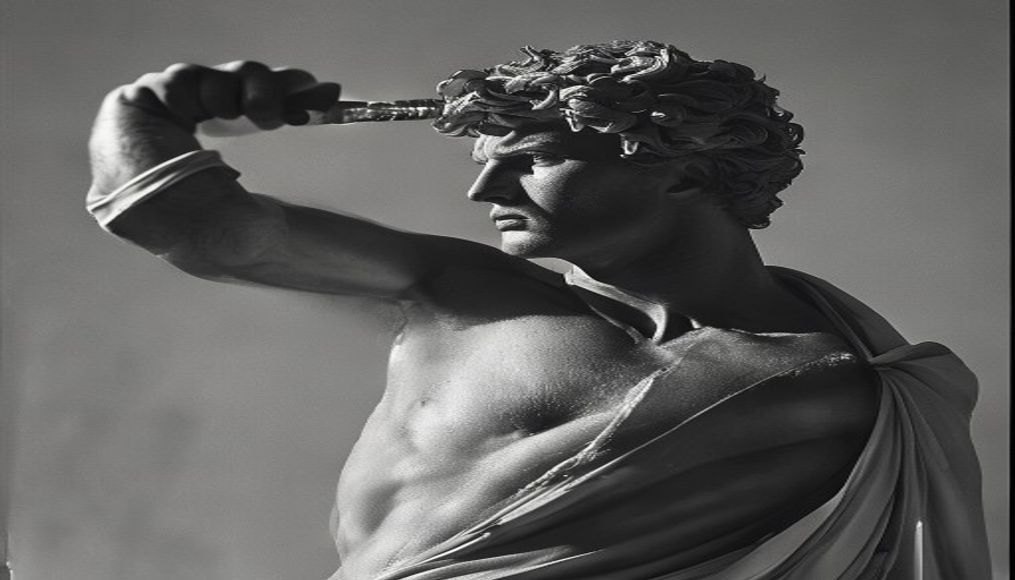
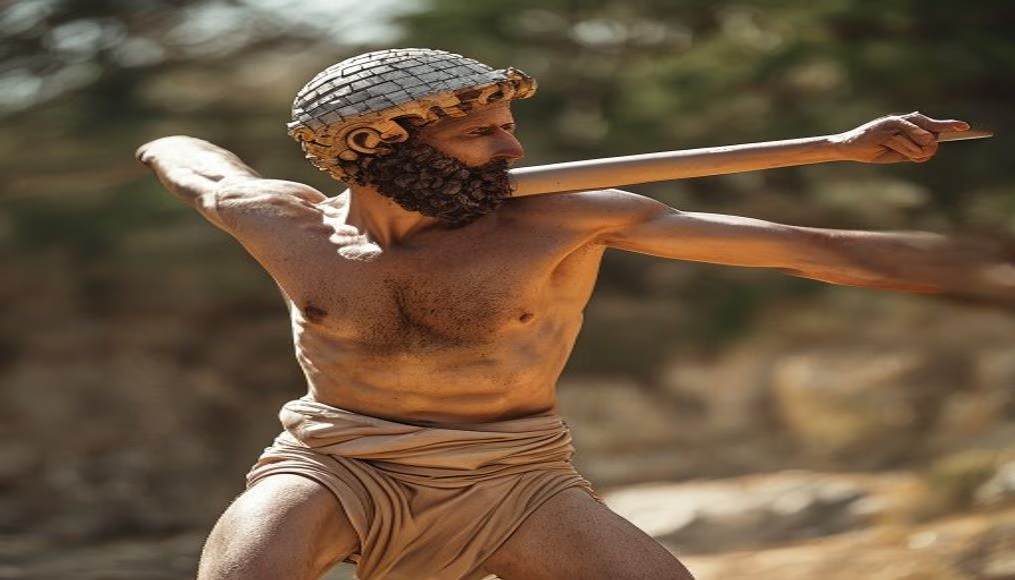
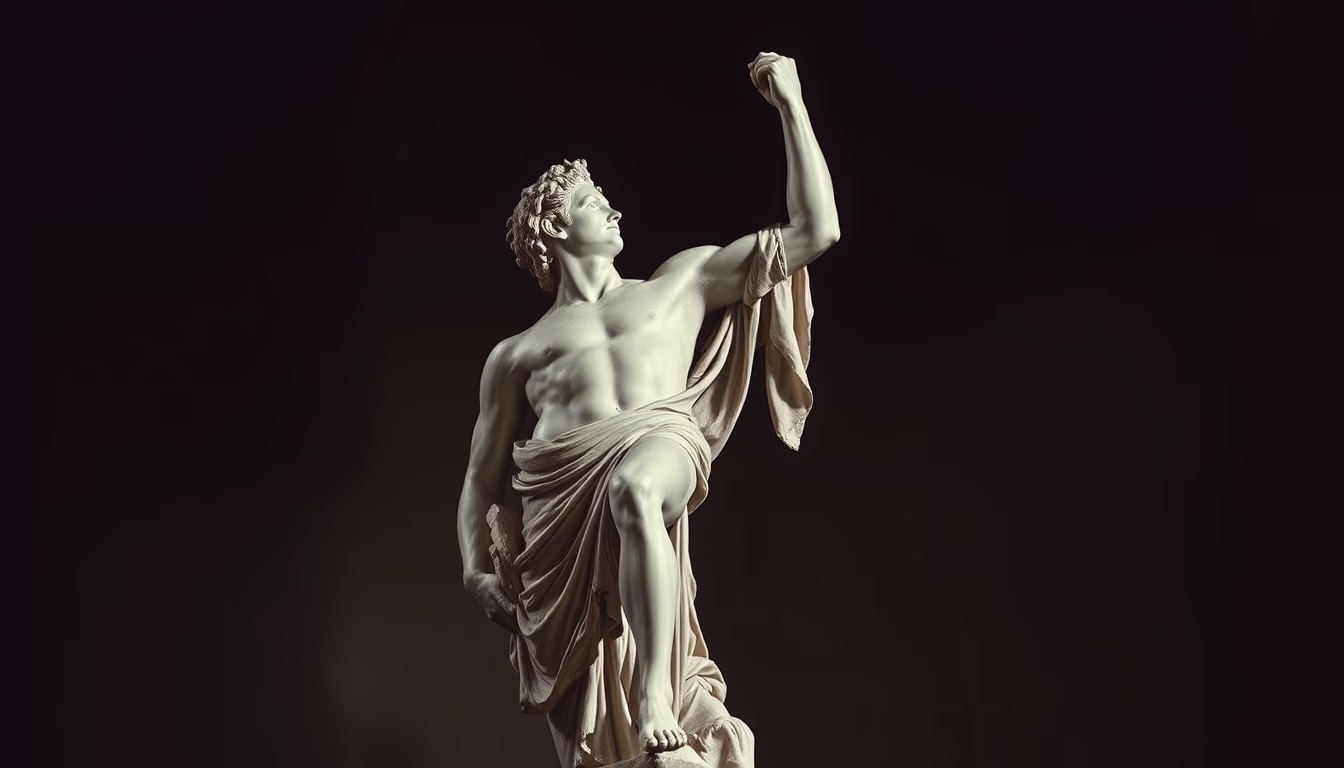
Discobolus statue greek
1344×768 · AVIF · CC BY 4.0
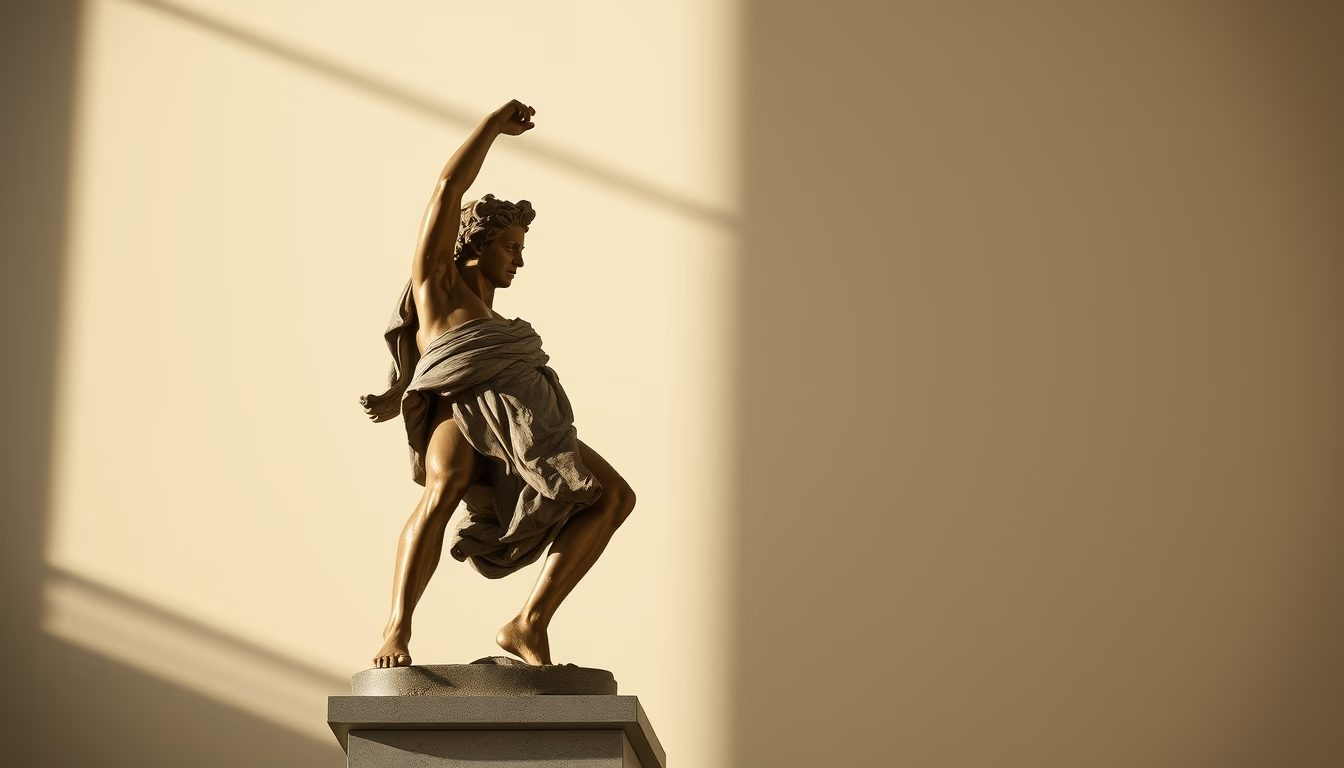
The Discobolus, a masterpiece by Myron, captures the perfection of athletic movement in ancient Greece and influenced Western art for centuries.
About this subject
The Discobolus is one of the most iconic sculptures of ancient Greece, created by the sculptor Myron around 450 BCE. The original bronze work has been lost, but it survives through Roman marble copies. The statue depicts an athlete at the exact moment of throwing a discus, capturing an instant of dynamic balance between tension and relaxation. Myron was a pioneer in the realistic representation of human movement, breaking away from the rigidity of archaic figures.
The most famous copy is the Palombara Discobolus, discovered in 1781 and now at the National Roman Museum. Another notable version is at the British Museum. The sculpture influenced Renaissance and modern artists, such as Michelangelo and Rodin, who admired its precise anatomy. The pose of the Discobolus, with the body twisted and arm extended, demonstrates the advanced knowledge of the Greeks about human musculature and movement.
Discus throwing was an Olympic event in ancient times, and the statue symbolizes the Greek ideal of physical beauty and athletic excellence. The Discobolus has also inspired debates about the representation of sports in art, often used as a symbol of the modern Olympic Games. The work is a testament to the Greek pursuit of harmony between body and spirit, known as kalokagathia.
Frequently Asked Questions
Who sculpted the Discobolus?
The Discobolus was sculpted by Myron, a famous Greek sculptor of the 5th century BCE, known for his realistic depictions of movement.
Where is the most famous copy of the Discobolus?
The most famous copy, the Palombara Discobolus, is at the National Roman Museum in Rome. Another significant copy is at the British Museum.
Why is the Discobolus important in art history?
The Discobolus is considered a landmark for its naturalistic portrayal of motion and human anatomy, influencing generations of artists and establishing an ideal of athletic beauty.
Direct URL
https://pub-c7d6a6ea828543ac903a74a341ccb2e1.r2.dev/imagens/discobolus-statue-greek-magazine-editorial-p7.avifHow to credit
Include a visible link back to UtilizAí. Copy one of the snippets below:
<a href="https://xn--utiliza-eza.com/en/midia/imagens/discobolus-statue-greek-magazine-editorial-p7">Discobolus statue greek</a> by <a href="https://xn--utiliza-eza.com">UtilizAí</a>, licensed under <a href="https://creativecommons.org/licenses/by/4.0/">CC BY 4.0</a>.
[Discobolus statue greek](https://xn--utiliza-eza.com/en/midia/imagens/discobolus-statue-greek-magazine-editorial-p7) by [UtilizAí](https://xn--utiliza-eza.com), CC BY 4.0
License: CC-BY-4.0