Cuneiform sumerian tablet
1344×768 · AVIF · CC BY 4.0
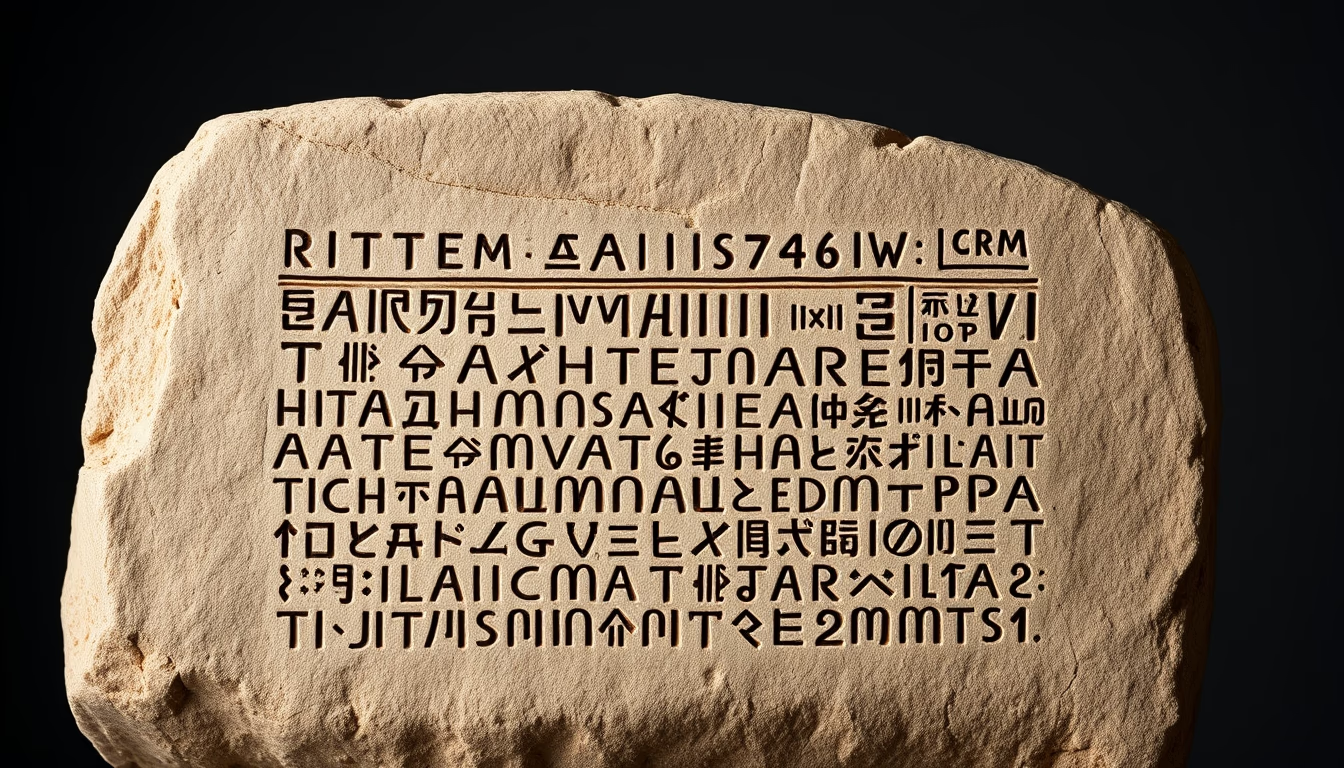
Sumerian clay tablet with cuneiform script, one of humanity's earliest writing systems, used to record transactions and literature.
About this subject
Cuneiform writing was developed by the Sumerians in Mesopotamia around 3400 BCE and is considered the earliest known writing system. The first tablets were used for accounting, recording harvests, livestock, and trade, but soon evolved to document laws, epic poems, and myths. The term 'cuneiform' comes from Latin 'cuneus' (wedge), referring to the wedge‑shaped marks made by a reed stylus on soft clay.
Tablets were dried in the sun or fired in kilns, ensuring preservation for millennia. Many were discovered in excavations in modern‑day Iraq and Syria. The decipherment of cuneiform in the 19th century allowed scholars to understand languages such as Sumerian and Akkadian, revealing details of life in ancient Sumer. The Code of Ur‑Nammu, for example, is one of the oldest known law collections, predating the Code of Hammurabi.
The historical importance of cuneiform extends beyond writing: it marks the beginning of state bureaucracy, literature, and formal education. Schools called 'edubba' trained scribes through copying and dictation. Tablets like this often contain word lists, contracts, or prayers. Each tablet is a unique window into the past, providing crucial data on economy, religion, and culture.
Frequently Asked Questions
How was cuneiform writing done?
Cuneiform writing was made by pressing a wedge‑shaped reed stylus into moist clay tablets. The signs represented words or syllables. After writing, tablets were dried in the sun or fired to harden.
Why is the Sumerian tablet important for history?
Sumerian tablets are primary sources for understanding the first civilization with writing. They document administration, literature, laws, and religion, providing data about daily life and human thought over 5,000 years ago.
Where were most cuneiform tablets found?
Most tablets were discovered in archaeological sites in Mesopotamia, especially in modern‑day Iraq and Syria. Sites like Nippur, Ur, and Babylon yielded thousands of examples.
Direct URL
https://pub-c7d6a6ea828543ac903a74a341ccb2e1.r2.dev/imagens/cuneiform-sumerian-tablet-studio-editorial-portrait-fresh6.avifHow to credit
Include a visible link back to UtilizAí. Copy one of the snippets below:
<a href="https://xn--utiliza-eza.com/en/midia/imagens/cuneiform-sumerian-tablet-studio-editorial-portrait-fresh6">Cuneiform sumerian tablet</a> by <a href="https://xn--utiliza-eza.com">UtilizAí</a>, licensed under <a href="https://creativecommons.org/licenses/by/4.0/">CC BY 4.0</a>.
[Cuneiform sumerian tablet](https://xn--utiliza-eza.com/en/midia/imagens/cuneiform-sumerian-tablet-studio-editorial-portrait-fresh6) by [UtilizAí](https://xn--utiliza-eza.com), CC BY 4.0
License: CC-BY-4.0