Cuneiform sumerian tablet
1344×768 · AVIF · CC BY 4.0
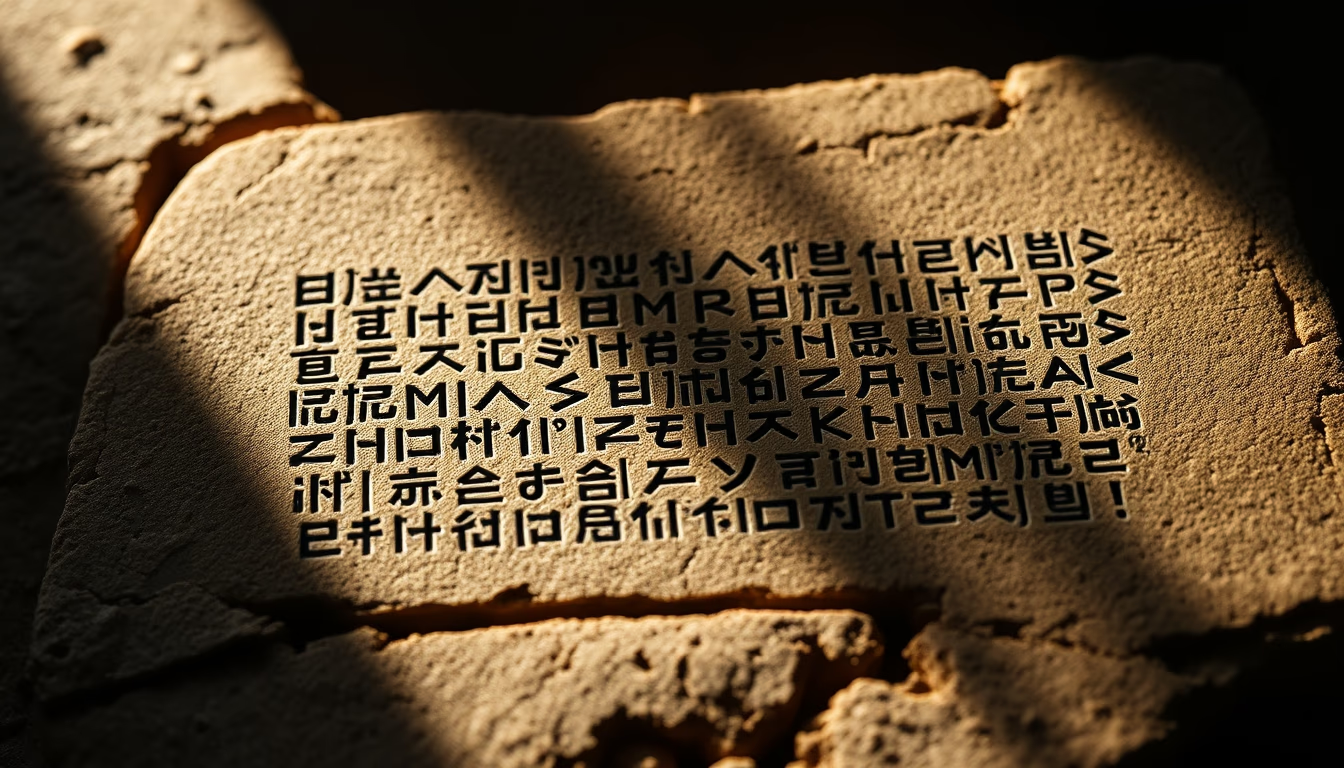
Clay tablet with Sumerian cuneiform writing, one of the oldest writing systems in human history, dating back over 5,000 years.
About this subject
Cuneiform writing originated in Mesopotamia around 3400 BCE as a system of administrative and accounting records by the Sumerians. Initially pictographic, it evolved into abstract wedge-shaped symbols impressed on wet clay tablets with a reed stylus. This system was adopted by various Mesopotamian cultures, such as the Akkadians, Babylonians, and Assyrians, and remained in use for over 3,000 years.
Cuneiform tablets recorded everything from commercial transactions and laws to literary works and scientific knowledge. Famous examples include the Code of Hammurabi and the Epic of Gilgamesh. The script was complex, with hundreds of signs representing syllables and ideas. Scribes spent years learning the system in schools called edubba.
The decipherment of cuneiform was a gradual process, beginning in the 19th century with scholars like Henry Rawlinson, who used the Behistun Inscription. Today, thousands of tablets survive in museums worldwide, providing an invaluable window into early civilizations.
Although cuneiform fell out of use around the 1st century CE, its legacy endures as a precursor to alphabetic writing systems. The study of these tablets continues to reveal details about the economy, religion, and daily life in ancient Mesopotamia, highlighting human ingenuity in recorded communication.
Frequently Asked Questions
What is cuneiform writing?
It is a writing system created by the Sumerians in Mesopotamia around 3400 BCE, characterized by wedge-shaped signs impressed on clay tablets.
What were cuneiform tablets used for?
They were used to record commercial transactions, laws, literary texts, scientific and administrative knowledge. Examples include the Code of Hammurabi and the Epic of Gilgamesh.
How was cuneiform deciphered?
It was deciphered in the 19th century, mainly by Henry Rawlinson, using the trilingual Behistun Inscription, comparing Old Persian, Elamite, and Akkadian.
Direct URL
https://pub-c7d6a6ea828543ac903a74a341ccb2e1.r2.dev/imagens/cuneiform-sumerian-tablet-rembrandt-lighting-dramatic-shadows-fresh3.avifHow to credit
Include a visible link back to UtilizAí. Copy one of the snippets below:
<a href="https://xn--utiliza-eza.com/en/midia/imagens/cuneiform-sumerian-tablet-rembrandt-lighting-dramatic-shadows-fresh3">Cuneiform sumerian tablet</a> by <a href="https://xn--utiliza-eza.com">UtilizAí</a>, licensed under <a href="https://creativecommons.org/licenses/by/4.0/">CC BY 4.0</a>.
[Cuneiform sumerian tablet](https://xn--utiliza-eza.com/en/midia/imagens/cuneiform-sumerian-tablet-rembrandt-lighting-dramatic-shadows-fresh3) by [UtilizAí](https://xn--utiliza-eza.com), CC BY 4.0
License: CC-BY-4.0