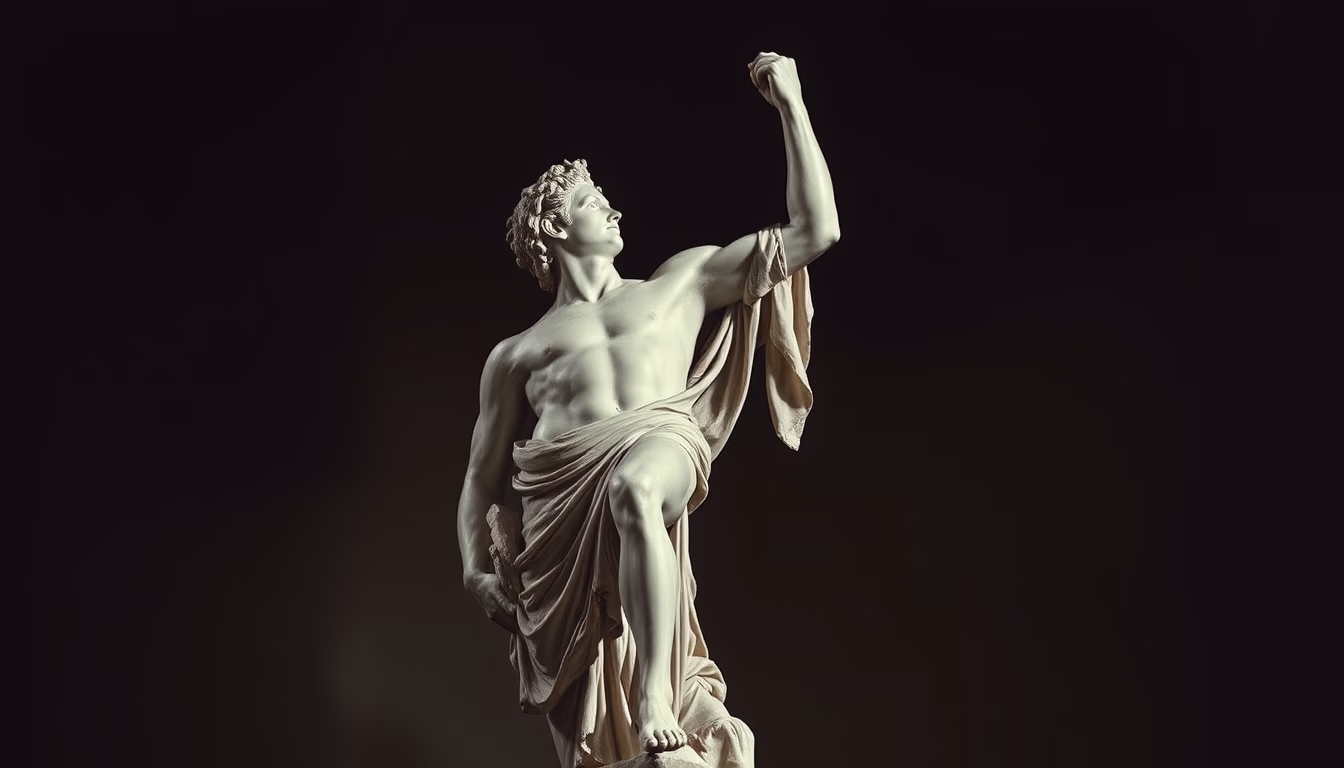
Creation adam michelangelo
1344×768 · AVIF · CC BY 4.0
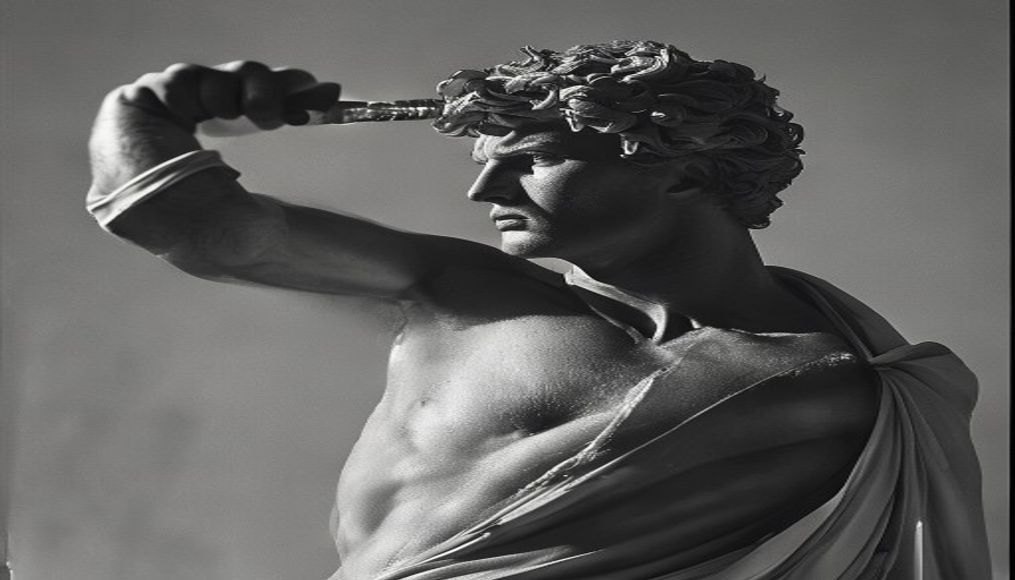
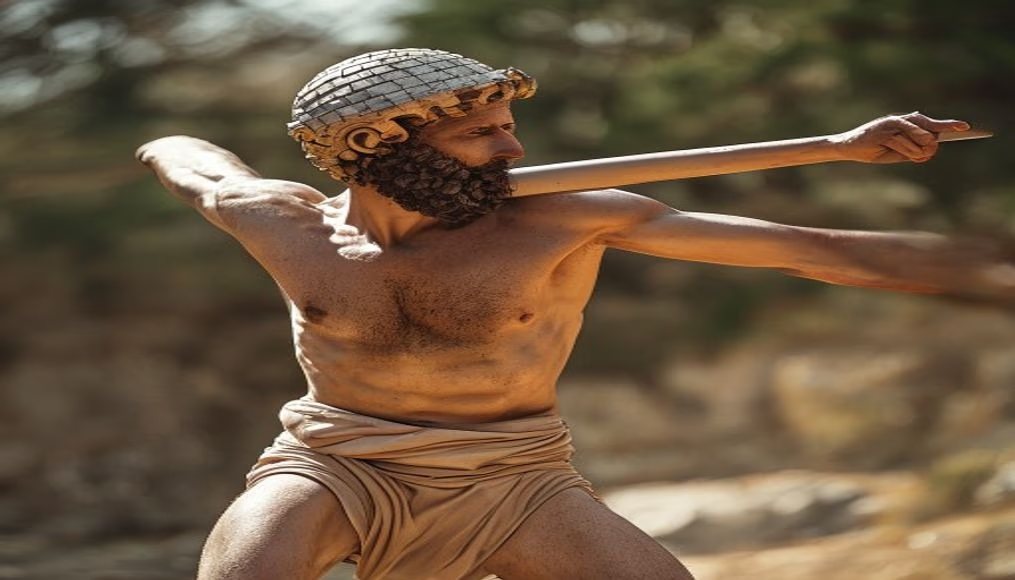
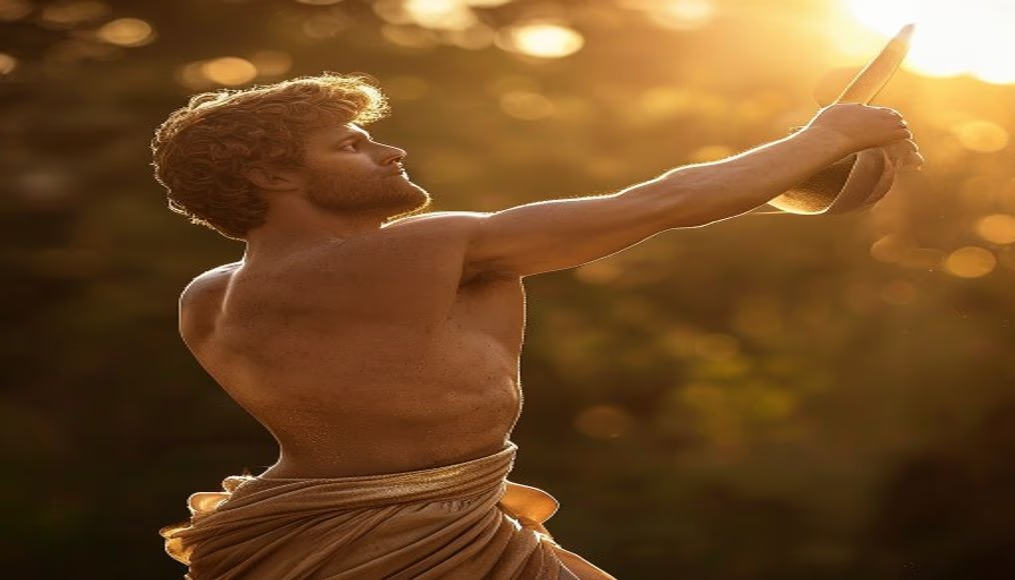
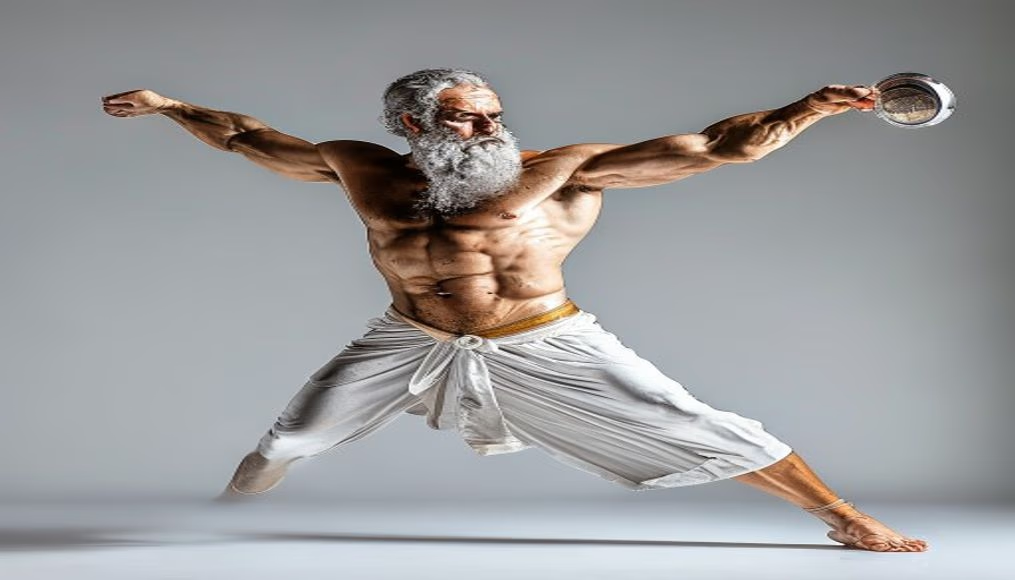
The Creation of Adam is Michelangelo's most famous fresco in the Sistine Chapel, a symbol of the Renaissance.
About this subject
The Creation of Adam is one of the most iconic frescoes on the ceiling of the Sistine Chapel, painted by Michelangelo between 1508 and 1512 under the commission of Pope Julius II. The scene depicts the biblical moment when God gives life to the first man, highlighting the almost touching fingers. The composition is marked by dynamic balance: God, draped in a cloak and accompanied by angels, extends his right arm toward Adam, who reclines inert on the ground. This gesture has become a universal icon of creativity and the relationship between the divine and human.
The detail of the hands that do not touch creates a visual tension symbolizing the imminence of life. Studies suggest Michelangelo drew inspiration from human anatomy and Neoplatonic elements, giving the scene philosophical depth. Adam's figure is portrayed with a sculptural body, reflecting the Renaissance ideal of beauty and proportion. God's figure appears to float over a reddish background, which some historians interpret as the shape of a human brain, suggesting the act of creation is also intellectual.
Michelangelo used the fresco technique, applying pigments onto wet plaster, requiring speed and precision. The Sistine Chapel ceiling measures about 40 meters in length and features over 300 figures. The Creation of Adam occupies the center panel, one of nine scenes from Genesis. The work was commissioned to reaffirm papal power and the centrality of the Catholic Church, but it transcended its religious purpose to become a landmark of Western art.
The work has influenced countless artists, from the Baroque to pop culture, being referenced in movies, logos, and memes. Its reproduction is among the most licensed worldwide, and the original fresco attracts millions of visitors annually to the Vatican. Michelangelo's mastery in depicting the human figure and visual narrative solidified the Creation of Adam as a timeless testament to creative genius.
Frequently Asked Questions
Why don't the fingers of God and Adam touch each other?
The gap symbolizes the imminent moment of life transfer, creating dramatic tension. It also reflects the Neoplatonic idea that the divine and human are separated by a gap that only grace can bridge.
What does the figure of Eve represent in the Creation of Adam?
Eve appears under God's left arm, not yet created but already idealized. Her presence suggests the complementarity of sexes and the divine plan for humanity.
Where exactly is the Creation of Adam located in the Sistine Chapel?
It is on the ceiling's center of the Sistine Chapel in Vatican City, the fourth scene in the nine-panel Genesis series. The ceiling is about 20 meters high and can be viewed during guided tours.
Direct URL
https://pub-c7d6a6ea828543ac903a74a341ccb2e1.r2.dev/imagens/creation-adam-michelangelo-aerial-drone-shot-p8.avifHow to credit
Include a visible link back to UtilizAí. Copy one of the snippets below:
<a href="https://xn--utiliza-eza.com/en/midia/imagens/creation-adam-michelangelo-aerial-drone-shot-p8">Creation adam michelangelo</a> by <a href="https://xn--utiliza-eza.com">UtilizAí</a>, licensed under <a href="https://creativecommons.org/licenses/by/4.0/">CC BY 4.0</a>.
[Creation adam michelangelo](https://xn--utiliza-eza.com/en/midia/imagens/creation-adam-michelangelo-aerial-drone-shot-p8) by [UtilizAí](https://xn--utiliza-eza.com), CC BY 4.0
License: CC-BY-4.0