Chanterelle yellow forest
1344×768 · AVIF · CC BY 4.0
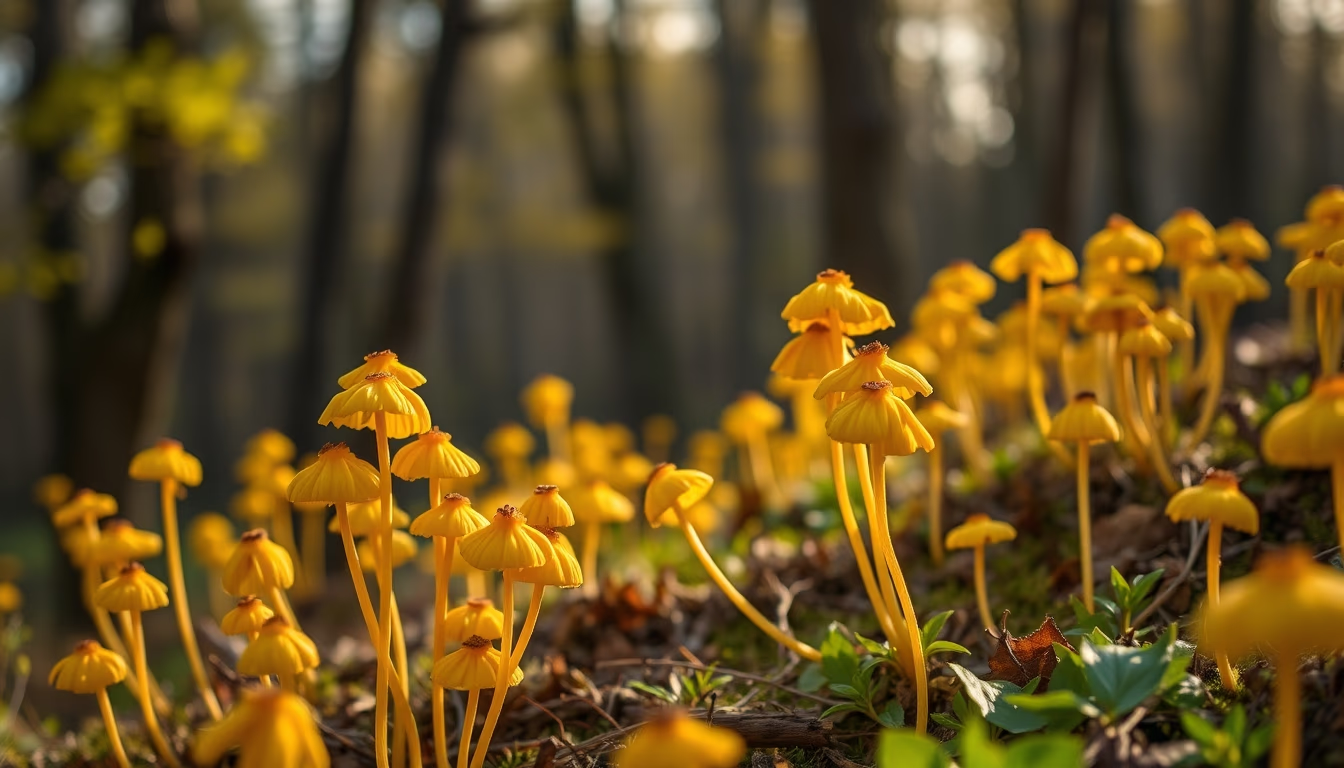
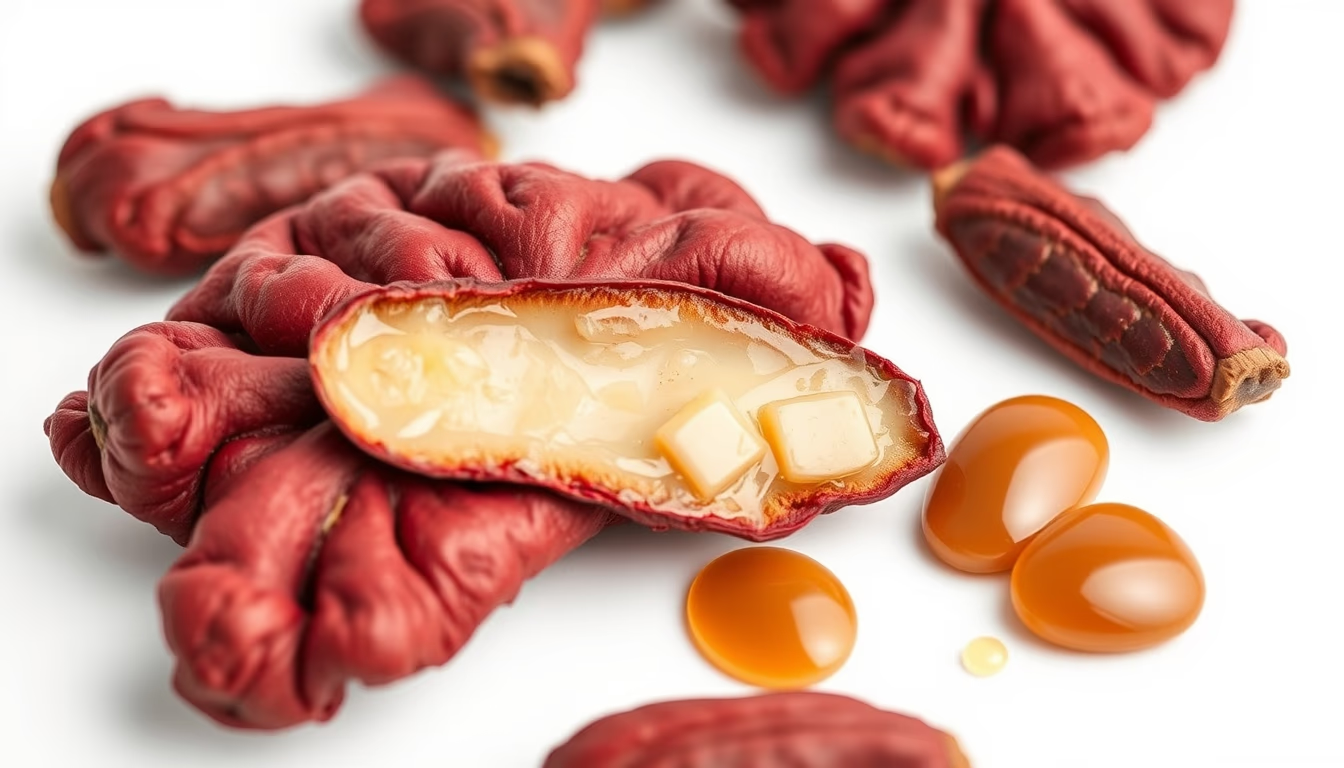
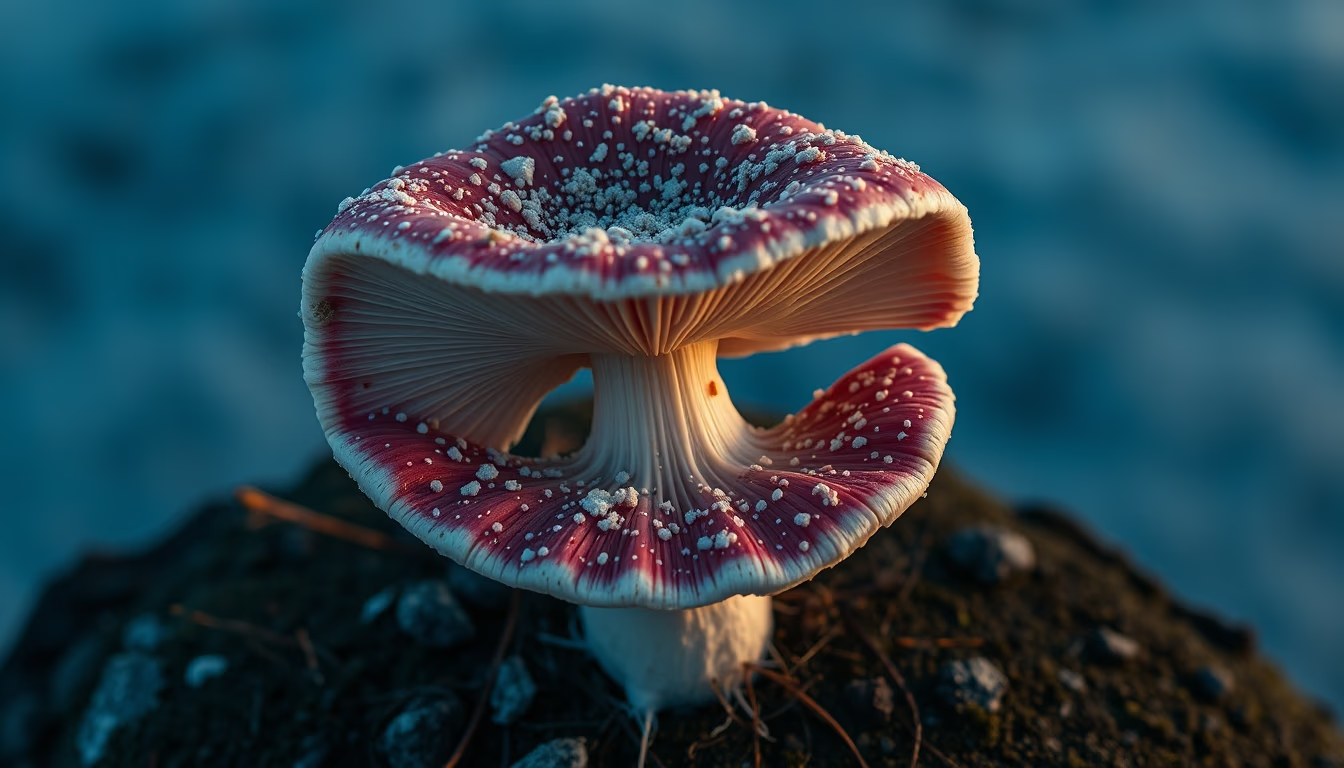
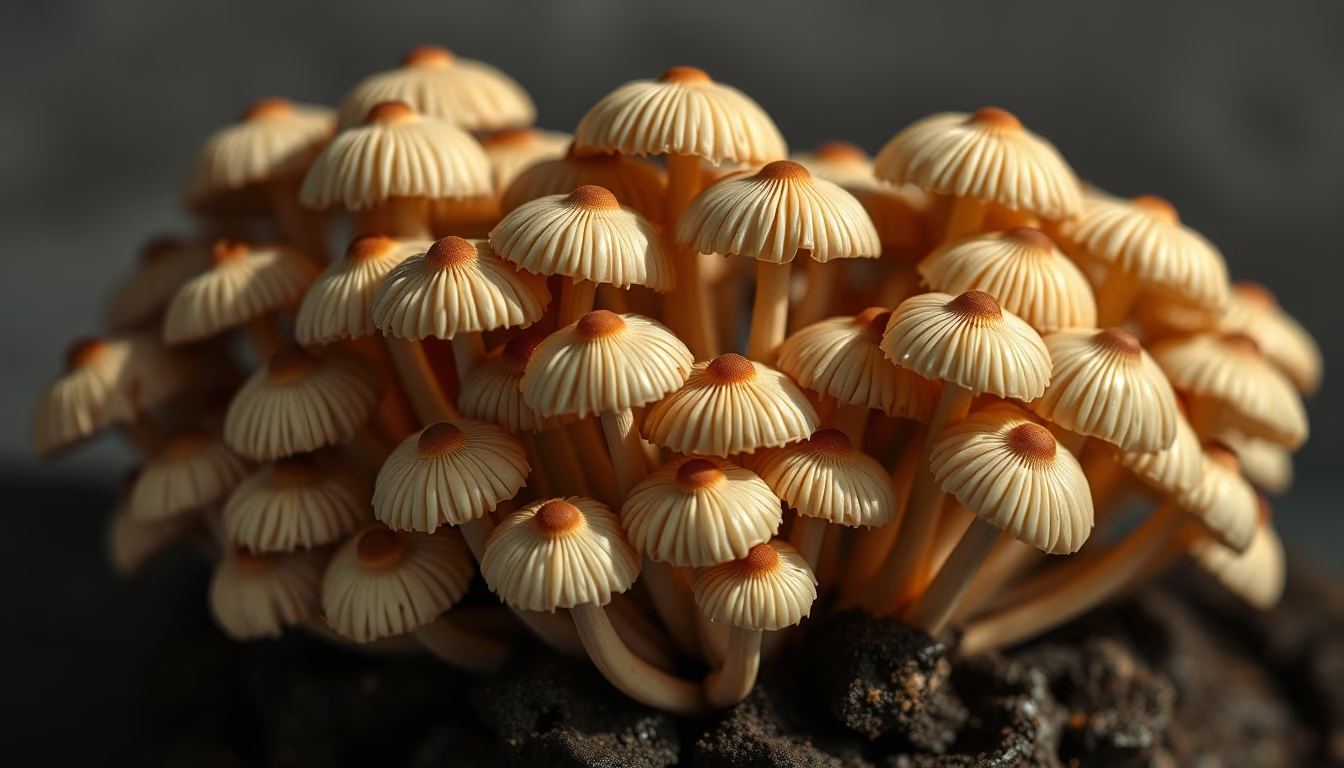
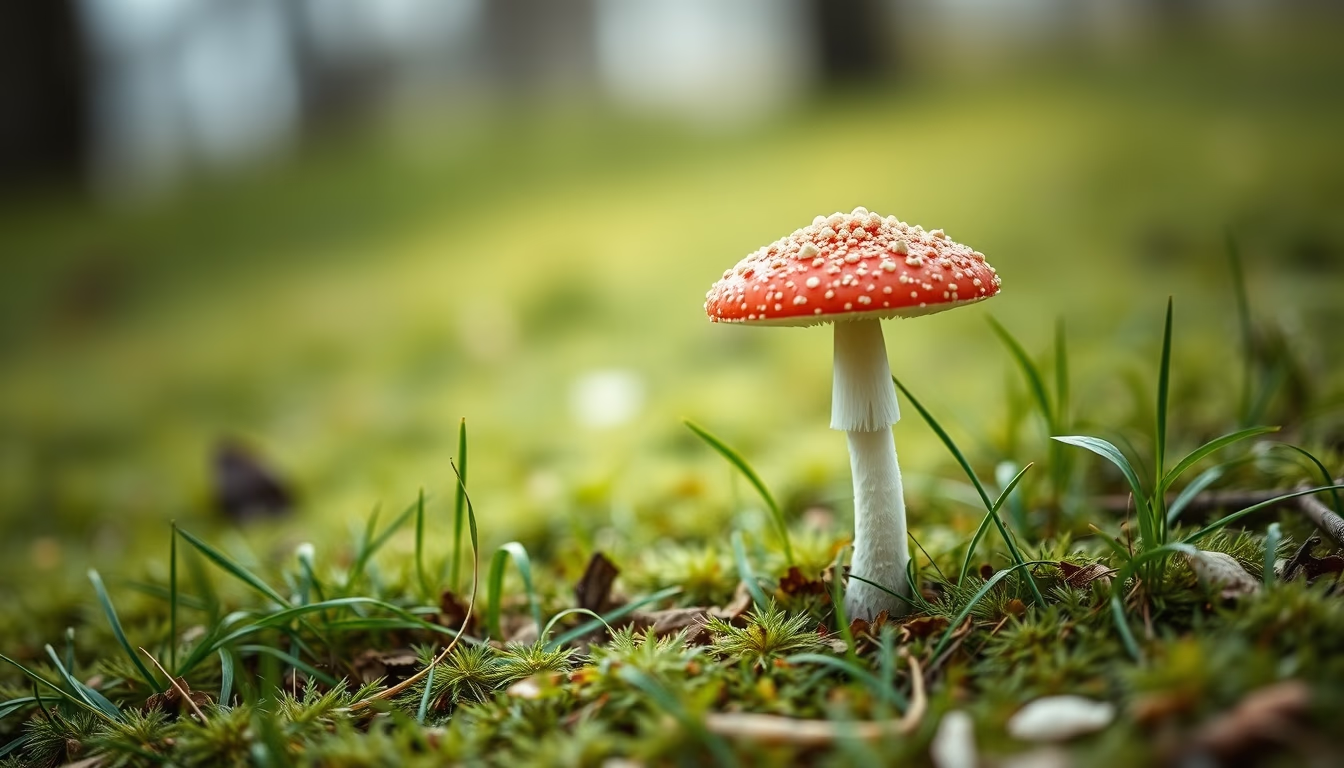
Chanterelle mushrooms (Cantharellus cibarius) in a yellow forest during autumn, one of the most prized wild mushrooms in global cuisine.
About this subject
Chanterelle mushrooms, scientifically known as Cantharellus cibarius, are mycorrhizal fungi that form symbiotic associations with tree roots, especially oaks, beeches, and pines. Their golden-yellow to vibrant orange coloration makes them easy to spot among the leaf litter of temperate forests. The term "yellow forest" may refer to the autumn hue of leaves, contrasting with the mushrooms' gold, or to tree species with yellowish foliage, such as some birches. Chanterelles are found on every continent except Antarctica, notably in North America, Europe, and Asia. In Brazil, they occur mainly in the South and Southeast regions, associated with Araucaria trees and pine plantations.
Harvesting chanterelles is a seasonal tradition that attracts foragers and chefs. They emit a fruity aroma, often described as apricot or peach, and have a mildly peppery taste when raw, turning sweet and earthy after cooking. Because they are mycorrhizal, they cannot be cultivated on a large scale, which increases their market value. Prices can range from $30 to $50 per kilogram in the US, depending on the season and region.
An interesting fact is that true chanterelles have false gills (ridges) that run down the stem, unlike toxic lookalikes such as Omphalotus olearius, which has true gills and bioluminescence. Correct identification is crucial, as some yellow mushrooms can be poisonous. Autumn is the main fruiting season, when moisture and mild temperatures favor growth. In many cultures, chanterelle foraging is a family activity that connects people to nature and seasonal eating.
Photographing mushrooms in natural settings, like a yellow forest, highlights the ephemeral beauty of these organisms. They play a vital role in decomposing organic matter and cycling nutrients in the soil. Beyond culinary value, studies indicate antioxidant and anti-inflammatory properties in chanterelle extracts, though consumption is primarily for gastronomy. Preserving their habitats is essential to ensure the continuity of these species and sustainable harvesting traditions.
Frequently Asked Questions
How to identify a true chanterelle?
A true chanterelle has a golden-yellow to orange color, a funnel shape, wavy margins, and false gills (ridges) that run down the stem. Its fruity apricot aroma is a key characteristic.
Where do chanterelles grow in Brazil?
In Brazil, chanterelles are found mainly in the South and Southeast regions, in forests with Araucaria, pine, and oak trees. They fruit in autumn and early winter, from May to July.
Why are chanterelles expensive?
They are expensive because they are wild and cannot be cultivated on a large scale due to their mycorrhizal relationship with trees. Manual harvesting and high demand in gastronomy drive up the price.
Direct URL
https://pub-c7d6a6ea828543ac903a74a341ccb2e1.r2.dev/imagens/chanterelle-yellow-forest-travel-photography-p1.avifHow to credit
Include a visible link back to UtilizAí. Copy one of the snippets below:
<a href="https://xn--utiliza-eza.com/en/midia/imagens/chanterelle-yellow-forest-travel-photography-p1">Chanterelle yellow forest</a> by <a href="https://xn--utiliza-eza.com">UtilizAí</a>, licensed under <a href="https://creativecommons.org/licenses/by/4.0/">CC BY 4.0</a>.
[Chanterelle yellow forest](https://xn--utiliza-eza.com/en/midia/imagens/chanterelle-yellow-forest-travel-photography-p1) by [UtilizAí](https://xn--utiliza-eza.com), CC BY 4.0
License: CC-BY-4.0