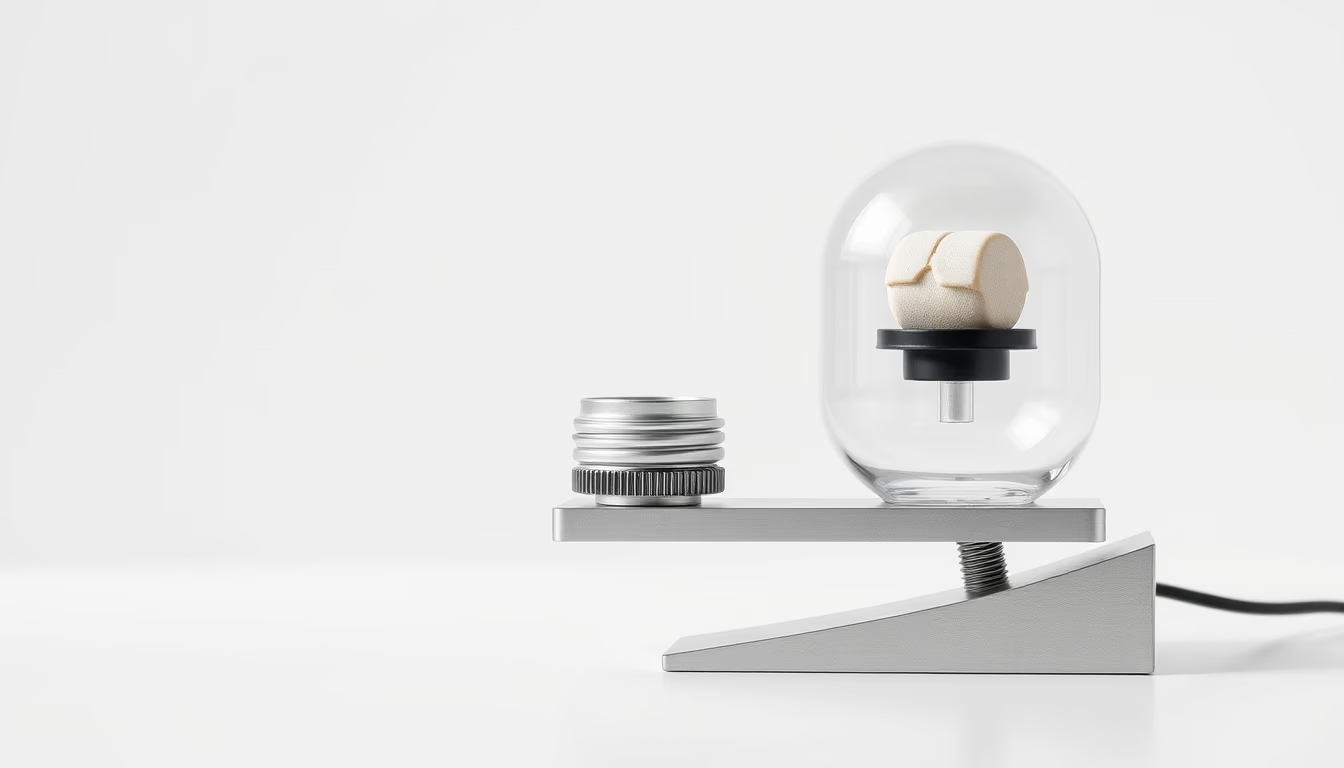
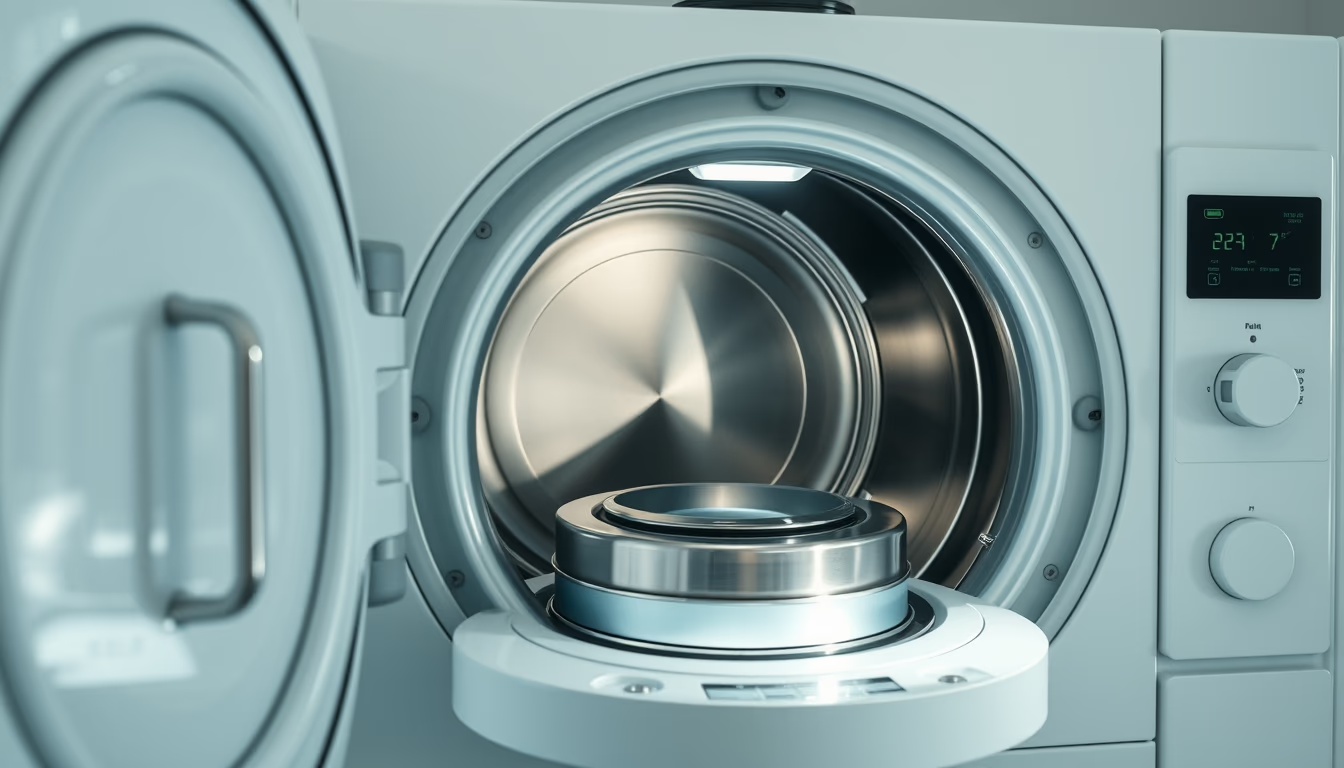
Centrifuge tubes spinning
1344×768 · AVIF · CC BY 4.0

Centrifuges are essential lab equipment, separating components of liquid samples by centrifugal force.
About this subject
Centrifuge tubes, also known as conical tubes or microtubes, are containers designed to withstand high centrifugal forces during rotation in a centrifuge. They are mainly made of polypropylene or polystyrene, materials that offer chemical and mechanical resistance. Common volumes range from 0.2 mL to 50 mL, with shapes that facilitate particle sedimentation in the conical bottom. The choice of tube depends on the sample type and rotation speed: microcentrifuge tubes are used for small volumes of DNA, RNA, or proteins, while 15 mL and 50 mL conical tubes are standard in cell culture and blood processing.
The working principle is based on accelerated sedimentation: when spinning at high speed, centrifugal force pushes denser particles to the bottom of the tube, forming a pellet. Factors such as rotor radius and speed (RPM) determine the relative centrifugal force (RCF), measured in g. For example, a typical benchtop centrifuge reaches 3,000 to 15,000 g, while ultracentrifuges exceed 100,000 g, capable of separating cell organelles or viruses. Precise balancing of tubes within the rotor is critical to avoid vibrations and equipment damage.
In the Brazilian context, clinical laboratories, hospitals, and universities use centrifuges for blood, urine, and other analyses. Centrifugation is a key step in plasma extraction, serum separation, and biomolecule purification. Biosafety standards like NR-32 guide the use of screw-cap tubes and proper decontamination after use. Interestingly, the term "centrifuge" was coined by French physicist Antoine Laurent Lavoisier, although practical applications first emerged in the 19th century for separating cream from milk.
Frequently Asked Questions
What is a laboratory centrifuge used for?
It separates components of a liquid sample based on density, sedimenting particles at the bottom of the tube. It is used in clinical analysis, molecular biology, and chemistry.
What are the most common types of centrifuge tubes?
Microtubes from 0.2 to 2 mL for small samples, and conical tubes of 15 mL and 50 mL for larger volumes. They vary in material (polypropylene or polystyrene) and ability to withstand g-forces.
How do you calculate relative centrifugal force (RCF)?
RCF = 1.118 × radius (cm) × (RPM/1000)². This value in g is more accurate than RPM for comparing results across different centrifuges.
Direct URL
https://pub-c7d6a6ea828543ac903a74a341ccb2e1.r2.dev/imagens/centrifuge-tubes-spinning-studio-still-life-fresh9.avifHow to credit
Include a visible link back to UtilizAí. Copy one of the snippets below:
<a href="https://xn--utiliza-eza.com/en/midia/imagens/centrifuge-tubes-spinning-studio-still-life-fresh9">Centrifuge tubes spinning</a> by <a href="https://xn--utiliza-eza.com">UtilizAí</a>, licensed under <a href="https://creativecommons.org/licenses/by/4.0/">CC BY 4.0</a>.
[Centrifuge tubes spinning](https://xn--utiliza-eza.com/en/midia/imagens/centrifuge-tubes-spinning-studio-still-life-fresh9) by [UtilizAí](https://xn--utiliza-eza.com), CC BY 4.0
License: CC-BY-4.0