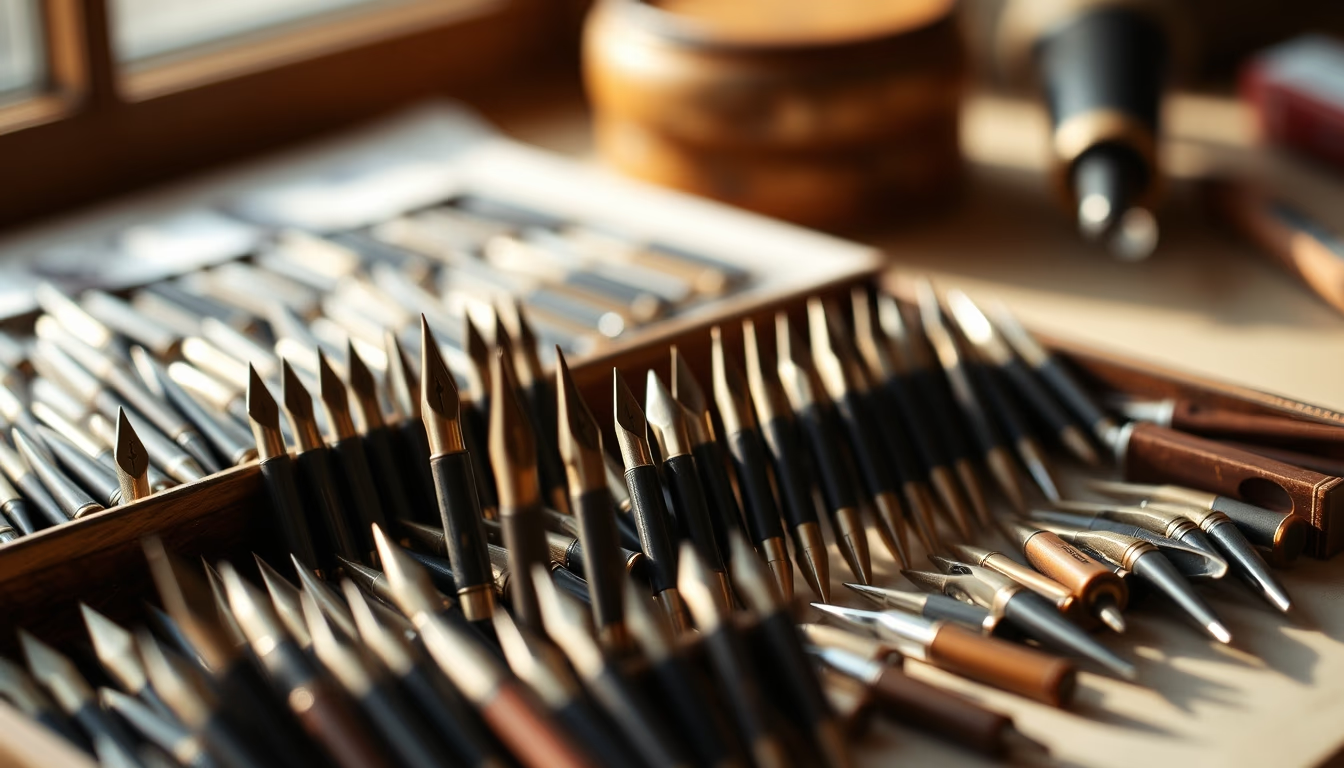
Calligraphy nibs collection
1344×768 · AVIF · CC BY 4.0
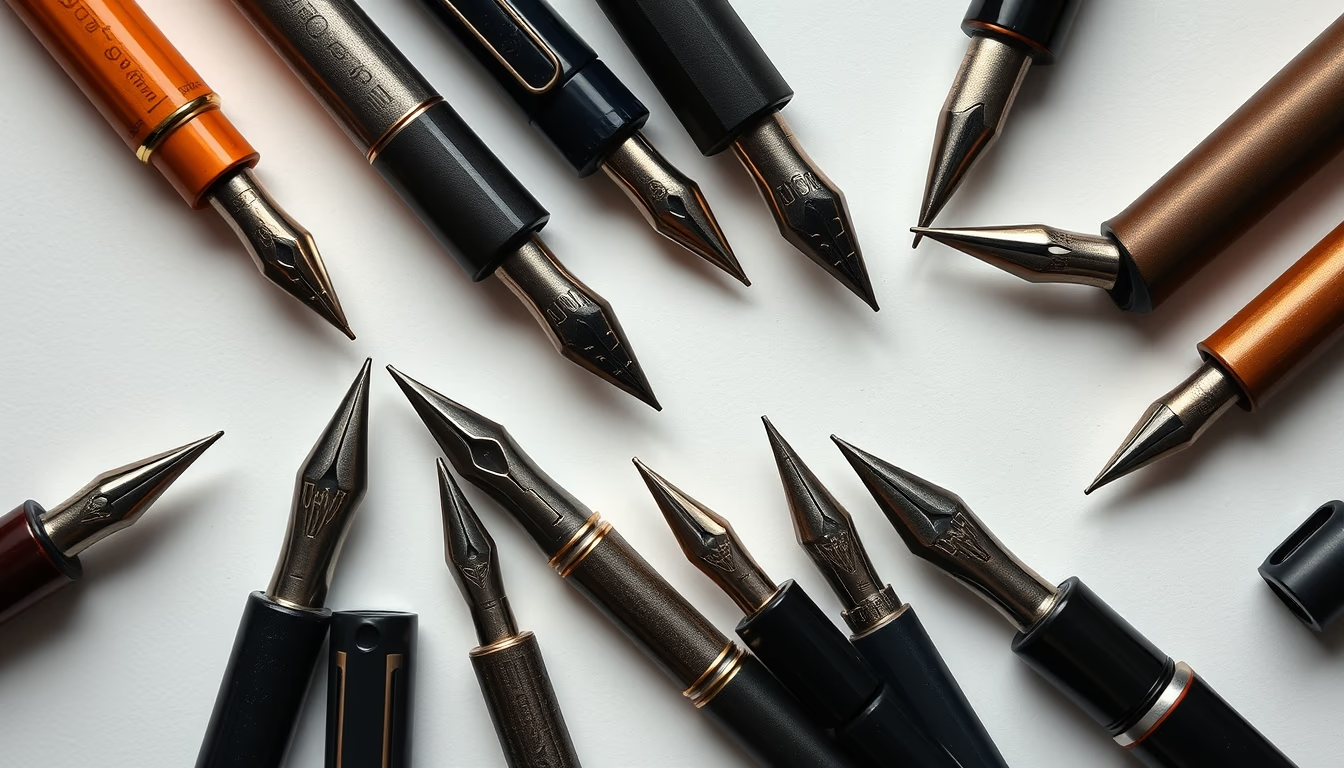
Calligraphy nibs are metal tips that enable varied strokes, essential for the art of hand lettering and beautiful writing.
About this subject
Calligraphy nibs are the metallic tips that attach to pen holders, used for creating decorative handwriting and lettering. Historically made from quills, modern nibs are crafted from stainless steel, brass, or gold, each offering different levels of flexibility and line variation. The most common types are broad-edge nibs for italic and gothic scripts, and pointed flex nibs for copperplate and Spencerian styles. Beginners often start with stiff steel nibs like the Nikko G or Tachikawa G, which provide consistent ink flow and durability, while advanced calligraphers prefer gold nibs such as those from Hunt or Brause for their responsive flex.
Selecting the right nib involves considering the script style, paper texture, and ink consistency. A fine nib (EF) suits intricate details, while a broader nib (B) works for large, bold letters. Nibs require regular cleaning to prevent clogging; dipping in water and wiping with a soft cloth after each session extends their lifespan. Many calligraphers also modify nibs by grinding the tip to achieve specific custom strokes.
Globally, calligraphy nibs are produced by renowned manufacturers: Leonardt (England), Hiro (Japan), and Brause (Germany). The hobby saw a revival with the rise of bullet journaling and DIY wedding invitations. In countries like Japan, nibs are used for shodo (calligraphy) with sumi ink, while in the West they are popular for envelope addressing and art prints. A little known fact is that pressure-sensitive nibs can create hairlines and swells, mimicking the natural dynamics of bird feathers. The tactile feedback and ink pooling influence the final aesthetic, making each piece unique.
Frequently Asked Questions
What is the best nib for a calligraphy beginner?
The best nib for beginners is a medium-flex steel nib like the Nikko G or Leonardt EF Principal, which offers control and consistent ink flow.
How do I clean and maintain calligraphy nibs?
Rinse the nib with water after each use and dry immediately with a soft cloth. For rust, use white vinegar or a gentle abrasive. Never let ink dry on the nib.
Which ink should I use with calligraphy nibs?
Water-based india ink is recommended for its flow and opacity. Avoid acrylic or oil-based inks, as they can clog the nib or cause skipping.
Direct URL
https://pub-c7d6a6ea828543ac903a74a341ccb2e1.r2.dev/imagens/calligraphy-nibs-collection-isometric-flat-lay-fresh14.avifHow to credit
Include a visible link back to UtilizAí. Copy one of the snippets below:
<a href="https://xn--utiliza-eza.com/en/midia/imagens/calligraphy-nibs-collection-isometric-flat-lay-fresh14">Calligraphy nibs collection</a> by <a href="https://xn--utiliza-eza.com">UtilizAí</a>, licensed under <a href="https://creativecommons.org/licenses/by/4.0/">CC BY 4.0</a>.
[Calligraphy nibs collection](https://xn--utiliza-eza.com/en/midia/imagens/calligraphy-nibs-collection-isometric-flat-lay-fresh14) by [UtilizAí](https://xn--utiliza-eza.com), CC BY 4.0
License: CC-BY-4.0