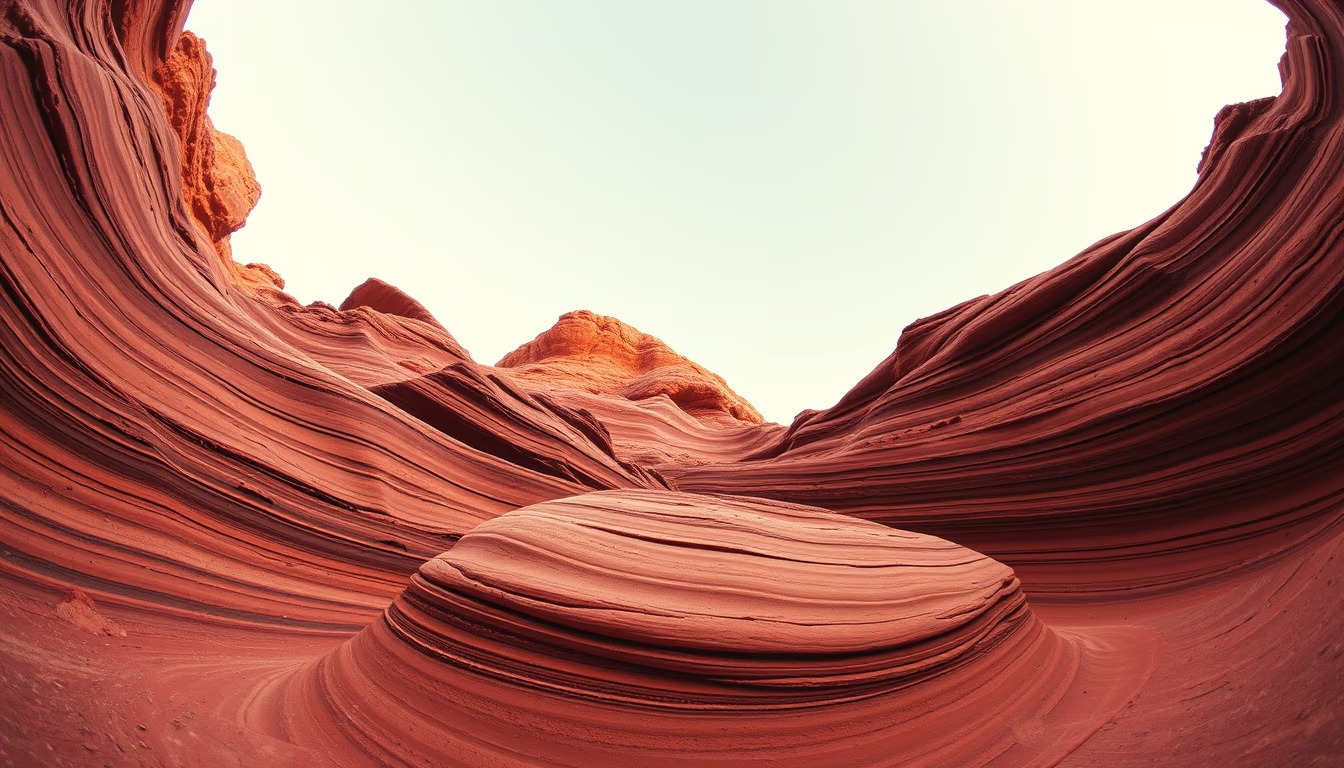
Basalt columnar formations
1344×768 · AVIF · CC BY 4.0
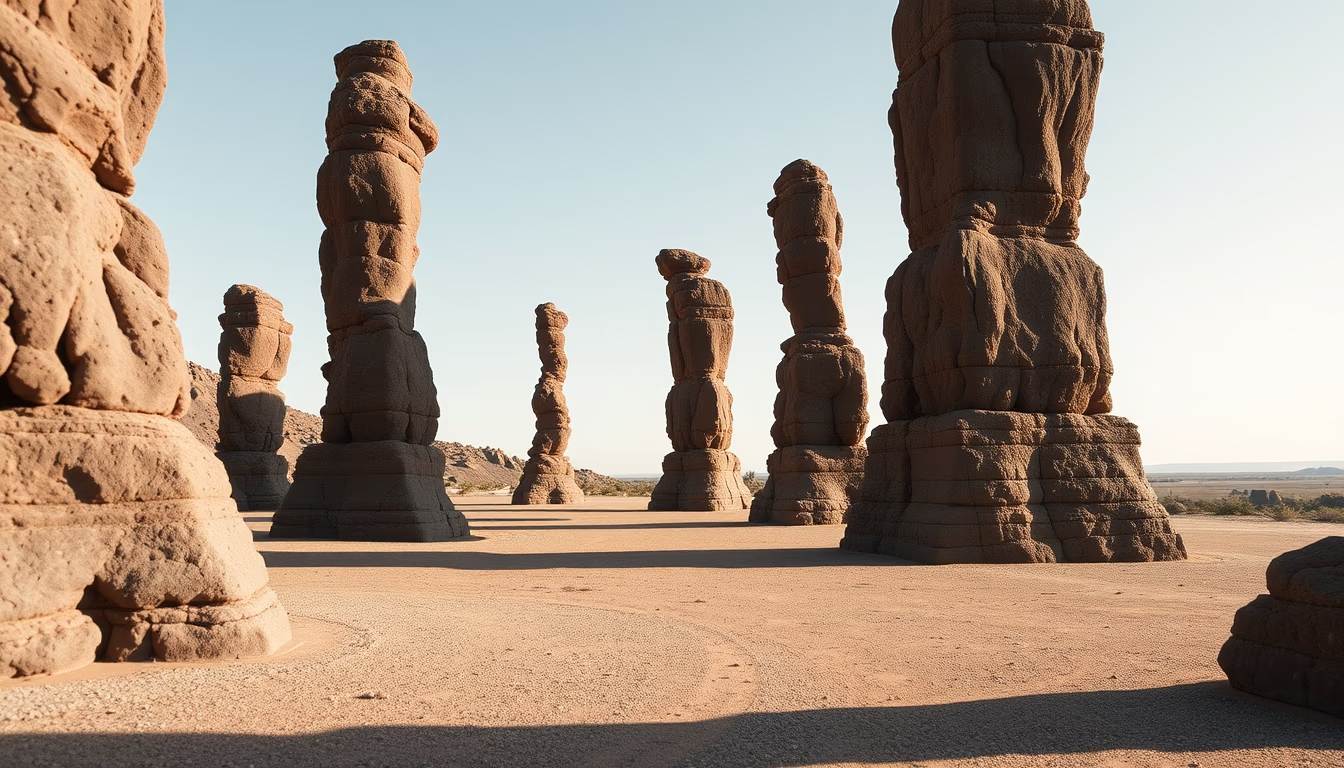
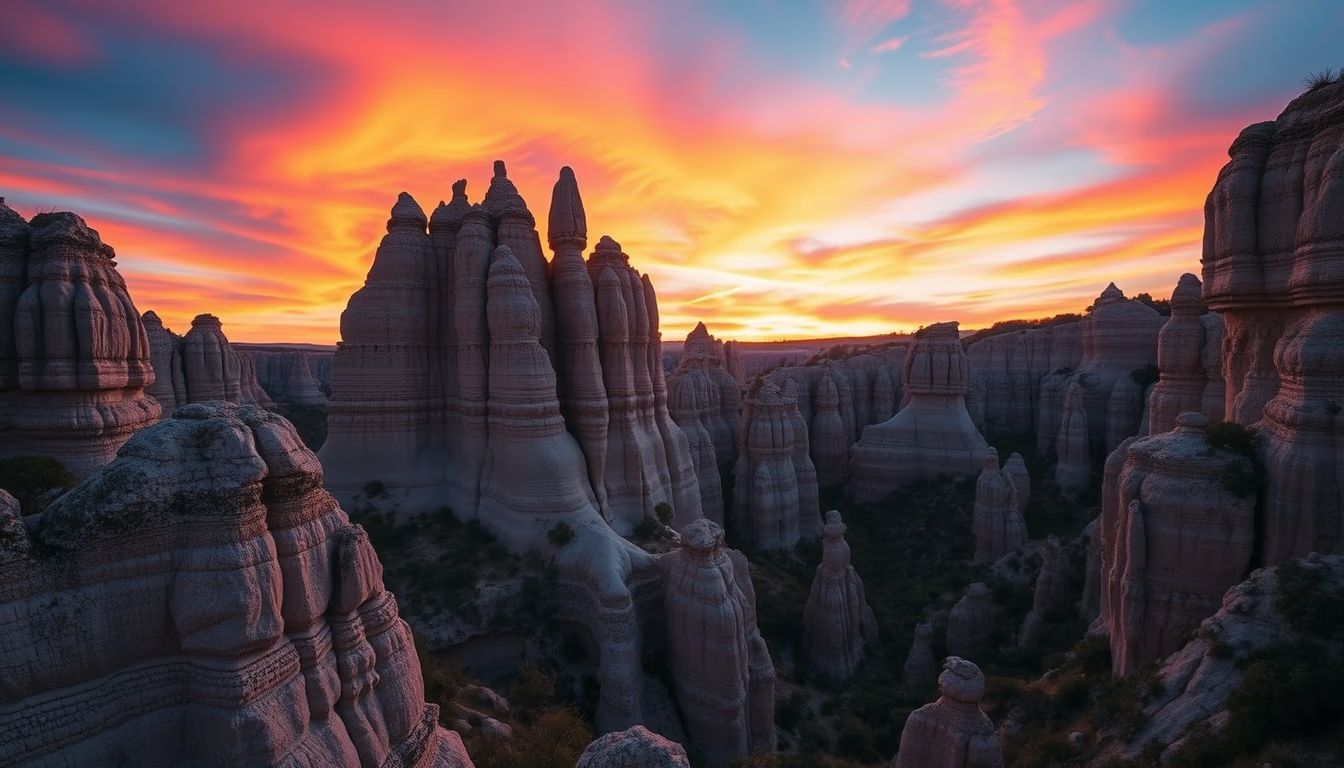
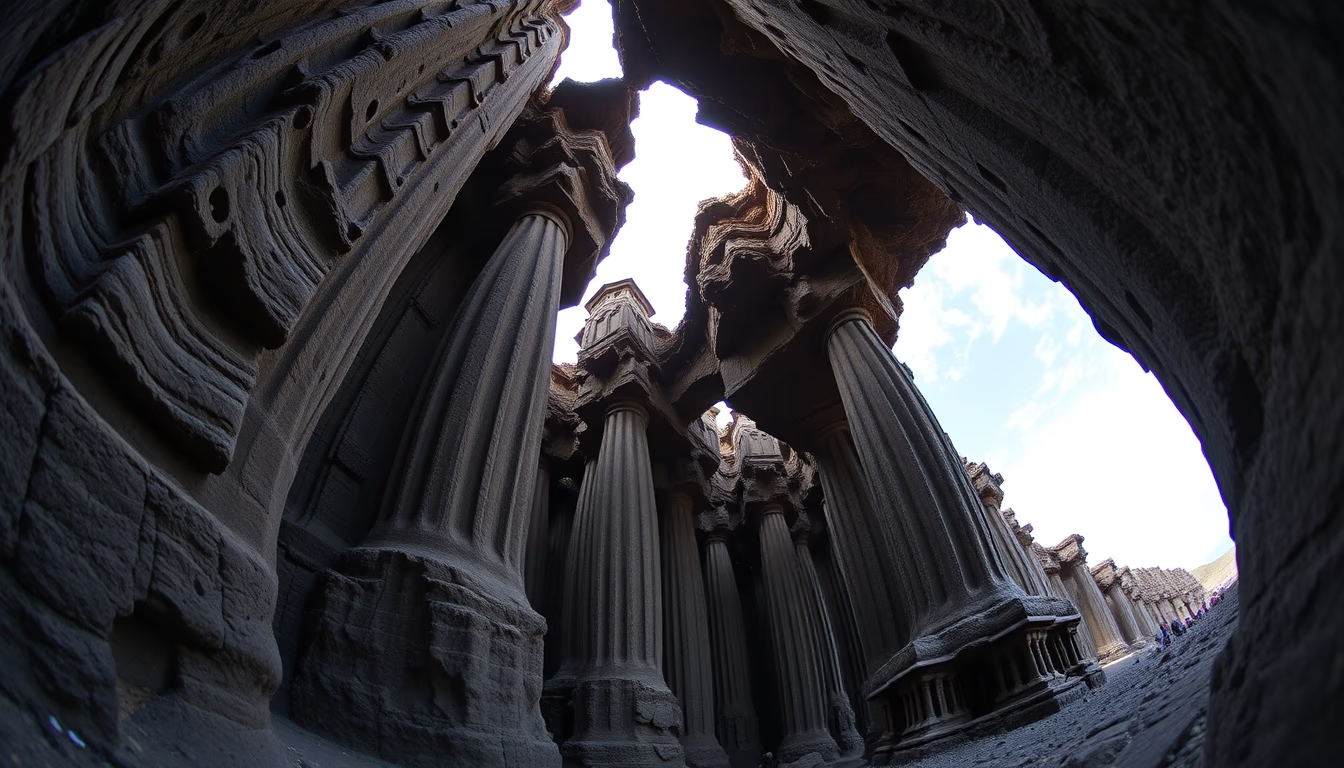
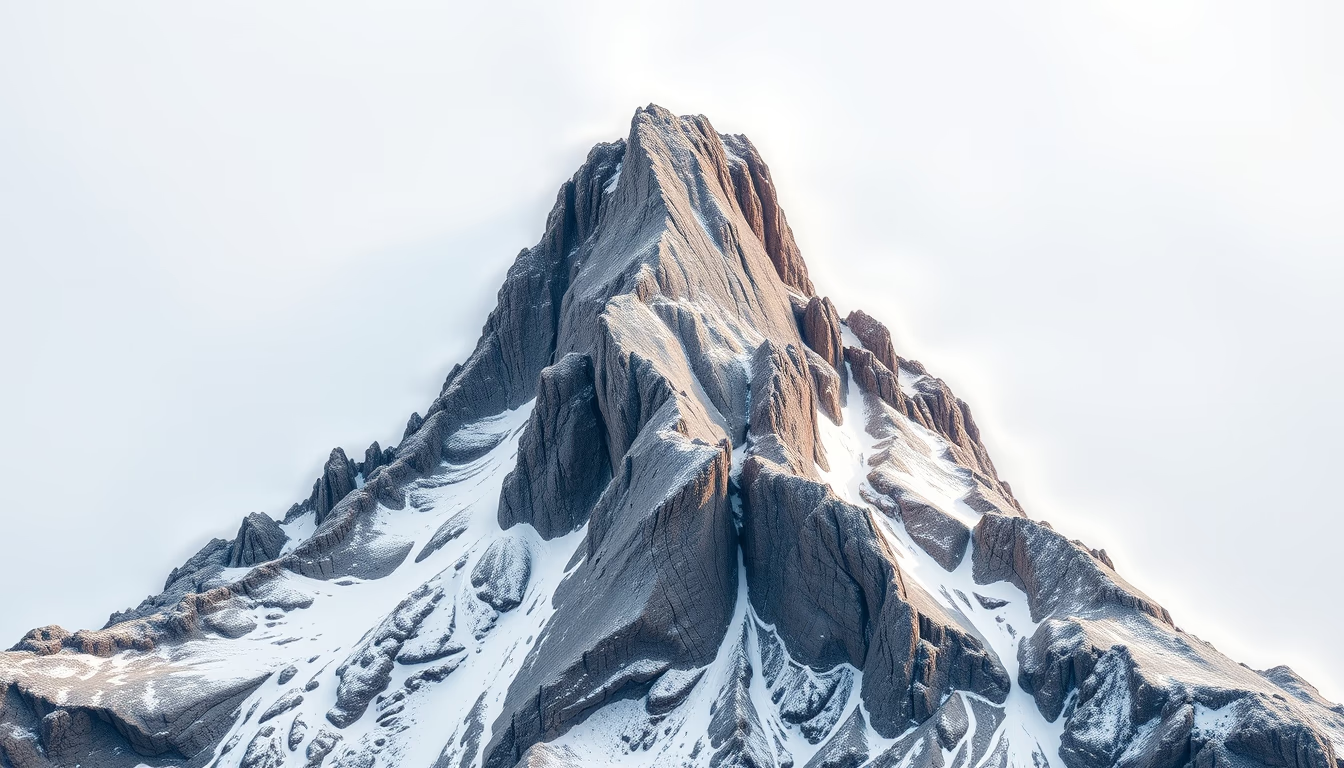
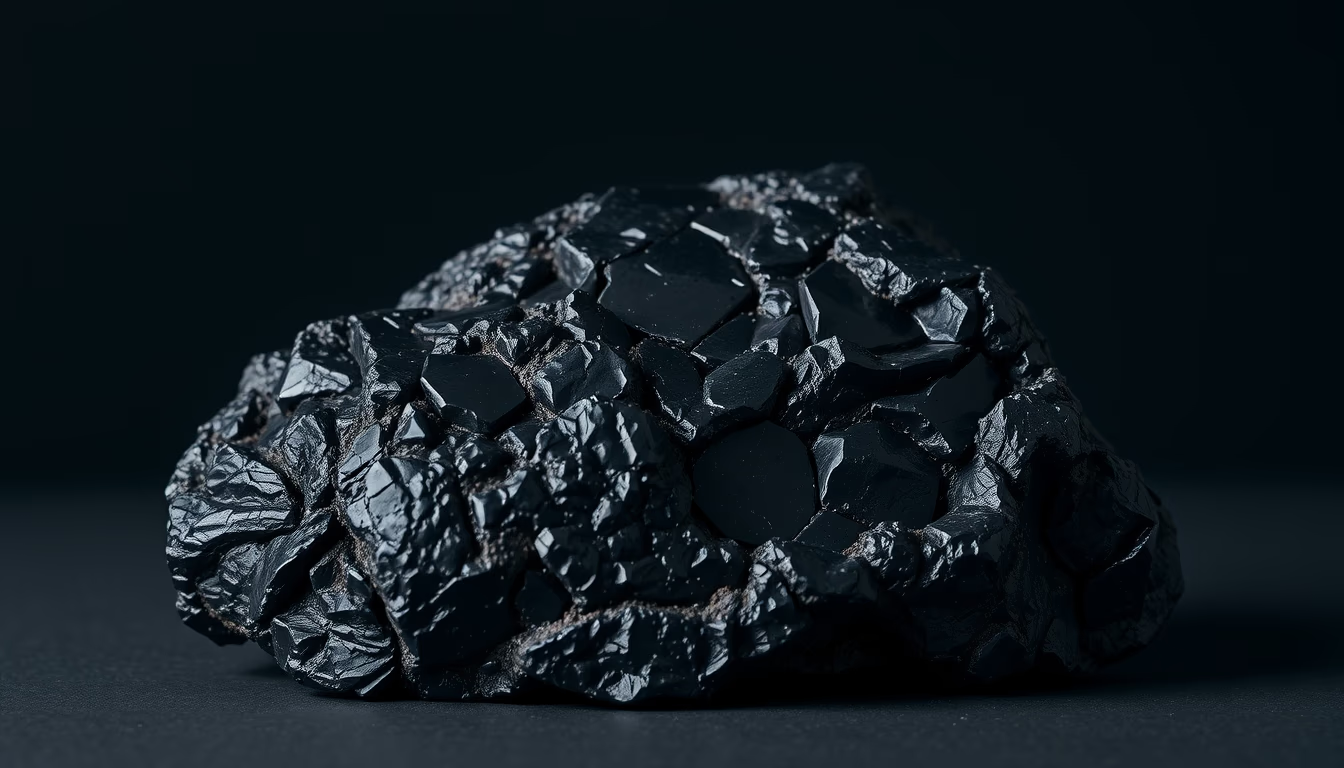
Basalt columnar formations are striking geological structures created by the slow cooling of lava, resulting in perfect hexagonal pillars.
About this subject
Basalt columnar formations are a fascinating geological phenomenon resulting from the slow cooling and contraction of basaltic lava flows. As the lava cools uniformly, it contracts and fractures at 120-degree angles, forming polygonal columns, typically hexagonal. This process is similar to dried mud cracking but on a much larger scale and with remarkable regularity.
These structures can be found worldwide, with the most famous example being the Giant's Causeway in Northern Ireland, featuring about 40,000 basalt columns extending into the sea. Other notable locations include Fingal's Cave in Scotland, the Samaria Gorge in Crete, and the Petrified Forest National Park in Arizona, USA. In Brazil, occurrences exist in regions like the Serra Geral in the south, though exposures are less known.
The columns typically range from a few centimeters to several meters in diameter and can reach dozens of meters in height. The geometric precision of these formations has inspired myths and legends across cultures. The Irish believed the Giant's Causeway was built by the giant Finn McCool. In architecture and design, the hexagonal pattern of columnar basalt is often replicated for its minimalist aesthetics and natural symmetry.
Beyond aesthetic value, columnar formations are crucial for studying ancient volcanic activity and Earth's geological history. They provide clues about the cooling rate of magma and the physical properties of igneous rocks. Today, they are significant tourist and geotourism attractions, combining science, natural beauty, and cultural heritage.
Frequently Asked Questions
How do basalt columns form?
They form when basaltic lava cools slowly and uniformly. The contraction during cooling creates fractures at 120-degree angles, resulting in typically hexagonal columns.
Where can I see basalt columnar formations?
Famous locations include the Giant's Causeway in Northern Ireland, Fingal's Cave in Scotland, Devil's Postpile in California, and the Samaria Gorge in Crete.
Are basalt columns always hexagonal?
Most are hexagonal, but pentagonal, heptagonal, and other polygonal shapes also occur. The hexagonal shape is the most efficient for stress relief during cooling.
Direct URL
https://pub-c7d6a6ea828543ac903a74a341ccb2e1.r2.dev/imagens/basalt-columnar-formations-minimalist-composition-fresh6.avifHow to credit
Include a visible link back to UtilizAí. Copy one of the snippets below:
<a href="https://xn--utiliza-eza.com/en/midia/imagens/basalt-columnar-formations-minimalist-composition-fresh6">Basalt columnar formations</a> by <a href="https://xn--utiliza-eza.com">UtilizAí</a>, licensed under <a href="https://creativecommons.org/licenses/by/4.0/">CC BY 4.0</a>.
[Basalt columnar formations](https://xn--utiliza-eza.com/en/midia/imagens/basalt-columnar-formations-minimalist-composition-fresh6) by [UtilizAí](https://xn--utiliza-eza.com), CC BY 4.0
License: CC-BY-4.0