Basalt columnar formations
1344×768 · AVIF · CC BY 4.0
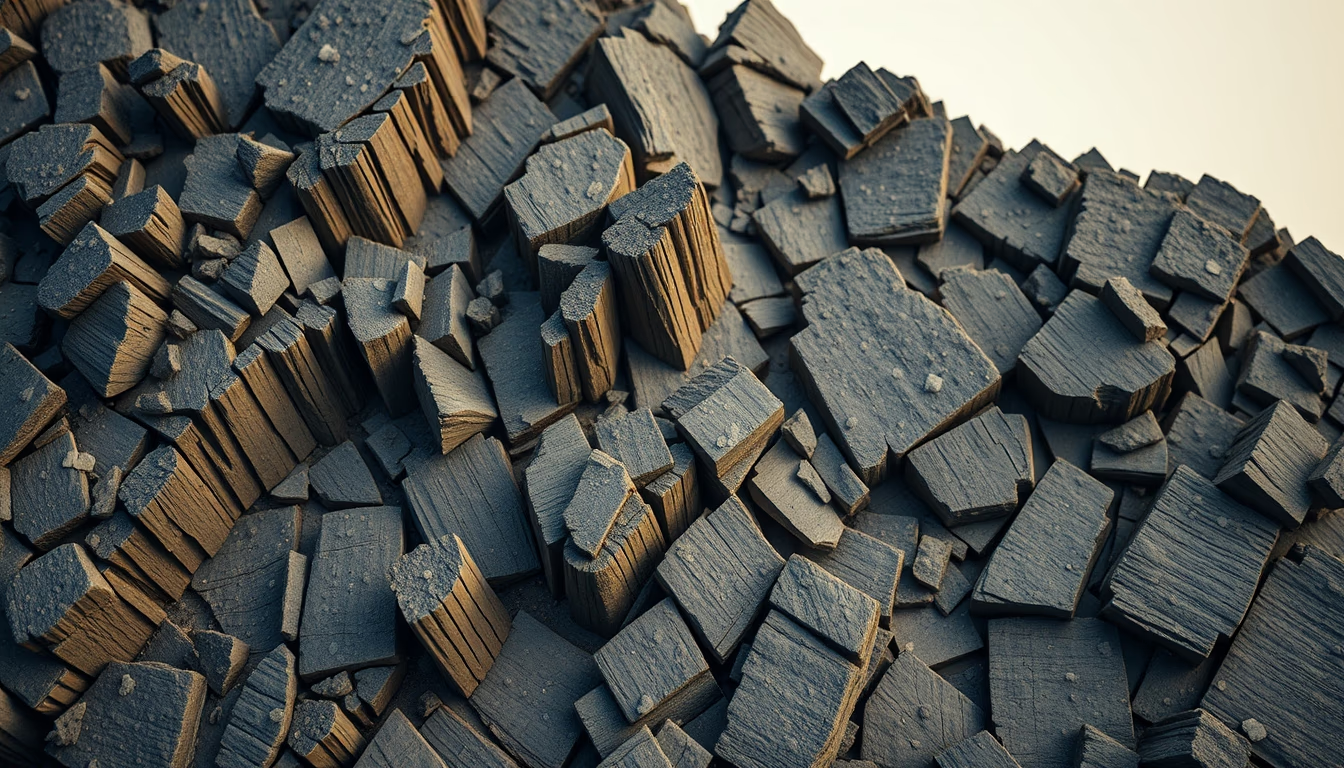
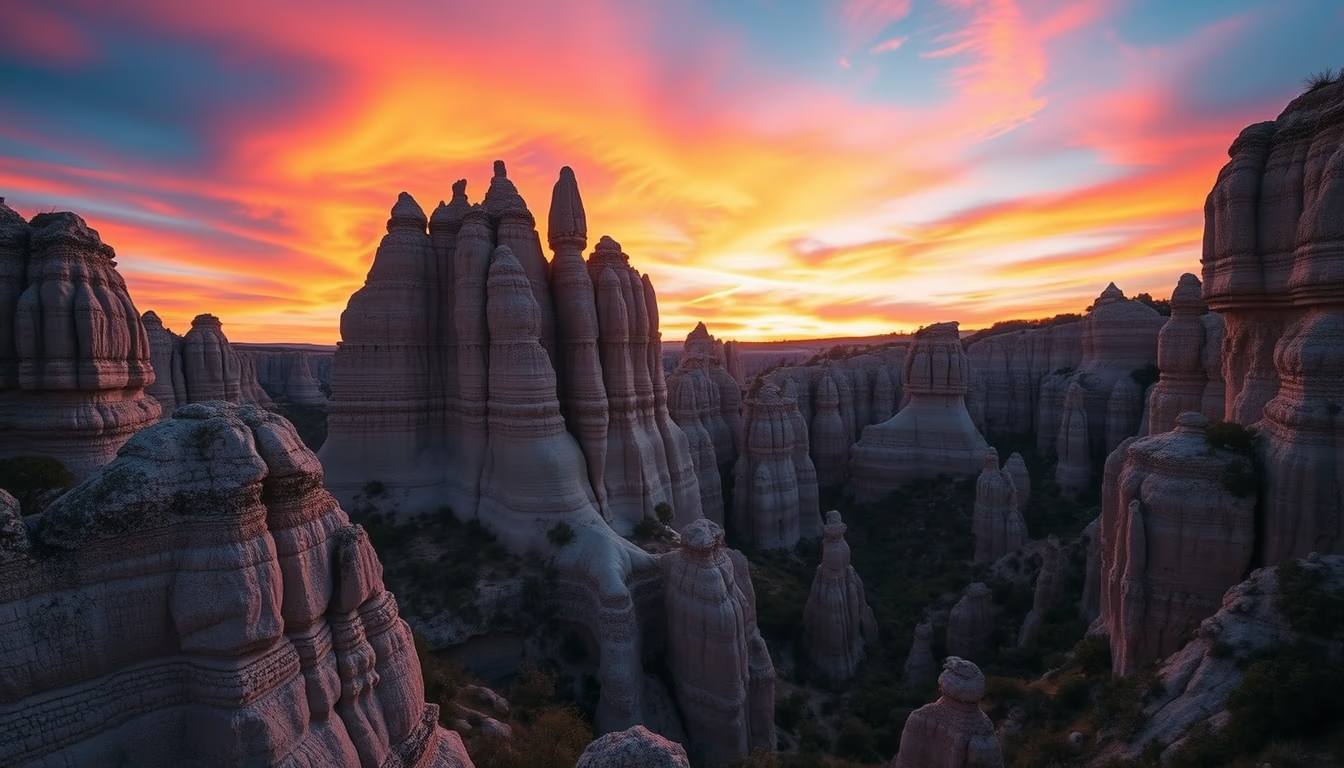
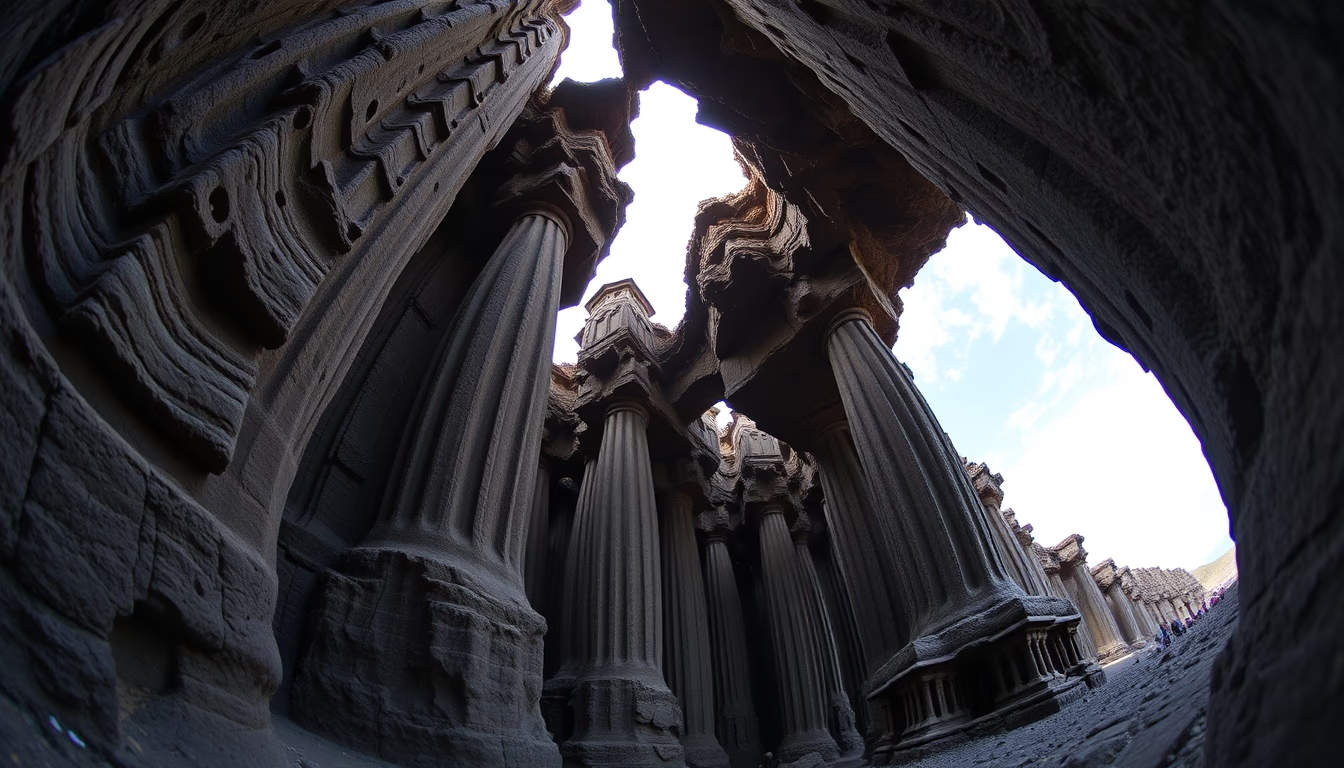
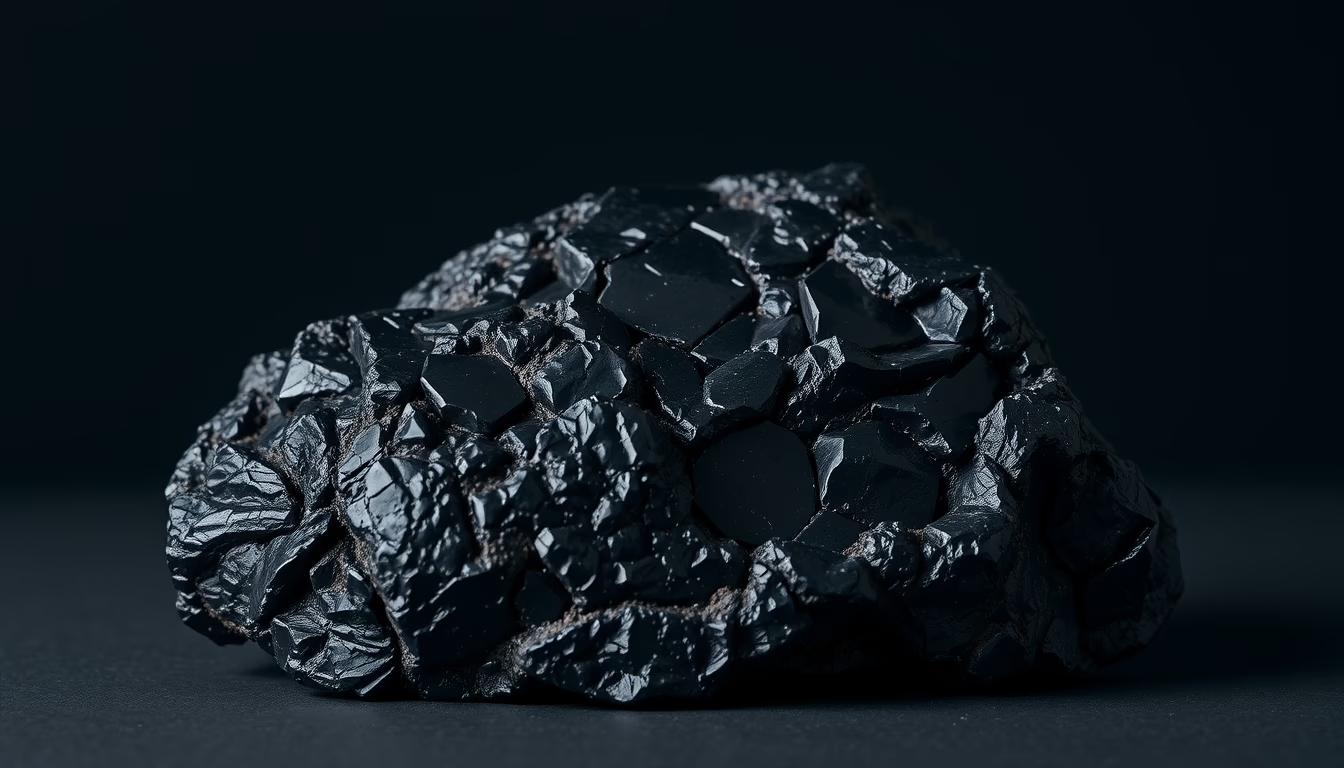
Basalt columns are geometric rock formations created by slow cooling of lava, with iconic examples like Giant's Causeway in Ireland.
About this subject
Basalt columns are rock formations resulting from the cooling and contraction of basaltic lava. When a large lava flow cools uniformly, it fractures into polygonal columns, most commonly six-sided. This process, known as columnar jointing, occurs at specific depths and cooling rates, creating impressive patterns that can reach tens of meters in height.
These formations are found worldwide, including at Giant's Causeway in Northern Ireland, a UNESCO World Heritage site, and Devil's Tower in the United States, the first national monument. In Brazil, examples exist in Rio Grande do Sul, such as the Aparados da Serra, and in São Paulo at Pedra do Baú. Columns are also common on volcanic islands like Iceland and the Canary Islands.
Beyond their geological value, basalt columns have cultural and architectural significance. In antiquity, they were used as building material, for instance in the Temple of Hera in Greece. Today, they inspire artworks, sculptures, and design projects, such as pavements and facades mimicking hexagonal shapes. The phenomenon attracts tourists and geologists alike, who study the dynamics of magmatic cooling.
Interestingly, the height and diameter of columns can vary depending on magma composition and cooling rate. In places like Giant's Causeway, the columns create a landscape that appears human-carved but is entirely natural. This balance between geometric order and geological chaos has fascinated scientists and visitors for centuries.
Frequently Asked Questions
How are basalt columns formed?
They form when basaltic lava cools slowly and contracts, creating polygonal fractures perpendicular to the cooling surface. The hexagonal shape is most common because it is energetically efficient.
Where can I see basalt columns in the world?
Famous sites include Giant's Causeway in Northern Ireland, Devil's Tower in the USA, Fingal's Cave in Scotland, and the Svartifoss waterfall in Iceland.
What are the typical sizes of basalt columns?
They vary widely in height (a few meters to over 30 meters) and diameter (a few centimeters to several meters), depending on cooling conditions and lava composition.
Direct URL
https://pub-c7d6a6ea828543ac903a74a341ccb2e1.r2.dev/imagens/basalt-columnar-formations-isometric-flat-lay-fresh17.avifHow to credit
Include a visible link back to UtilizAí. Copy one of the snippets below:
<a href="https://xn--utiliza-eza.com/en/midia/imagens/basalt-columnar-formations-isometric-flat-lay-fresh17">Basalt columnar formations</a> by <a href="https://xn--utiliza-eza.com">UtilizAí</a>, licensed under <a href="https://creativecommons.org/licenses/by/4.0/">CC BY 4.0</a>.
[Basalt columnar formations](https://xn--utiliza-eza.com/en/midia/imagens/basalt-columnar-formations-isometric-flat-lay-fresh17) by [UtilizAí](https://xn--utiliza-eza.com), CC BY 4.0
License: CC-BY-4.0