Baobab tree madagascar
1344×768 · AVIF · CC BY 4.0
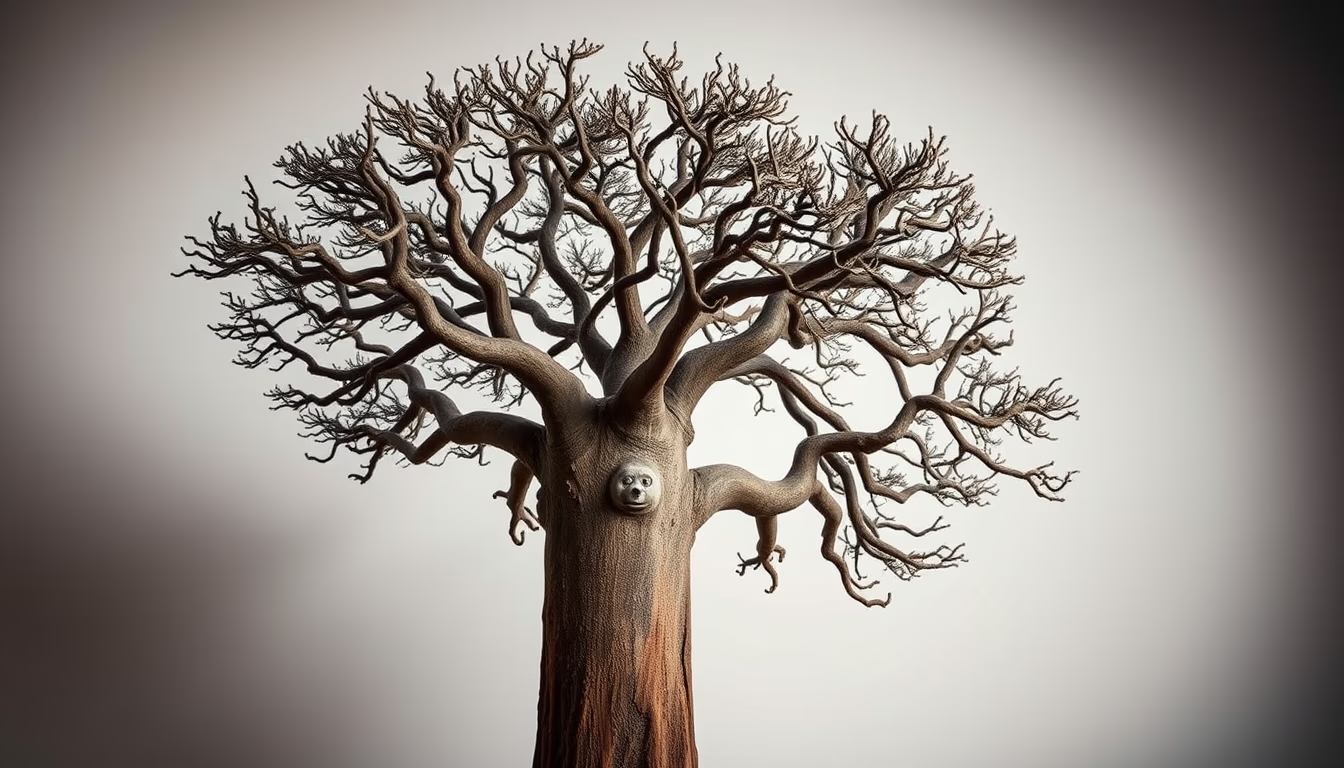
Madagascar's baobab tree, an iconic wonder known as the tree of life, stands out for its peculiar shape and impressive longevity.
About this subject
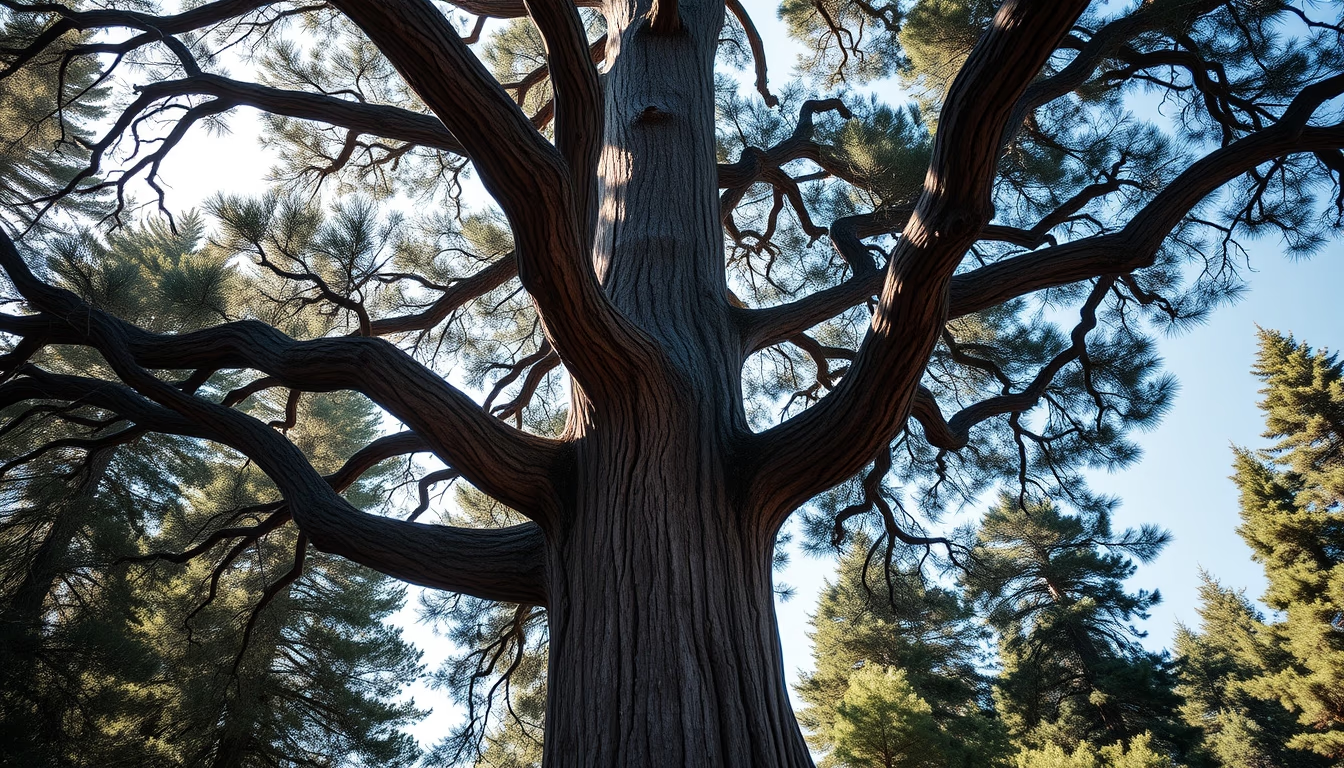
Madagascar's baobabs belong to the genus Adansonia, with six of the eight known species endemic to the island. The most famous is Adansonia grandidieri, found along the iconic Avenue of the Baobabs near Morondava in western Madagascar. These trees can live over 600 years, store up to 120,000 liters of water in their succulent trunks, and reach 30 meters in height. Their inverted branch shape, resembling aerial roots, inspired the African legend that the baobab was planted upside down by angry gods.
Culturally, the baobab is sacred to many Malagasy communities, who believe ancestral spirits inhabit its hollow trunks. Every part of the tree is used: leaves for teas and seasonings, bark for ropes and cloth, fruit pulp rich in vitamin C, and seed oil for cosmetics. During the dry season, swollen trunks serve as natural water reservoirs for entire villages.
Ecologically, baobabs form the heart of Madagascar's dry deciduous forest, providing shelter and food for lemurs, birds, and insects. They are pollinated by nocturnal fruit bats. Unfortunately, the species is threatened by deforestation for agriculture and climate change. Only about 5% of the original baobab forest remains, and the International Union for Conservation of Nature (IUCN) lists several species as vulnerable or endangered.
The Avenue of the Baobabs, a dirt road stretch between Morondava and Belo Tsiribihina, has become a global postcard image. At sunset, the imposing silhouettes against the orange sky attract photographers from around the world. The area is protected as a natural reserve, but tourism pressure and agricultural expansion continue to challenge the survival of these millennial giants.
Frequently Asked Questions
How old can a Madagascar baobab live?
Baobabs can live over 600 years, with some specimens estimated at up to 1,200 years. Exact age is hard to determine because they do not form annual growth rings.
Why is the baobab called the upside-down tree?
Legend says the gods planted the baobab upside down as punishment, with its roots exposed to the sky. In reality, its bare, thick branches resemble roots, an adaptation for water storage.
Where is the Avenue of the Baobabs and how to visit it?
The Avenue of the Baobabs is in the Menabe region, about 20 km from Morondava, Madagascar. It can be visited year-round, but sunset between April and October offers the best light for photos.
Direct URL
https://pub-c7d6a6ea828543ac903a74a341ccb2e1.r2.dev/imagens/baobab-tree-madagascar-studio-editorial-portrait-p5.avifHow to credit
Include a visible link back to UtilizAí. Copy one of the snippets below:
<a href="https://xn--utiliza-eza.com/en/midia/imagens/baobab-tree-madagascar-studio-editorial-portrait-p5">Baobab tree madagascar</a> by <a href="https://xn--utiliza-eza.com">UtilizAí</a>, licensed under <a href="https://creativecommons.org/licenses/by/4.0/">CC BY 4.0</a>.
[Baobab tree madagascar](https://xn--utiliza-eza.com/en/midia/imagens/baobab-tree-madagascar-studio-editorial-portrait-p5) by [UtilizAí](https://xn--utiliza-eza.com), CC BY 4.0
License: CC-BY-4.0