Baobab tree madagascar
1344×768 · AVIF · CC BY 4.0
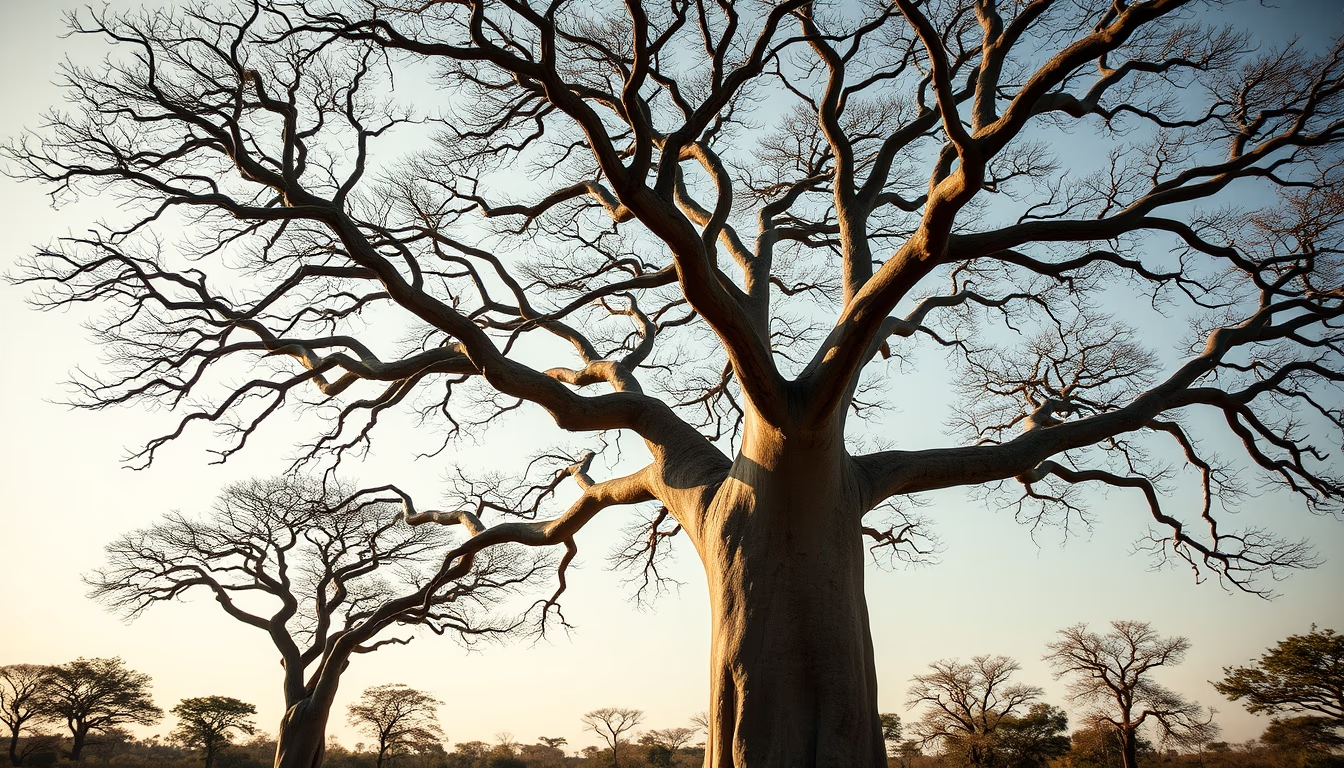
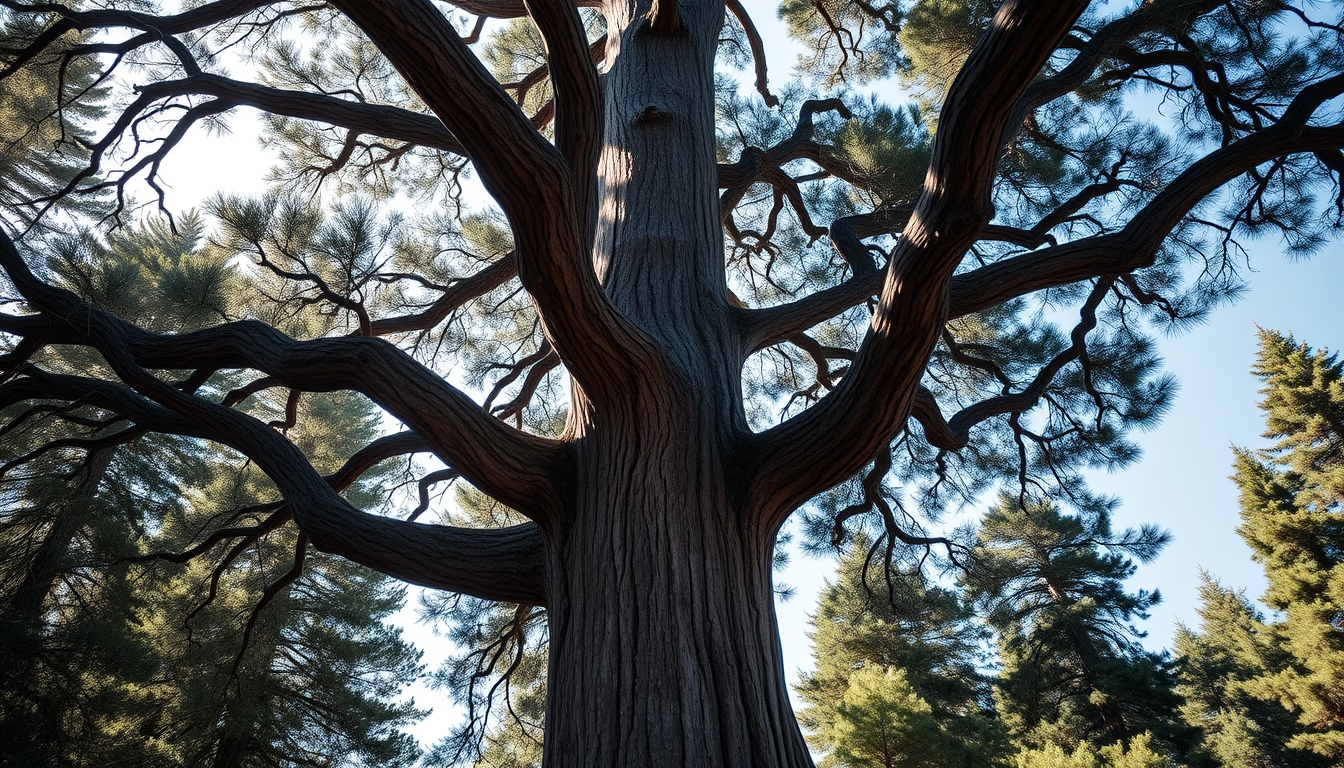
Os baobás de Madagascar, árvores icônicas conhecidas como 'árvores da vida', desempenham papel crucial no ecossistema e na cultura malgaxe.
Sobre o tema
Os baobás são árvores majestosas que podem viver por milhares de anos, e Madagascar abriga seis das oito espécies conhecidas globalmente. Endêmicas da ilha, essas espécies são encontradas principalmente nas regiões oeste e sul, onde o clima seco as obriga a armazenar água em seus troncos maciços. A mais famosa delas, a Adansonia grandidieri, é a protagonista da icônica Avenida dos Baobás, em Morondava, um dos pontos turísticos mais fotografados do país. Essas árvores podem atingir até 30 metros de altura e diâmetros de 10 metros ou mais, sendo verdadeiras reservas de água para a fauna local durante a estação seca.
Na cultura malgaxe, os baobás são considerados sagrados e frequentemente associados a rituais e lendas. A casca, as folhas e os frutos têm usos medicinais e alimentares. O fruto, conhecido como 'pão de macaco', é rico em vitamina C e antioxidantes. Além disso, as fibras da casca são utilizadas para fazer cordas e tecidos. Infelizmente, o desmatamento e as mudanças climáticas ameaçam essas espécies, com algumas já classificadas como ameaçadas de extinção pela IUCN.
A longevidade dos baobás é notável: alguns exemplares têm mais de 2.000 anos. Eles são capazes de sobreviver a incêndios e secas prolongadas graças à sua capacidade de armazenar até 120.000 litros de água no tronco. As flores desabrocham à noite e são polinizadas por morcegos frugívoros, um exemplo de coevolução. Durante a estação das chuvas, as árvores armazenam água e, na seca, suas folhas caem para reduzir a perda de umidade.
A conservação dos baobás é vital não apenas para a biodiversidade de Madagascar, mas também para as comunidades locais que deles dependem. Projetos de reflorestamento e ecoturismo sustentável buscam proteger essas árvores emblemáticas. A Avenida dos Baobás foi declarada reserva natural em 2007, e visitantes podem admirar essas gigantes ao pôr do sol, criando uma conexão com a natureza milenar.
Perguntas frequentes
Quantos anos vive um baobá?
Baobás podem viver por mais de 2.000 anos, sendo algumas das árvores mais longevas do planeta.
Por que os baobás são importantes para Madagascar?
Eles fornecem água, alimento e abrigo para a fauna, além de terem usos culturais e medicinais para as comunidades locais.
Onde encontrar os baobás em Madagascar?
As espécies endêmicas são encontradas principalmente nas regiões oeste e sul, com destaque para a Avenida dos Baobás em Morondava.
URL direta
https://pub-c7d6a6ea828543ac903a74a341ccb2e1.r2.dev/imagens/baobab-tree-madagascar-magazine-editorial-p10.avifComo creditar
Inclua um link visível de volta pro UtilizAí. Copie um dos snippets abaixo:
<a href="https://xn--utiliza-eza.com/midia/imagens/baobab-tree-madagascar-magazine-editorial-p10">Baobab tree madagascar</a> by <a href="https://xn--utiliza-eza.com">UtilizAí</a>, licensed under <a href="https://creativecommons.org/licenses/by/4.0/">CC BY 4.0</a>.
[Baobab tree madagascar](https://xn--utiliza-eza.com/midia/imagens/baobab-tree-madagascar-magazine-editorial-p10) by [UtilizAí](https://xn--utiliza-eza.com), CC BY 4.0
Licença: CC-BY-4.0