Baklava layered honey
1344×768 · AVIF · CC BY 4.0
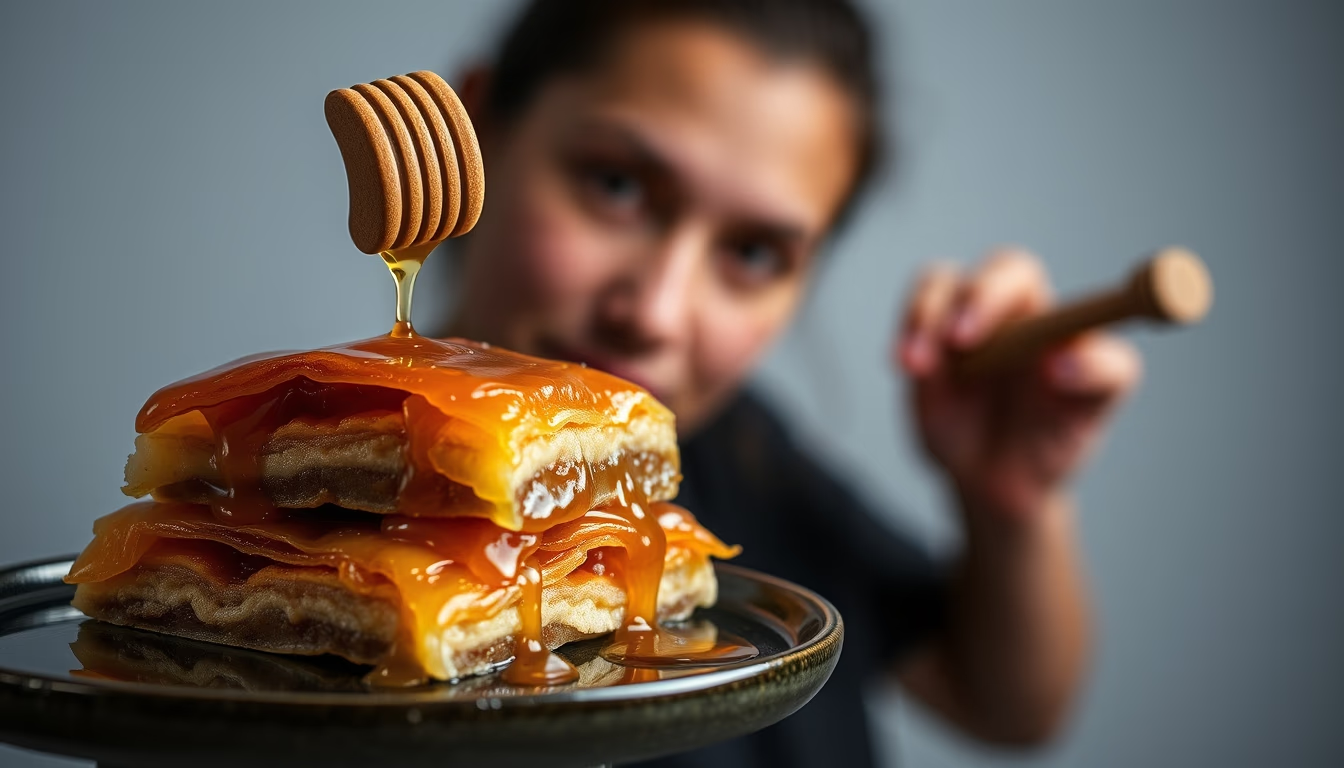
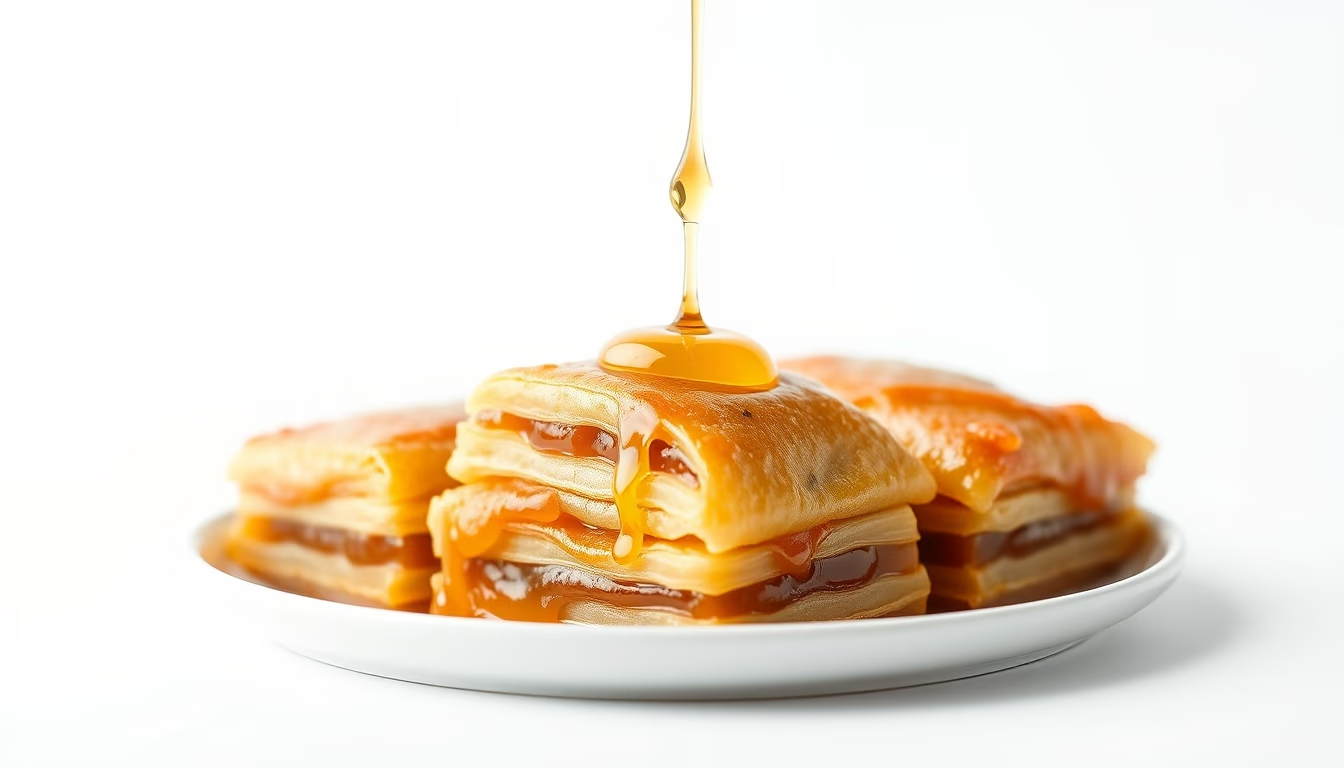
Baklava is a flaky Ottoman dessert made with layers of phyllo dough, nuts, and honey syrup, a symbol of Middle Eastern cuisine.
About this subject
Baklava is one of the most iconic desserts of the Middle East and the Balkans, with roots tracing back to the Ottoman Empire. Its structure consists of extremely thin layers of phyllo dough interspersed with a mixture of chopped nuts, such as pistachios, walnuts, or almonds, and finished with a generous coating of honey syrup or syrup flavored with rose water or lemon. The pastry is baked until golden and then drenched with hot syrup, which seeps into the layers, creating a crispy exterior and moist interior.
The exact origin of baklava is disputed among Greeks, Turks, and Arab countries, but records of similar desserts exist in ancient Rome and Persia. What is known is that the layered phyllo version emerged in the kitchens of the Ottoman palace in Istanbul and spread throughout the empire. Each region developed its own variation: in Turkey, pistachio is the most noble ingredient; in Lebanon, rose water is used; in Greece, honey is often replaced by sugar syrup with cinnamon.
The honey used in baklava is not just a sweetener but also a flavor enhancer and preservative that keeps the dessert fresh for days. The choice of honey is crucial: milder honeys, such as orange blossom, allow the nut flavors to shine, while intense honeys like eucalyptus may compete. The syrup is made from honey, water, and sugar, boiled until it reaches thread stage, and then poured over the hot pastry, ensuring each layer absorbs the liquid.
Baklava is traditionally served on special occasions such as weddings, religious holidays (Ramadan, Easter), and family gatherings. It is common to find baklava in Arab and Turkish pastry shops worldwide, but homemade versions are still cherished. The dessert arrived in Brazil with Syrian and Lebanese immigrants, appearing in fairs and restaurants in São Paulo and other capitals. Despite being calorie-dense, its unique flavor and contrasting texture make it an irresistible classic.
Frequently Asked Questions
What is the difference between baklava and other layered pastries?
Baklava is distinct for its extremely thin phyllo dough, honey or syrup drizzle, and nut filling. Other pastries like Greek bougatsa use custard, and German strudel has apple filling.
Is traditional baklava made with honey or sugar syrup?
There is no single recipe. In Turkey and the Arab world, honey is common, but many use sugar syrup with rose water or lemon. Greek versions traditionally use syrup, while Turkish ones favor honey.
How should baklava be stored to keep it crispy?
Store in an airtight container at room temperature for up to a week. Avoid refrigeration, as moisture softens the layers. If it hardens, reheat briefly in the oven.
Direct URL
https://pub-c7d6a6ea828543ac903a74a341ccb2e1.r2.dev/imagens/baklava-layered-honey-studio-editorial-portrait-fresh11.avifHow to credit
Include a visible link back to UtilizAí. Copy one of the snippets below:
<a href="https://xn--utiliza-eza.com/en/midia/imagens/baklava-layered-honey-studio-editorial-portrait-fresh11">Baklava layered honey</a> by <a href="https://xn--utiliza-eza.com">UtilizAí</a>, licensed under <a href="https://creativecommons.org/licenses/by/4.0/">CC BY 4.0</a>.
[Baklava layered honey](https://xn--utiliza-eza.com/en/midia/imagens/baklava-layered-honey-studio-editorial-portrait-fresh11) by [UtilizAí](https://xn--utiliza-eza.com), CC BY 4.0
License: CC-BY-4.0