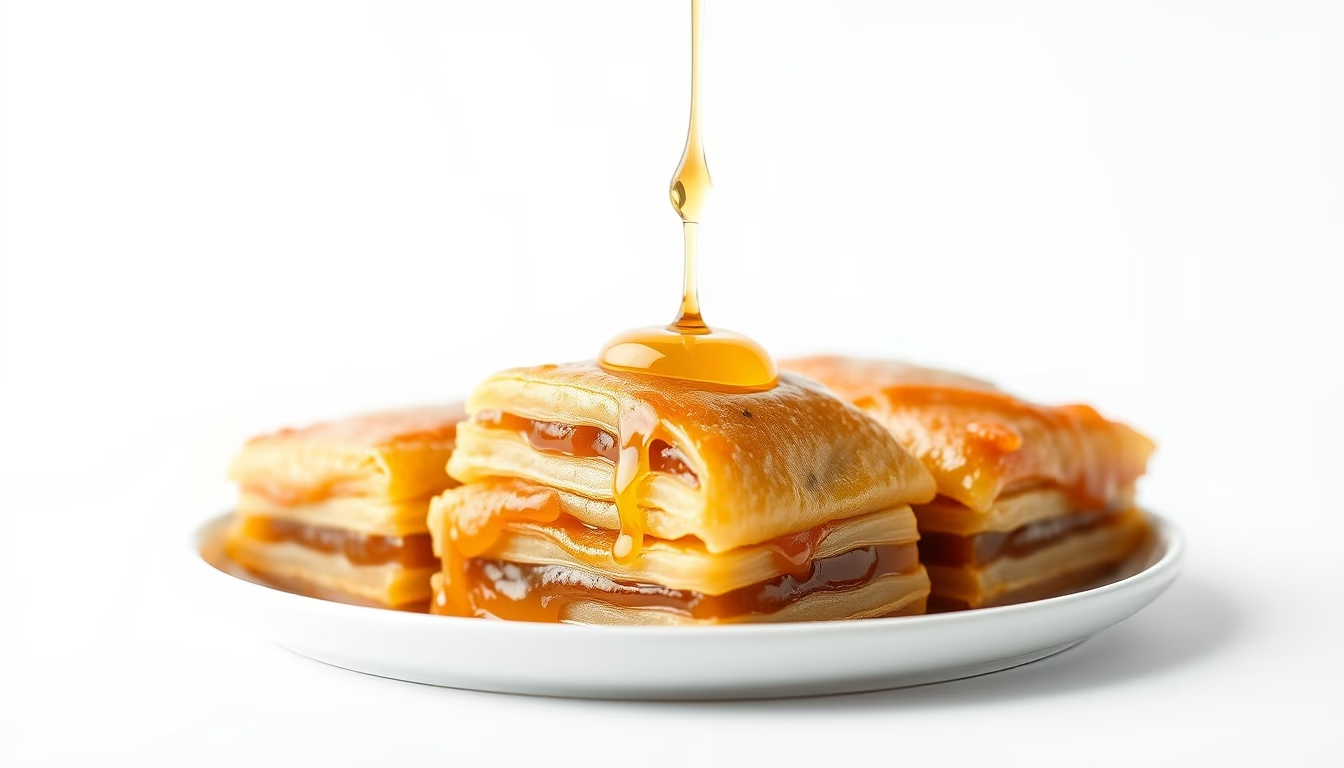
Baklava layered honey
1344×768 · AVIF · CC BY 4.0
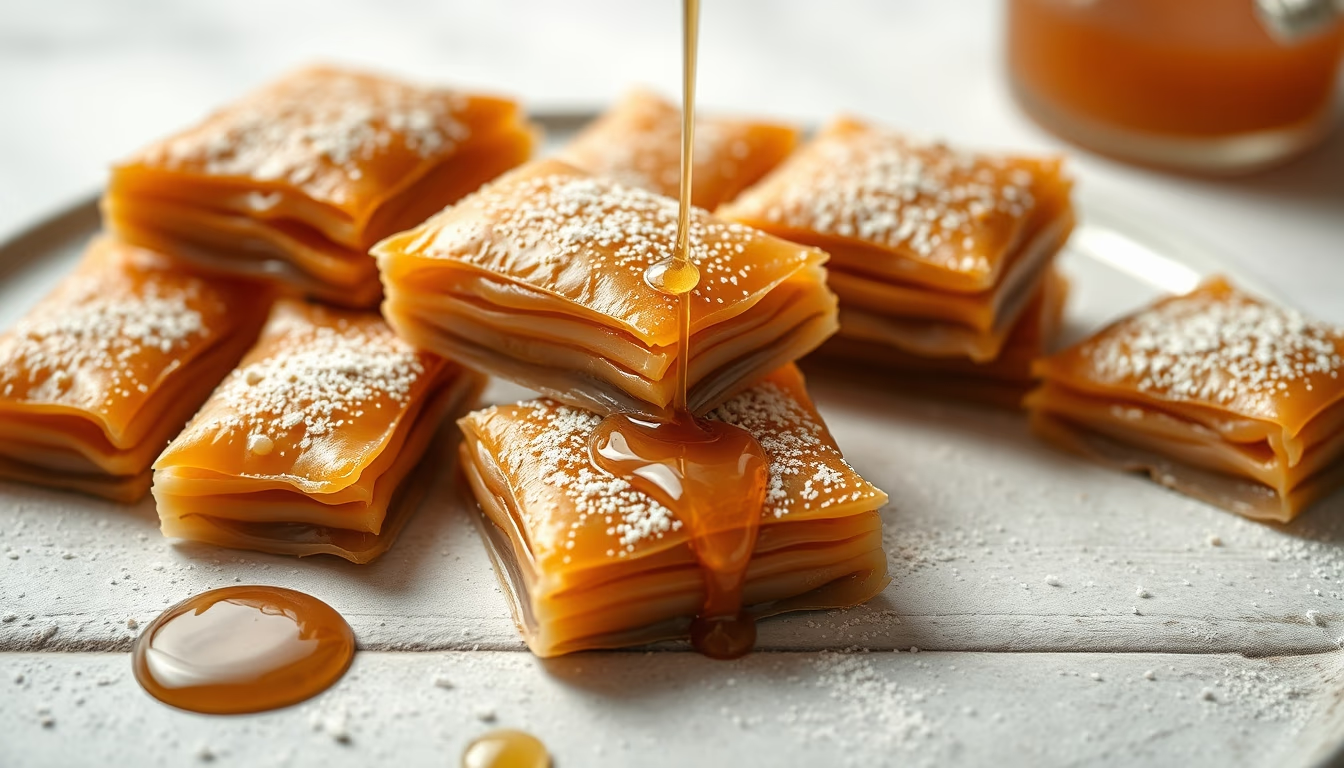
Baklava is a traditional Middle Eastern dessert made with thin layers of phyllo dough, nuts, and honey syrup.
About this subject
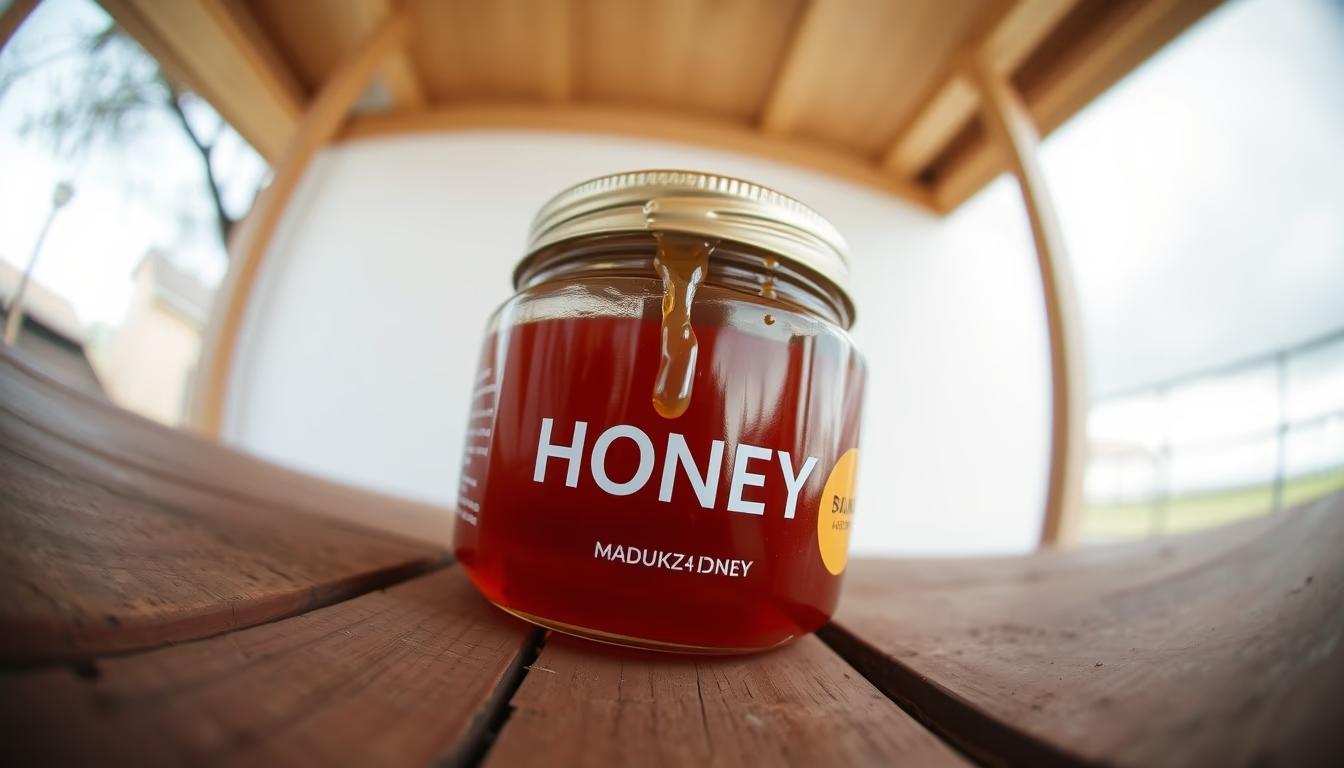
Baklava is a dessert with contested origins, but its current form was developed in the Ottoman Empire, and it is popular in countries such as Turkey, Greece, Lebanon, and Iran. The base consists of very thin layers of phyllo dough, brushed with butter and interspersed with a filling of chopped nuts like pistachios, pecans, or almonds. After baking until golden, the pastry is soaked in a honey syrup sweetened with sugar and flavored with rose water, lemon, or cinnamon.
Each culture adapts baklava to its taste. In Turkey, pistachio is the most prized filling, while in Greece, walnuts are common and the syrup uses pure honey. In Lebanon, orange blossom water is added. Brazilian baklava, influenced by Syrian and Lebanese immigrants, has gained versions with dulce de leche or cashew nuts. The artisanal preparation requires skill to stretch the phyllo dough to paper-thinness, resulting in crispy layers contrasting with the moist syrup.
Beyond being a dessert, baklava is a symbol of hospitality and abundance. It is served at weddings, religious festivals like Ramadan, and family celebrations. Being high in calories, it is consumed in small portions, often accompanied by tea or coffee. Homemade production is still common in traditional communities, but industrialized baklava is also found in markets worldwide, retaining the essence of thin layers and sweet flavor.
Frequently Asked Questions
What is the origin of baklava?
The origin is uncertain, but it is believed to have developed in the Ottoman Empire from layered pastry desserts of Central Asia. Its current form was refined in Ottoman palace kitchens and spread throughout the Middle East and Mediterranean.
What are the main ingredients of baklava?
The basic ingredients are phyllo dough, melted butter, chopped nuts (such as pistachios, walnuts, or almonds), and a syrup made with honey, sugar, water, and flavorings like rose water or lemon juice.
Is baklava consumed on any special occasions?
Yes, it is traditionally served at celebrations like Ramadan (iftar), weddings, Christmas, and Easter in some countries, and is often offered as a sign of hospitality to guests.
Direct URL
https://pub-c7d6a6ea828543ac903a74a341ccb2e1.r2.dev/imagens/baklava-layered-honey-minimalist-composition-fresh14.avifHow to credit
Include a visible link back to UtilizAí. Copy one of the snippets below:
<a href="https://xn--utiliza-eza.com/en/midia/imagens/baklava-layered-honey-minimalist-composition-fresh14">Baklava layered honey</a> by <a href="https://xn--utiliza-eza.com">UtilizAí</a>, licensed under <a href="https://creativecommons.org/licenses/by/4.0/">CC BY 4.0</a>.
[Baklava layered honey](https://xn--utiliza-eza.com/en/midia/imagens/baklava-layered-honey-minimalist-composition-fresh14) by [UtilizAí](https://xn--utiliza-eza.com), CC BY 4.0
License: CC-BY-4.0