Autoclave sterilizer
1344×768 · AVIF · CC BY 4.0
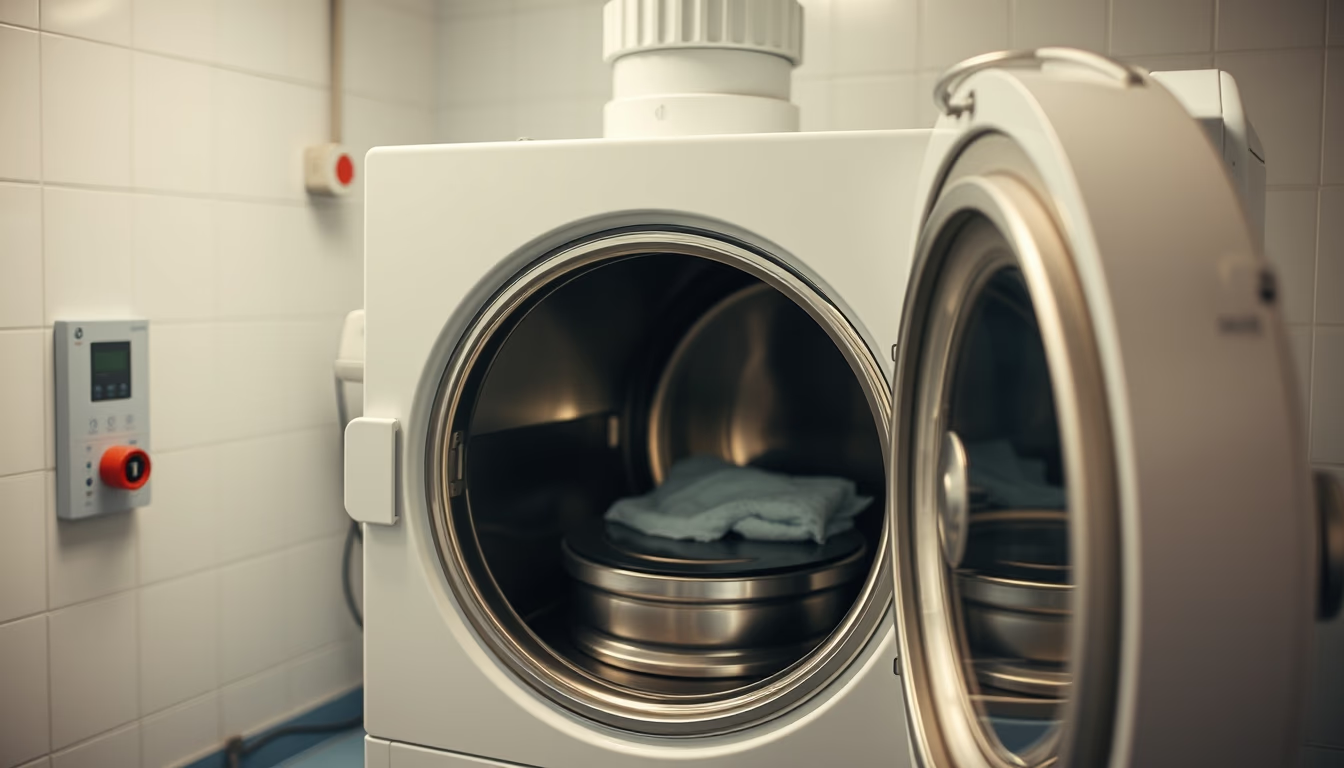
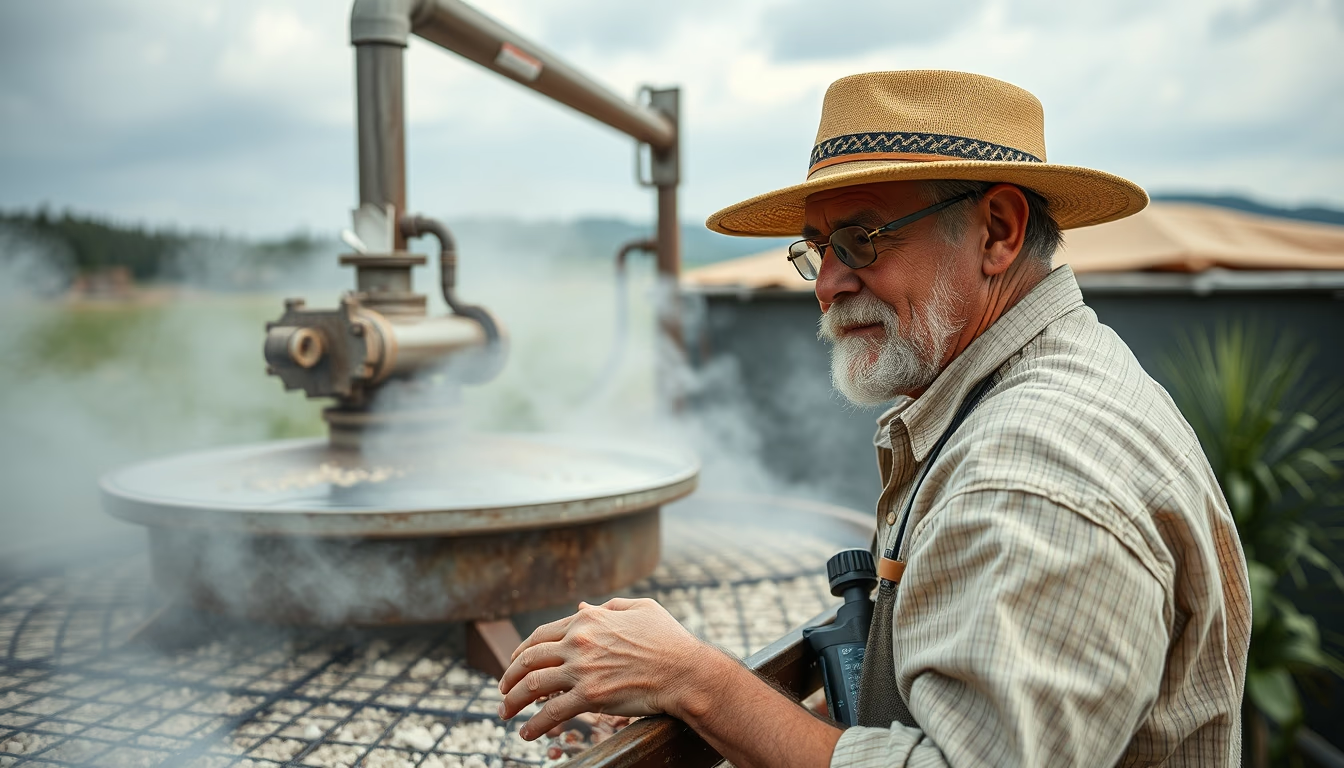
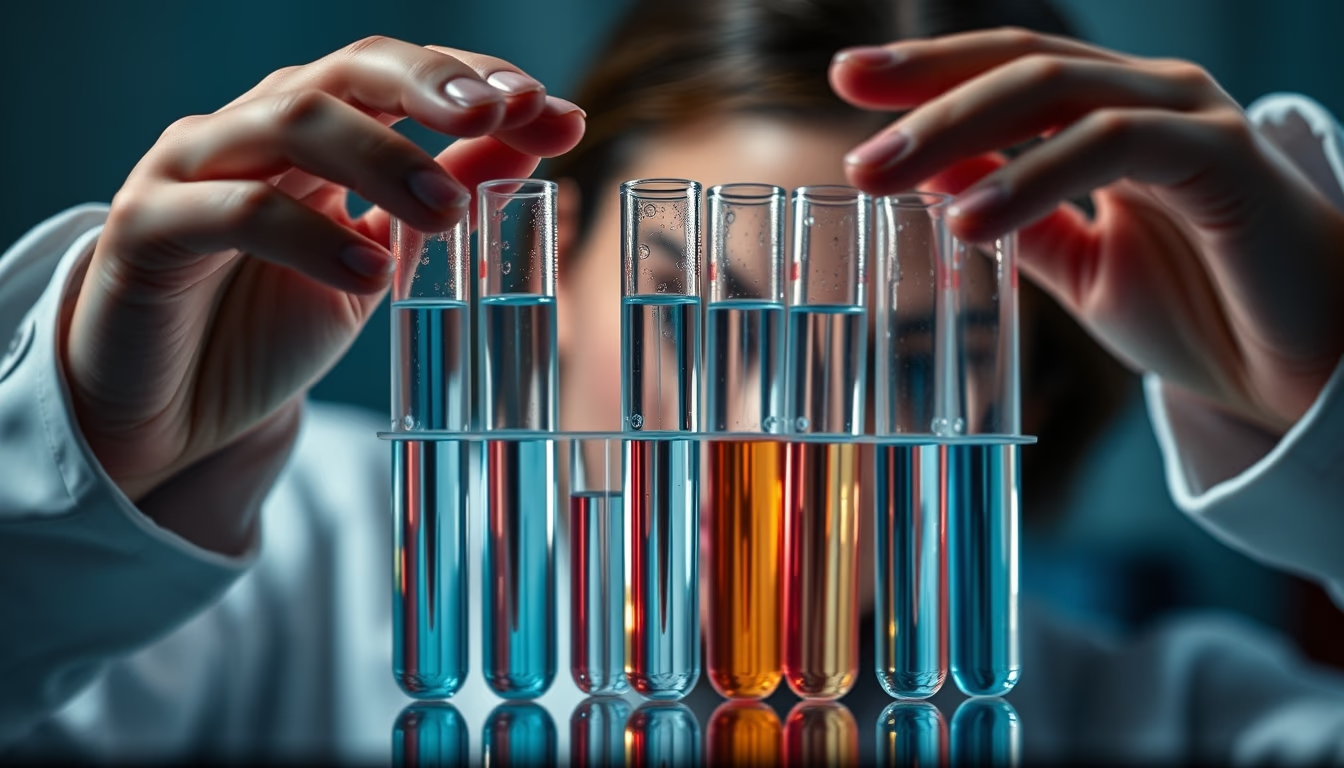
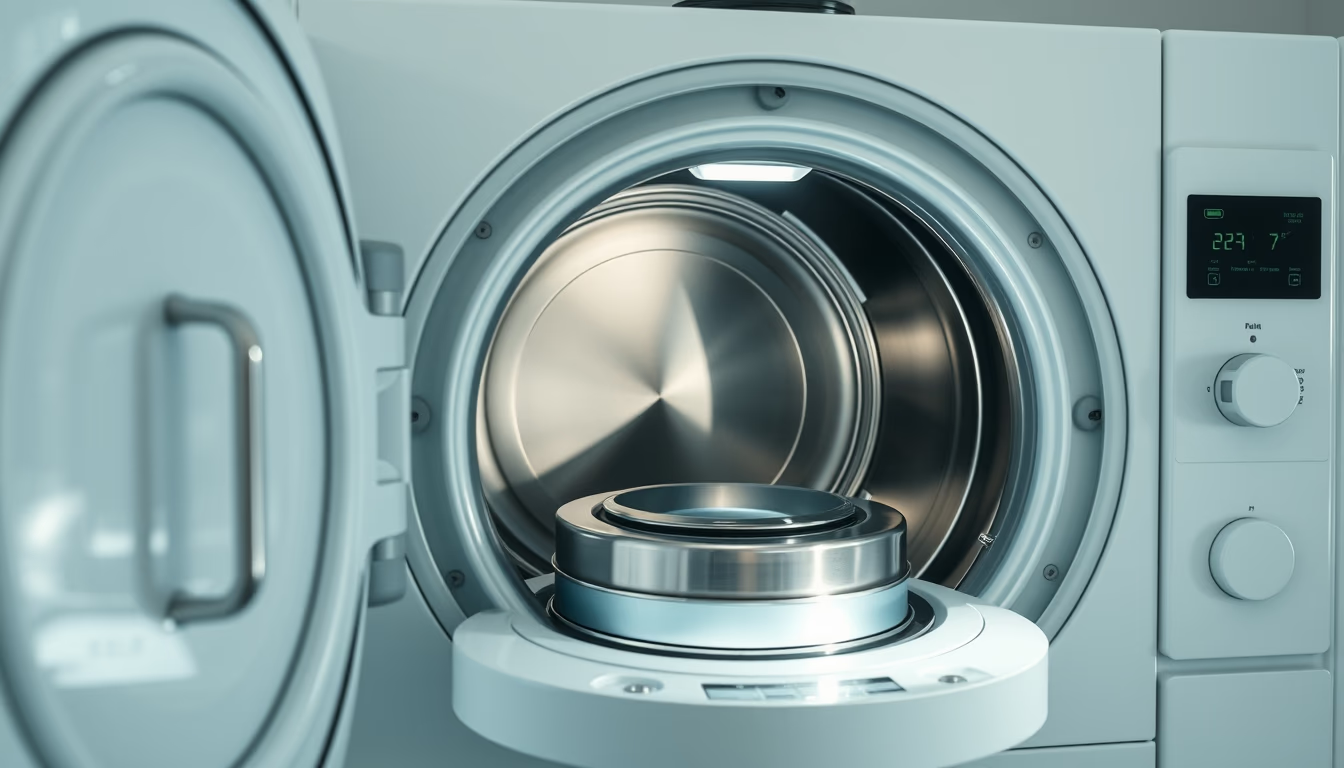
The autoclave is an essential device for steam sterilization under pressure, used in laboratories, hospitals, and industries to eliminate microorganisms.
About this subject
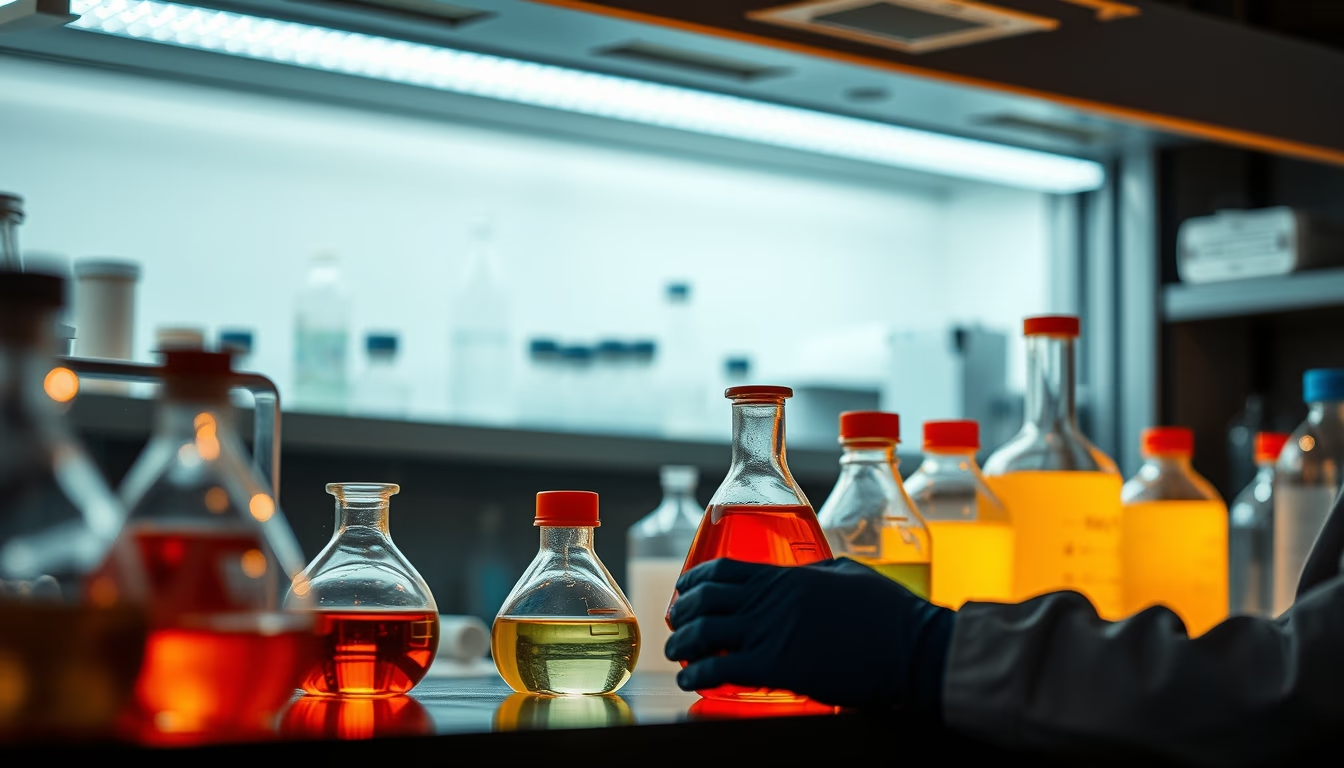
The autoclave is one of the most reliable sterilization methods, based on exposing materials to saturated steam at high temperatures (usually 121°C or 134°C) and elevated pressure (about 1 to 2 atmospheres). This process denatures proteins and destroys DNA of bacteria, viruses, fungi, and spores, ensuring sterility of surgical instruments, laboratory glassware, culture media, and biological waste.
The concept of steam sterilization dates back to the 19th century, with the first autoclave developed by French microbiologist Charles Chamberland in 1879, a disciple of Louis Pasteur. Since then, equipment has evolved into modern models with digital controls, programmable cycles, and safety systems such as pressure relief valves and temperature sensors. In microbiology labs, the autoclave is indispensable for preparing sterile culture media and disposing of contaminated materials.
In Brazil, autoclaves are regulated by ANVISA and NR-32, which establish standards for safe use in healthcare facilities. Different types exist: gravity autoclaves, which remove air by gravity; vacuum autoclaves, which use pumps to extract air before steam injection; and cassette autoclaves, common in dental offices. Process validation is performed using biological indicators such as Bacillus stearothermophilus spores, confirming sterilization effectiveness.
Interesting fact: autoclaves are also used in food preservation, such as canned goods, where moist heat under pressure allows commercial sterilization without compromising nutritional value. Additionally, in the pharmaceutical industry, autoclaves are employed to sterilize medical devices and packaging, following good manufacturing practices.
Frequently Asked Questions
What is the difference between an autoclave and an oven sterilizer?
An autoclave uses steam under pressure at temperatures like 121°C or 134°C, while an oven (dry heat sterilizer) uses dry air at higher temperatures (160°C to 180°C) for longer periods. Autoclaves are more efficient for heat- and moisture-resistant items like glassware and fabrics.
Why is the autoclave considered the safest sterilization method?
Because saturated steam penetrates materials quickly and effectively denatures proteins, including bacterial spores. The process can be monitored with biological and chemical indicators, ensuring sterility.
What precautions should be taken when using an autoclave?
It is essential not to overload the chamber, ensure seals and gaskets are in good condition, use appropriate cycles for each load type, and perform periodic tests with biological indicators. Also, wait for cooling before opening to avoid burns.
Direct URL
https://pub-c7d6a6ea828543ac903a74a341ccb2e1.r2.dev/imagens/autoclave-sterilizer-documentary-photography-fresh13.avifHow to credit
Include a visible link back to UtilizAí. Copy one of the snippets below:
<a href="https://xn--utiliza-eza.com/en/midia/imagens/autoclave-sterilizer-documentary-photography-fresh13">Autoclave sterilizer</a> by <a href="https://xn--utiliza-eza.com">UtilizAí</a>, licensed under <a href="https://creativecommons.org/licenses/by/4.0/">CC BY 4.0</a>.
[Autoclave sterilizer](https://xn--utiliza-eza.com/en/midia/imagens/autoclave-sterilizer-documentary-photography-fresh13) by [UtilizAí](https://xn--utiliza-eza.com), CC BY 4.0
License: CC-BY-4.0