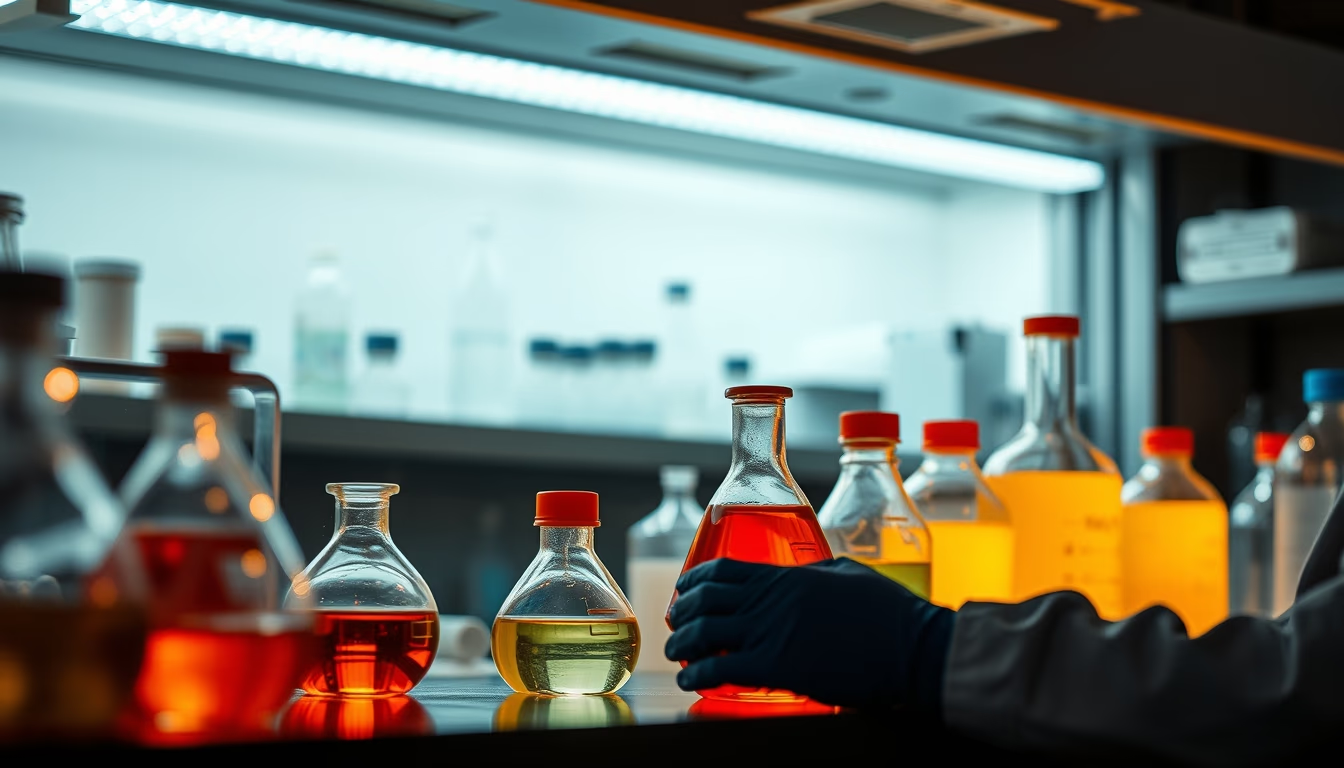
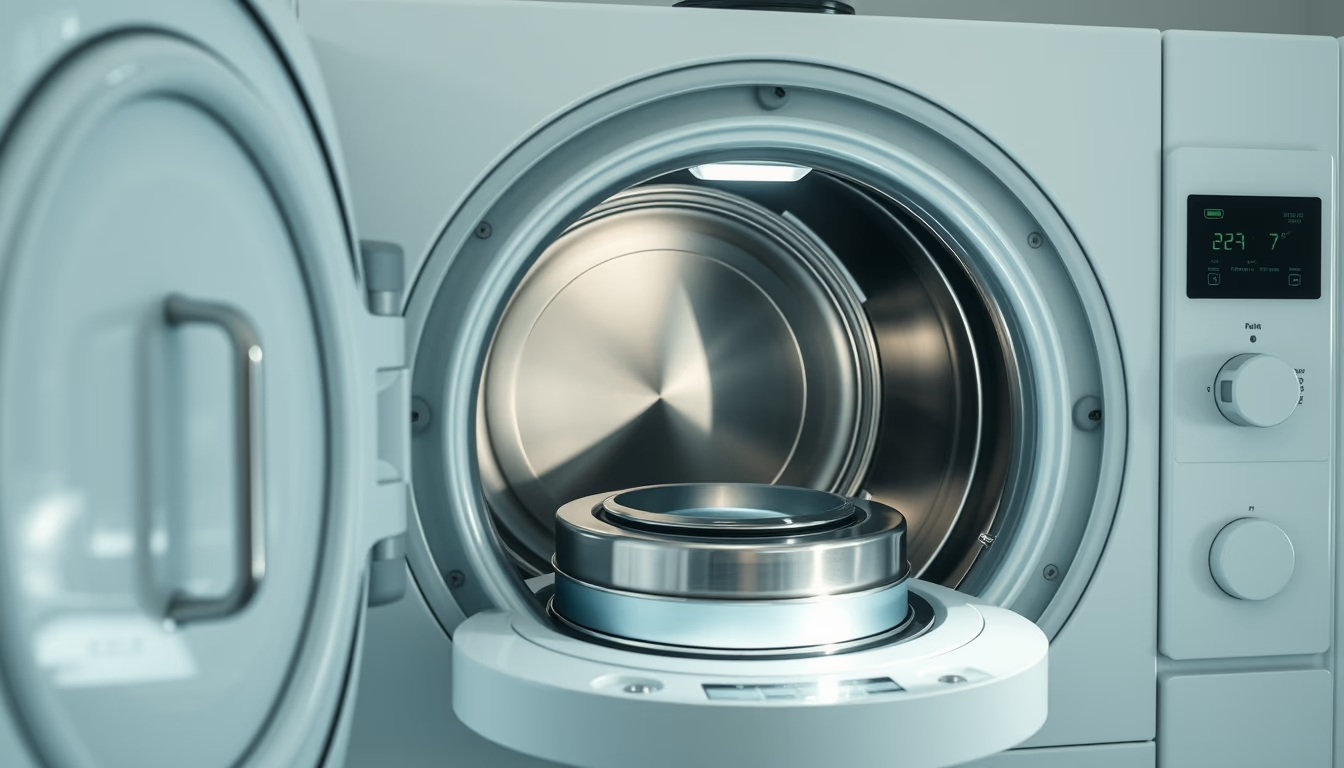
Autoclave sterilizer
1344×768 · AVIF · CC BY 4.0
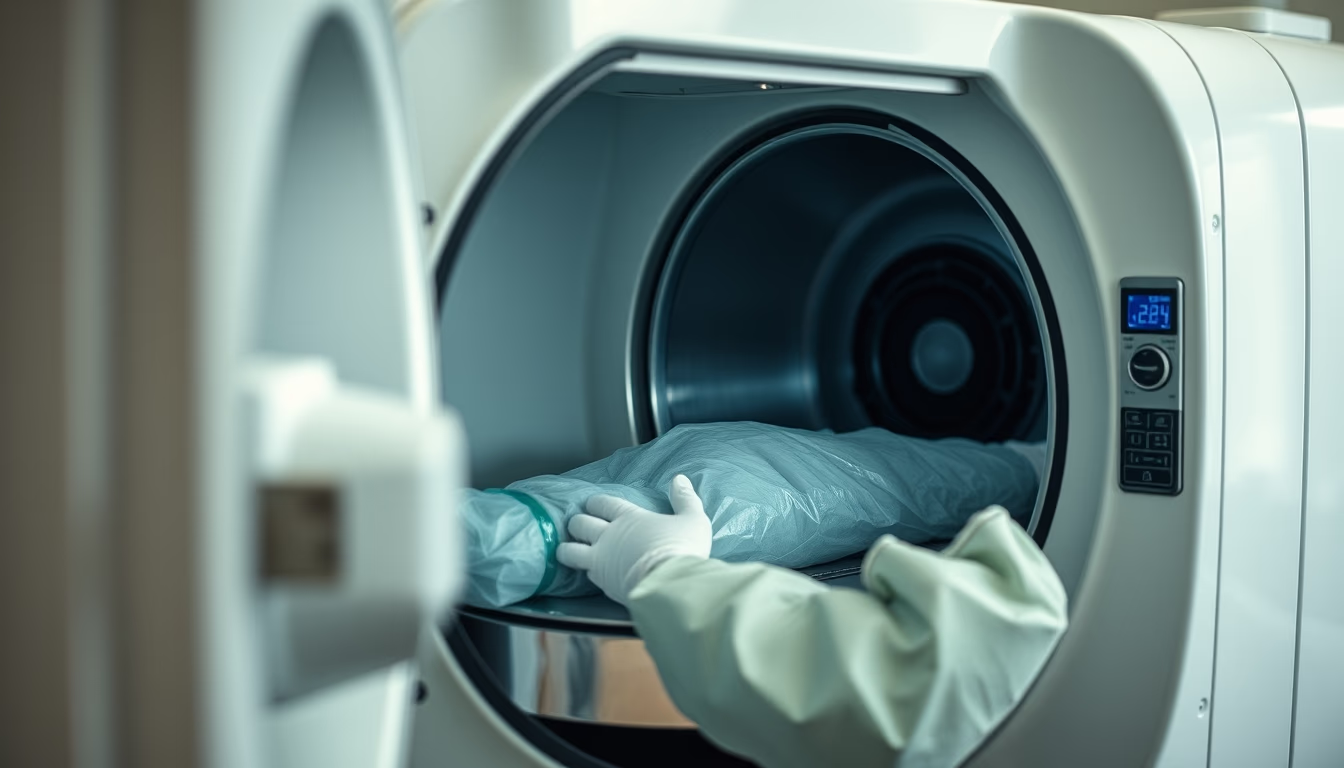
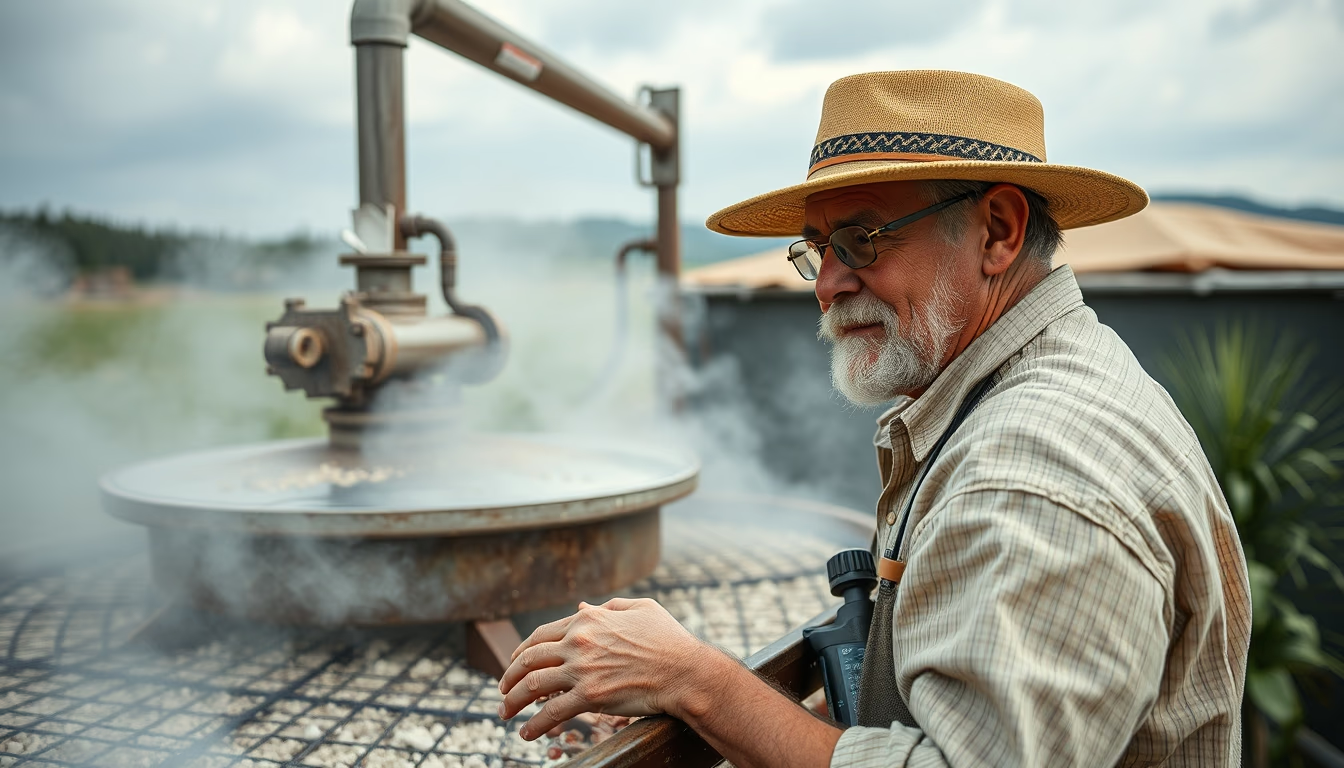
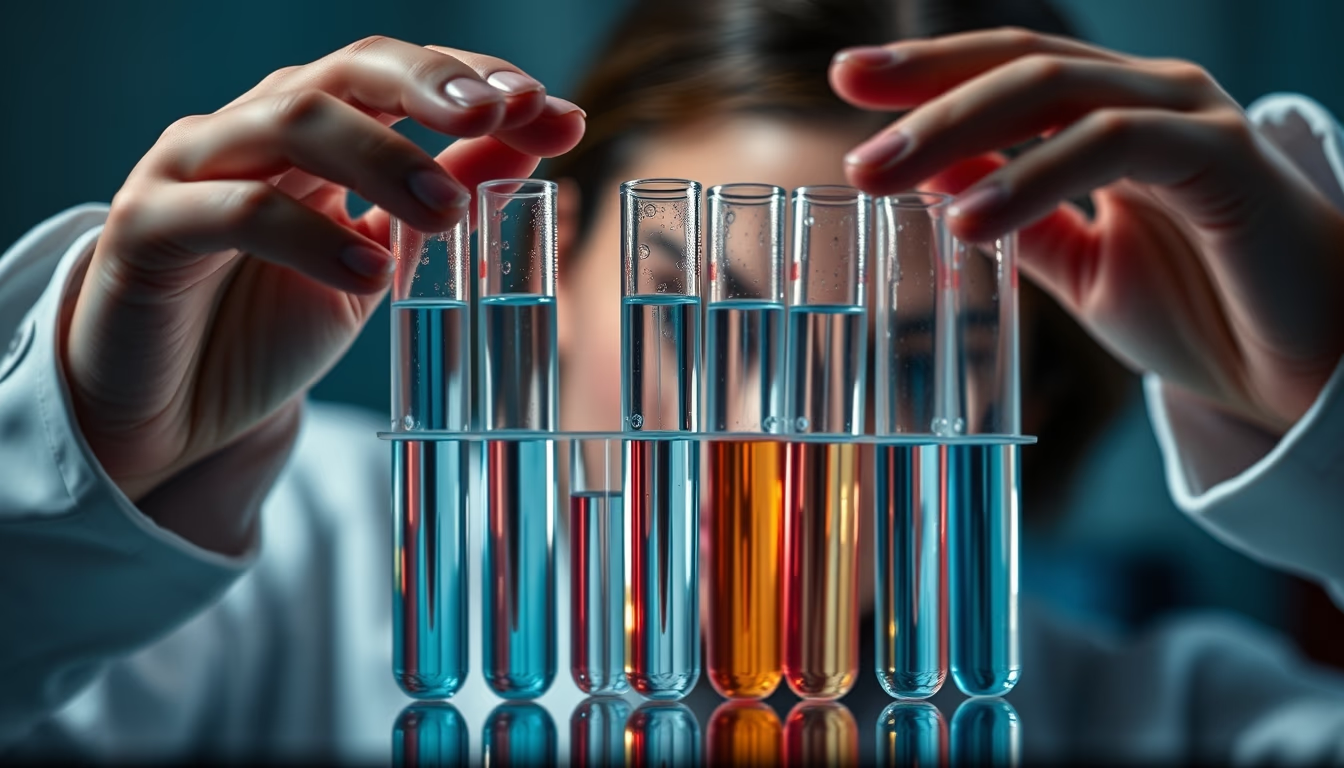
Autoclaves sterilize laboratory and hospital equipment using pressurized steam, an essential method for ensuring asepsis.
About this subject
The autoclave is a device used for sterilization of materials using pressurized steam. Invented by Charles Chamberland in 1879, it became standard in laboratories, hospitals, and dental clinics. The operating principle relies on raising water's boiling point under pressure, allowing steam to reach 121°C to 134°C (typically at 15 psi). Under these conditions, microorganisms such as bacteria, viruses, and spores are eliminated, ensuring sterility of surgical instruments, culture media, and biological waste.
Regulatory agencies like the FDA and ANVISA require strict validation and monitoring of autoclaves. Standard cycles last 15, 30 minutes for solid items, longer for porous loads. Efficacy is verified via physical, chemical, and biological indicators, such as thermochromic tape and vials of Bacillus stearothermophilus spores.
Interestingly, autoclaves are also used in the food industry for canning (appertization). However, their primary application remains healthcare, where correct operation and maintenance prevent hospital-acquired infections. Modern models feature sensors and automatic programs, but the century-old principle endures.
Frequently Asked Questions
What are the typical temperature and pressure in an autoclave?
Standard temperatures range from 121°C to 134°C, with pressure between 15 and 30 psi. Exact values depend on the material and selected cycle.
How can you verify that sterilization in an autoclave was effective?
Biological indicators such as spores of Bacillus stearothermophilus are used; they are killed only if the cycle meets proper conditions. Chemical indicators (tape) and physical indicators (temperature graphs) are also employed.
Can an autoclave be used to sterilize any material?
No. Heat- or moisture-sensitive materials, such as low-melting plastics, some optical instruments, and sealed liquid containers, may be damaged. Alternative methods like ethylene oxide or radiation exist for such items.
Direct URL
https://pub-c7d6a6ea828543ac903a74a341ccb2e1.r2.dev/imagens/autoclave-sterilizer-documentary-nature-style-fresh2.avifHow to credit
Include a visible link back to UtilizAí. Copy one of the snippets below:
<a href="https://xn--utiliza-eza.com/en/midia/imagens/autoclave-sterilizer-documentary-nature-style-fresh2">Autoclave sterilizer</a> by <a href="https://xn--utiliza-eza.com">UtilizAí</a>, licensed under <a href="https://creativecommons.org/licenses/by/4.0/">CC BY 4.0</a>.
[Autoclave sterilizer](https://xn--utiliza-eza.com/en/midia/imagens/autoclave-sterilizer-documentary-nature-style-fresh2) by [UtilizAí](https://xn--utiliza-eza.com), CC BY 4.0
License: CC-BY-4.0