Auguste rodin sculptures
1344×768 · AVIF · CC BY 4.0
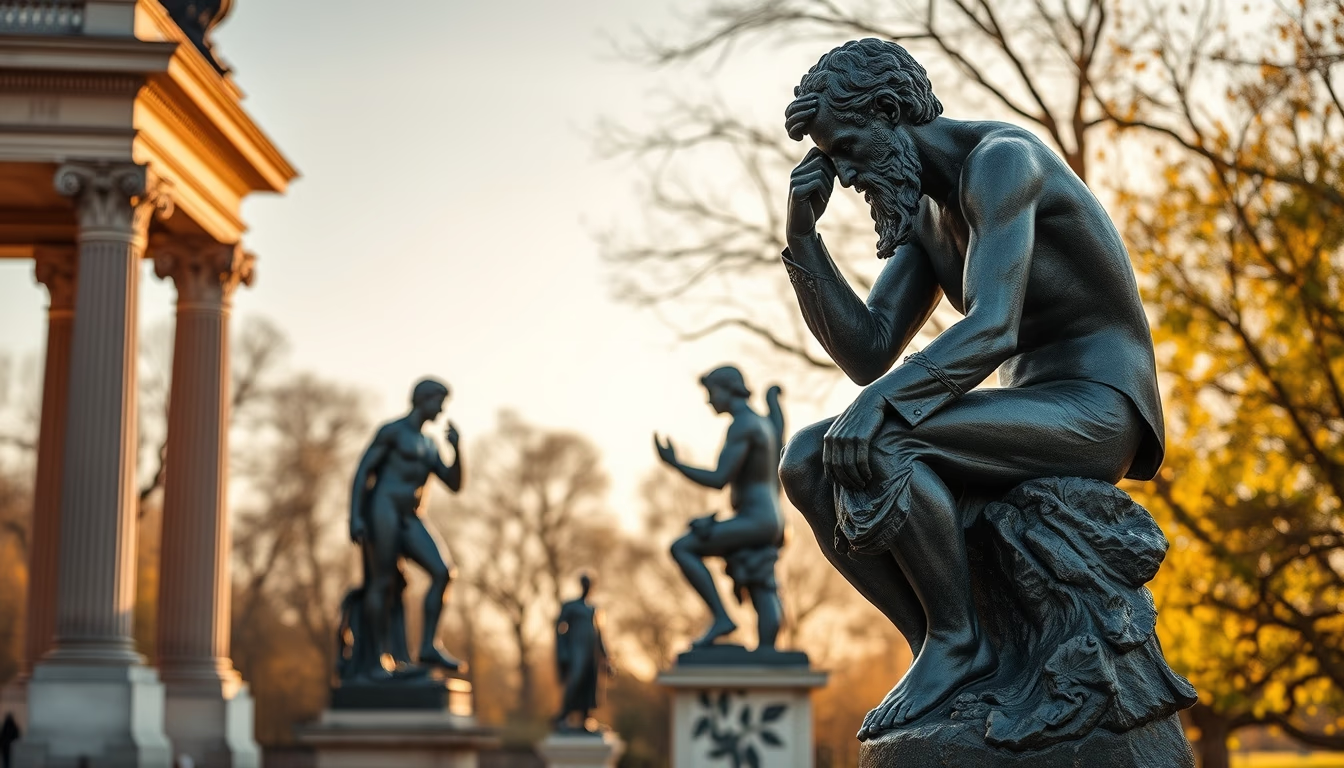
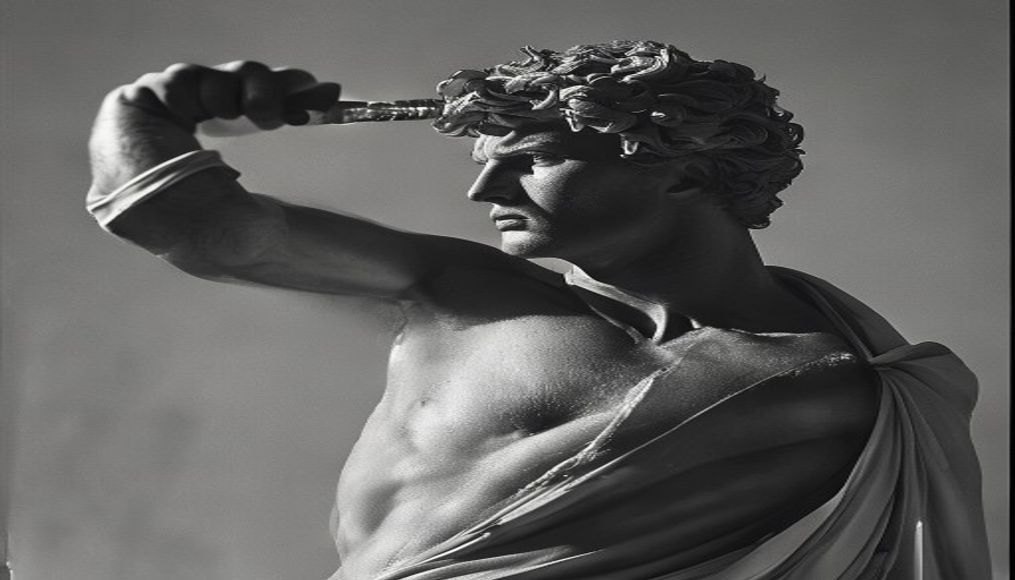
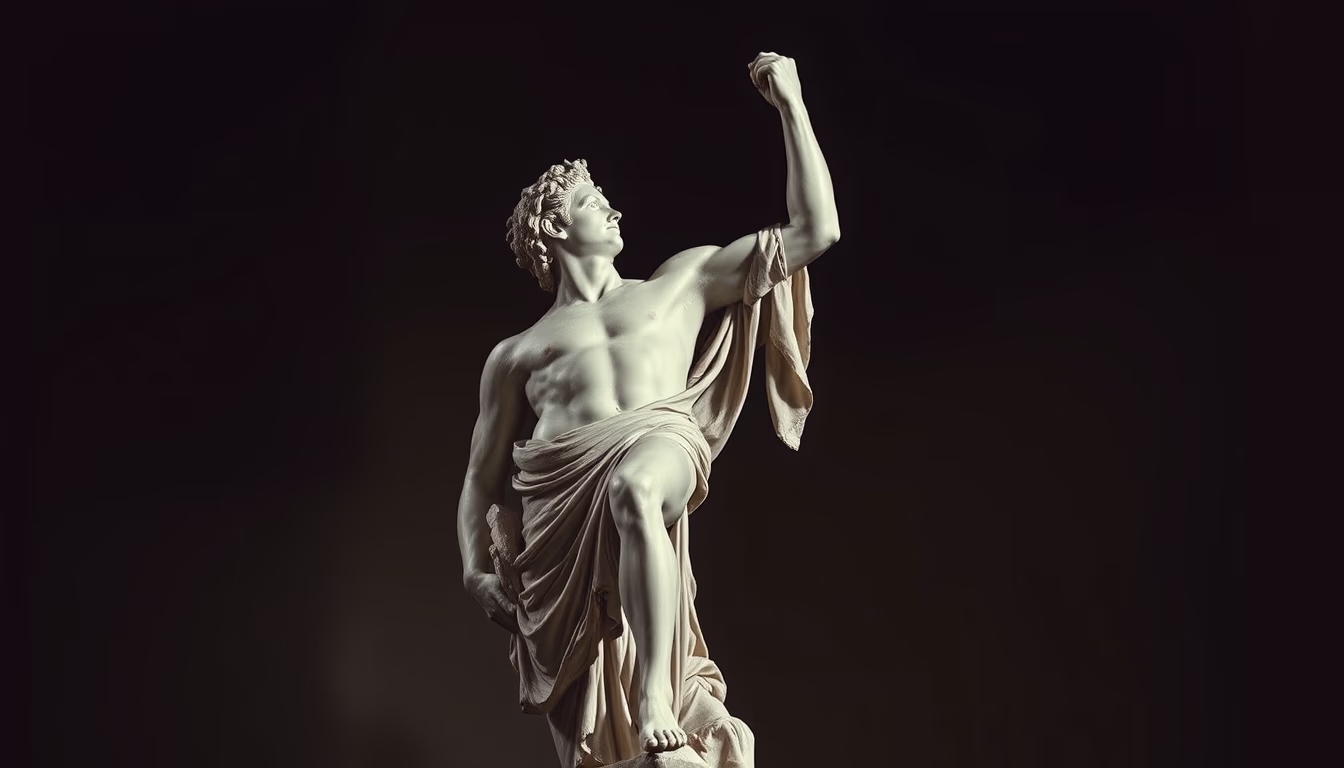
As esculturas de Auguste Rodin, como O Pensador e O Beijo, revolucionaram a arte moderna com seu realismo expresivo e inacabamento deliberado.
Sobre o tema
Auguste Rodin (1840-1917) é considerado o pai da escultura moderna. Diferente dos escultores acadêmicos de sua época, que buscavam superfícies lisas e poses idealizadas, Rodin introduziu um realismo cru e psicológico. Sua obra mais famosa, O Pensador (originalmente parte de A Porta do Inferno), retrata um homem nu em profunda reflexão, com músculos tensos e postura contraída que transmitem angústia existencial. Criada em 1880, a peça tornou-se um ícone universal da filosofia e da introspecção.
Outra obra emblemática é O Beijo (1886), que representa o amor carnal e espiritual de Paolo e Francesca, personagens da Divina Comédia de Dante. Diferente das representações idealizadas do amor, Rodin esculpiu os corpos entrelaçados com detalhes anatômicos realistas, gerando controvérsia na época. O artista usava frequentemente modelos vivos e deixava marcas do processo criativo visíveis, como impressões digitais e superfícies ásperas, desafiando os padrões de acabamento polido.
Rodin também criou monumentos públicos polêmicos, como Os Burgueses de Calais (1889), que homenageia seis líderes que se sacrificaram na Guerra dos Cem Anos. Em vez de heróis triunfantes, ele os mostrou derrotados, com cordas no pescoço e expressões de agonia. Essa abordagem humanizadora e anti-heróica antecipou o expressionismo e influenciou gerações de escultores.
Suas técnicas inovadoras incluíam a montagem de partes separadas do corpo em diferentes poses (como em O Andarilho) e o uso de fragmentos, como mãos ou torsos isolados, que se tornaram obras autônomas. Rodin também experimentou com a luz e a sombra, criando superfícies que mudavam dramaticamente conforme o ângulo de visão. Suas esculturas estão em museus do mundo todo, com destaque para o Musée Rodin em Paris e a coleção do Museu de Arte de São Paulo (MASP).
Perguntas frequentes
Qual é a escultura mais famosa de Rodin?
A mais famosa é O Pensador (Le Penseur), criada entre 1880 e 1904. A obra original está no Musée Rodin, em Paris, mas existem dezenas de réplicas em museus ao redor do mundo.
Por que as esculturas de Rodin foram consideradas controversas?
Rodin abandonou o acabamento polido e as poses idealizadas do neoclassicismo, exibindo superfícies rugosas, corpos realistas e expressões emocionais intensas. Isso chocou o público acadêmico da época, que via suas obras como inacabadas ou vulgares.
Onde posso ver obras de Auguste Rodin no Brasil?
O Museu de Arte de São Paulo (MASP) possui uma importante coleção de Rodin, incluindo O Beijo e O Pensador. Outras obras estão em museus no Rio de Janeiro, como o Museu Nacional de Belas Artes.
URL direta
https://pub-c7d6a6ea828543ac903a74a341ccb2e1.r2.dev/imagens/auguste-rodin-sculptures-travel-photography-p7.avifComo creditar
Inclua um link visível de volta pro UtilizAí. Copie um dos snippets abaixo:
<a href="https://xn--utiliza-eza.com/midia/imagens/auguste-rodin-sculptures-travel-photography-p7">Auguste rodin sculptures</a> by <a href="https://xn--utiliza-eza.com">UtilizAí</a>, licensed under <a href="https://creativecommons.org/licenses/by/4.0/">CC BY 4.0</a>.
[Auguste rodin sculptures](https://xn--utiliza-eza.com/midia/imagens/auguste-rodin-sculptures-travel-photography-p7) by [UtilizAí](https://xn--utiliza-eza.com), CC BY 4.0
Licença: CC-BY-4.0