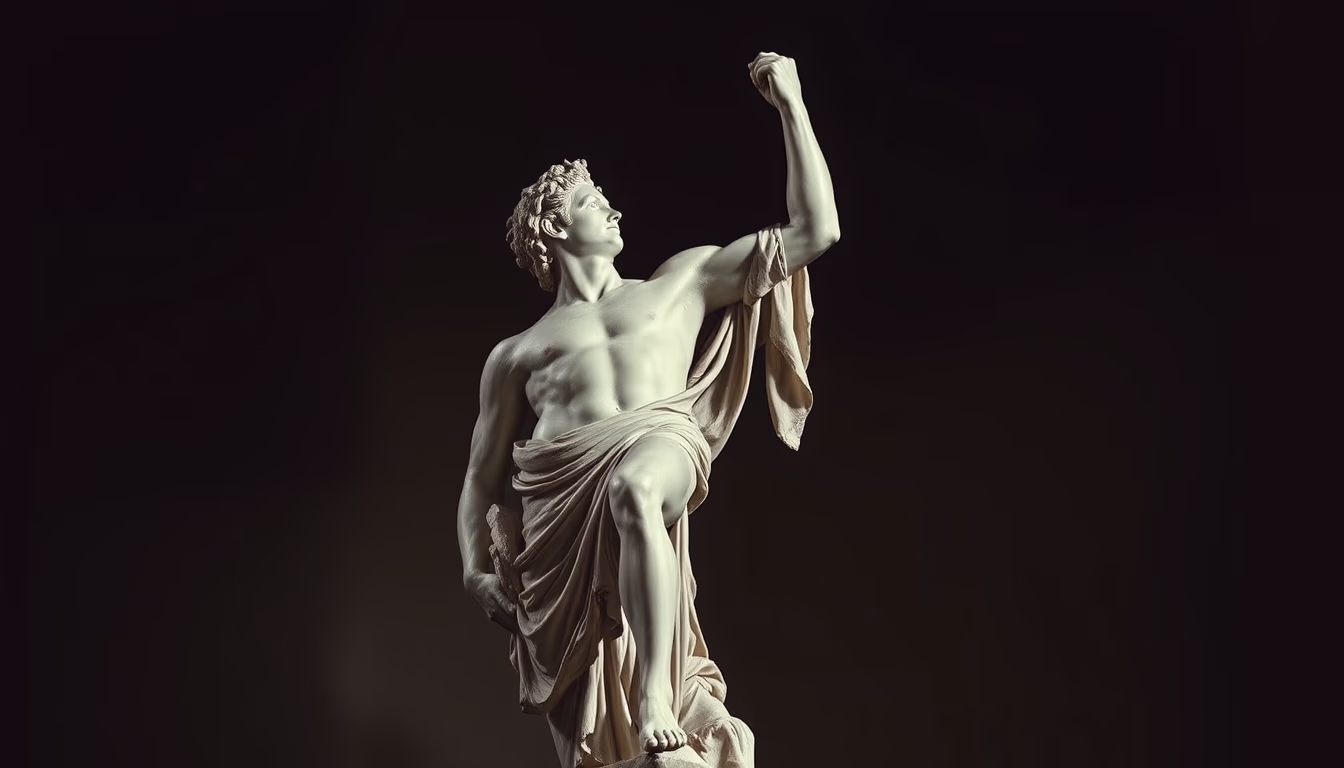
Auguste rodin sculptures
1344×768 · AVIF · CC BY 4.0
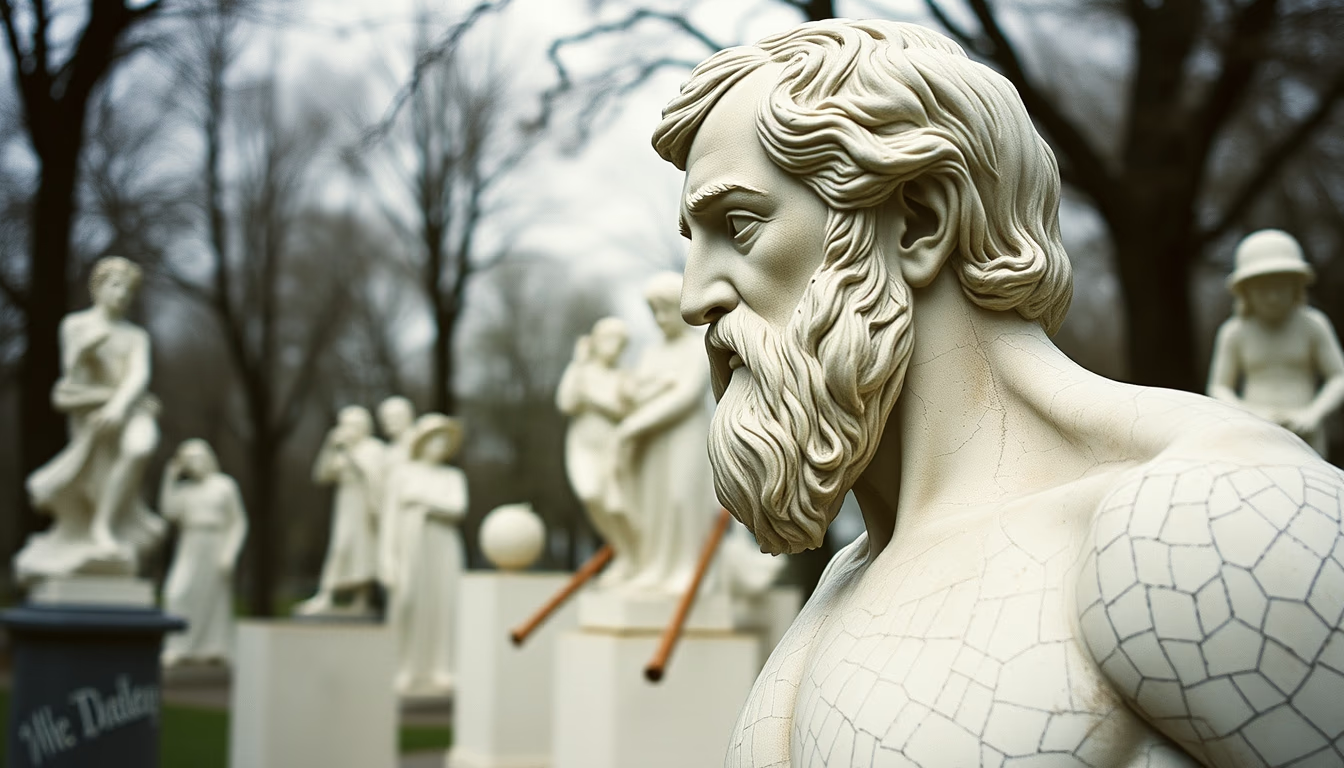
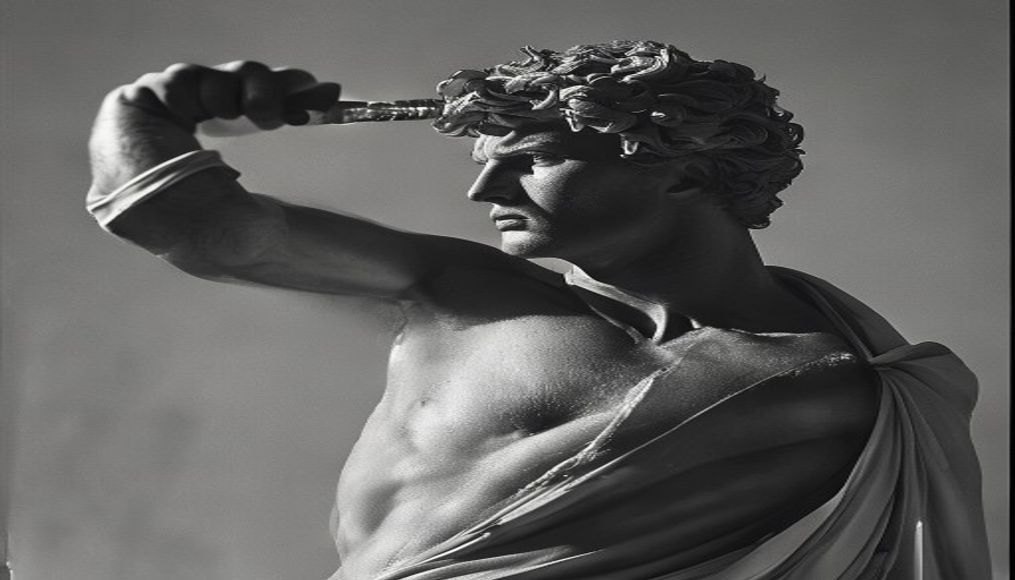
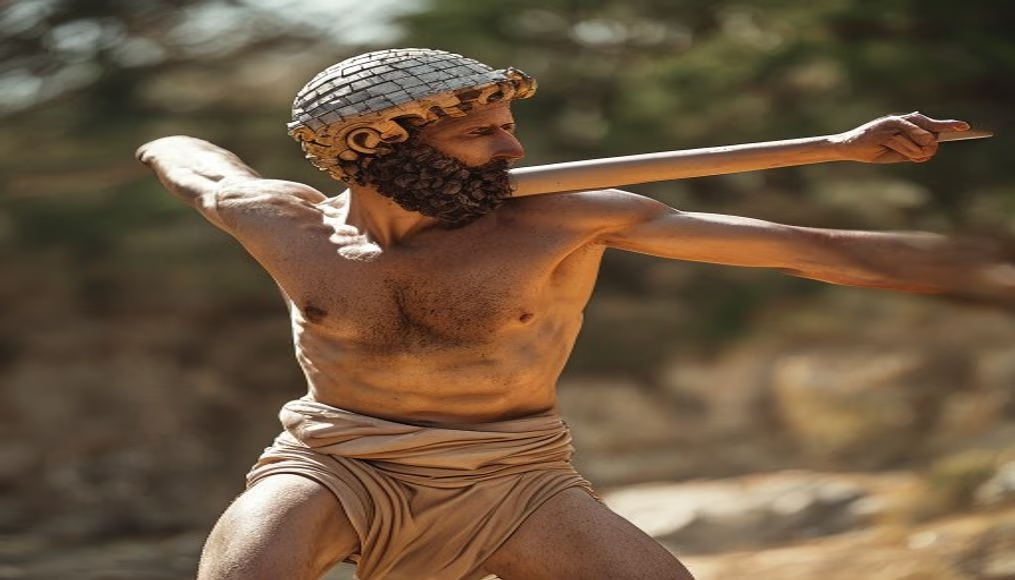
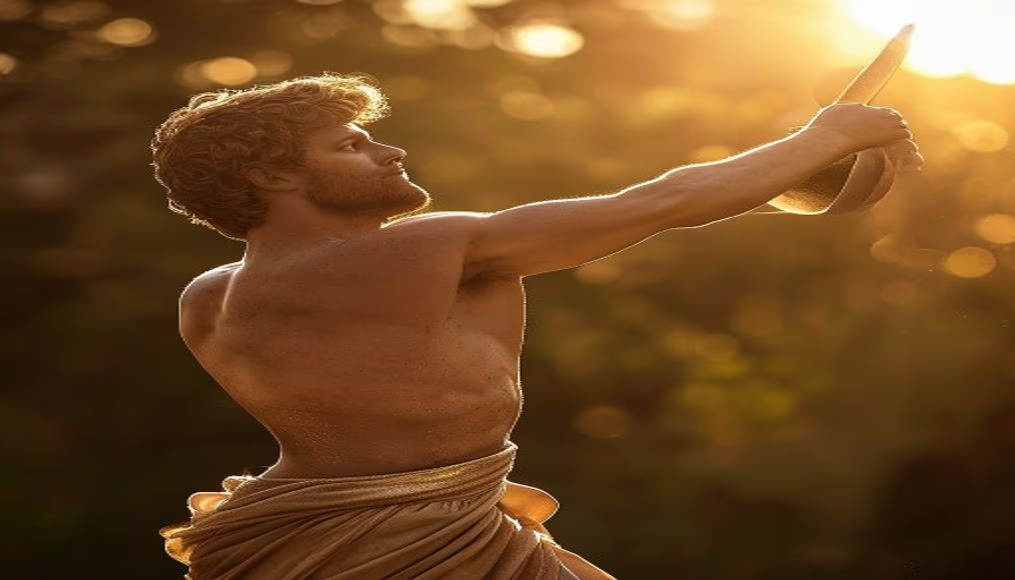
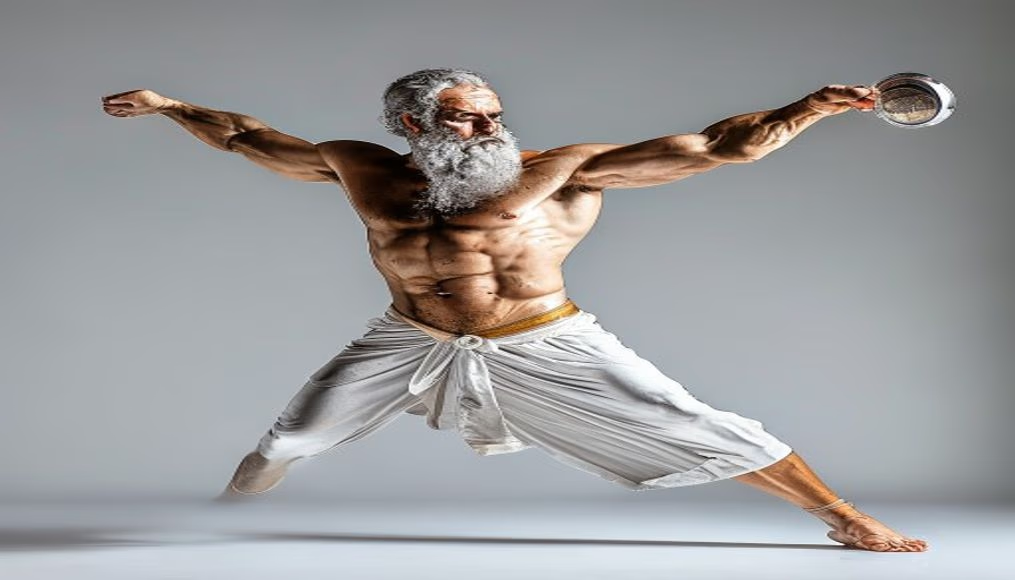
Auguste Rodin sculptures, master of expressionism and father of modern sculpture, explore emotion and movement.
About this subject
Auguste Rodin (1840-1917) is considered the father of modern sculpture, revolutionizing art with works that capture psychological essence and human movement. Unlike academic sculptors of his time, Rodin focused on raw emotional expression, leaving tool marks on surfaces to convey energy and incompleteness, as seen in "The Thinker" and "The Kiss". His modeling technique in clay, later cast in bronze or carved in marble, allowed a freedom that influenced generations.
One of his most iconic works, "The Thinker" (1904), originally conceived as part of "The Gates of Hell", represents Dante Alighieri meditating on hell. The muscular nude figure, chin resting on hand, became a universal symbol of reflection. "The Kiss" (1889) depicts two intertwined lovers, inspired by the couple Paolo and Francesca from the "Divine Comedy", with a sensuality that shocked Victorian audiences.
Rodin also innovated with fragments of the human body, such as "Hand of God" and "Cathedral", where isolated parts gain their own meaning. His work "The Burghers of Calais" (1889) honors six citizens who surrendered to the English during the Hundred Years' War, with expressions of anguish and sacrifice. The sculptor often worked with multiple molds and variations, never considering his pieces fully finished.
Rodin's influence extends to expressionism and surrealism. His studio in Paris, now the Musée Rodin, houses over 6,000 sculptures, drawings, and prints. Despite initial criticism, his approach was celebrated by artists like Matisse and Picasso. Rodin showed that sculpture could be a vehicle for introspection and drama, breaking conventions and paving the way for contemporary art.
Frequently Asked Questions
What are Auguste Rodin's most famous sculptures?
The most famous include "The Thinker", "The Kiss", "The Burghers of Calais", "The Gates of Hell", and "Hand of God".
Why is Rodin considered the father of modern sculpture?
Rodin broke from academic traditions by emphasizing emotional expression, movement, and raw texture, influencing generations of sculptors.
Where can I see Rodin's works?
The Musée Rodin in Paris houses the largest collection. Many museums worldwide, such as the Metropolitan Museum of Art in New York, also have his sculptures.
Direct URL
https://pub-c7d6a6ea828543ac903a74a341ccb2e1.r2.dev/imagens/auguste-rodin-sculptures-film-grain-authentic-p11.avifHow to credit
Include a visible link back to UtilizAí. Copy one of the snippets below:
<a href="https://xn--utiliza-eza.com/en/midia/imagens/auguste-rodin-sculptures-film-grain-authentic-p11">Auguste rodin sculptures</a> by <a href="https://xn--utiliza-eza.com">UtilizAí</a>, licensed under <a href="https://creativecommons.org/licenses/by/4.0/">CC BY 4.0</a>.
[Auguste rodin sculptures](https://xn--utiliza-eza.com/en/midia/imagens/auguste-rodin-sculptures-film-grain-authentic-p11) by [UtilizAí](https://xn--utiliza-eza.com), CC BY 4.0
License: CC-BY-4.0