Arabic calligraphy ink
1344×768 · AVIF · CC BY 4.0
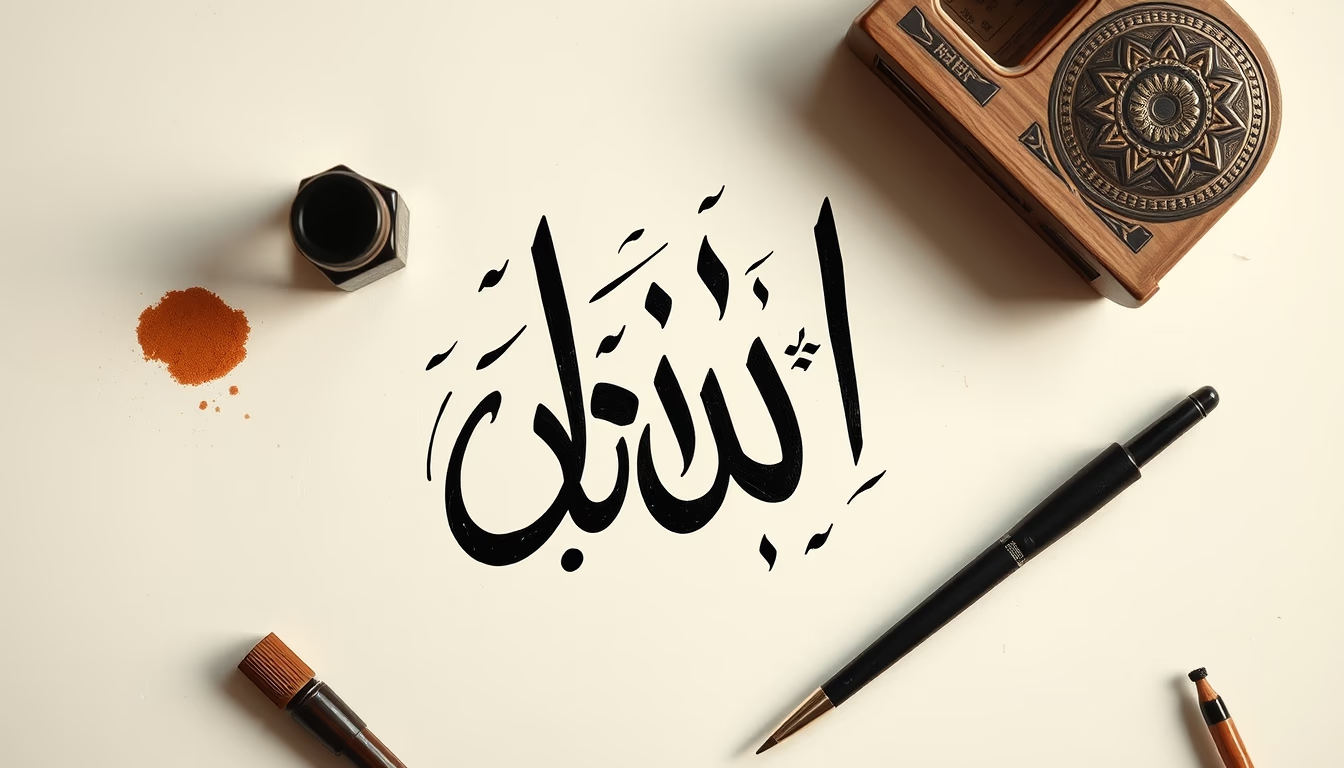
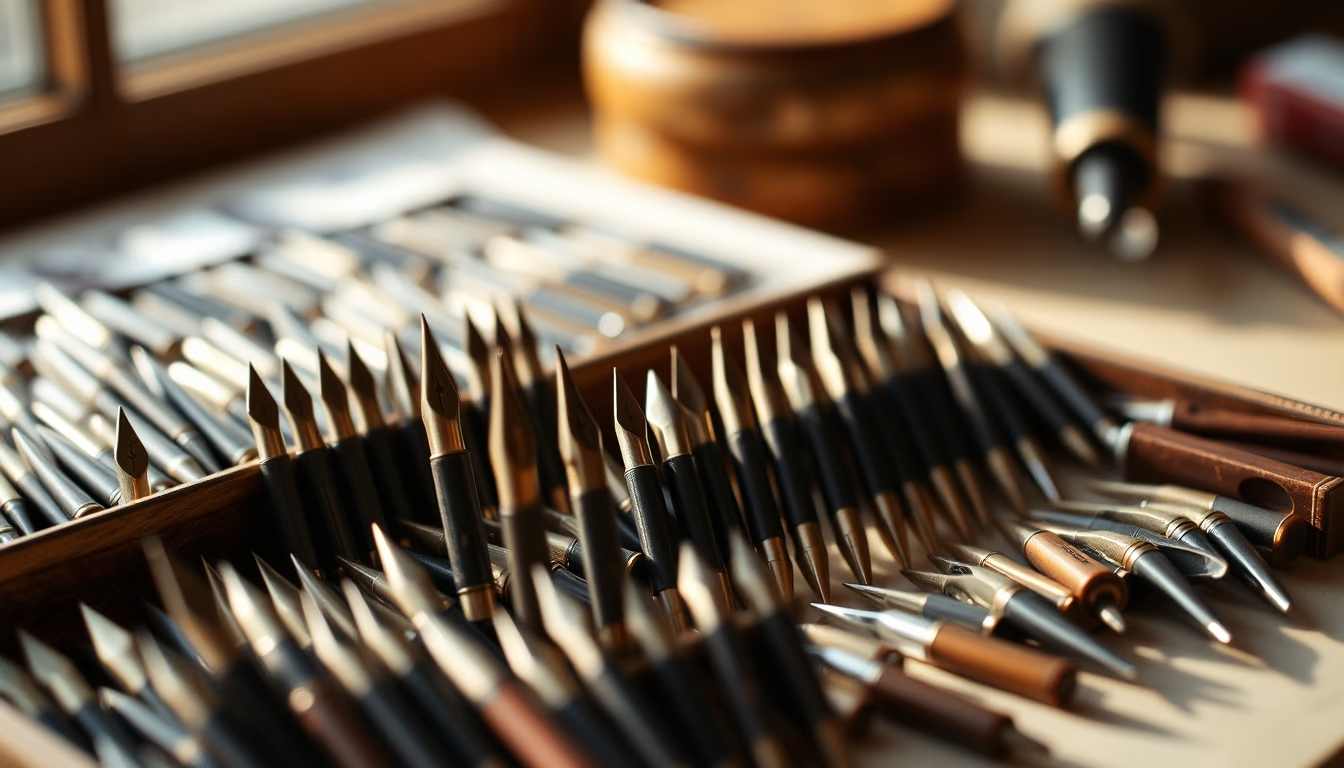
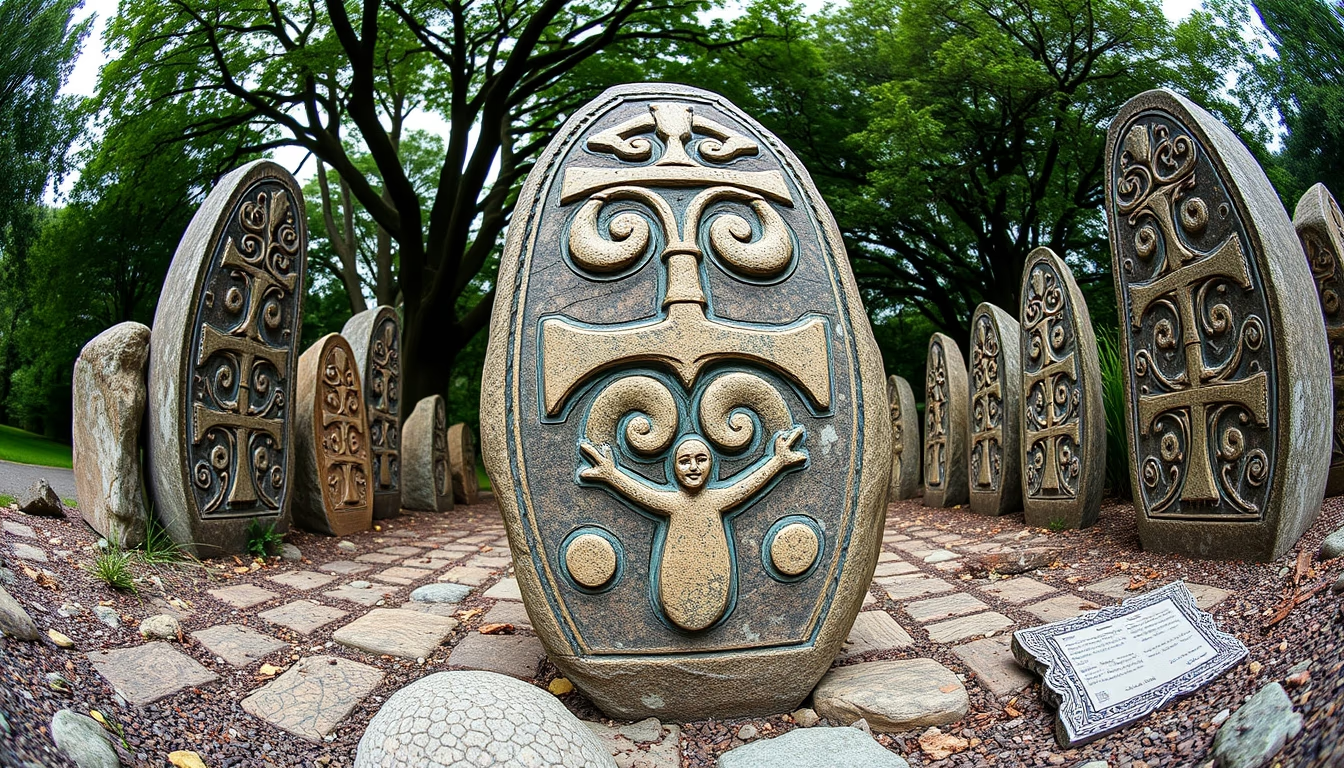
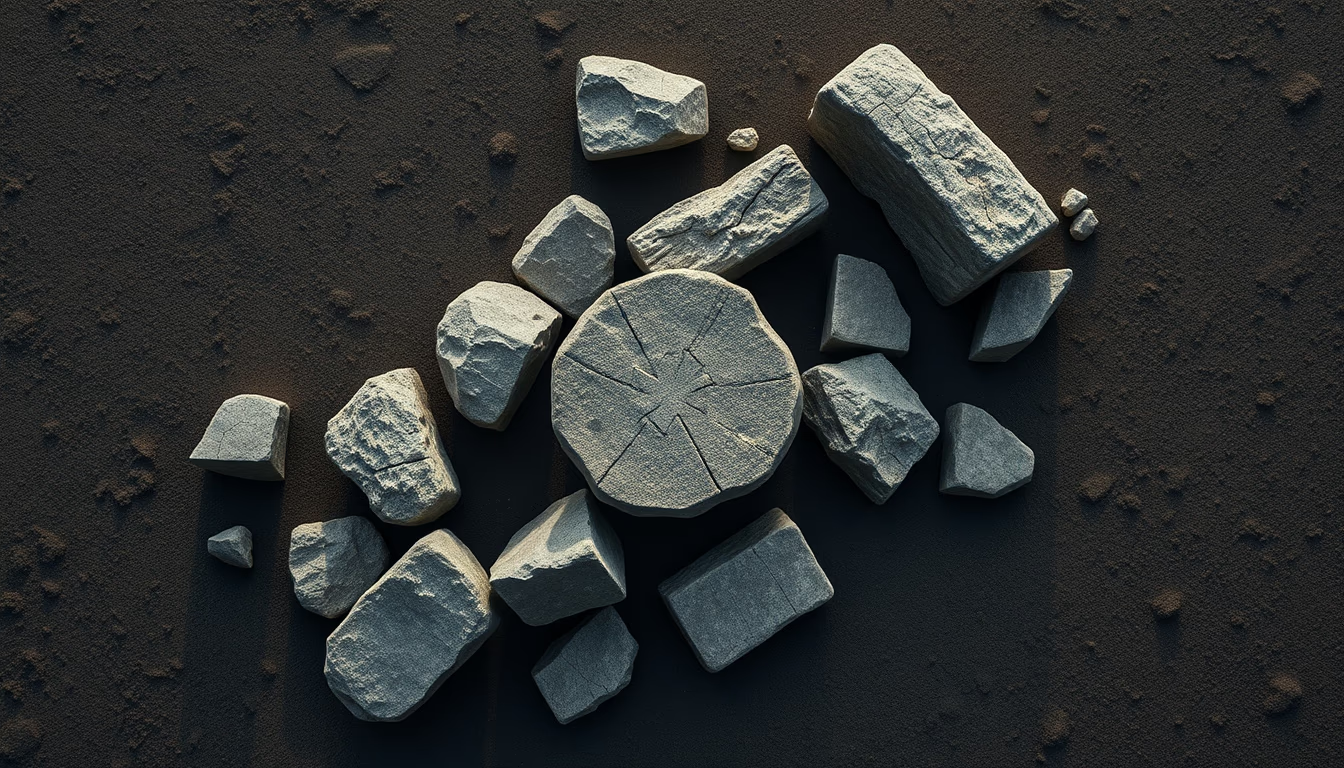
Ink for Arabic calligraphy is an essential element in Islamic art, crafted from natural ingredients such soot and gum arabic.
About this subject
Ink used in Arabic calligraphy has a long history dating back to the early centuries of Islam. Traditionally, it was made from lampblack (soot from oil lamps) mixed with gum arabic and water, creating a deep black permanent ink. This basic recipe could vary with additions like honey for sheen or fragrances such as musk. The quality of the ink was crucial for preserving manuscripts, many of which survive today in libraries worldwide, such as the National Library of Cairo.
The handcrafting process is still valued by contemporary calligraphers. Lampblack was collected from special lamps, then finely ground and mixed with gum arabic as a binder. The exact proportion varies with technique and desired effect. Thicker inks were used for broad strokes, while more fluid ones allowed fine details. The paper also influenced ink absorption and gloss.
Culturally, black ink symbolizes knowledge and wisdom in the Islamic world. The act of writing was seen as sacred, as it transmitted the words of the Quran. Renowned calligraphers like Ibn Muqla and Ibn al-Bawwab developed styles that required inks of high consistency. Black remains the most common, but colored inks made from mineral pigments like lapis lazuli for blue were also used in illuminations and titles.
Today, modern artists use acrylics or India ink, but many purists still prefer traditional recipes. Arabic calligraphy ink is not just a tool but part of a ritual connecting the calligrapher to cultural heritage. Workshops worldwide teach homemade preparation, keeping this ancient tradition alive.
Frequently Asked Questions
What ingredients make up traditional Arabic calligraphy ink?
The main ingredients are lampblack (soot from oil lamps), gum arabic as a binder, and water. Honey for sheen or musk for fragrance may be added.
Why is black ink predominant in Arabic calligraphy?
Black ink symbolizes knowledge and wisdom in Islam and ensures durability in manuscripts. The color contrasts well with paper and enhances the legibility of strokes.
Is Arabic calligraphy ink still handmade?
Yes, many contemporary calligraphers prefer traditional recipes. Workshops teach homemade preparation, valuing the connection to cultural heritage.
Direct URL
https://pub-c7d6a6ea828543ac903a74a341ccb2e1.r2.dev/imagens/arabic-calligraphy-ink-isometric-flat-lay-fresh0.avifHow to credit
Include a visible link back to UtilizAí. Copy one of the snippets below:
<a href="https://xn--utiliza-eza.com/en/midia/imagens/arabic-calligraphy-ink-isometric-flat-lay-fresh0">Arabic calligraphy ink</a> by <a href="https://xn--utiliza-eza.com">UtilizAí</a>, licensed under <a href="https://creativecommons.org/licenses/by/4.0/">CC BY 4.0</a>.
[Arabic calligraphy ink](https://xn--utiliza-eza.com/en/midia/imagens/arabic-calligraphy-ink-isometric-flat-lay-fresh0) by [UtilizAí](https://xn--utiliza-eza.com), CC BY 4.0
License: CC-BY-4.0