Arabic calligraphy ink
1344×768 · AVIF · CC BY 4.0
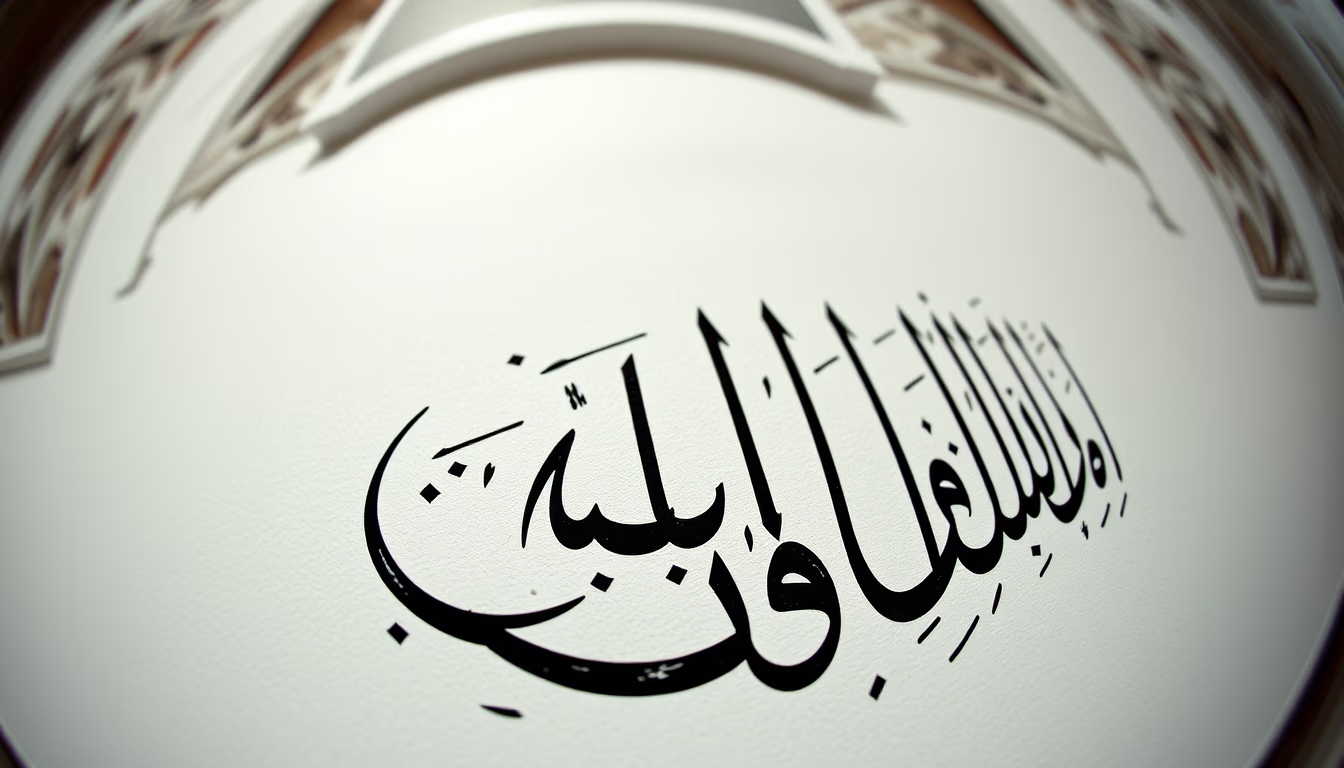
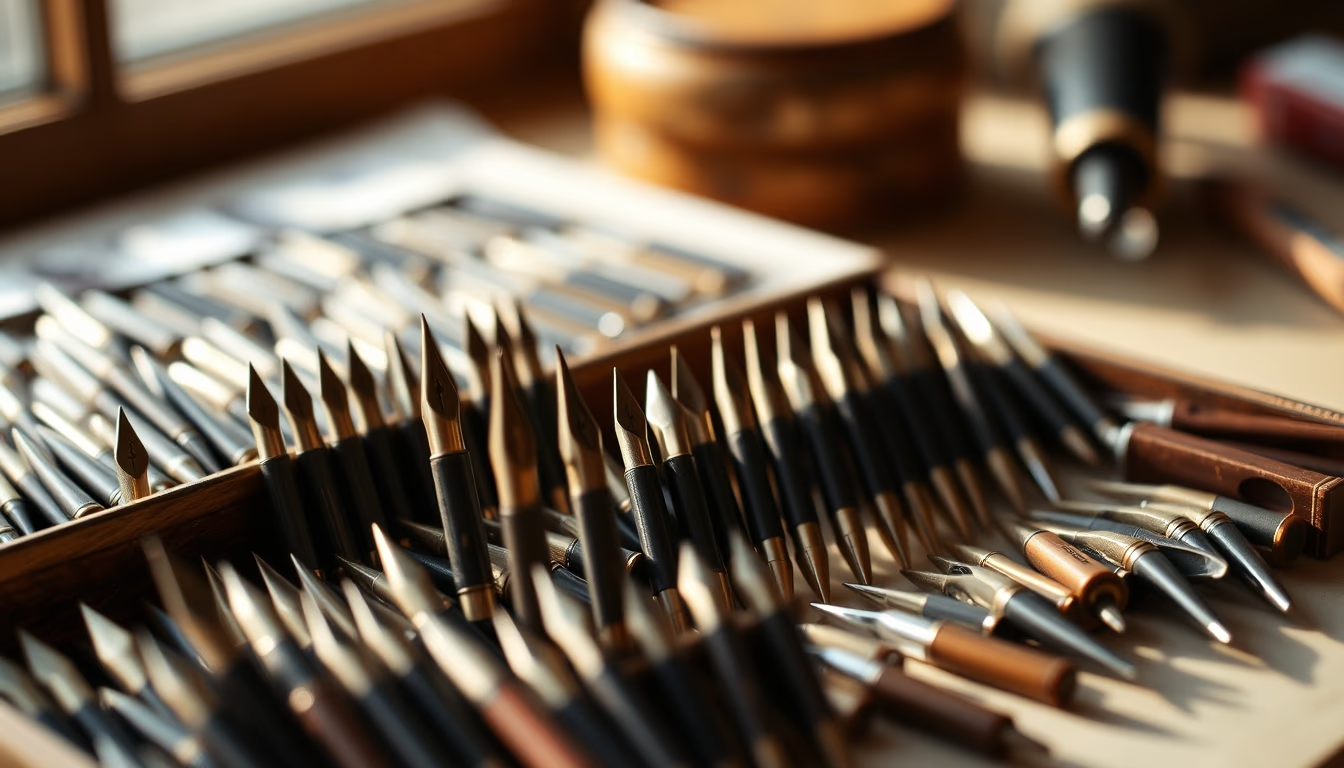
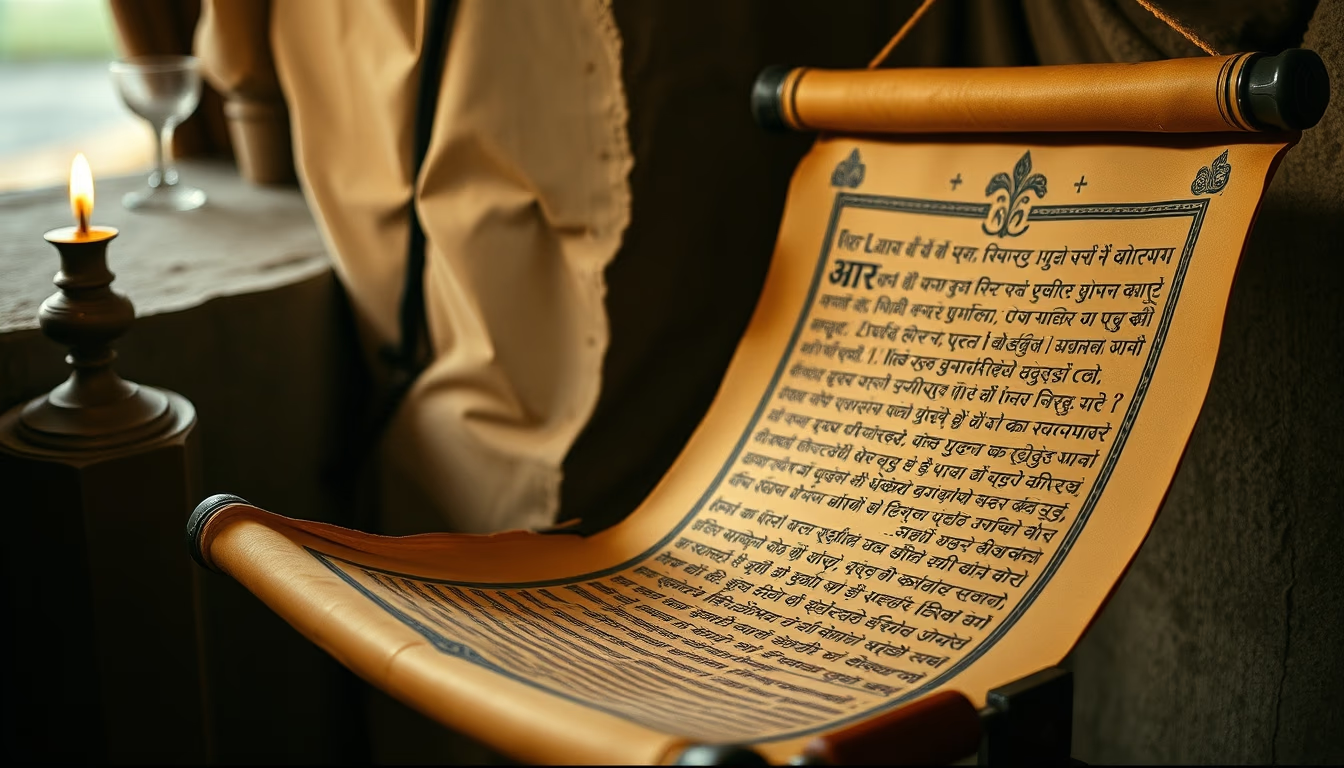
Arabic calligraphy ink is made from soot, gum arabic, and water, used for centuries in Islamic manuscripts.
About this subject
Arabic calligraphy ink has a traditional composition dating back to the early Islamic period. Usually made from lampblack (soot), gum arabic as a binder, and water, it may also include honey, egg white, or vinegar to adjust viscosity and durability. The predominant color is deep black, but brownish variations occur depending on the source of materials.
Historically, the ink was refined in calligraphic centers such as Baghdad, Cairo, and Istanbul, with recipes documented in treatises from the 10th to 15th centuries. In the Islamic world, calligraphy is considered the noblest of visual arts, and ink quality was crucial for preserving Qur'anic manuscripts and literary works. The ink's fluidity enabled crisp, curvilinear strokes characteristic of Kufic, Naskh, and Thuluth styles.
Culturally, ink making was a specialized craft, often associated with rituals of purity. Even today, contemporary calligraphers use traditional inks or modern acrylic versions, valuing the texture and sheen that mimic historical pigments. Arabic calligraphy ink is not just a material but a link to a millennia-old artistic tradition that prizes precision and spirituality.
Frequently Asked Questions
What is the traditional composition of Arabic calligraphy ink?
The traditional composition includes lampblack (soot), gum arabic as a binder, and water. Some calligraphers add honey, egg white, or vinegar to modify consistency and adhesion.
Why is black ink the most commonly used in Arabic calligraphy?
Black ink offers high contrast against parchment or paper, enhancing readability and visual impact of the strokes. Moreover, black carries connotations of sophistication and reverence in religious contexts.
How does ink influence calligraphy style?
The fluidity and viscosity of the ink determine the thickness and curvature of strokes. Thicker inks favor angular styles like Kufic, while thinner inks allow sinuous lines typical of Naskh and Thuluth.
Direct URL
https://pub-c7d6a6ea828543ac903a74a341ccb2e1.r2.dev/imagens/arabic-calligraphy-ink-fish-eye-wide-angle-fresh1.avifHow to credit
Include a visible link back to UtilizAí. Copy one of the snippets below:
<a href="https://xn--utiliza-eza.com/en/midia/imagens/arabic-calligraphy-ink-fish-eye-wide-angle-fresh1">Arabic calligraphy ink</a> by <a href="https://xn--utiliza-eza.com">UtilizAí</a>, licensed under <a href="https://creativecommons.org/licenses/by/4.0/">CC BY 4.0</a>.
[Arabic calligraphy ink](https://xn--utiliza-eza.com/en/midia/imagens/arabic-calligraphy-ink-fish-eye-wide-angle-fresh1) by [UtilizAí](https://xn--utiliza-eza.com), CC BY 4.0
License: CC-BY-4.0