Anchor large rusty
1344×768 · AVIF · CC BY 4.0
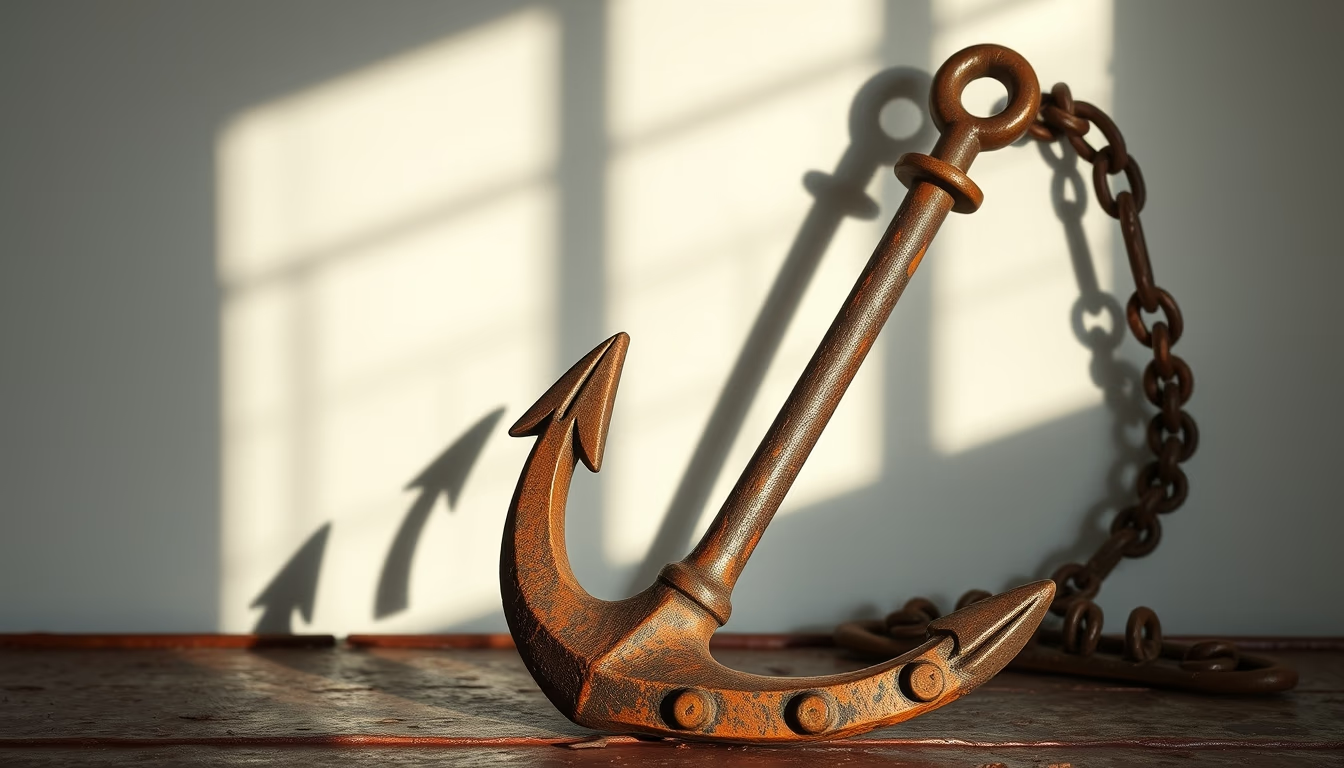
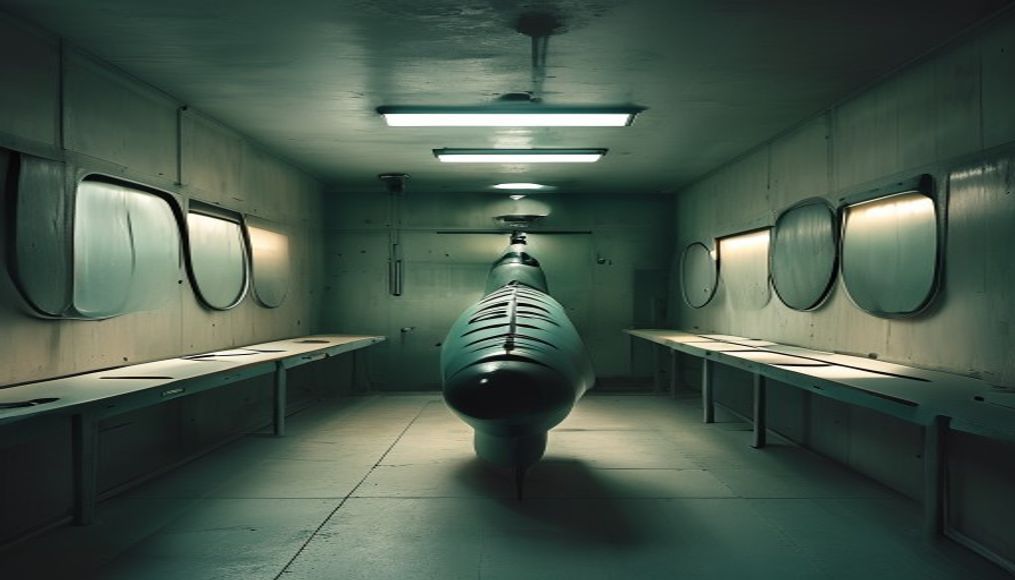
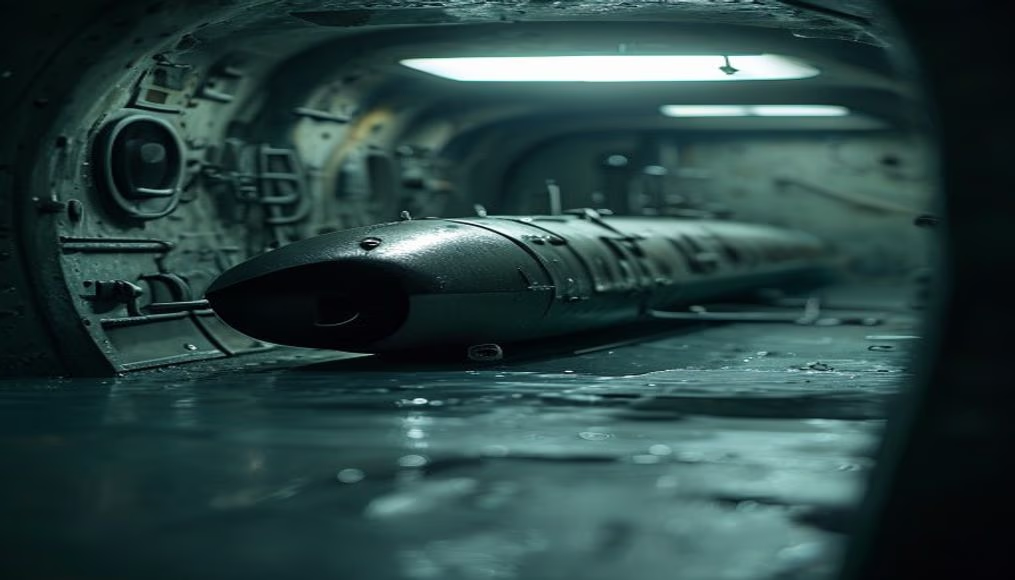
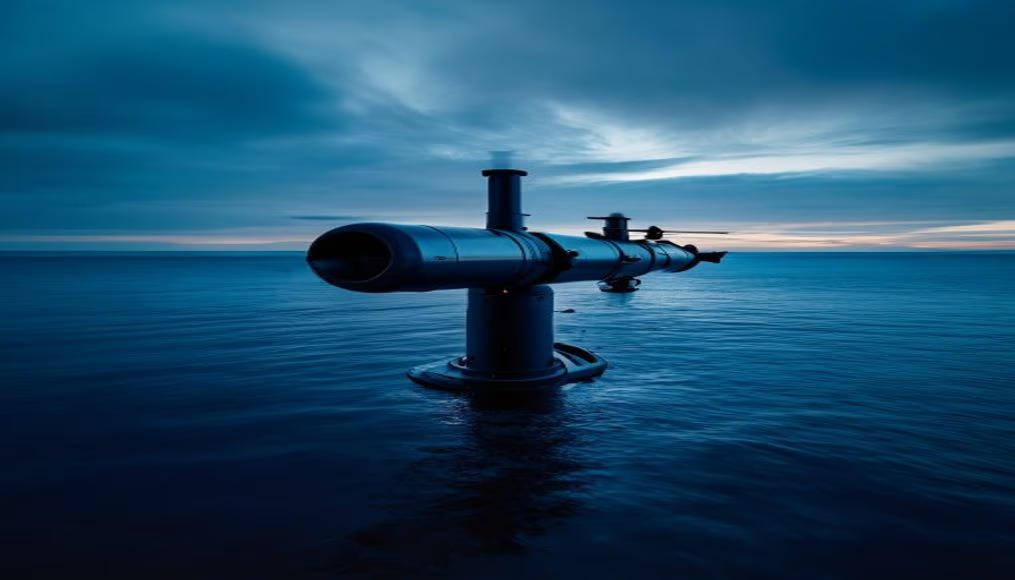
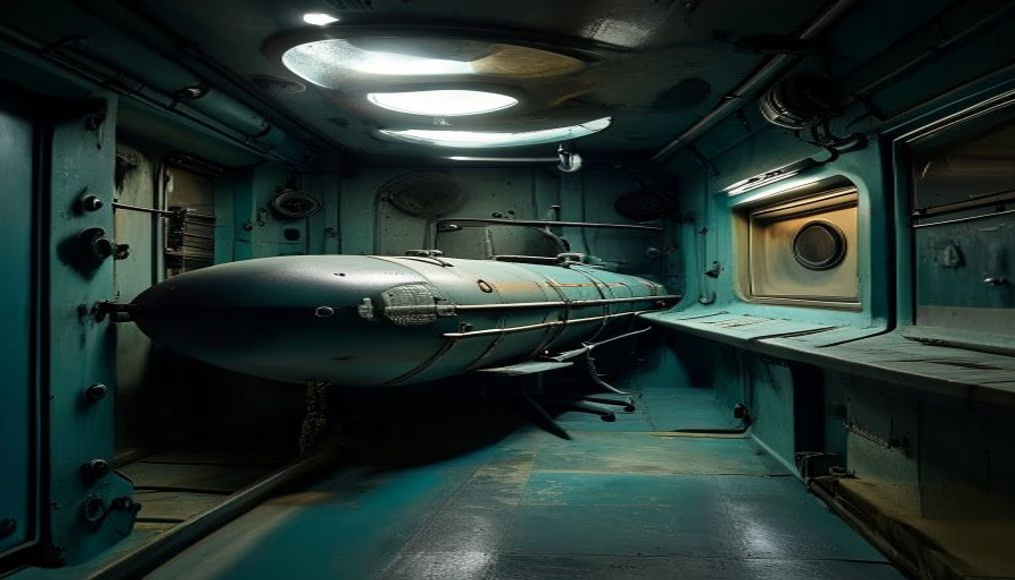
Rusty anchors hold navigation histories, symbolizing safety and resilience against time in the maritime world.
About this subject
Anchors are among the oldest nautical instruments, with records dating back thousands of years. Originally made of stone or wood, they evolved into metals like iron and steel. A large rusty anchor, like the one depicted, carries marks of intense use and exposure to the marine environment, where corrosion is inevitable. The rusting process (oxidation) occurs due to the reaction of iron with oxygen and saltwater, forming a layer that can protect the inner metal but also weakens the structure over time.
Large anchors were common on merchant and military ships of the 19th and early 20th centuries, such as warships and early ocean liners. The admiralty anchor model, with two curved flukes and a central shank, was standard for its efficiency in gripping the seabed. Rust on these pieces is not just a sign of age; it also tells stories of voyages, storms, and ports visited. Many old anchors today are preserved as monuments in coastal cities, reminding us of the importance of navigation for trade and culture.
Beyond historical value, anchors carry strong symbolism. They represent stability, hope, and safety, often used in coats of arms, tattoos, and logos. In Greek mythology, the anchor was associated with Poseidon, god of the seas. In Christianity, it became a symbol of steadfast faith. A rusty anchor, in particular, evokes the passage of time and the decaying beauty of objects that have fulfilled their purpose. In naval museums worldwide, such as the Maritime Museum of Barcelona or the National Maritime Museum in Santos (Brazil), visitors can see anchors centuries old, each with its own navigation story.
Conservation of metal anchors requires special care. In outdoor settings, rust can be stabilized with chemical treatments or paint, but many prefer to keep the natural aged look as a testament to service rendered. For photographers and artists, rusty anchors are frequent subjects, representing the contrast between the robustness of metal and the fragility imposed by time.
Frequently Asked Questions
Why do anchors rust?
Anchors are made mainly of iron or steel, metals that react with oxygen and saltwater, forming iron oxide (rust). Constant exposure to the marine environment accelerates this process.
What is the symbolic meaning of an anchor?
The anchor symbolizes stability, hope, and safety. It is used in religious contexts, such as Christianity, where it represents steadfast faith, and also as a universal nautical symbol.
How was a large anchor used on old ships?
On old ships, large anchors were lowered by ropes or chains to fix the vessel to the seabed. The admiralty model, with curved flukes, was popular for gripping the bottom well, preventing the ship from drifting.
Direct URL
https://pub-c7d6a6ea828543ac903a74a341ccb2e1.r2.dev/imagens/anchor-large-rusty-magazine-editorial-p0.avifHow to credit
Include a visible link back to UtilizAí. Copy one of the snippets below:
<a href="https://xn--utiliza-eza.com/en/midia/imagens/anchor-large-rusty-magazine-editorial-p0">Anchor large rusty</a> by <a href="https://xn--utiliza-eza.com">UtilizAí</a>, licensed under <a href="https://creativecommons.org/licenses/by/4.0/">CC BY 4.0</a>.
[Anchor large rusty](https://xn--utiliza-eza.com/en/midia/imagens/anchor-large-rusty-magazine-editorial-p0) by [UtilizAí](https://xn--utiliza-eza.com), CC BY 4.0
License: CC-BY-4.0