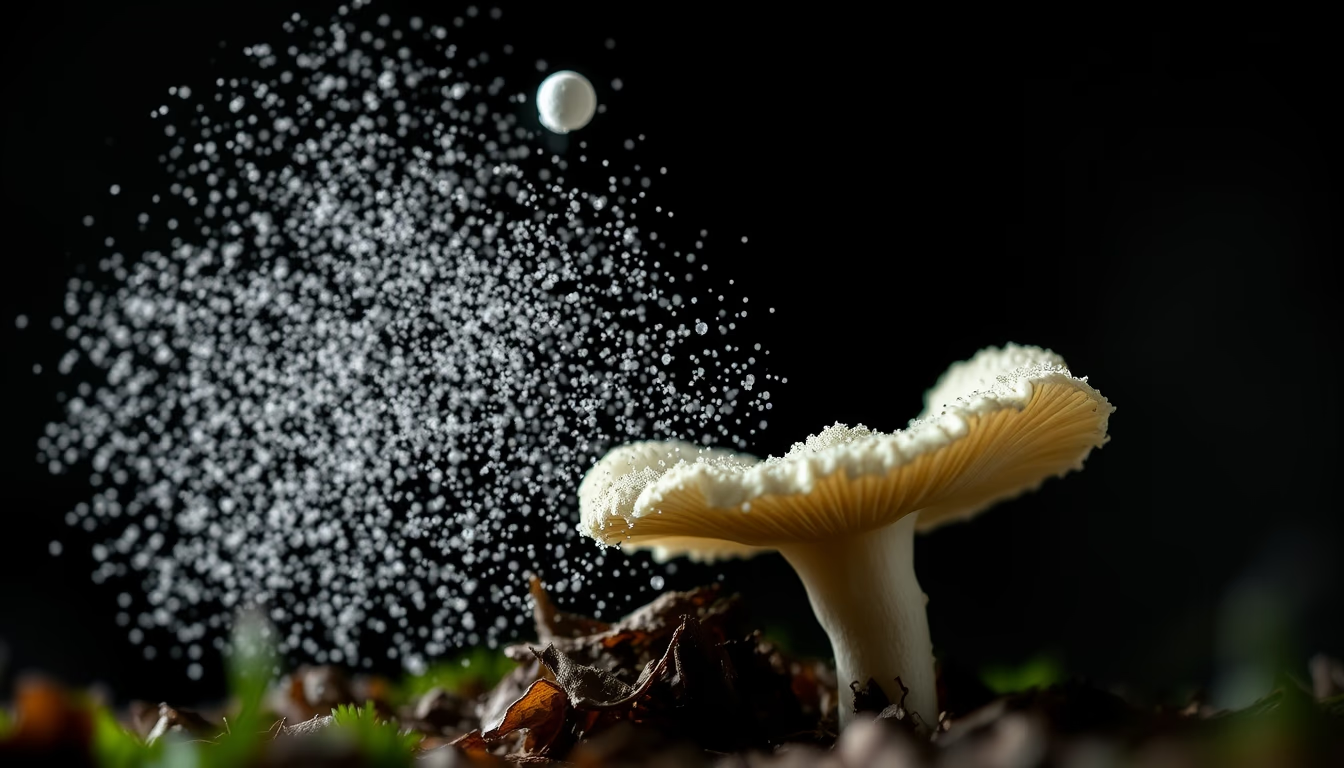
Amanita muscaria red
1344×768 · AVIF · CC BY 4.0
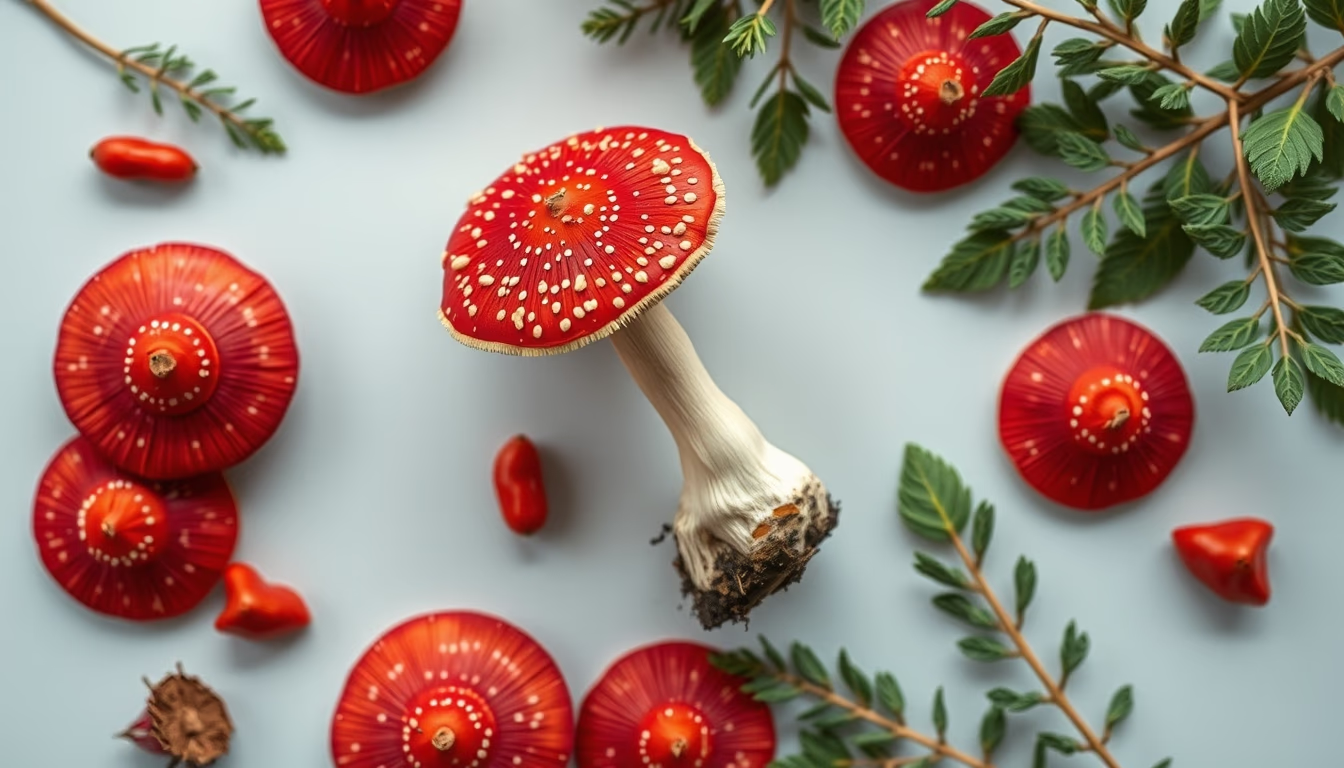
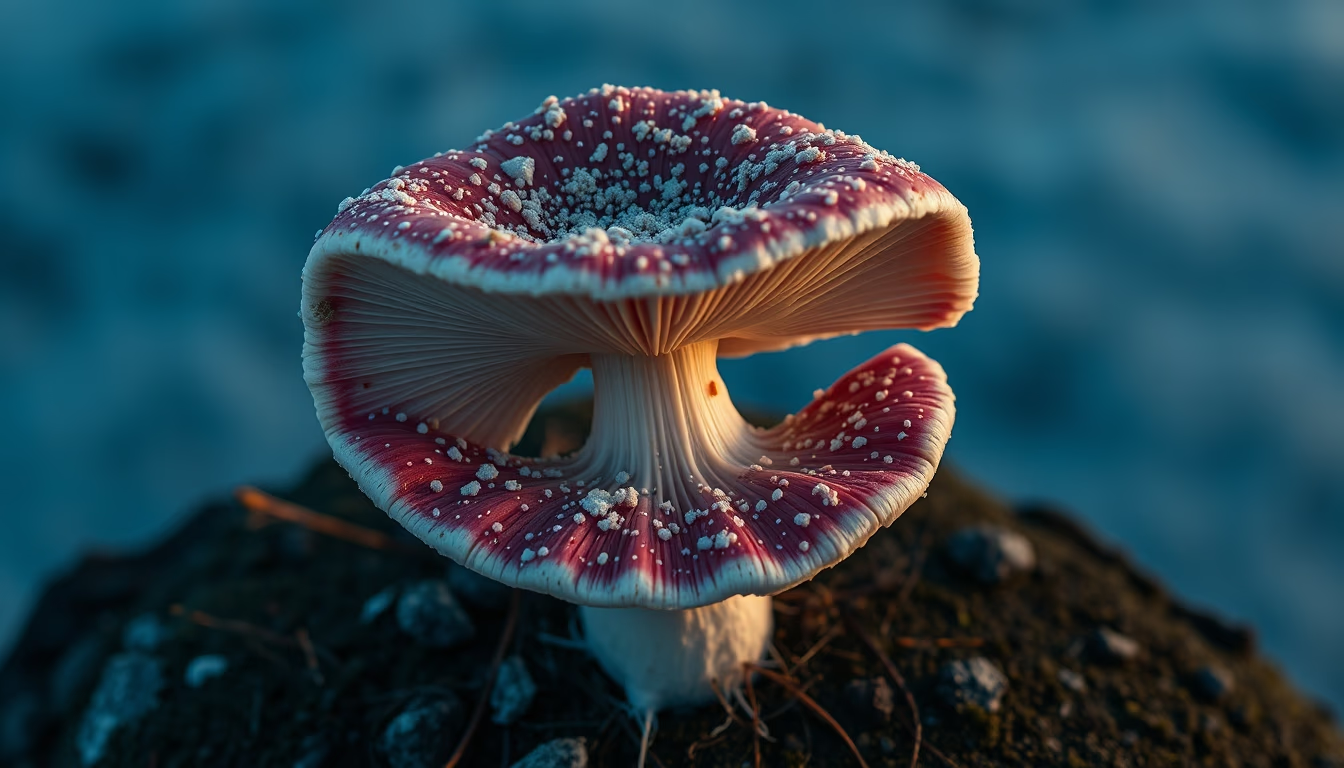
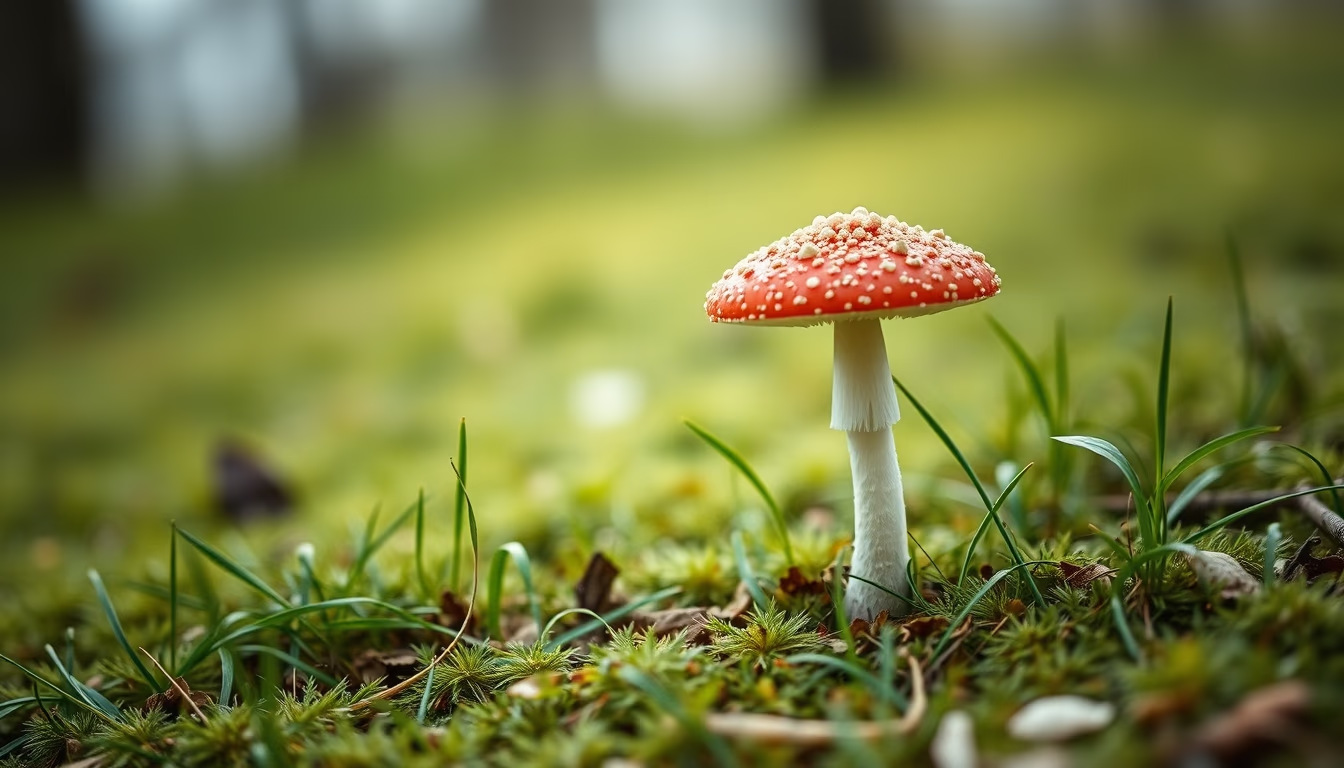
Amanita muscaria is an iconic red-capped mushroom with white spots, known for its toxicity and historical use in shamanic rituals.
About this subject
Amanita muscaria, commonly known as the fly agaric or fly mushroom, is one of the most recognizable mushroom species worldwide. Its bright red cap dotted with white warts and white stem with a ring are unmistakable. This fungus forms mycorrhizal associations with trees such as birches and pines, thriving in temperate regions of the Northern Hemisphere, particularly Europe, North America, and Asia. Accidental introductions have occurred elsewhere, including Brazil, via imported tree seedlings.
The toxicity of Amanita muscaria comes from compounds ibotenic acid and muscimol, which affect the central nervous system, causing hallucinations and delirium. Unlike the deadly Amanita phalloides, it is rarely lethal but induces nausea, confusion, and drowsiness. Historically, it was used by Siberian peoples like the Chukchi and Koryak in shamanic rituals to induce altered states of consciousness. The mushroom appears in popular culture, notably in Lewis Carroll's 'Alice in Wonderland', where Alice eats a piece to change her size.
Although considered poisonous, some cultures consume it after processing to reduce toxicity. In Switzerland and Japan, traditions involve boiling or drying. Modern research explores its therapeutic potential for depression and anxiety, inspired by anecdotal reports of relief after microdosing. However, studies are preliminary and home consumption is discouraged.
Conservation of Amanita muscaria depends on preserving temperate and boreal forests, as its existence relies on specific trees. As a bioindicator of healthy soils, its presence suggests balanced ecosystems. The mushroom also inspires designs in fashion and decor, becoming a visual icon beyond biology.
Frequently Asked Questions
Is Amanita muscaria edible?
Not raw. It is toxic, but some cultures consume it after proper processing (boiling or drying). Toxicity varies, and home preparation is not recommended.
Where is Amanita muscaria found?
Predominantly in temperate forests of the Northern Hemisphere, associated with birches and pines. It has been introduced to regions like South America, Africa, and Australia.
What are the effects of Amanita muscaria on the body?
It causes hallucinations, nausea, drowsiness, and confusion. The active compounds are ibotenic acid and muscimol, which affect the central nervous system.
Direct URL
https://pub-c7d6a6ea828543ac903a74a341ccb2e1.r2.dev/imagens/amanita-muscaria-red-isometric-flat-lay-p11.avifHow to credit
Include a visible link back to UtilizAí. Copy one of the snippets below:
<a href="https://xn--utiliza-eza.com/en/midia/imagens/amanita-muscaria-red-isometric-flat-lay-p11">Amanita muscaria red</a> by <a href="https://xn--utiliza-eza.com">UtilizAí</a>, licensed under <a href="https://creativecommons.org/licenses/by/4.0/">CC BY 4.0</a>.
[Amanita muscaria red](https://xn--utiliza-eza.com/en/midia/imagens/amanita-muscaria-red-isometric-flat-lay-p11) by [UtilizAí](https://xn--utiliza-eza.com), CC BY 4.0
License: CC-BY-4.0