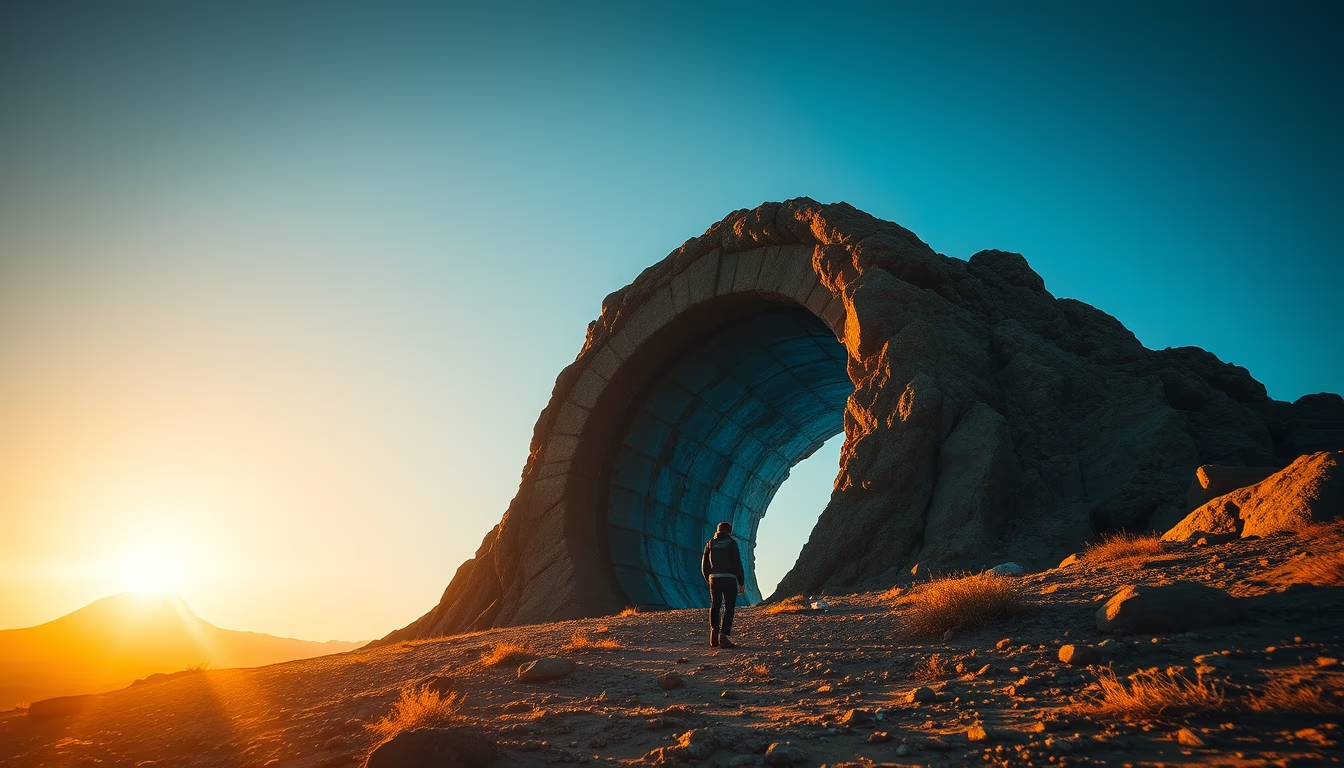
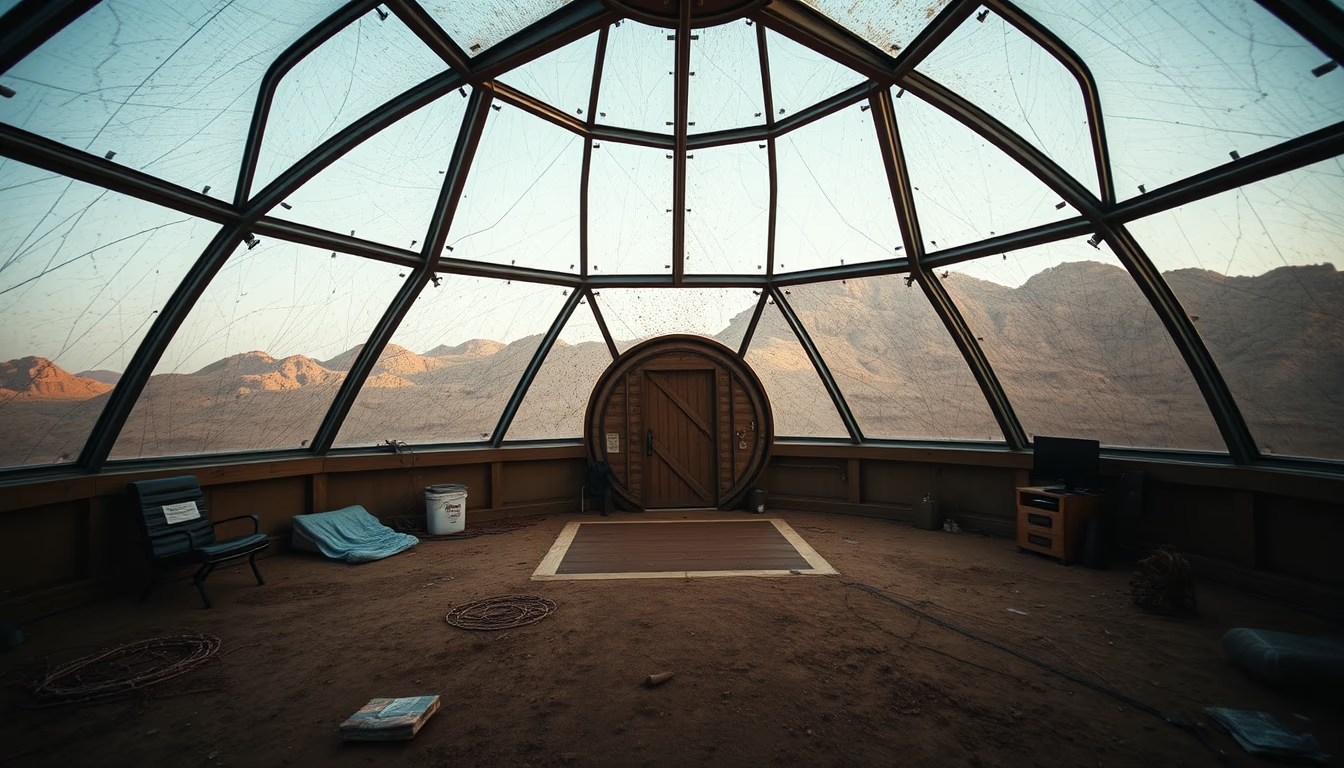
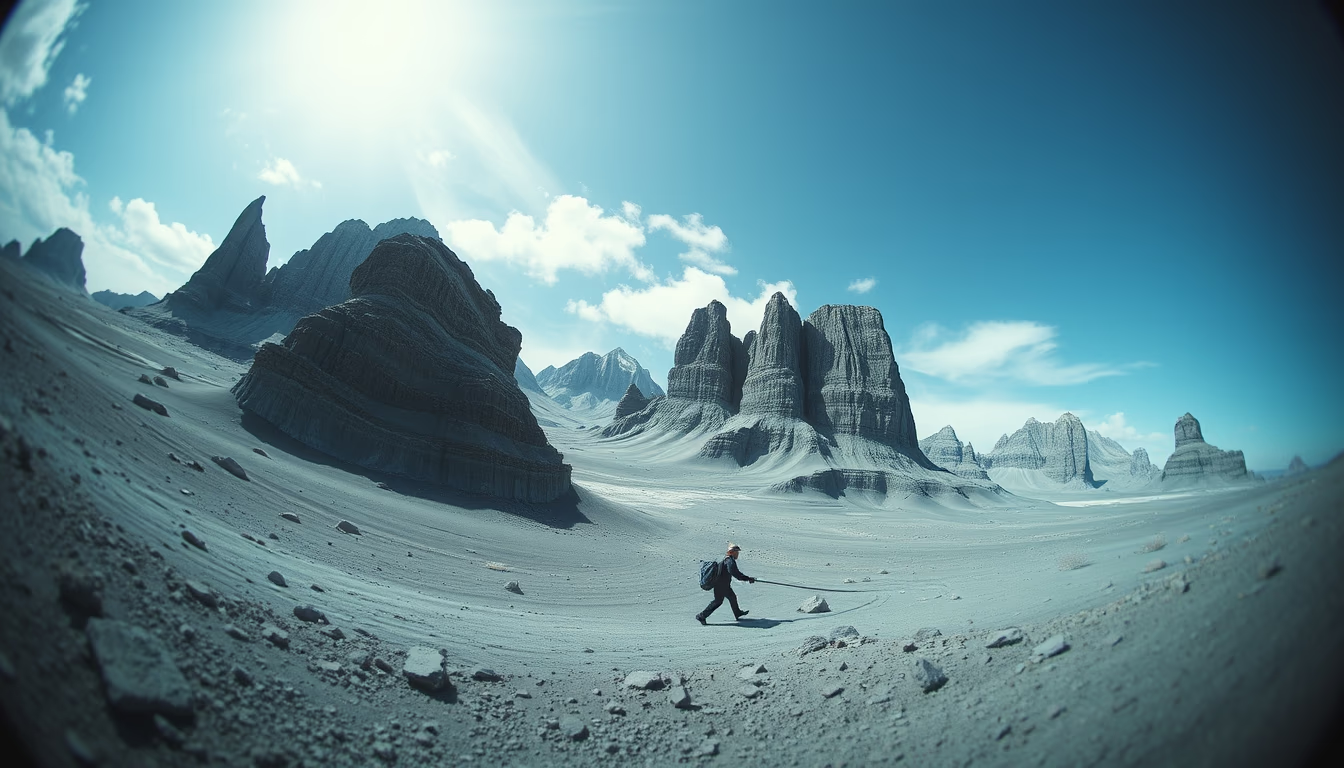
Alien landscape concept
1344×768 · AVIF · CC BY 4.0

Alien landscapes in science fiction blend speculative geology with exotic atmospheres, inspiring from classic films to the lo-fi aesthetic of disposable cameras.
About this subject
Alien landscapes are a core element of visual science fiction, representing worlds we have never visited. They combine real geological principles, such as Martian rock formations or Jupiter's icy moons, with creative freedom to create colorful skies, impossible reliefs, and unreal colors. The lo-fi aesthetic, often associated with disposable cameras, adds grain, vignetting, and chromatic aberrations reminiscent of analog records from fictional expeditions, giving a nostalgic and documentary tone to these scenarios.
In cinema, iconic examples include the desert plains of Tatooine in Star Wars, the floating cliffs of Pandora in Avatar, and Venus's acidic atmosphere in some 1960s films. In literature, authors like Arthur C. Clarke and Ursula K. Le Guin describe alien ecosystems with plausible scientific detail. Games like No Man's Sky procedurally generate billions of planets with unique landscapes, exploring concepts of alien geology such as inverted mountains or methane oceans.
The choice for a lo-fi aesthetic is not accidental: it evokes the sensation of viewing real records from an expedition, like old photos of terrestrial explorations. The grain and wear simulate aging photographic material, suggesting those landscapes were captured by a disposable camera left on a distant planet. This contrast between futuristic content and outdated form creates a powerful visual tension, widely used in concept art and electronic music album covers.
Fun fact: the term "lo-fi disposable camera" has become a trend in digital art communities, where artists apply filters that mimic characteristics of cameras like the Kodak FunSaver. In 2023, the lo-fi aesthetic was highlighted in exhibitions on AI-generated art for its ability to humanize the representation of the unknown.
Frequently Asked Questions
What defines an alien landscape in science fiction?
An alien landscape is the visual representation of an extraterrestrial environment, combining speculative geological elements (such as exotic rock formations, colorful atmospheres, or oceans of other compounds) with artistic freedom to convey the feeling of a world different from ours.
Why is the lo-fi aesthetic used in alien landscape images?
The lo-fi aesthetic from disposable cameras adds grain, vignetting, and imperfections reminiscent of old analog photographs, suggesting the image was captured by a simple camera during a real expedition, which increases the sense of authenticity and nostalgia.
How does real geology influence the creation of alien landscapes?
Scientists and artists draw on geological formations from Earth and other Solar System bodies, such as the dunes of Mars, the volcanoes of Io (Jupiter's moon), or the geysers of Enceladus (Saturn's moon), to create scenes that are visually interesting yet still plausible within current scientific knowledge.
Direct URL
https://pub-c7d6a6ea828543ac903a74a341ccb2e1.r2.dev/imagens/alien-landscape-concept-lo-fi-disposable-camera-fresh14.avifHow to credit
Include a visible link back to UtilizAí. Copy one of the snippets below:
<a href="https://xn--utiliza-eza.com/en/midia/imagens/alien-landscape-concept-lo-fi-disposable-camera-fresh14">Alien landscape concept</a> by <a href="https://xn--utiliza-eza.com">UtilizAí</a>, licensed under <a href="https://creativecommons.org/licenses/by/4.0/">CC BY 4.0</a>.
[Alien landscape concept](https://xn--utiliza-eza.com/en/midia/imagens/alien-landscape-concept-lo-fi-disposable-camera-fresh14) by [UtilizAí](https://xn--utiliza-eza.com), CC BY 4.0
License: CC-BY-4.0