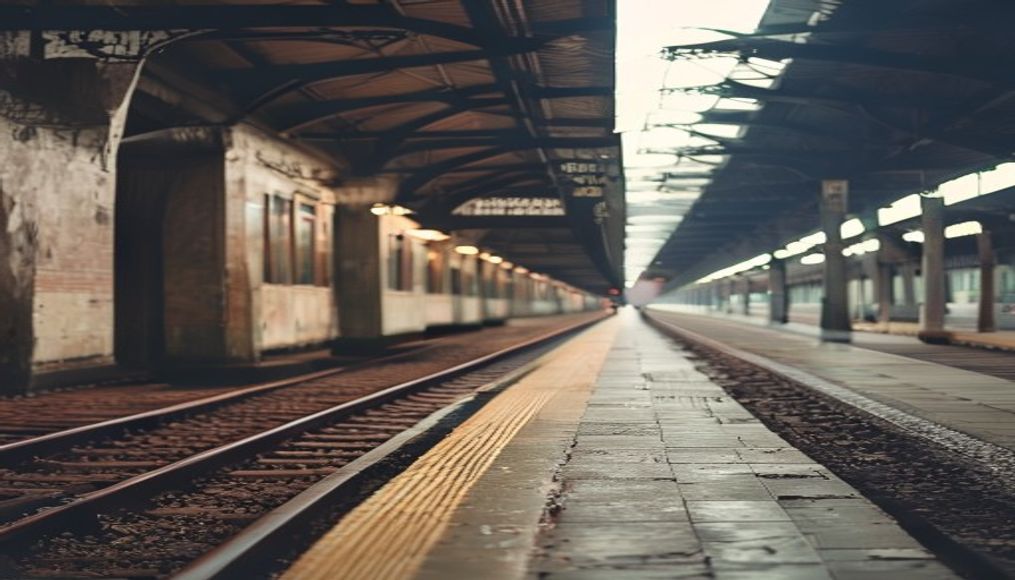
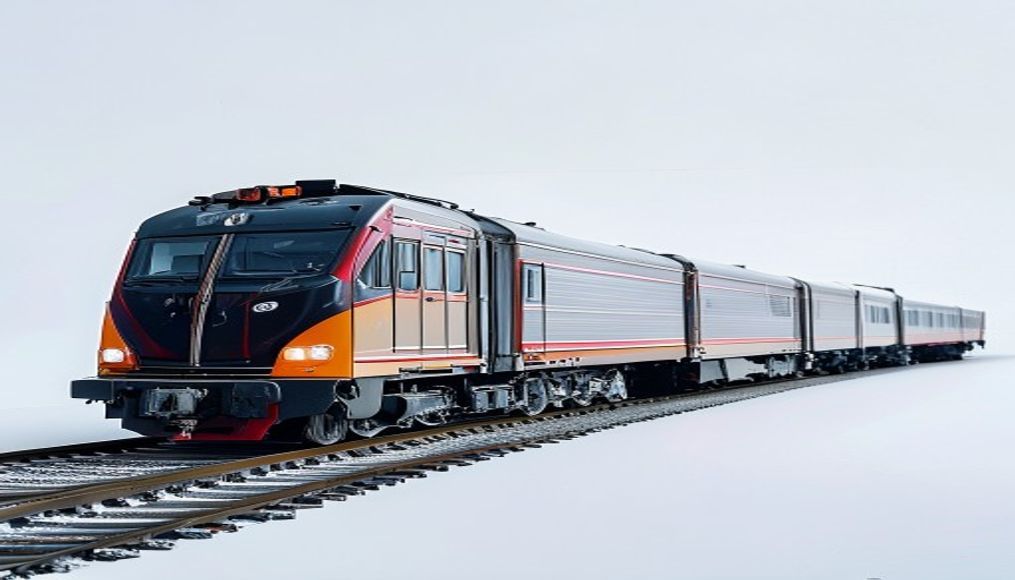
Underground tube london
1344×768 · AVIF · CC BY 4.0
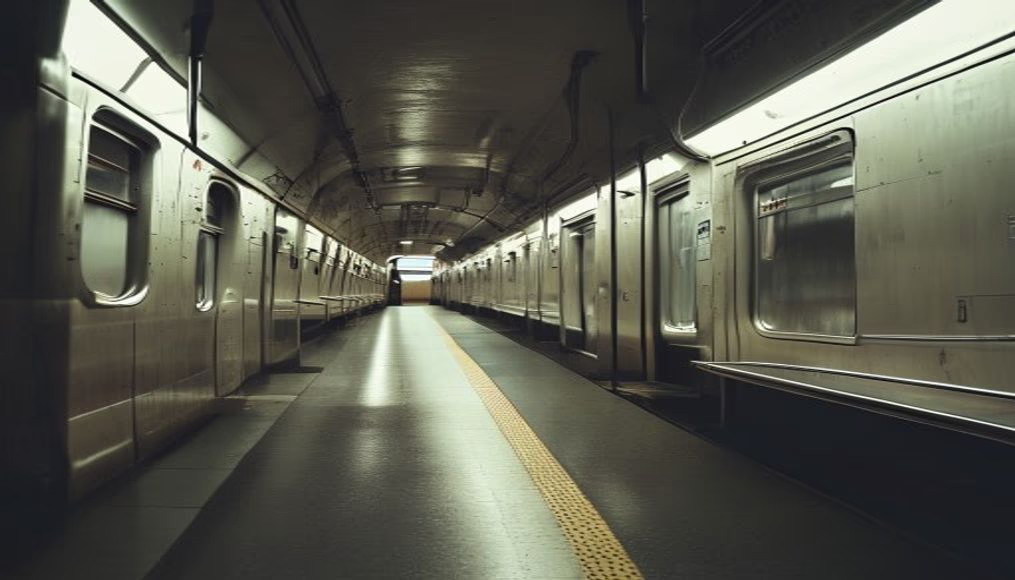
The London Underground, commonly called the Tube, is the world's oldest underground railway network, opened in 1863.
About this subject
The London Underground, commonly known as the Tube, is one of the most iconic subway networks in the world. Opened on January 10, 1863, as the Metropolitan Railway, it rapidly expanded and now comprises 11 lines covering approximately 402 kilometers and serving 272 stations. The system carries around 5 million passengers on a typical weekday, making it crucial for mobility in the British capital.
The minimalist design of the Tube map, created by Harry Beck in 1931, revolutionized how transit systems are visually represented. Beck abandoned precise geographic scale and used only straight lines and 45-degree angles, producing a clear and functional diagram. This style influenced metro maps worldwide, from Tokyo to New York. The Johnston typeface, developed for the system in 1916 by artist Edward Johnston, also became a symbol of London's visual identity.
Culturally, the Tube appears in literature, film, and music. The iconic announcement "mind the gap" is recognized globally, and stations like Baker Street, Paddington, and King's Cross are famous for their connections to Sherlock Holmes, Paddington Bear, and the Harry Potter saga. Additionally, the system plays a vital role in engineering history, with tunnels excavated under the River Thames and the integration of steam and electric trains.
Frequently Asked Questions
What is the deepest station on the London Underground?
The deepest station is Hampstead on the Northern line, at 58.5 meters below street level.
How many lines does the London Underground have?
Currently, the system has 11 lines, including the famous Bakerloo, Central, Circle, District, Hammersmith & City, Jubilee, Metropolitan, Northern, Piccadilly, Victoria, and Waterloo & City.
Why is the London Underground called the Tube?
The name Tube comes from the cylindrical shape of the deep-level tunnels, which resemble tubes. The early lines were shallower, but from 1890 onward, tunnels were bored using tunnel boring machines that created circular sections.
Direct URL
https://pub-c7d6a6ea828543ac903a74a341ccb2e1.r2.dev/imagens/underground-tube-london-minimalist-composition-p3.avifHow to credit
Include a visible link back to UtilizAí. Copy one of the snippets below:
<a href="https://xn--utiliza-eza.com/en/midia/imagens/underground-tube-london-minimalist-composition-p3">Underground tube london</a> by <a href="https://xn--utiliza-eza.com">UtilizAí</a>, licensed under <a href="https://creativecommons.org/licenses/by/4.0/">CC BY 4.0</a>.
[Underground tube london](https://xn--utiliza-eza.com/en/midia/imagens/underground-tube-london-minimalist-composition-p3) by [UtilizAí](https://xn--utiliza-eza.com), CC BY 4.0
License: CC-BY-4.0