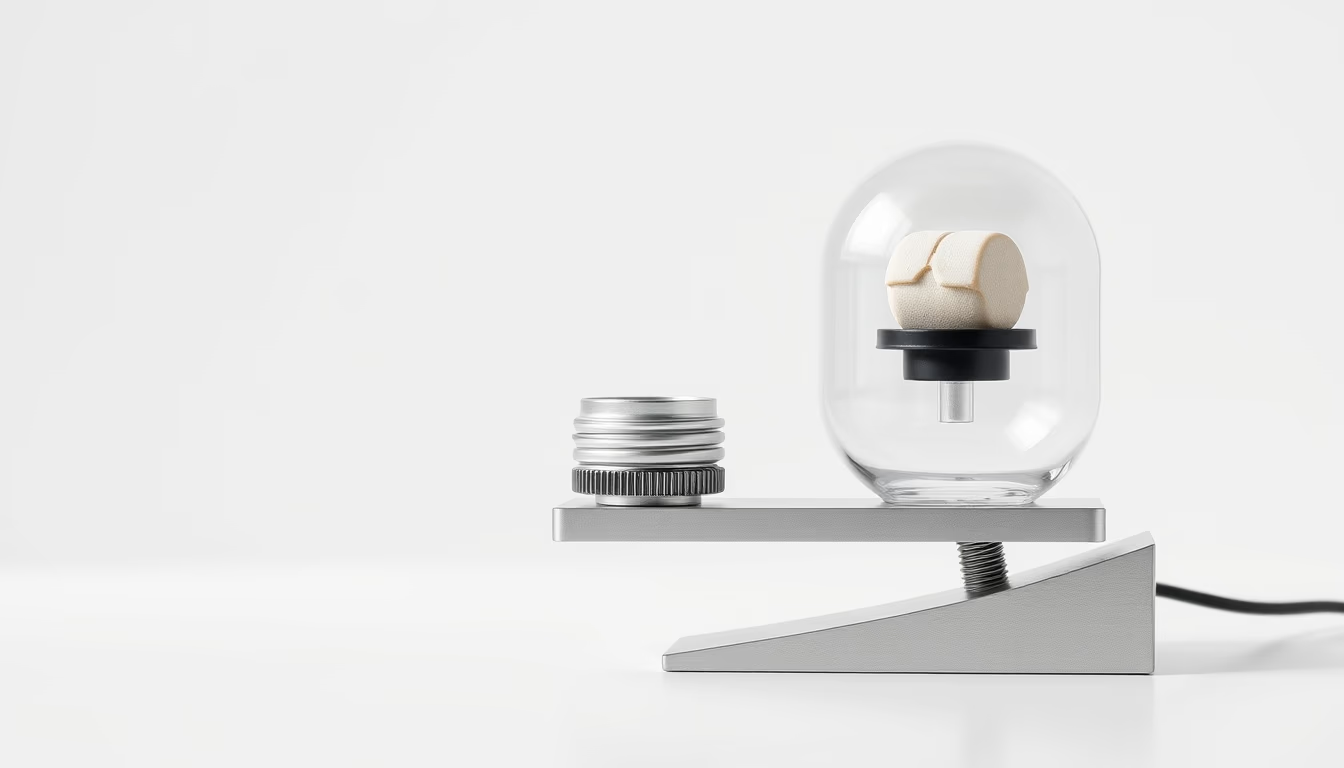
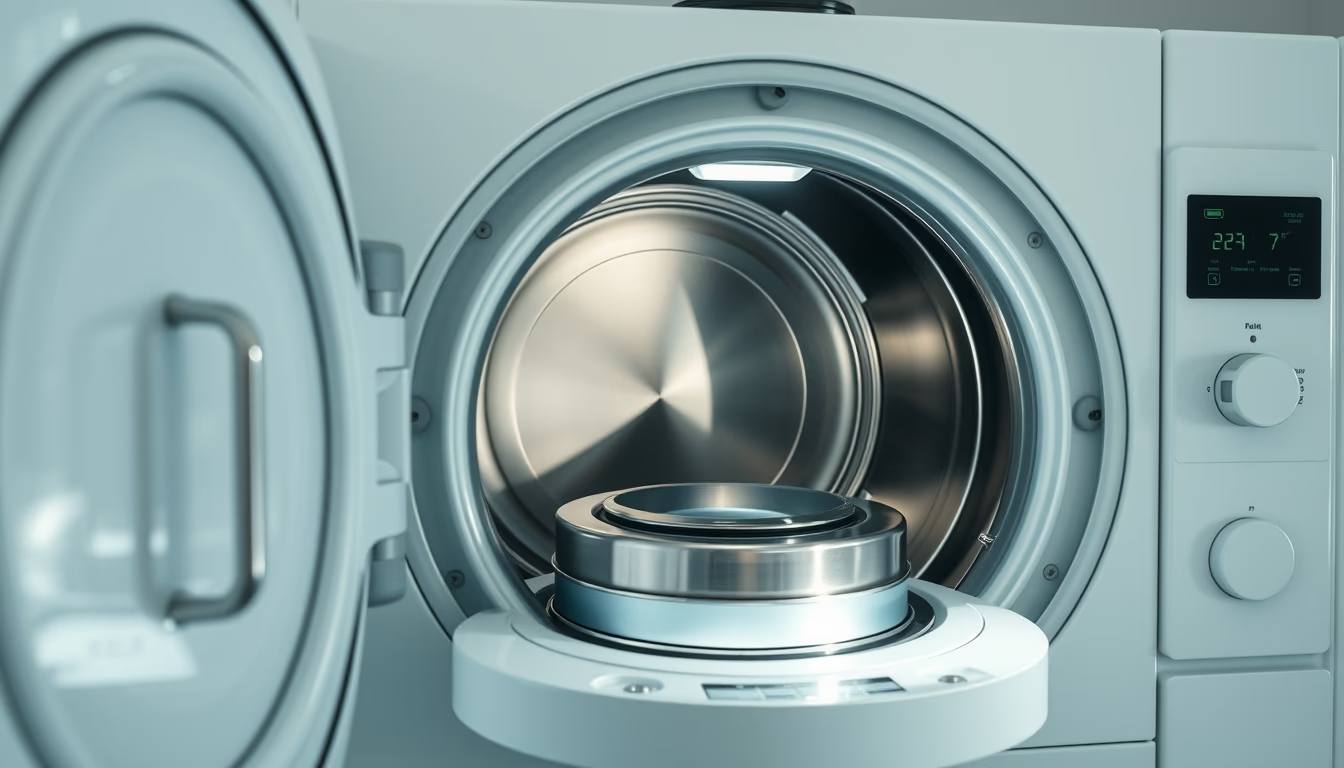
Rotovap evaporator
1344×768 · AVIF · CC BY 4.0
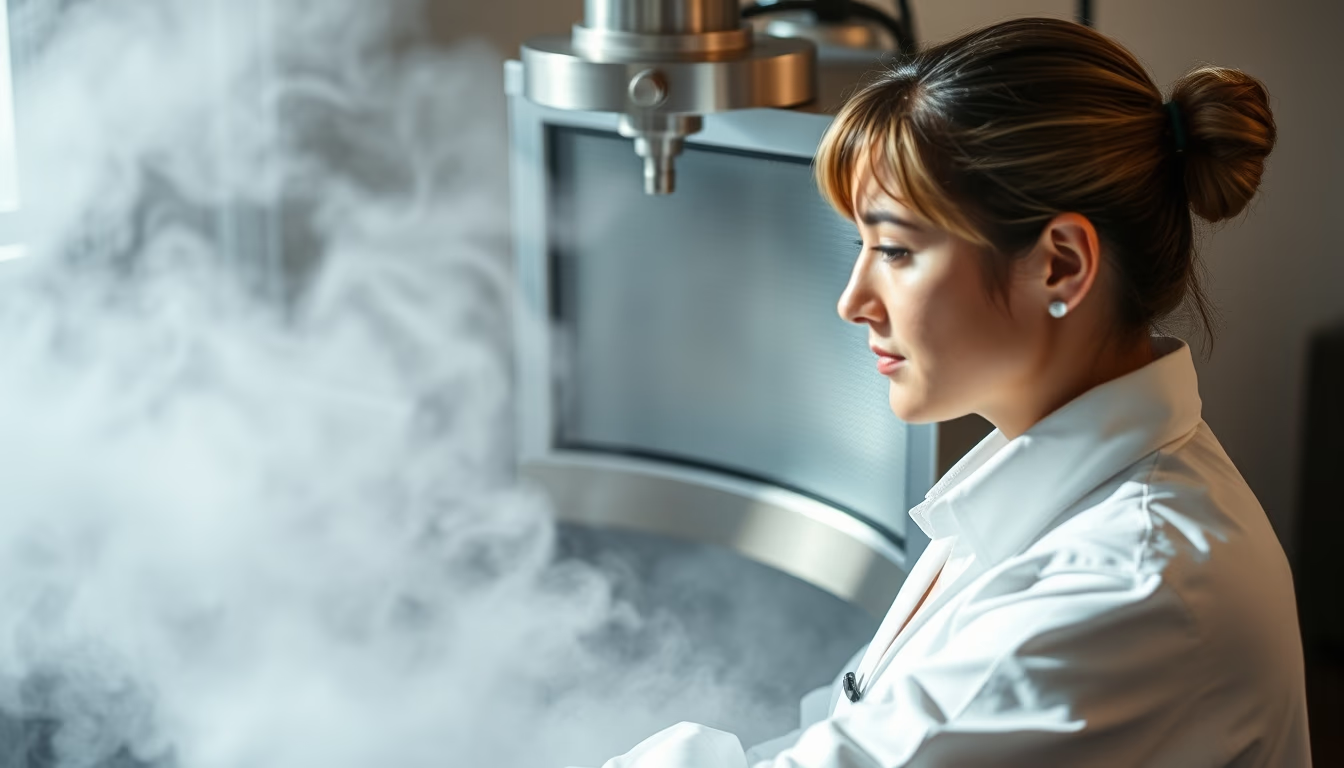
A rotary evaporator (rotovap) is a laboratory device used to remove solvents from samples by evaporation under reduced pressure.
About this subject
A rotary evaporator, commonly known as a rotovap, is an essential instrument in chemistry, pharmaceutical, and biotechnology laboratories. Developed in the 1950s by Lyman C. Craig, the device efficiently and gently removes solvents from liquid mixtures by reducing the solvent's boiling point through controlled vacuum and heating. The operating principle relies on rotating a flask containing the sample, which forms a thin film on the inner wall, increasing surface area and accelerating evaporation. The vapor is then condensed in a cooled condenser and collected in a separate flask.
In practice, the rotovap is used for purification steps, extract concentration, solvent recovery, and sample preparation for analysis. For instance, in organic synthesis, after a reaction, the solvent is removed to isolate the crude product. In the food and cosmetic industries, the equipment is employed to extract aromatic compounds or concentrate essential oils. The ability to operate at low temperatures prevents the degradation of heat-sensitive substances, making the process ideal for unstable compounds.
Models range from simple benchtop versions with 50 mL flasks to automated systems with capacities of 20 liters or more. Parameters such as bath temperature, rotation speed, and vacuum level are adjustable to optimize evaporation of different solvents. Laboratories commonly use the rotovap in conjunction with vacuum pumps and pressure controllers to ensure reproducibility. Maintenance includes regular cleaning of the condenser and sealing of joints to prevent leaks.
Interestingly, the rotovap's design has inspired non-laboratory applications, such as in devices for artisanal alcohol distillation, though its primary use remains in scientific research. In many countries, the equipment is standardized using borosilicate glass and PTFE parts for chemical resistance. Despite its suggestive name, the rotovap does not actually evaporate the solvent but concentrates it; the precise terminology is rotary vacuum evaporator.
Frequently Asked Questions
What is a rotovap and what is it used for?
A rotovap, or rotary evaporator, is a laboratory device that removes solvents from liquid samples through evaporation under reduced pressure. It is used to concentrate solutions, purify compounds, and recover solvents in chemistry, pharmacy, and biotechnology.
How does a rotary evaporator work?
The flask containing the sample rotates, forming a thin film that increases the evaporation surface area. Vacuum lowers the solvent's boiling point, so it evaporates and is then condensed in a cooled condenser and collected separately.
Which solvents can be removed with a rotovap?
Almost any volatile solvent can be removed, such as water, ethanol, acetone, dichloromethane, and hexane. The choice depends on the bath temperature and applied pressure, adjusted for each solvent.
Direct URL
https://pub-c7d6a6ea828543ac903a74a341ccb2e1.r2.dev/imagens/rotovap-evaporator-magazine-editorial-fresh16.avifHow to credit
Include a visible link back to UtilizAí. Copy one of the snippets below:
<a href="https://xn--utiliza-eza.com/en/midia/imagens/rotovap-evaporator-magazine-editorial-fresh16">Rotovap evaporator</a> by <a href="https://xn--utiliza-eza.com">UtilizAí</a>, licensed under <a href="https://creativecommons.org/licenses/by/4.0/">CC BY 4.0</a>.
[Rotovap evaporator](https://xn--utiliza-eza.com/en/midia/imagens/rotovap-evaporator-magazine-editorial-fresh16) by [UtilizAí](https://xn--utiliza-eza.com), CC BY 4.0
License: CC-BY-4.0