Rodin thinker statue
1344×768 · AVIF · CC BY 4.0
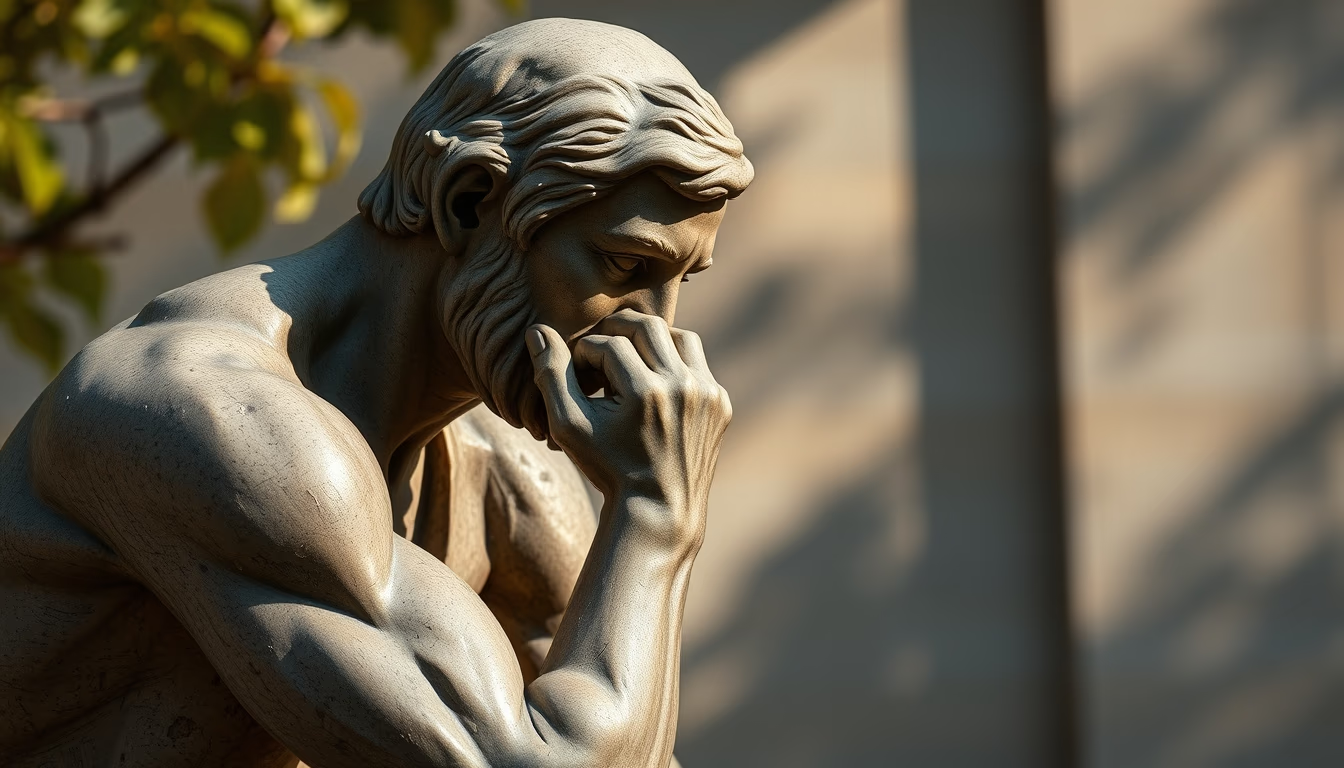
The sculpture The Thinker by Auguste Rodin is one of the most iconic works of art worldwide, symbolizing philosophical reflection and the human condition.
About this subject
Created between 1880 and 1882, The Thinker originally belonged to the monumental set The Gates of Hell, inspired by Dante Alighieri's Divine Comedy. Rodin conceived the figure as a representation of the poet Dante, immersed in deep meditation on the sins and fates of hell. The pose, with the hand resting on the chin and the elbow on the knee, became a universal symbol of the act of thinking.
Over time, Rodin decided to exhibit the figure alone, renaming it The Thinker. The sculpture exists in several versions, in bronze and marble, with sizes ranging from 70 centimeters to over 1.80 meters. The original bronze cast is at the Rodin Museum in Paris, while famous copies are at the Metropolitan Museum of Art in New York, the Museum of Art of São Paulo (MASP), and other institutions worldwide. Each reproduction was authorized by the sculptor, who supervised the early castings.
The importance of The Thinker transcends art. It represents introspection, the quest for knowledge, and humanity's existential dilemmas. Unlike many academic sculptures of the time, Rodin opted for an expressive, almost tense anatomy that conveys mental and physical effort. The work influenced modernist artists and appears in cultural references, from films to political cartoons. Interestingly, Rodin stated that the thinker was not just an intellectual but a primitive man who thinks with his whole body.
Contextually, the sculpture emerged in the late 19th century as Rodin challenged the conventions of realism and impressionism, emphasizing emotion and surface texture. Today, The Thinker is considered one of the most recognizable sculptures in the world, attracting millions of visitors to the collections that house it.
Frequently Asked Questions
What does the pose of The Thinker mean?
The pose with the hand on the chin and elbow on the knee conveys concentration and deep reflection, symbolizing the act of thinking about life's dilemmas.
How many copies of The Thinker exist?
There are about 20 authorized bronze casts, plus marble and plaster versions. The most famous are at the Rodin Museum in Paris, the Metropolitan Museum of Art in New York, and the Museum of Art of São Paulo (MASP).
What inspired Rodin's The Thinker?
Rodin was inspired by Dante Alighieri's Divine Comedy for The Gates of Hell, where The Thinker originally represented the poet Dante reflecting on hell.
Direct URL
https://pub-c7d6a6ea828543ac903a74a341ccb2e1.r2.dev/imagens/rodin-thinker-statue-magazine-editorial-p9.avifHow to credit
Include a visible link back to UtilizAí. Copy one of the snippets below:
<a href="https://xn--utiliza-eza.com/en/midia/imagens/rodin-thinker-statue-magazine-editorial-p9">Rodin thinker statue</a> by <a href="https://xn--utiliza-eza.com">UtilizAí</a>, licensed under <a href="https://creativecommons.org/licenses/by/4.0/">CC BY 4.0</a>.
[Rodin thinker statue](https://xn--utiliza-eza.com/en/midia/imagens/rodin-thinker-statue-magazine-editorial-p9) by [UtilizAí](https://xn--utiliza-eza.com), CC BY 4.0
License: CC-BY-4.0