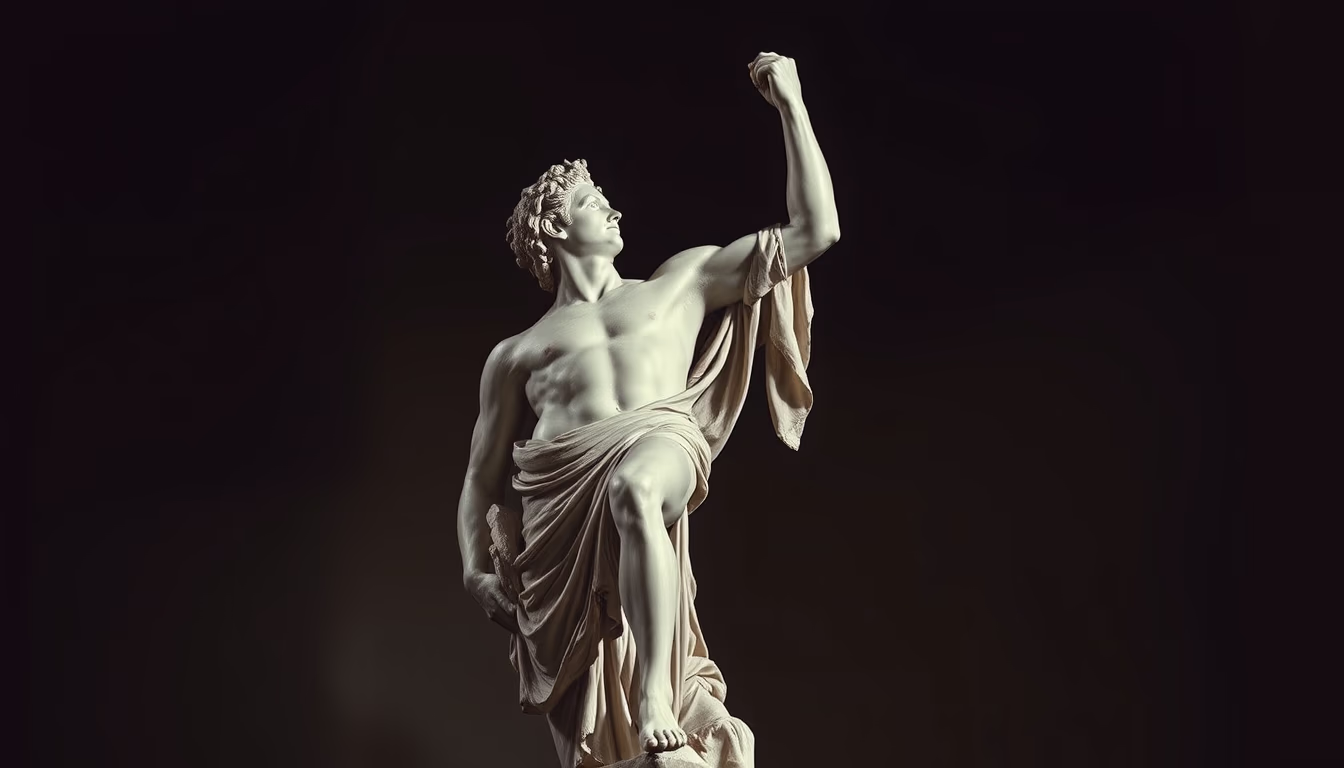
Kouros greek
1344×768 · AVIF · CC BY 4.0
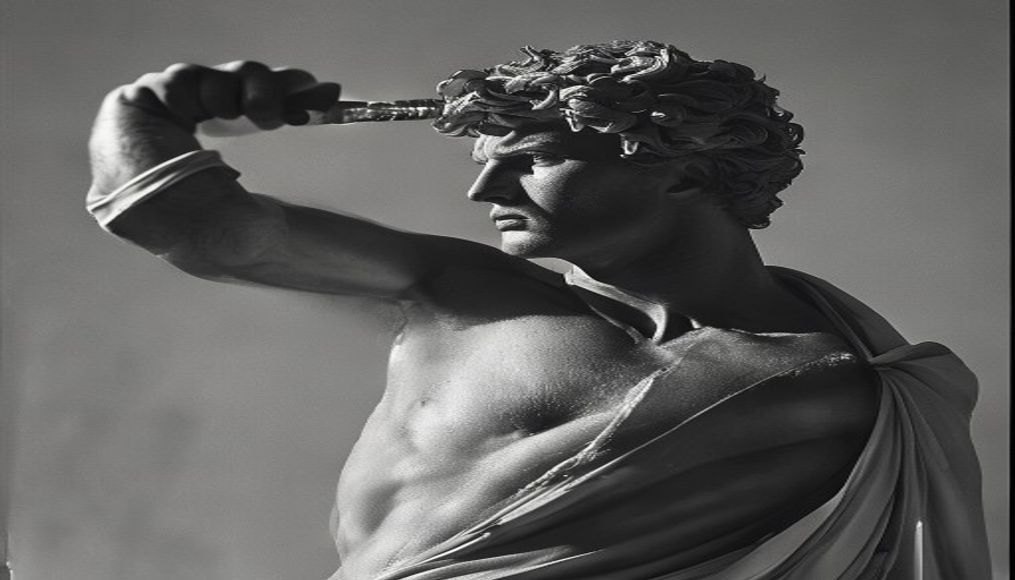
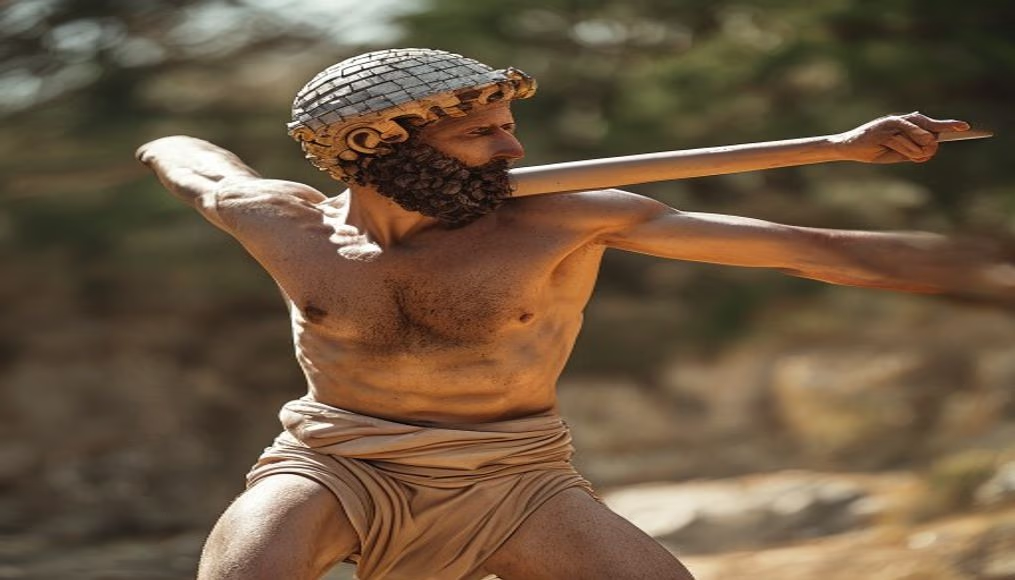
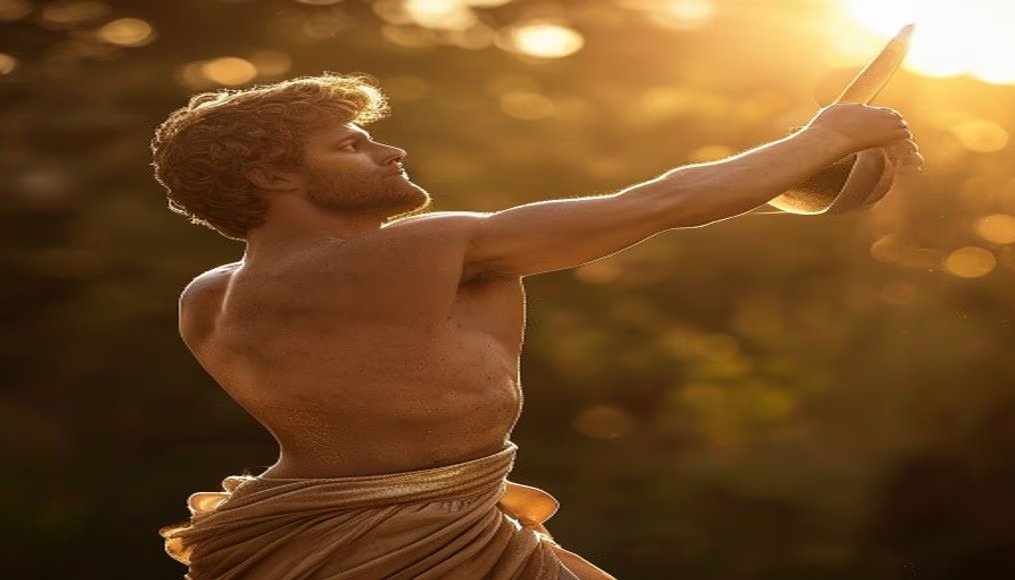
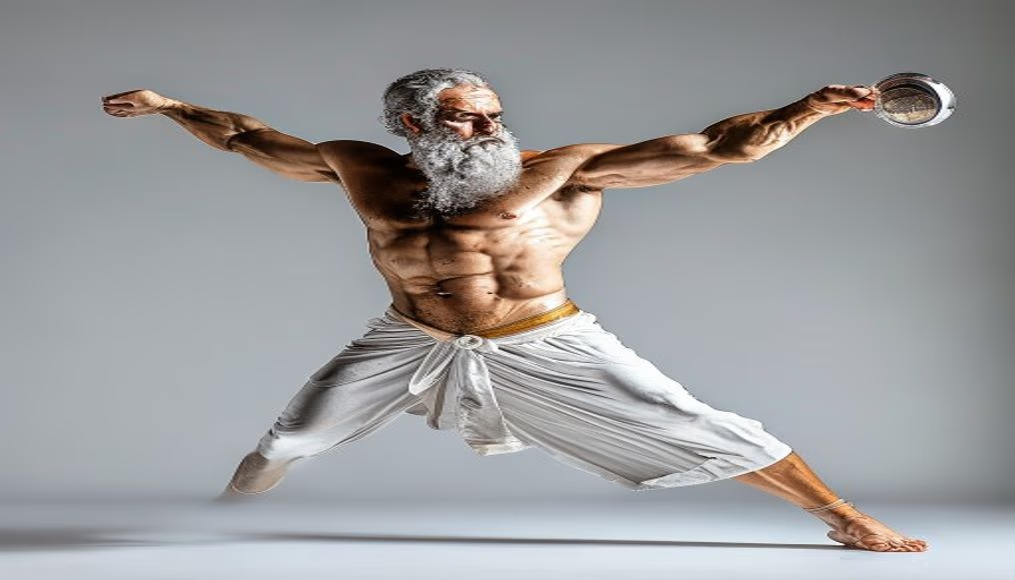
The kouros is an archaic Greek statue depicting a nude young man, symbolizing beauty and virtue between the 7th and 5th centuries BC.
About this subject
The kouros, from the Greek word for 'young man', is a type of sculpture that flourished in the Archaic period of Ancient Greece, roughly between 700 and 500 BC. These statues depict nude young men standing with a rigid, frontal posture, arms at their sides and one leg slightly advanced. The face displays the so-called 'archaic smile', an early attempt at naturalism. Kouroi were often used as votive offerings in sanctuaries or as grave markers on tombs, celebrating the beauty and virtue of the deceased.
The origin of the kouros traces back to Egyptian sculptural influence, but the Greeks innovated by idealizing the male nude. Unlike the Egyptians, who reserved nudity for gods or slaves, the Greeks associated the nude body with athletic and moral excellence. This tradition ties into the concept of kalokagathia, the union of physical beauty and goodness. The kouros also reflects the competitive spirit of the city-states, as many honored Olympic victors or fallen warriors.
Famous examples include the Kouros of Anavyssos (c. 530 BC), bearing a poignant inscription about a young man killed in battle: 'Stop and mourn at the tomb of dead Kroisos'. Another is the Kouros of Tenea, which shows more naturalistic muscle definition. The evolution of the kouros led to the Severe style and then to the Classical period, as seen in the Kritios Boy, which breaks rigidity with contrapposto. Unfortunately, many of these sculptures are fragmented due to time and later reuse.
Frequently Asked Questions
What does the word 'kouros' mean?
Kouros is a Greek word meaning 'young man'. In art history, it refers to nude male statues from the Archaic period, representing an ideal of youth and beauty.
What is the difference between a kouros and a kore?
A kouros is a nude male statue, while a kore is a clothed female statue. Korai often wear elaborate garments and may hold offerings, symbolizing different aspects of Greek society.
Where were kouroi placed in Ancient Greece?
They were placed in sanctuaries as votive offerings to gods, especially Apollo, or on tombs as grave markers. They served both to honor deities and to commemorate important individuals.
Direct URL
https://pub-c7d6a6ea828543ac903a74a341ccb2e1.r2.dev/imagens/kouros-greek-national-geographic-style-p9.avifHow to credit
Include a visible link back to UtilizAí. Copy one of the snippets below:
<a href="https://xn--utiliza-eza.com/en/midia/imagens/kouros-greek-national-geographic-style-p9">Kouros greek</a> by <a href="https://xn--utiliza-eza.com">UtilizAí</a>, licensed under <a href="https://creativecommons.org/licenses/by/4.0/">CC BY 4.0</a>.
[Kouros greek](https://xn--utiliza-eza.com/en/midia/imagens/kouros-greek-national-geographic-style-p9) by [UtilizAí](https://xn--utiliza-eza.com), CC BY 4.0
License: CC-BY-4.0