Discobolus statue greek
1344×768 · AVIF · CC BY 4.0
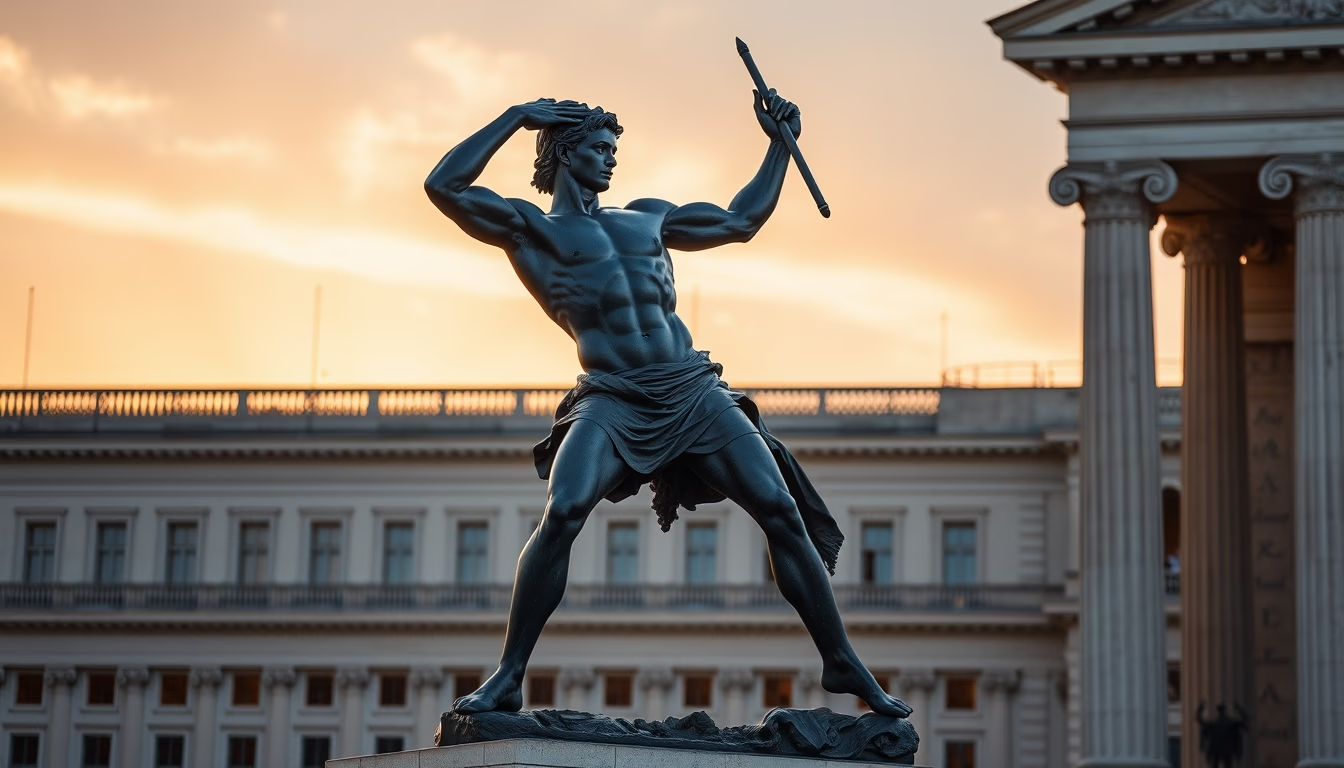
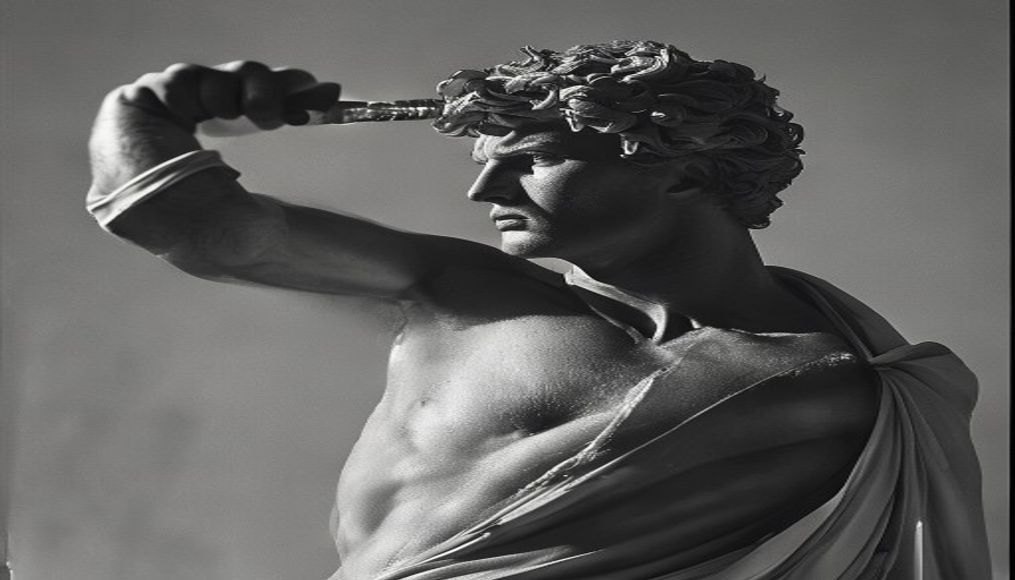
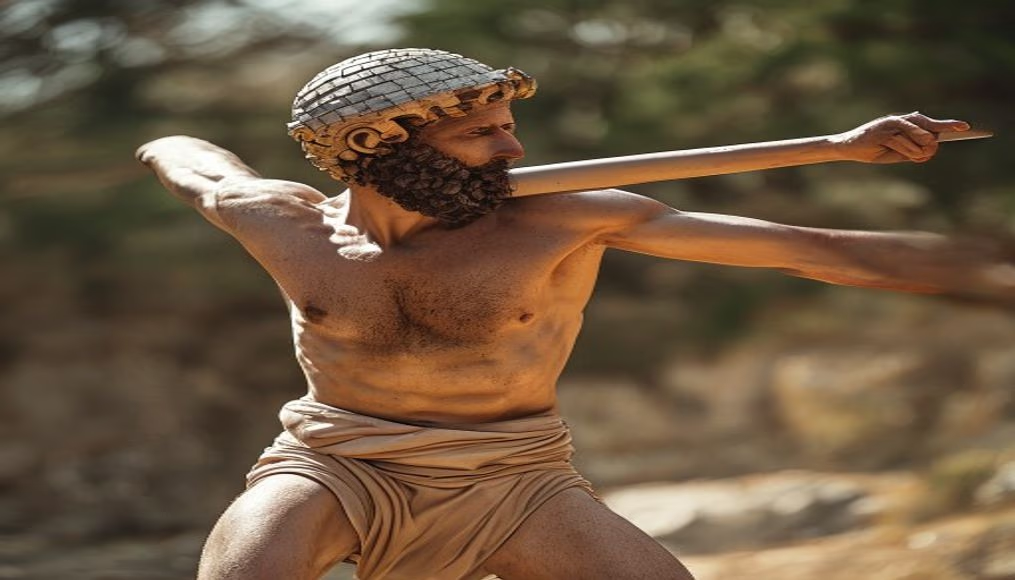
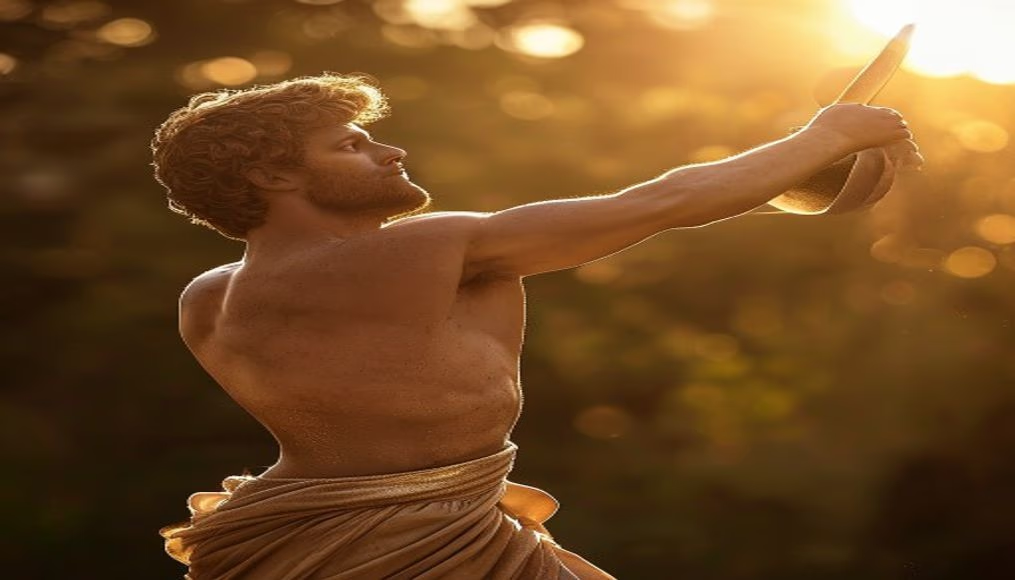
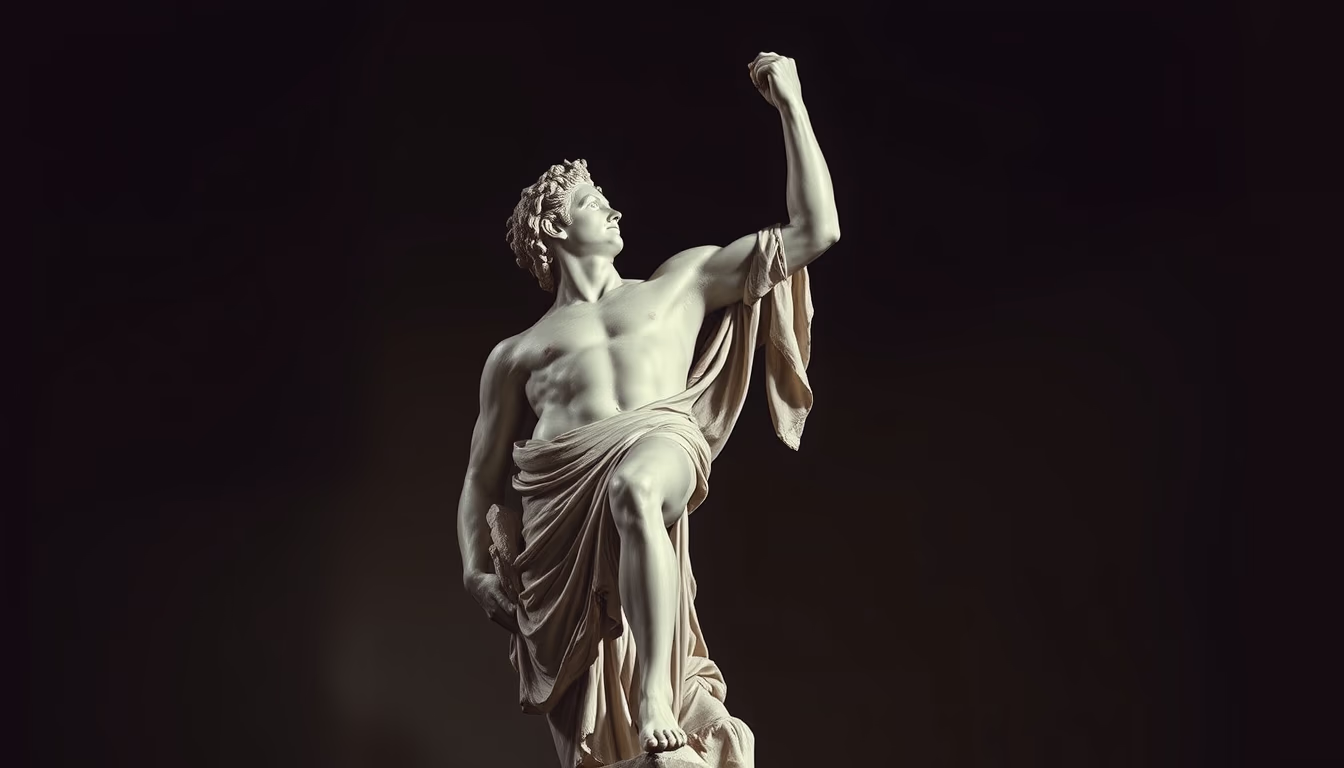
The Discobolus is one of the most famous sculptures of ancient Greece, depicting an athlete in motion throwing the discus.
About this subject
The Discobolus, created by the Greek sculptor Myron around 450 BCE, is an icon of classical art that celebrates the athletic ideal and the beauty of the human body in motion. The original bronze work has been lost, but it is known today through Roman marble copies, such as those at the National Roman Museum in Palazzo Massimo and the British Museum. The sculpture captures the precise moment before the discus throw, with the torso twisted and arms extended, demonstrating advanced study of anatomy and dynamic balance.
Myron's technique innovated by representing frozen motion, rare in Archaic sculpture. The Discobolus influenced generations of artists and became a symbol of the ancient Olympic Games, held in Olympia. Interestingly, the athlete's posture was analyzed by modern scientists, who confirmed its biomechanical accuracy for discus throwing. Today, replicas of the statue are found in museums and public spaces around the world, including Ibirapuera Park in São Paulo, where a bronze copy was installed in 1953.
The image captured in travel photography shows one of these replicas, allowing the viewer to appreciate the details of the musculature and the concentrated expression of the athlete. Natural or artificial light highlighting the marble emphasizes the texture and sensuality of the forms, characteristic of the Classical Greek style. The Discobolus is not just a work of art, but a testament to Hellenic culture that valued physical and intellectual excellence, known as 'kalokagathia'.
Frequently Asked Questions
What does the word Discobolus mean?
Discobolus comes from the Greek 'diskobolos', meaning 'discus thrower'. It refers both to Myron's famous sculpture and to the athlete who throws the discus.
Where is the original Discobolus located?
There is no original, as Myron's bronze sculpture has been lost. The most famous copies are at the National Roman Museum (Palazzo Massimo), the British Museum, and the Vatican.
Why is the Discobolus important to art?
The Discobolus is a landmark in the representation of movement in sculpture, influencing the Renaissance and modern art. It symbolizes the Greek ideal of balance between body and mind.
Direct URL
https://pub-c7d6a6ea828543ac903a74a341ccb2e1.r2.dev/imagens/discobolus-statue-greek-travel-photography-p9.avifHow to credit
Include a visible link back to UtilizAí. Copy one of the snippets below:
<a href="https://xn--utiliza-eza.com/en/midia/imagens/discobolus-statue-greek-travel-photography-p9">Discobolus statue greek</a> by <a href="https://xn--utiliza-eza.com">UtilizAí</a>, licensed under <a href="https://creativecommons.org/licenses/by/4.0/">CC BY 4.0</a>.
[Discobolus statue greek](https://xn--utiliza-eza.com/en/midia/imagens/discobolus-statue-greek-travel-photography-p9) by [UtilizAí](https://xn--utiliza-eza.com), CC BY 4.0
License: CC-BY-4.0