Centrifuge tubes spinning
1344×768 · AVIF · CC BY 4.0
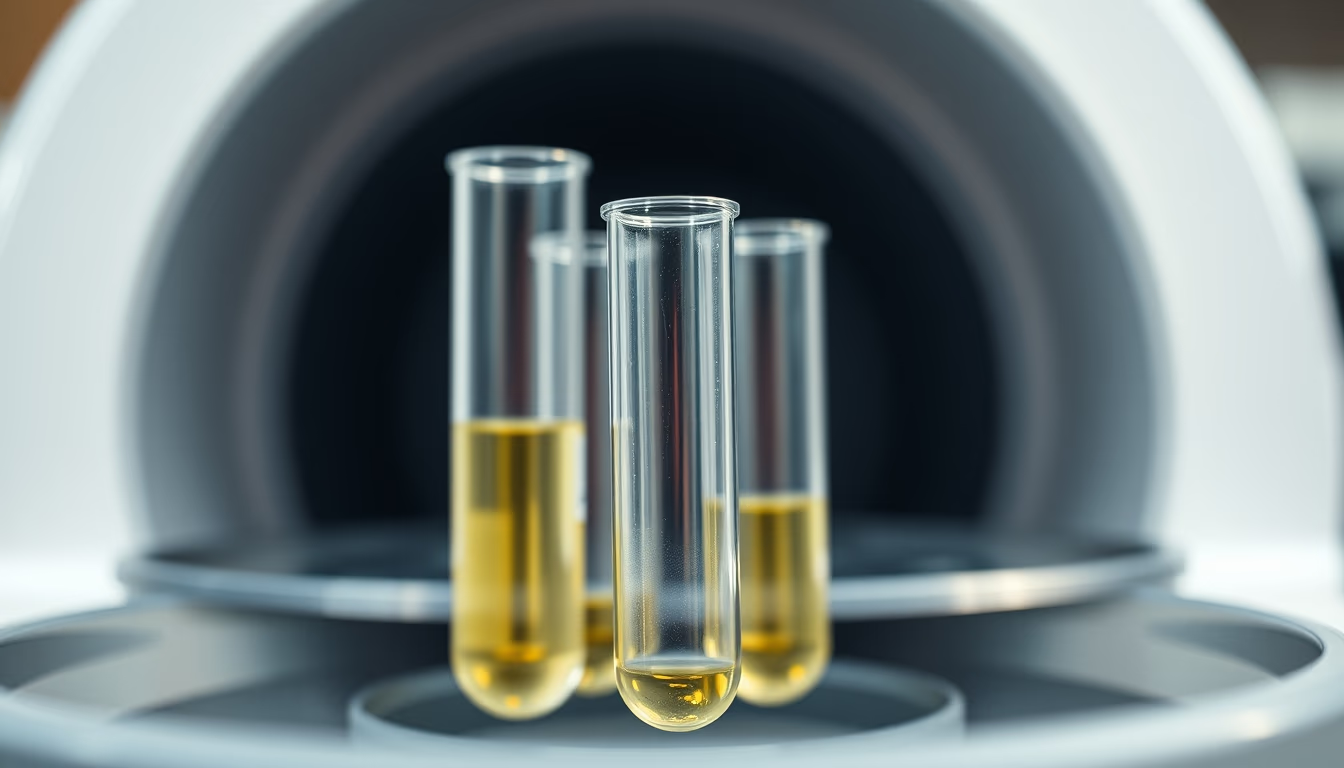
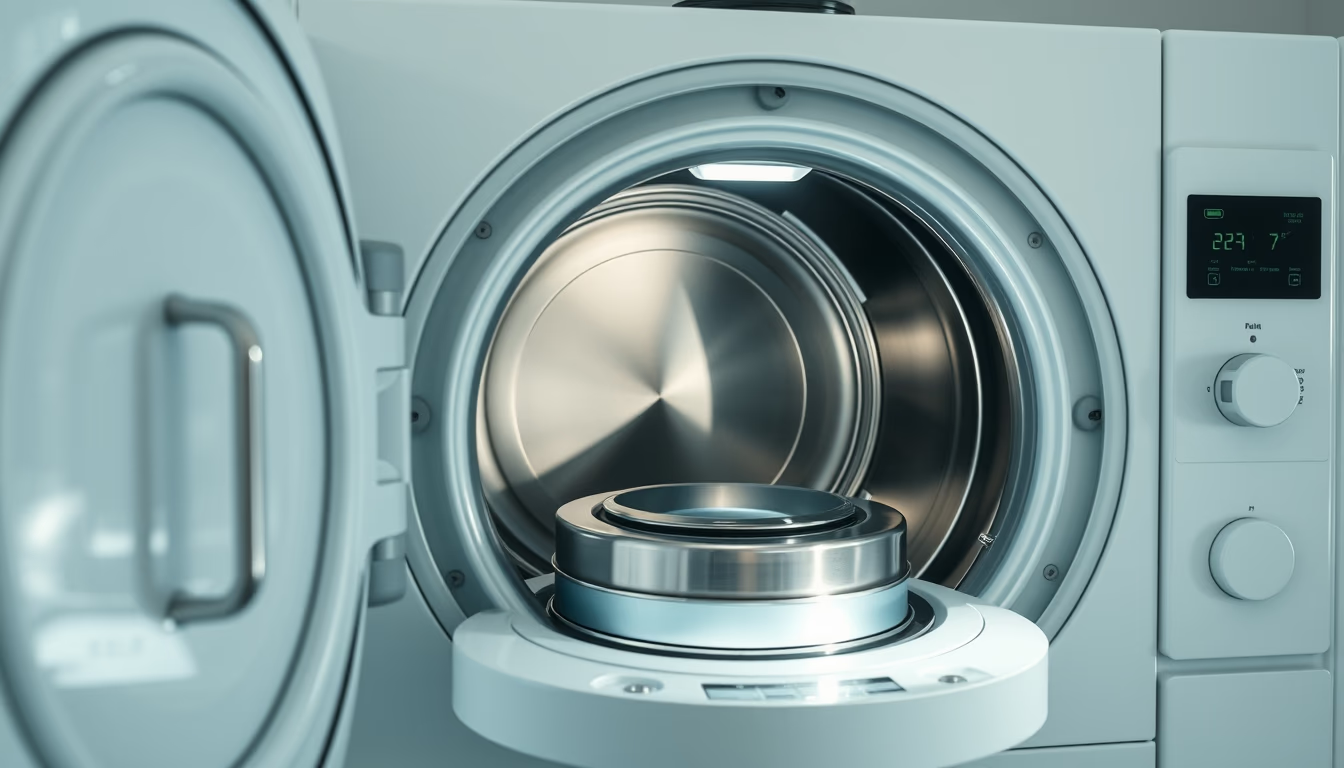
Laboratory centrifuges separate mixture components by density using high-speed rotation. Essential in molecular biology and clinical analyses.
About this subject
A centrifuge is a laboratory device that uses centrifugal force to separate particles from a solution according to their size, shape, density, and medium viscosity. Tubes are spun at high speed so that denser components sediment at the bottom (forming a pellet), while lighter components remain in the supernatant. This process is crucial in biochemistry, molecular biology, medicine, and pharmaceuticals.
Different centrifuge types exist: benchtop microcentrifuges reaching up to 15,000 rpm, and ultracentrifuges exceeding 100,000 rpm and generating over 600,000 g. Ultracentrifuges separate cellular organelles, viruses, and macromolecules like DNA and RNA. Rotor and tube selection matters: polypropylene tubes for general use, glass or polycarbonate for organic solvents or high-speed runs.
The centrifuge's history traces to the 19th century when Swedish inventor Gustaf de Laval built a cream separator. In labs, it became essential for blood plasma extraction, protein purification, and sample prep for genetic sequencing. Safety requires proper tube balancing to avoid vibrations that could damage the device or cause accidents.
Interestingly, centrifuges are also used in gravity simulations for astronaut training and space biology experiments. The word "centrifuge" comes from Latin "centrum" (center) and "fugere" (to flee), describing particles moving away from the rotation axis. In the image, the tilt-shift miniature effect emphasizes motion aesthetics, but the core remains the equipment's vital function.
Frequently Asked Questions
What is a laboratory centrifuge used for?
A centrifuge separates components of a liquid mixture by density, such as separating plasma from blood, precipitating proteins, or isolating DNA and RNA from cells.
How does a centrifuge work?
The centrifuge spins tubes at high speed, generating centrifugal force that pushes denser particles to the bottom of the tube (forming a pellet) while lighter ones remain in the supernatant.
What types of tubes are used in centrifuges?
Polypropylene tubes are common for general use. Glass or polycarbonate tubes are used for organic solvents or very high speeds. Selection depends on chemical resistance and maximum speed rating.
Direct URL
https://pub-c7d6a6ea828543ac903a74a341ccb2e1.r2.dev/imagens/centrifuge-tubes-spinning-tilt-shift-miniature-fresh13.avifHow to credit
Include a visible link back to UtilizAí. Copy one of the snippets below:
<a href="https://xn--utiliza-eza.com/en/midia/imagens/centrifuge-tubes-spinning-tilt-shift-miniature-fresh13">Centrifuge tubes spinning</a> by <a href="https://xn--utiliza-eza.com">UtilizAí</a>, licensed under <a href="https://creativecommons.org/licenses/by/4.0/">CC BY 4.0</a>.
[Centrifuge tubes spinning](https://xn--utiliza-eza.com/en/midia/imagens/centrifuge-tubes-spinning-tilt-shift-miniature-fresh13) by [UtilizAí](https://xn--utiliza-eza.com), CC BY 4.0
License: CC-BY-4.0