Auguste rodin sculptures
1344×768 · AVIF · CC BY 4.0
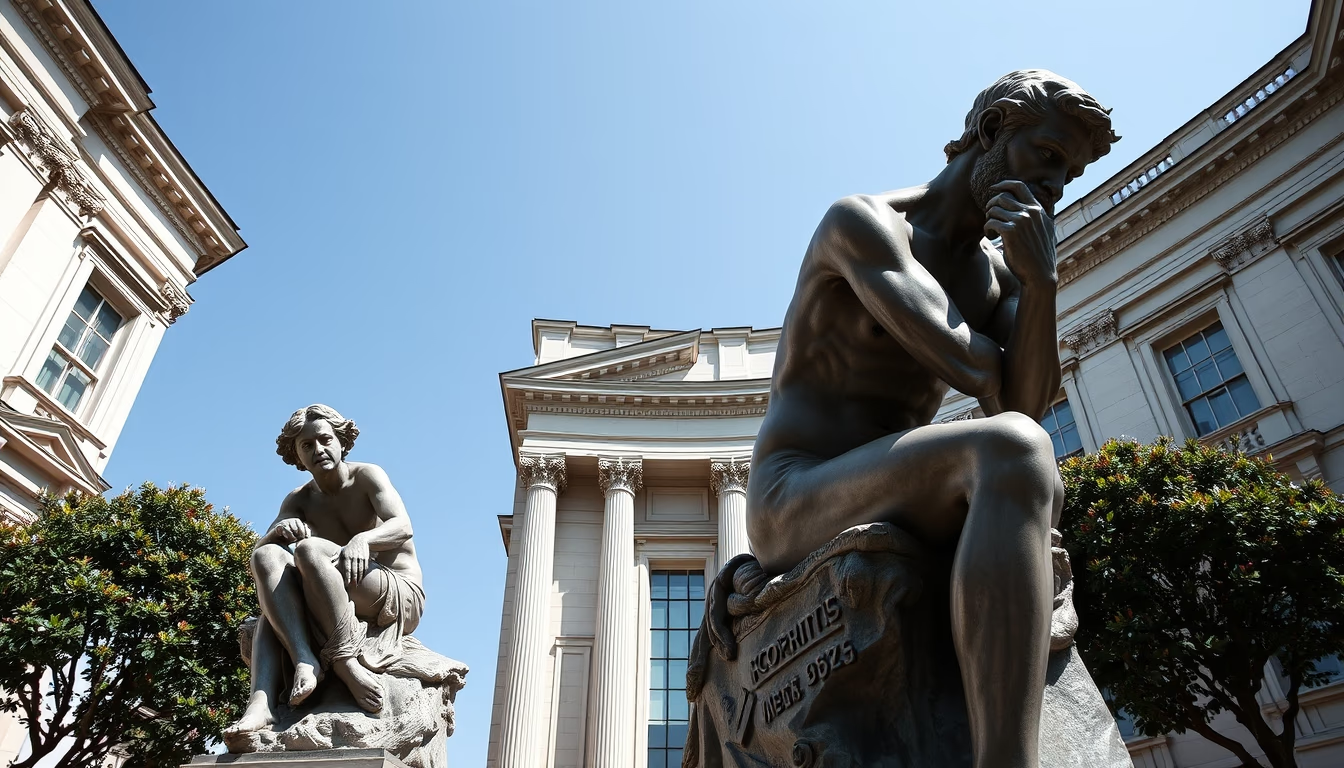
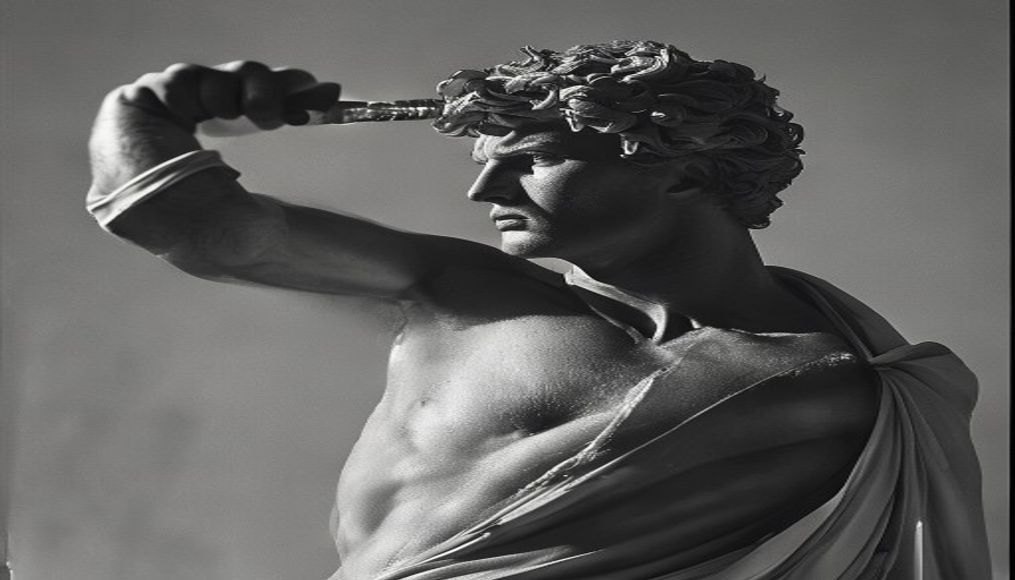
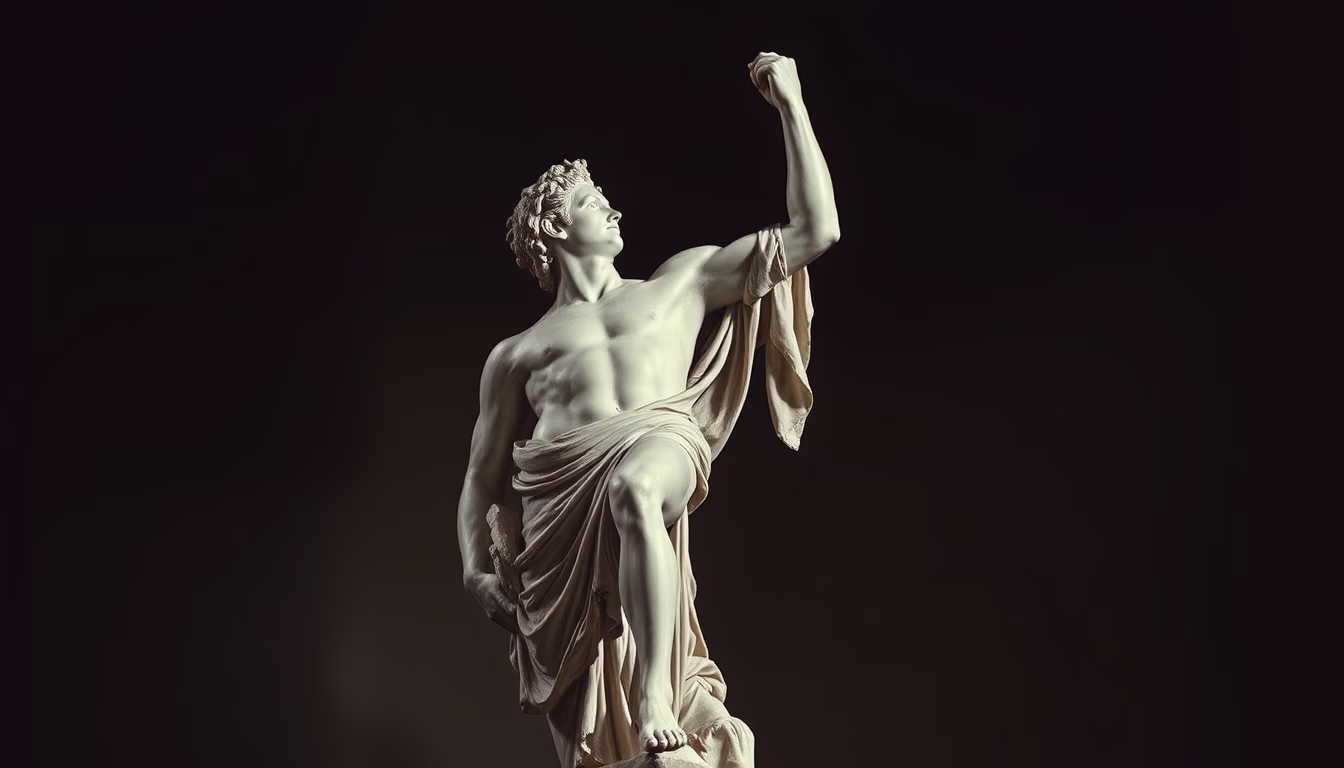
Auguste Rodin's sculptures, such as 'The Thinker' and 'The Kiss', mark the transition to modern sculpture with expressiveness and innovative technique.
About this subject
Auguste Rodin (1840, 1917) is regarded as the father of modern sculpture. His works broke away from 19th-century academic standards by emphasizing movement, emotion, and surface texture. Unlike neoclassical sculptors, Rodin left tool marks visible, as seen on the rough surface of 'The Thinker' (1880), symbolizing intellectual struggle. Originally part of 'The Gates of Hell', this piece became a global cultural icon.
Another iconic work is 'The Kiss' (1882), depicting Paolo and Francesca from Dante's 'Divine Comedy'. Rodin captured the moment of forbidden passion with naturalism, avoiding idealization. The scandalous nudity and realistic pose sparked controversy at the time, but today it is celebrated as a landmark of romantic sculpture. Furthermore, 'The Burghers of Calais' (1889) demonstrates his commitment to psychological realism, portraying six figures in agony during the Hundred Years' War.
Rodin's sculptures often engage with architecture. 'The Gates of Hell', commissioned for the Museum of Decorative Arts in Paris, is a portal with over 180 figures, many later reused as independent works. His influence extended to architects like Le Corbusier, who admired the integration of sculpture and space. Today, the Musée Rodin in Paris houses the largest collection, with gardens designed to display pieces in harmony with the built environment.
Rodin also innovated through fragmentation, creating torsos and hands as complete works. This influenced generations of modern sculptors, including Alberto Giacometti and Henry Moore. His approach of capturing fleeting moments, as in 'The Hand of God' (1898), anticipated abstract expressionism. Rodin's legacy lives on not only in museums but also in squares and facades worldwide, where his forms dialogue with the urban landscape.
Frequently Asked Questions
Why is Rodin considered the father of modern sculpture?
Rodin broke with academic idealism by incorporating raw textures, fragmentation, and emotional expression, influencing movements such as Expressionism and Modernism. His technique of leaving visible tool marks was revolutionary.
What is the relationship between Rodin's sculptures and architecture?
Works like 'The Gates of Hell' were conceived as architectural elements, integrating sculpture and built space. Many of his pieces were designed for gardens or facades, influencing modernist architects.
Where can I see Rodin's major works?
The Musée Rodin in Paris houses the largest collection, including 'The Thinker', 'The Kiss', and 'The Burghers of Calais'. Other works are in museums like the Metropolitan Museum of Art (New York) and the Museu de Arte de São Paulo (MASP).
Direct URL
https://pub-c7d6a6ea828543ac903a74a341ccb2e1.r2.dev/imagens/auguste-rodin-sculptures-architectural-photography-p10.avifHow to credit
Include a visible link back to UtilizAí. Copy one of the snippets below:
<a href="https://xn--utiliza-eza.com/en/midia/imagens/auguste-rodin-sculptures-architectural-photography-p10">Auguste rodin sculptures</a> by <a href="https://xn--utiliza-eza.com">UtilizAí</a>, licensed under <a href="https://creativecommons.org/licenses/by/4.0/">CC BY 4.0</a>.
[Auguste rodin sculptures](https://xn--utiliza-eza.com/en/midia/imagens/auguste-rodin-sculptures-architectural-photography-p10) by [UtilizAí](https://xn--utiliza-eza.com), CC BY 4.0
License: CC-BY-4.0