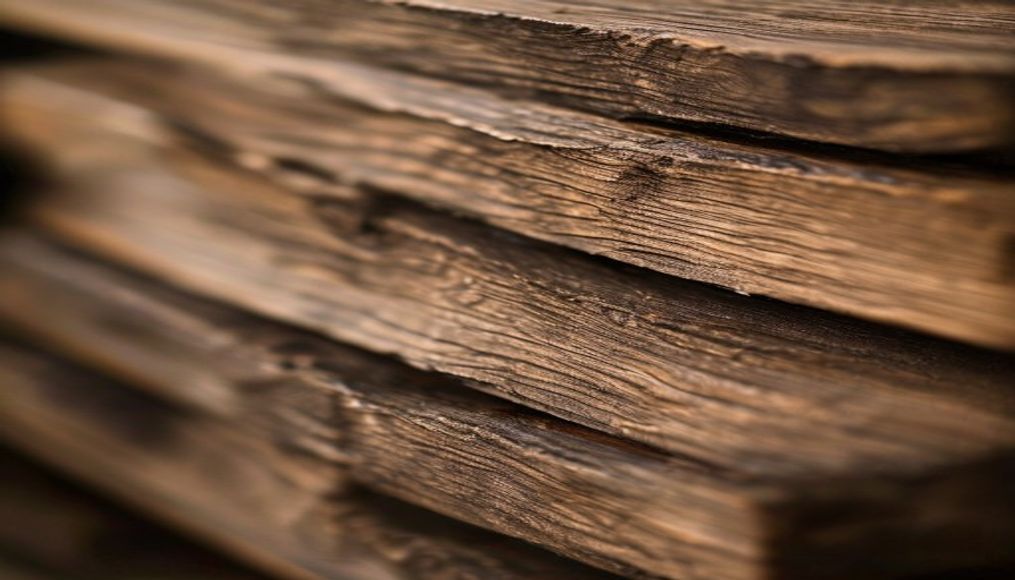
Wood joint dovetail
1344×768 · AVIF · CC BY 4.0

The dovetail joint is an ancient woodworking joinery prized for its mechanical strength and distinctive interlocking shape, often found in fine furniture.
About this subject
The dovetail joint is one of the oldest and most respected woodworking techniques. Its name comes from the shape of the pins, which resemble a bird's tail. Archaeological evidence places its use in Egyptian tombs around 3000 BC, and it has since been adopted by cultures worldwide, especially in Europe and Asia, for high-quality furniture.
Variations include the through dovetail, where pins are visible on both sides, and the half-blind dovetail, common in drawer fronts, which hides the joint from the front. The joint's strength comes from its interlocking conical shape: the pins and tails lock together, preventing separation under tension. This allows it to be used without nails or screws, often in pieces that bear weight, such as tables and cabinets.
In traditional woodworking, dovetails are cut by hand using a saw and chisel, requiring precision and skill. Modern industry uses CNC machines and jigs for mass production. A curious fact: the dovetail is also a hallmark of craftsmanship; in antique furniture, the quality of the joint indicates whether the piece was made by a master carpenter. Moreover, its aesthetic appeal is so valued that some manufacturers leave the joints visible as decorative elements.
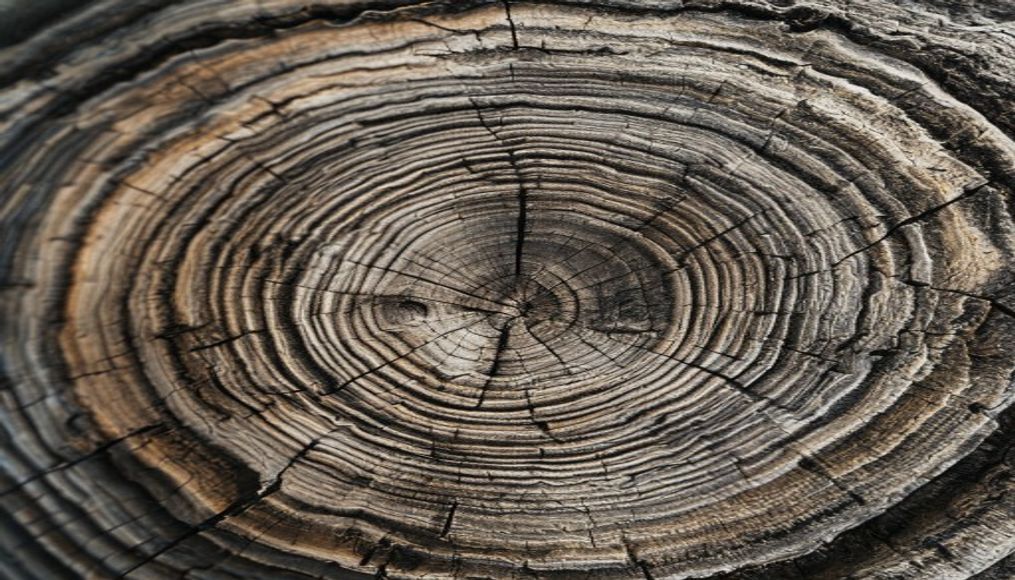
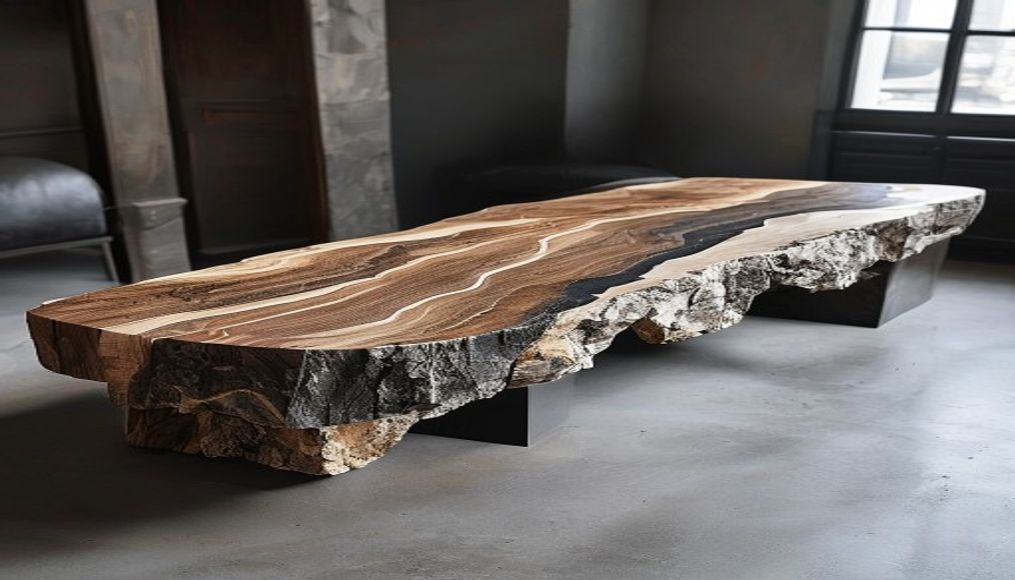
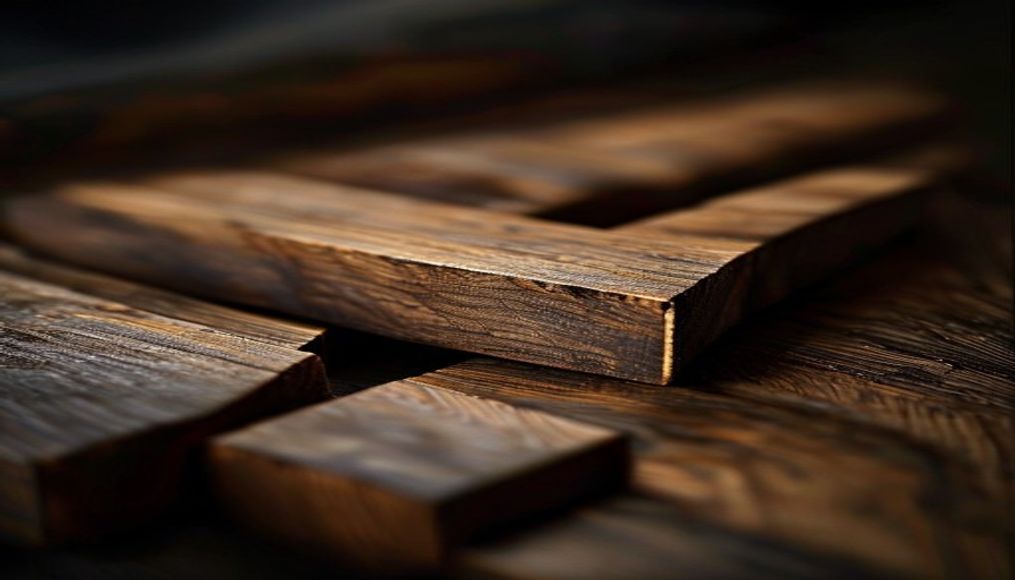
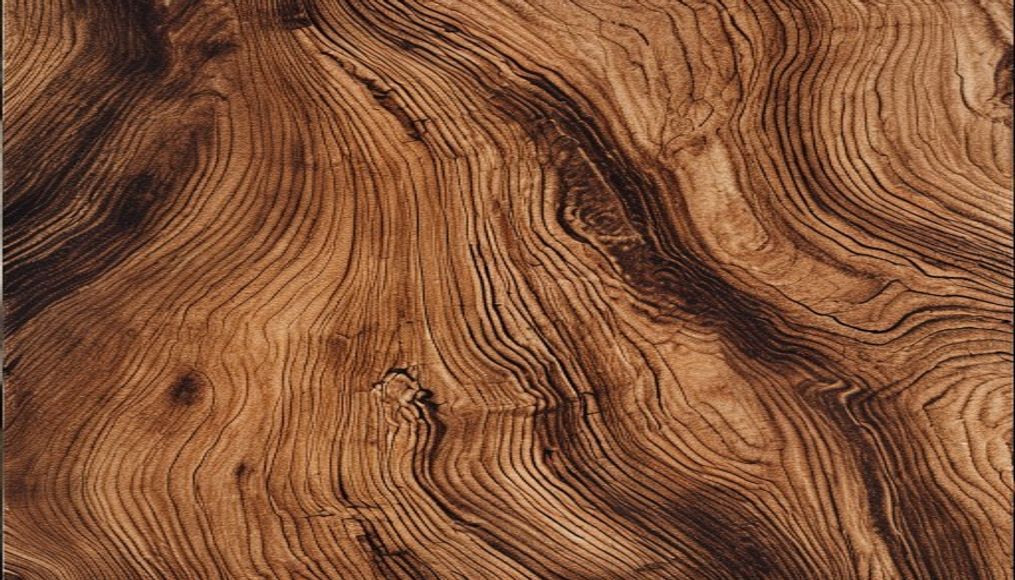
The dovetail has also inspired other fields, such as metalworking (dovetail slides for tool fixtures) and even architectural design. The image, captured by a drone, likely shows a large assembly of these joints, highlighting both the scale and the repetitive geometric pattern that makes this joinery so iconic in the world of wood.
Frequently Asked Questions
What is a dovetail joint used for?
It is primarily used to join wood pieces at right angles, such as in drawers, boxes, and furniture, providing high mechanical strength without screws or glue.
How is a dovetail joint made?
Traditionally, it is cut by hand using a saw and chisel, marking the tails on one piece and the pins on the other for a perfect fit. Today, CNC machines automate the process.
What are the advantages of dovetail joints?
High tensile strength, durability, refined aesthetics, and no need for metal fasteners. They are also a hallmark of quality in handcrafted woodworking.
Direct URL
https://pub-c7d6a6ea828543ac903a74a341ccb2e1.r2.dev/imagens/wood-joint-dovetail-aerial-drone-shot-p1.avifHow to credit
Include a visible link back to UtilizAí. Copy one of the snippets below:
<a href="https://xn--utiliza-eza.com/en/midia/imagens/wood-joint-dovetail-aerial-drone-shot-p1">Wood joint dovetail</a> by <a href="https://xn--utiliza-eza.com">UtilizAí</a>, licensed under <a href="https://creativecommons.org/licenses/by/4.0/">CC BY 4.0</a>.
[Wood joint dovetail](https://xn--utiliza-eza.com/en/midia/imagens/wood-joint-dovetail-aerial-drone-shot-p1) by [UtilizAí](https://xn--utiliza-eza.com), CC BY 4.0
License: CC-BY-4.0