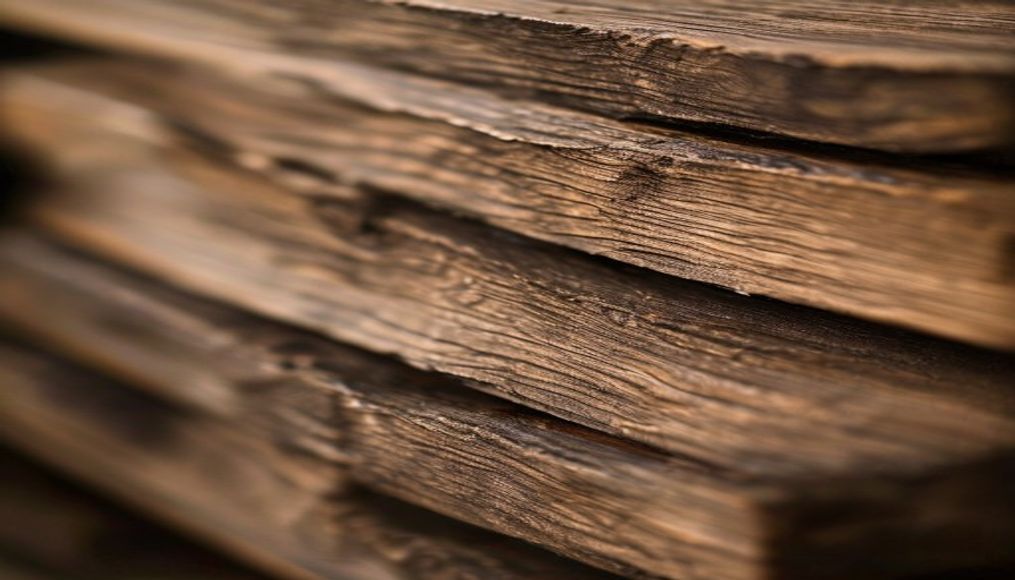
Walnut grain pattern
1344×768 · AVIF · CC BY 4.0
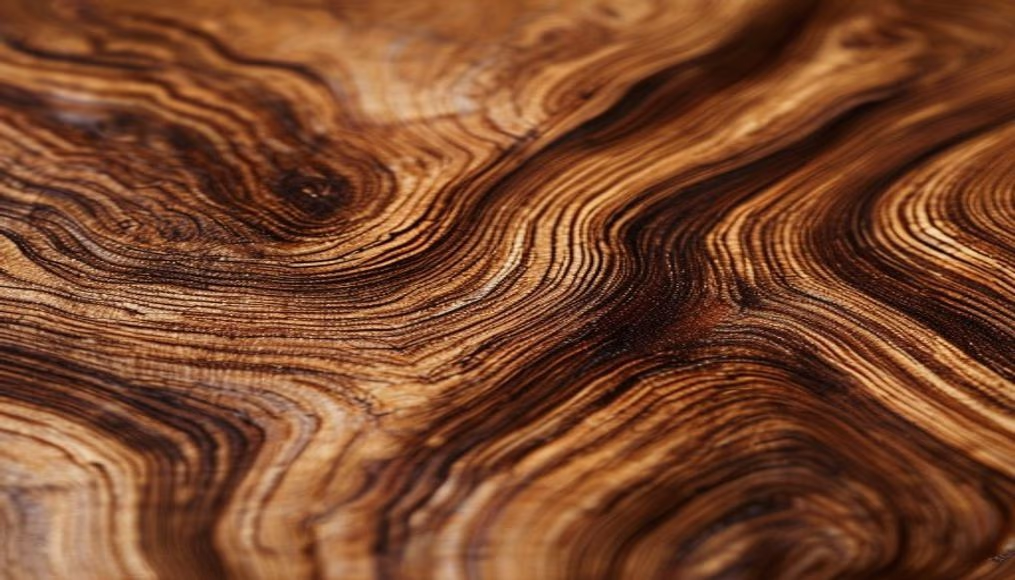
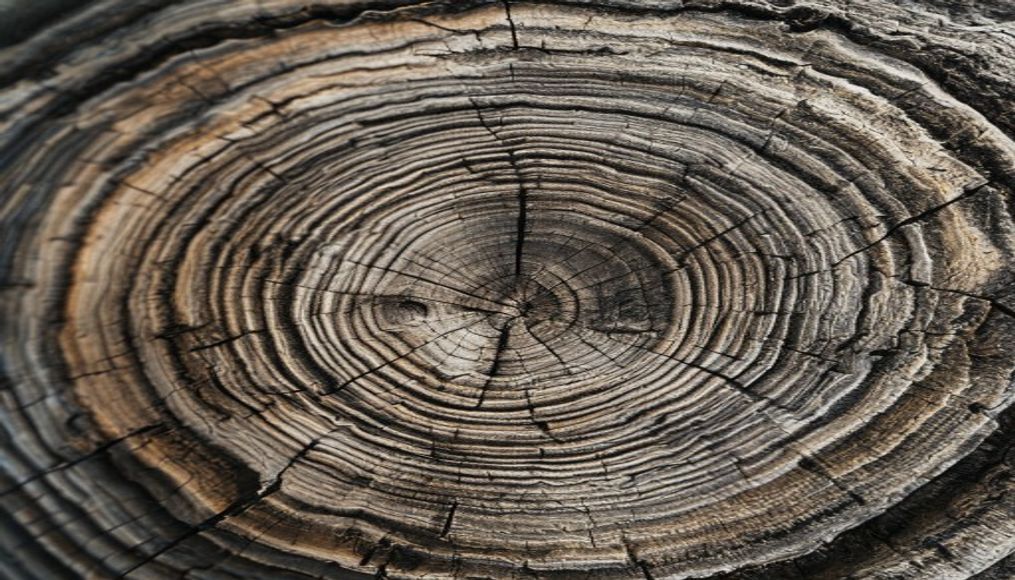
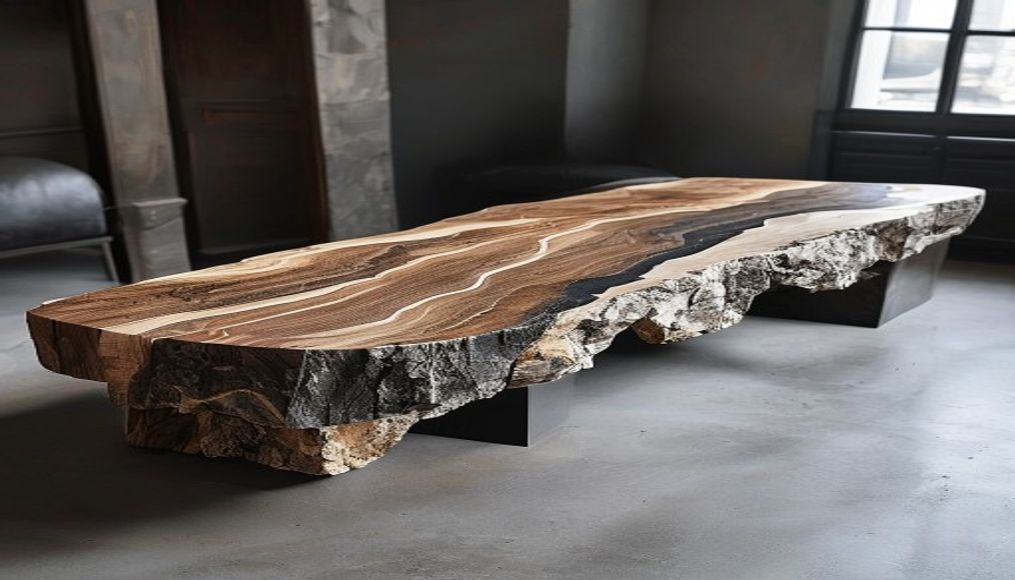
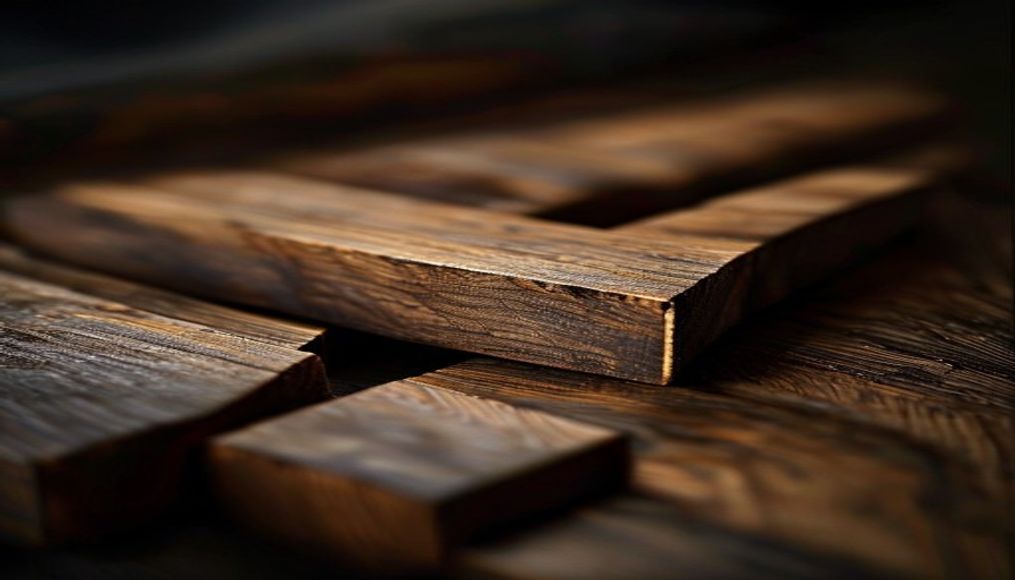
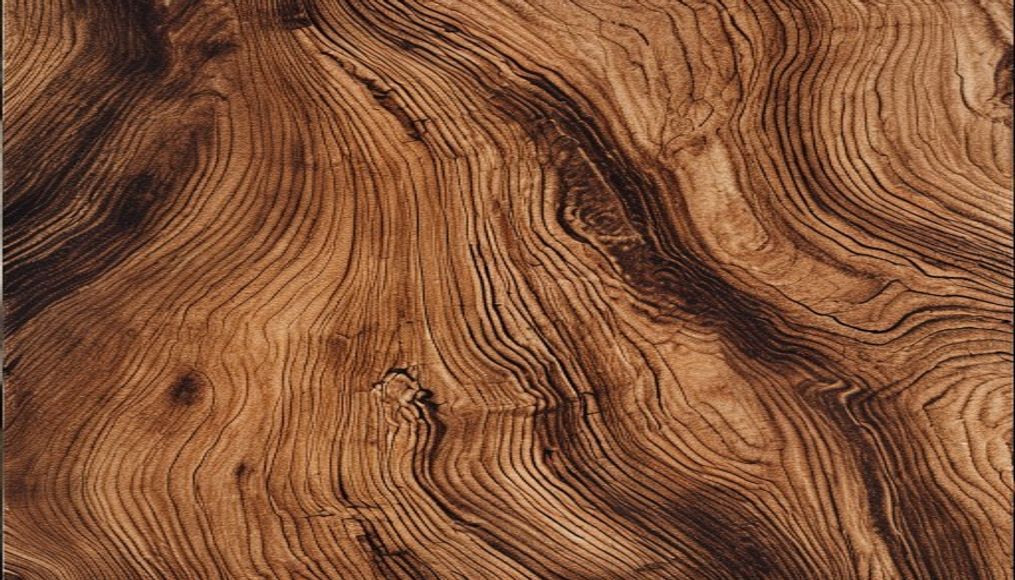
Walnut grain is one of the most prized patterns in woodworking, known for its wavy figures and rich colors ranging from light to dark brown.
About this subject
The grain pattern of walnut (Juglans regia and related species) is widely recognized for its beauty and versatility. Native to temperate regions of the Northern Hemisphere, such as Europe, Asia, and North America, walnut wood features a unique combination of colors from light tan to dark chocolate, often with darker streaks forming wavy, straight, or spiral figures. These patterns result from tree growth, influenced by factors like soil, climate, and genetics.
In fine woodworking, walnut is used in luxury furniture, decorative panels, musical instruments, and gunstocks. Figured grain, such as crotch (from branch forks) or burr (from knots), is especially prized for creating complex, irregular designs. The wood also has good workability, accepting finishes that enhance its natural luster.
Historically, walnut has been used in Europe since the Renaissance for high-quality furniture, and in the United States it became a symbol of elegance in the colonial period. Its durability and resistance to termites make it ideal for heirloom pieces. Furthermore, when managed sustainably, walnut contributes to rural economies.
Interestingly, walnut wood darkens over time, especially when exposed to light. This natural aging is considered an aesthetic advantage, adding patina and depth to the grain. Therefore, antique walnut pieces are even more valued by collectors.
Frequently Asked Questions
What is the difference between straight grain and figured grain in walnut?
Straight grain has parallel fibers, being more common and predictable. Figured grain has waves, knots, or forks creating irregular patterns, making it rarer and more valuable.
How to identify genuine walnut wood?
Walnut has a chocolate brown color with darker streaks, generally straight to slightly wavy grain, and a characteristic sweet smell when cut. It can be confused with imbuia or mahogany.
Is walnut sustainable?
Walnut is grown in commercial plantations in many countries. FSC certification ensures sustainable origin. However, illegal logging still occurs in some regions.
Direct URL
https://pub-c7d6a6ea828543ac903a74a341ccb2e1.r2.dev/imagens/walnut-grain-pattern-studio-editorial-portrait-p1.avifHow to credit
Include a visible link back to UtilizAí. Copy one of the snippets below:
<a href="https://xn--utiliza-eza.com/en/midia/imagens/walnut-grain-pattern-studio-editorial-portrait-p1">Walnut grain pattern</a> by <a href="https://xn--utiliza-eza.com">UtilizAí</a>, licensed under <a href="https://creativecommons.org/licenses/by/4.0/">CC BY 4.0</a>.
[Walnut grain pattern](https://xn--utiliza-eza.com/en/midia/imagens/walnut-grain-pattern-studio-editorial-portrait-p1) by [UtilizAí](https://xn--utiliza-eza.com), CC BY 4.0
License: CC-BY-4.0