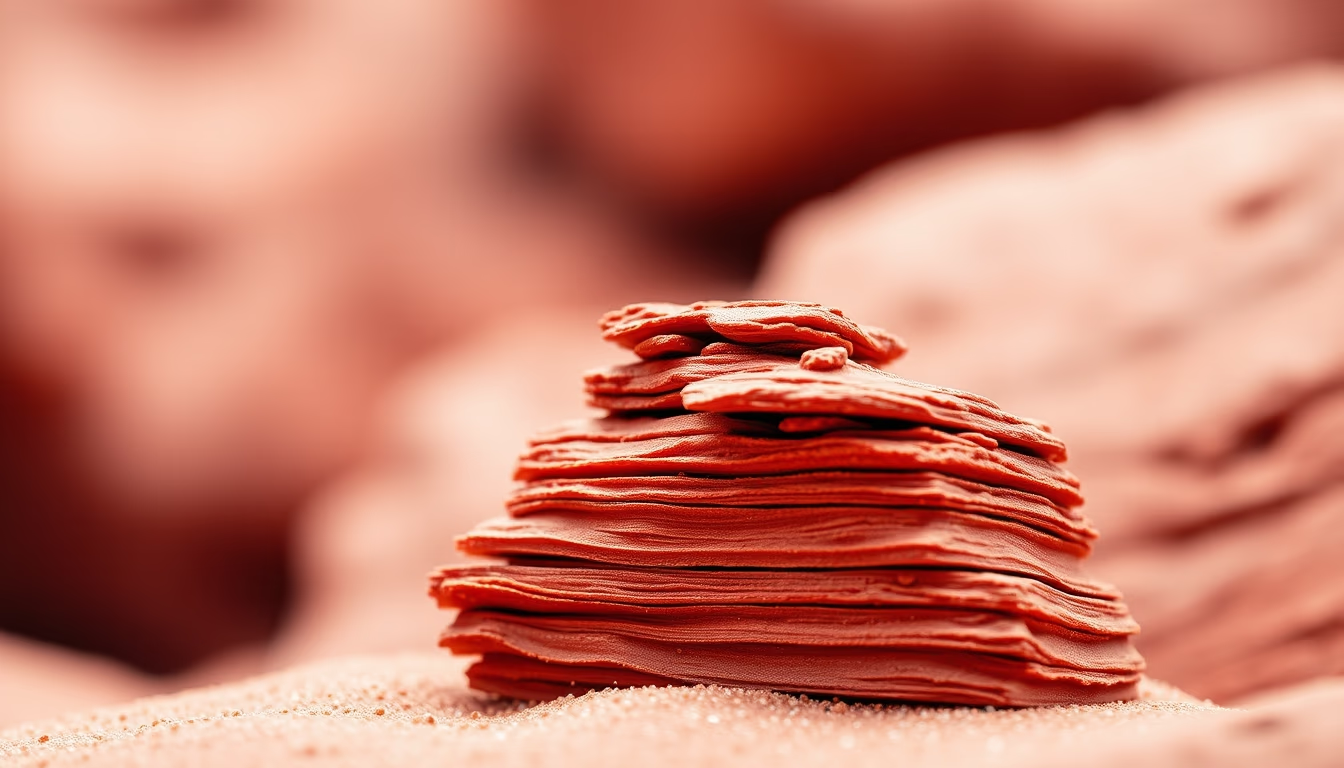
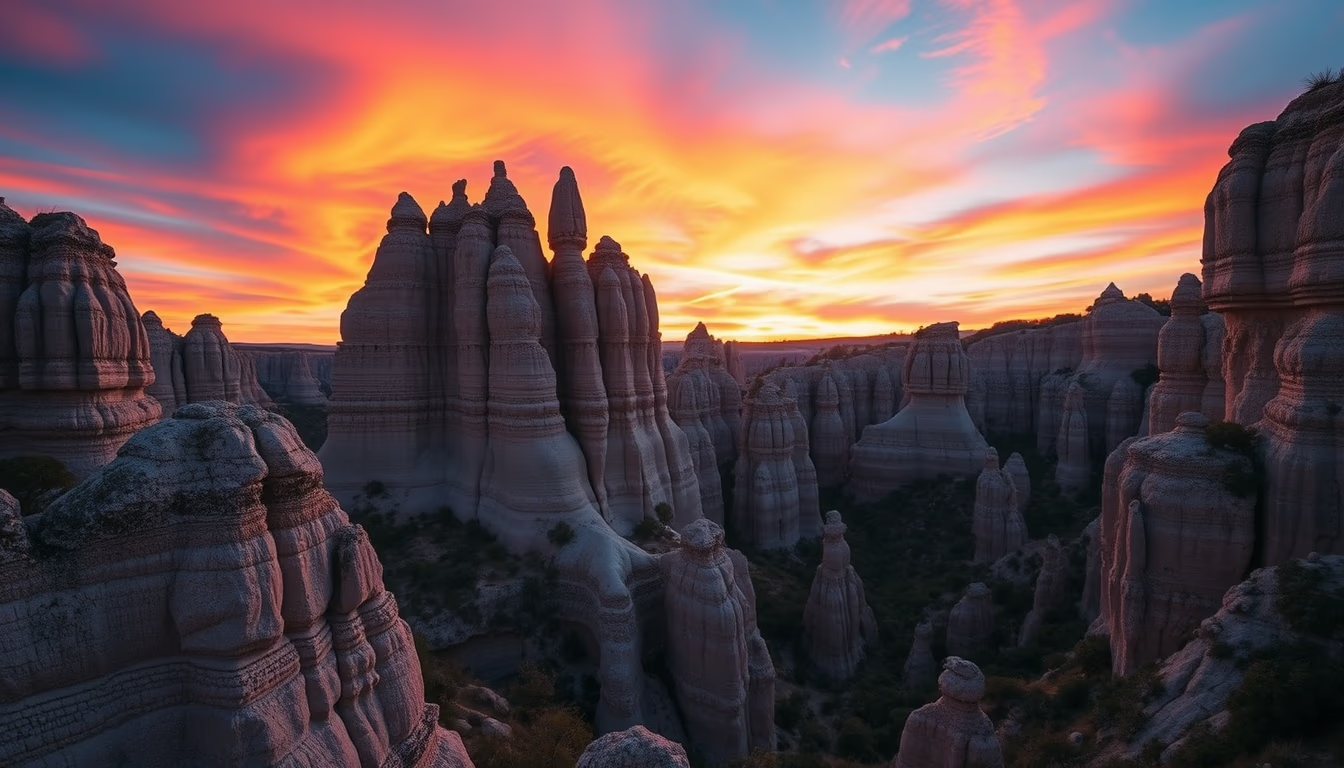
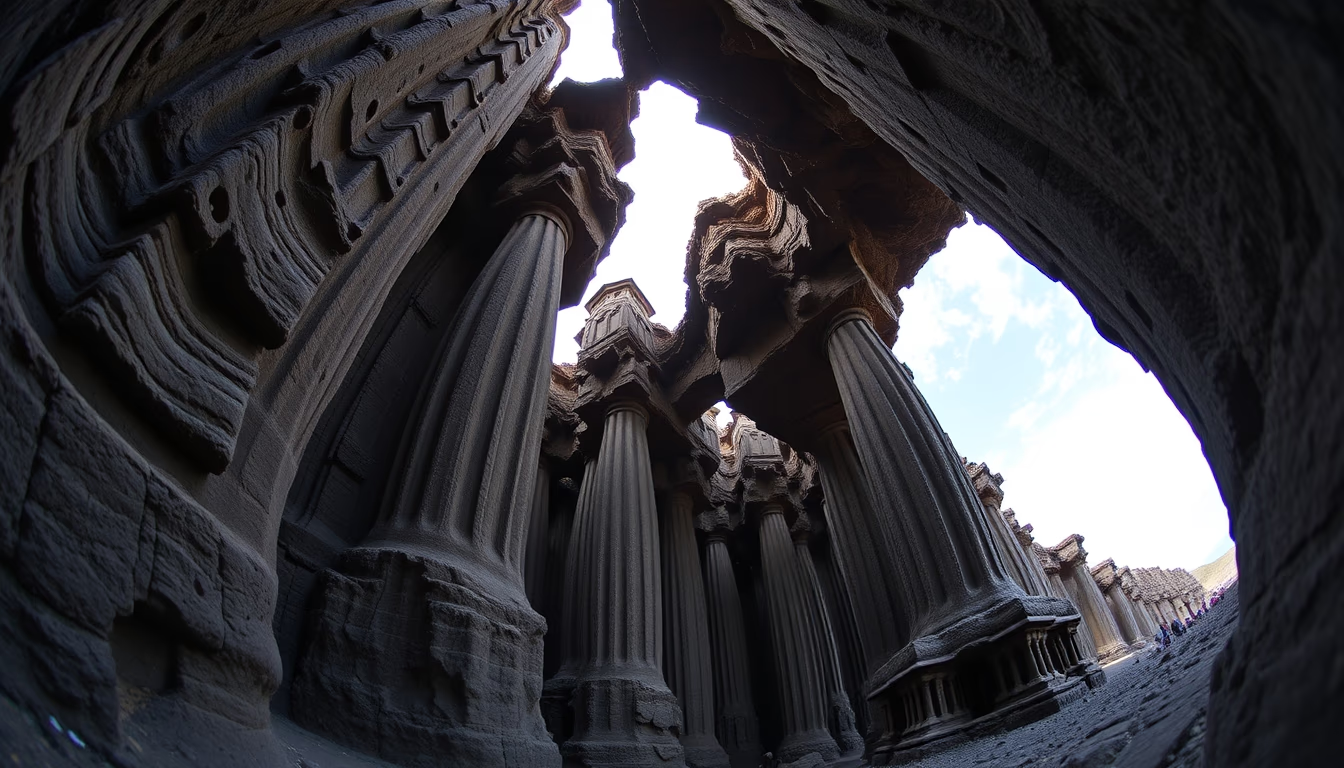
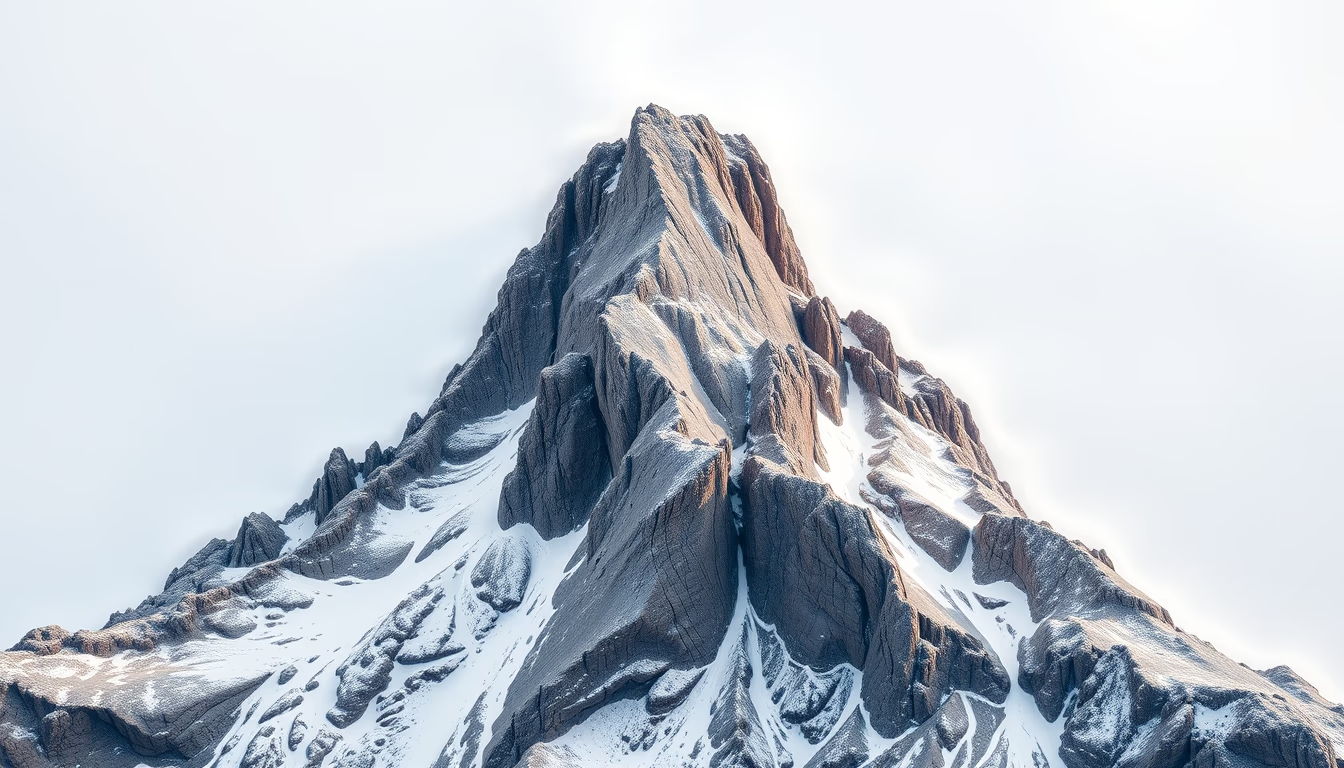
Volcanic rock obsidian
1344×768 · AVIF · CC BY 4.0
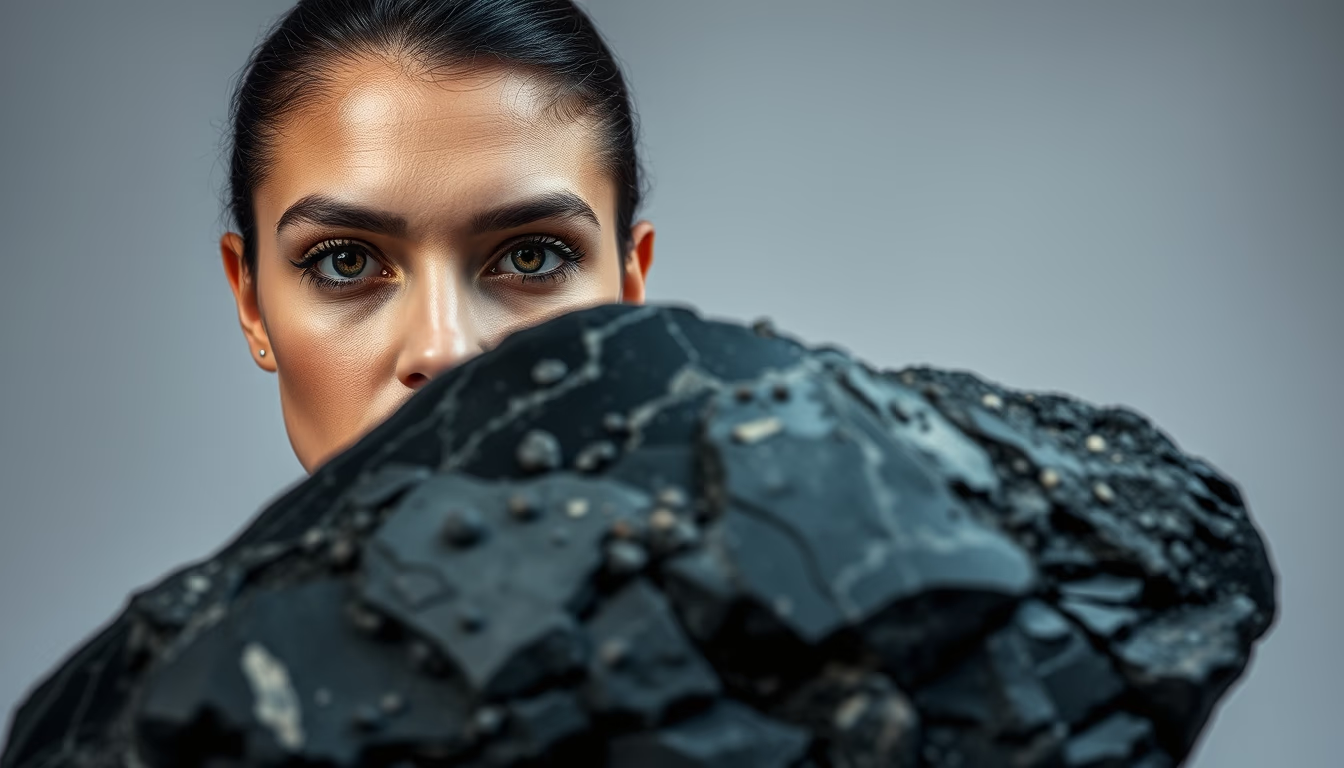
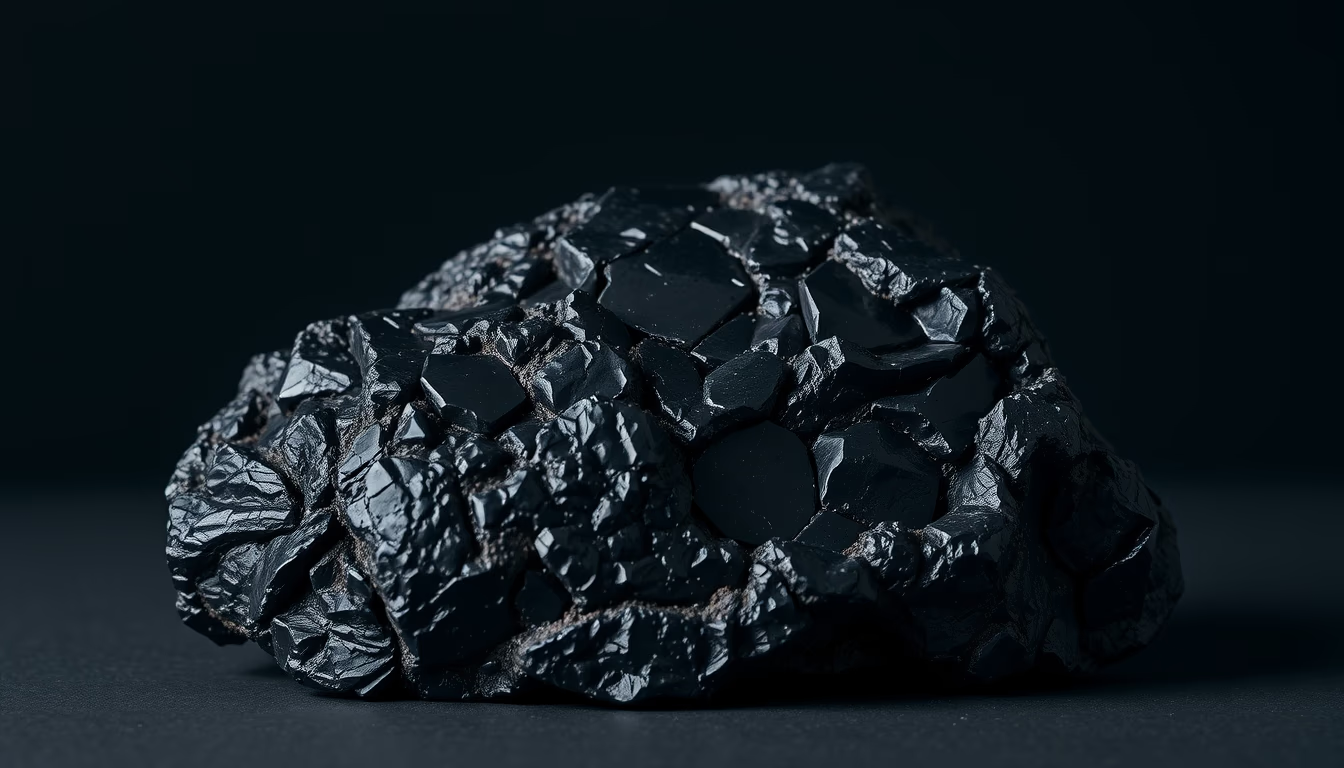
Obsidian is a natural volcanic glass formed by the rapid cooling of silica-rich lava, known for its smooth texture and glassy luster.
About this subject
Obsidian is an extrusive igneous rock classified as an amorphous volcanic glass due to its lack of crystalline structure. It forms when silica-rich magma (typically above 70% SiO₂) comes into contact with the atmosphere or water, cooling so rapidly that atoms cannot arrange into crystals. This process occurs during explosive volcanic eruptions (Plinian or Pelean types) or when lava flows abruptly enter the sea or lakes. Major deposits are found in regions with recent or past volcanic activity: Iceland, Mexico, the United States (especially Oregon and California), Peru, Japan, Indonesia, and the Azores archipelago. The most common color is deep black, but mineral impurities produce variations: hematite inclusions create reddish 'mahogany' obsidian; cristobalite microcrystals yield silver or gold sheen; and tiny gas bubbles can cause blue, green, or rainbow hues (rainbow obsidian). Obsidian has a Mohs hardness of 5, 5.5, making it brittle yet capable of producing extremely sharp flakes, hence its historical use for cutting tools and weapons. In prehistory, it was extensively used by the Aztecs, Maya, Inca, and Native American cultures for arrowheads, knives, mirrors, and ritual objects. During the European Neolithic, obsidian was traded over long distances, as evidenced by artifacts found in Sardinia and Anatolia. Today, obsidian is employed in ultra-precise surgical scalpels (blades can be up to 500 times thinner than steel ones) and as a gemstone in jewelry and carvings. In popular culture and spirituality, it is considered a stone of protection and mental clarity, though these beliefs lack scientific basis. Notably, because it is a glass, obsidian is not classified as a true mineral, as its amorphous structure does not meet the definition of crystallinity.
Frequently Asked Questions
How is obsidian formed?
Obsidian forms when silica-rich lava cools extremely rapidly, typically upon contact with water or during explosive eruptions. This rapid cooling prevents crystallization, resulting in an amorphous volcanic glass.
Where in the world is obsidian found?
Major deposits exist in Mexico (primary Aztec source), the United States (Oregon, California, Yellowstone), Iceland, Peru, Japan, Indonesia, and the Azores. It always occurs in regions with recent or historical volcanic activity.
Is obsidian still used in surgery today?
Yes, obsidian surgical blades are used in high-precision procedures like eye surgery because they can be made much thinner (about 3 nanometers) than conventional steel blades, resulting in cleaner cuts and smaller scars.
Direct URL
https://pub-c7d6a6ea828543ac903a74a341ccb2e1.r2.dev/imagens/volcanic-rock-obsidian-studio-editorial-portrait-fresh6.avifHow to credit
Include a visible link back to UtilizAí. Copy one of the snippets below:
<a href="https://xn--utiliza-eza.com/en/midia/imagens/volcanic-rock-obsidian-studio-editorial-portrait-fresh6">Volcanic rock obsidian</a> by <a href="https://xn--utiliza-eza.com">UtilizAí</a>, licensed under <a href="https://creativecommons.org/licenses/by/4.0/">CC BY 4.0</a>.
[Volcanic rock obsidian](https://xn--utiliza-eza.com/en/midia/imagens/volcanic-rock-obsidian-studio-editorial-portrait-fresh6) by [UtilizAí](https://xn--utiliza-eza.com), CC BY 4.0
License: CC-BY-4.0