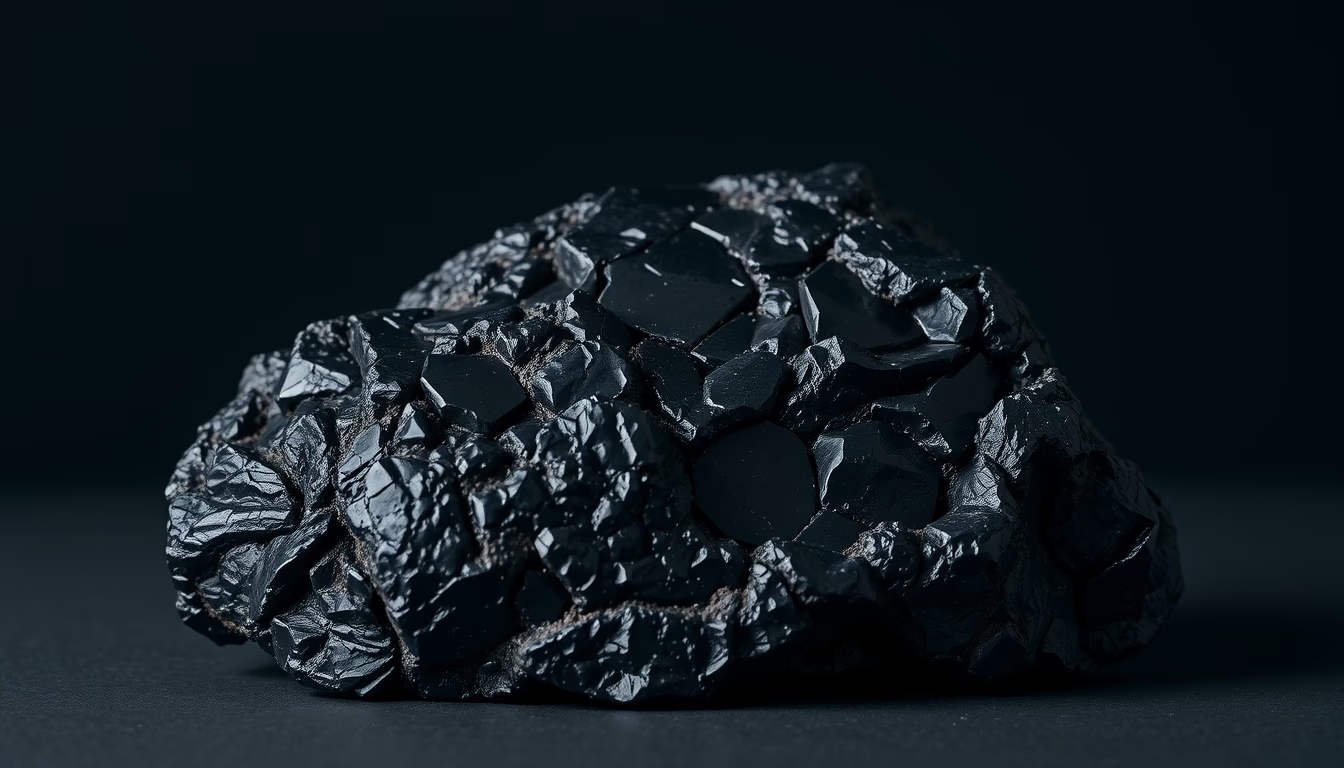
Volcanic rock obsidian
1344×768 · AVIF · CC BY 4.0
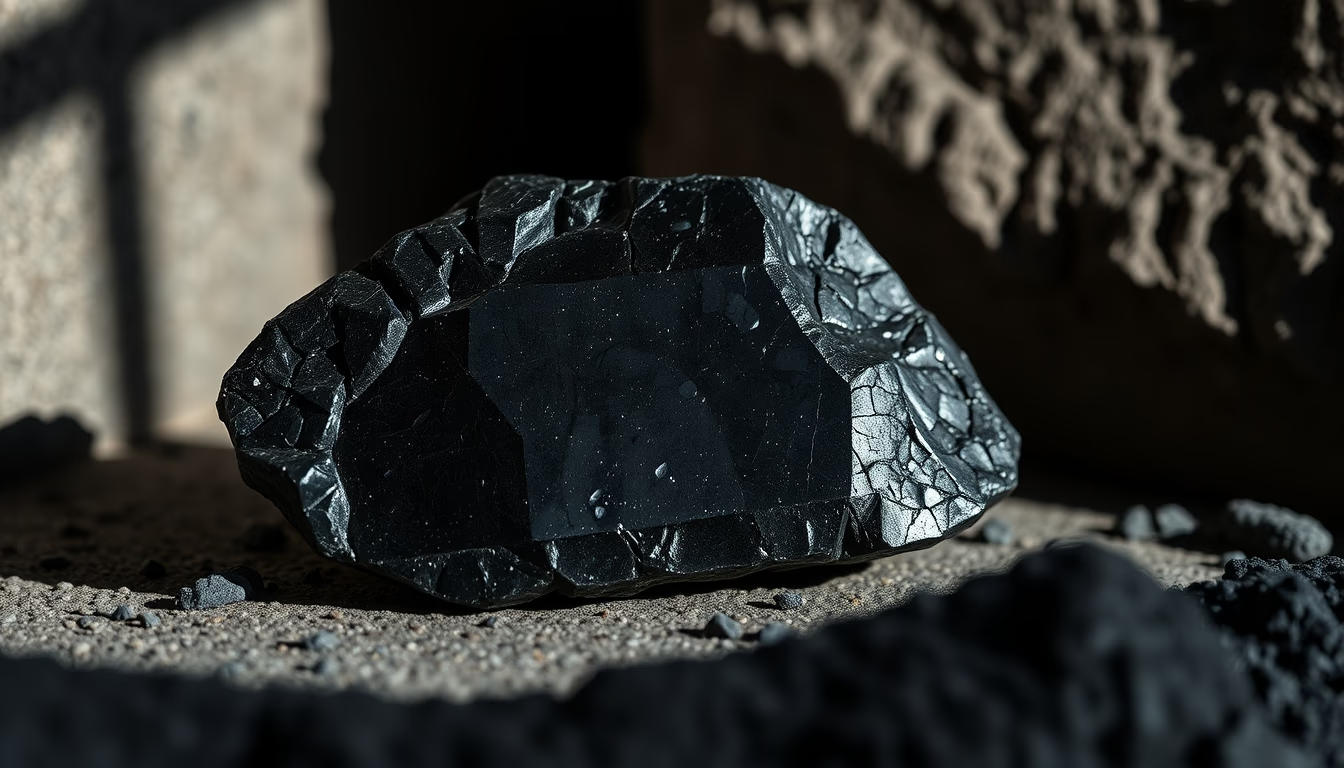
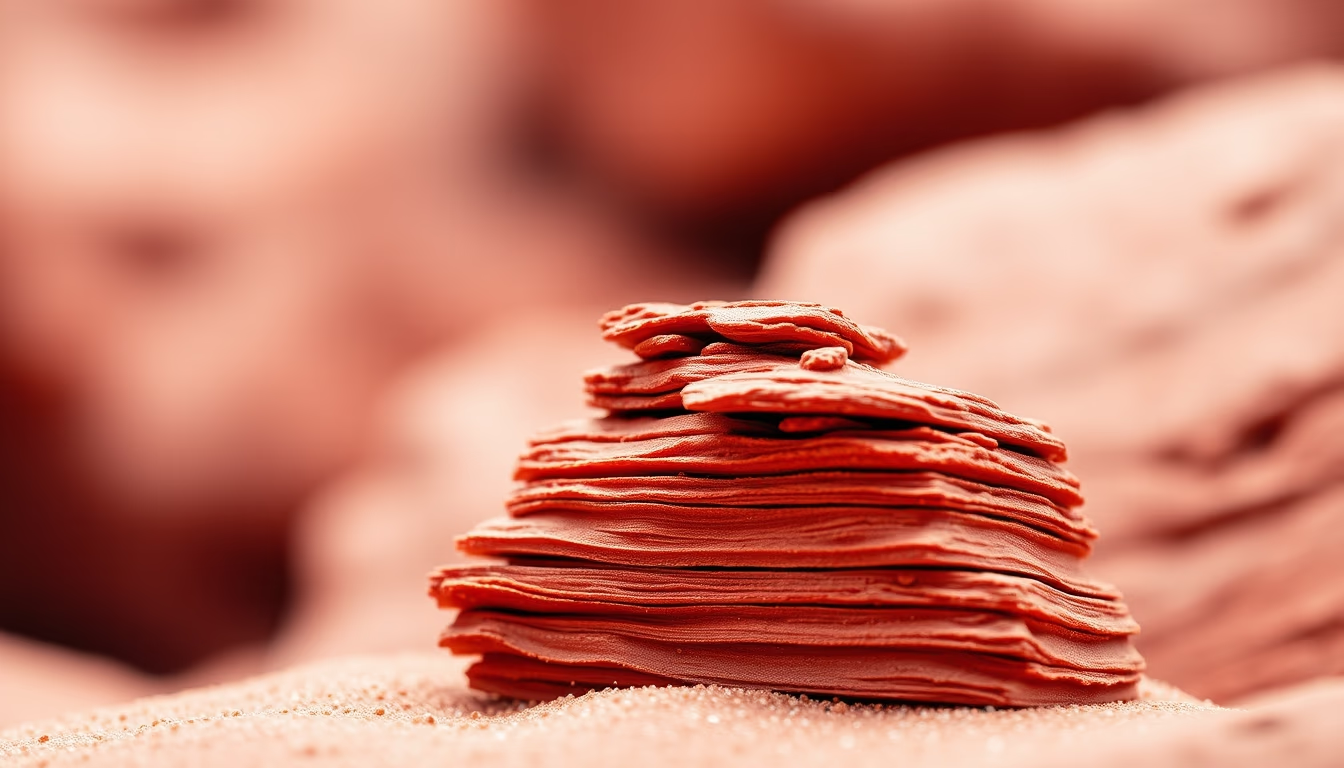
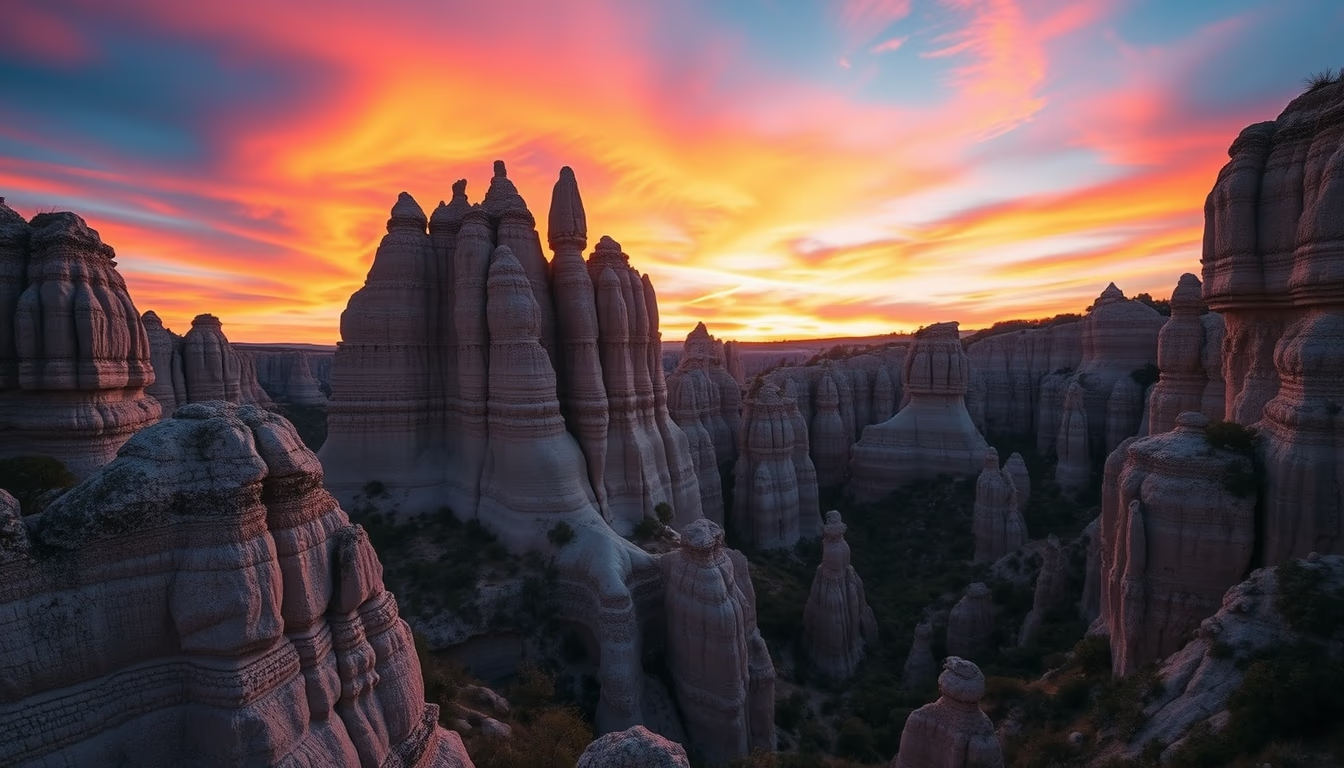
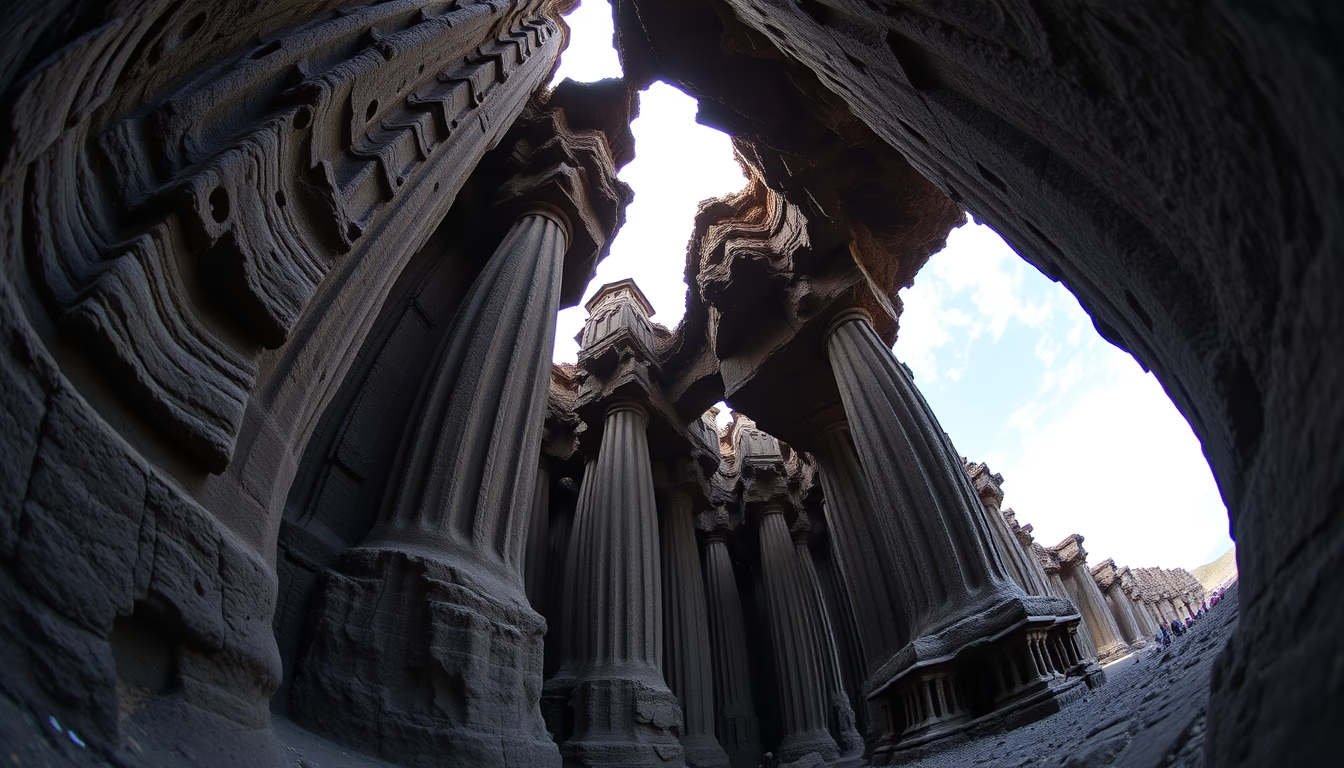
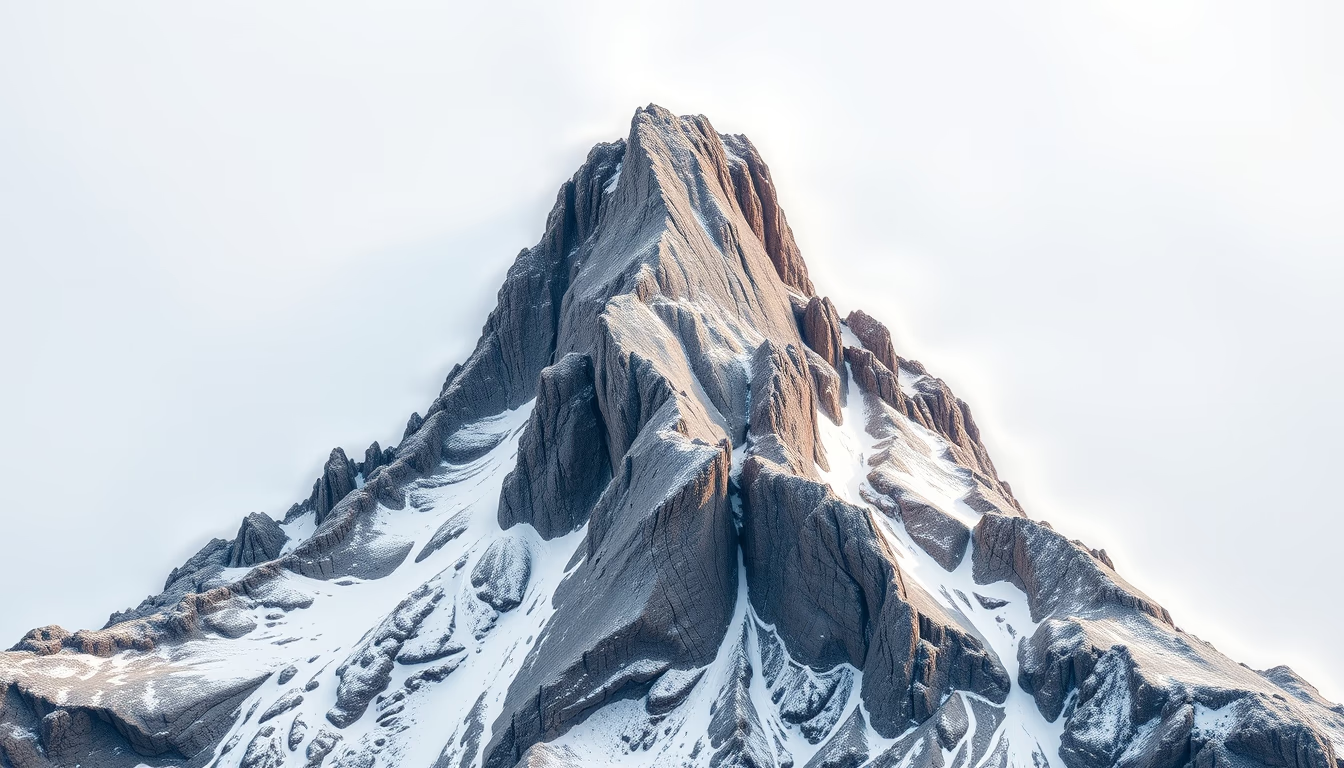
Obsidian is a natural volcanic glass formed by rapid cooling of silica-rich lava, used since ancient times for cutting tools and decorative objects.
About this subject
Obsidian is an extrusive igneous rock classified as a volcanic glass because it lacks a crystalline structure. It forms when felsic (silica-rich) lava cools rapidly, preventing nucleation and crystal growth. This often occurs at the margins of lava flows or in volcanic domes. Major deposits exist in Mexico, Iceland, Italy, Scotland, and the United States, especially in Oregon and California.
Historically, obsidian was one of the earliest materials used by humans for toolmaking. Its conchoidal fracture allows extremely sharp edges, surpassing surgical steel at the molecular level. Peoples such as the Maya, Aztec, and Native Americans produced arrowheads, knives, mirrors, and ceremonial masks. In Mesoamerica, obsidian was a symbol of status and power, traded over long distances.
Today, obsidian is valued as a semiprecious gemstone in jewelry, carved into spheres, cabochons, and pendants. Varieties such as snowflake obsidian (with white cristobalite inclusions), rainbow obsidian (iridescence from nanoscale magnetite inclusions), and mahogany obsidian (brown-red hue from iron oxides) are especially prized. In medicine, obsidian blades have been tested for scalpels, but brittleness limits clinical use.
Additionally, obsidian has scientific importance. Obsidian hydration dating is used in archaeology to estimate artifact age. The technique measures the thickness of the hydrated layer formed on exposed surfaces, providing relative dates when calibrated. Obsidian also helps scientists understand eruptive processes and magma evolution.
Frequently Asked Questions
How does obsidian form?
Obsidian forms when silica-rich felsic lava cools rapidly, preventing mineral crystallization. The abrupt cooling usually occurs at the edges of lava flows or upon contact with water, resulting in an amorphous volcanic glass.
What were the main historical uses of obsidian?
Since the Paleolithic, obsidian was used for cutting tools like knives and spear points. Mesoamerican civilizations (Maya, Aztec) valued it for rituals, mirrors, and luxury items. It was also traded as a prestige good.
Are there different types of obsidian?
Yes, varieties include snowflake obsidian (with white cristobalite inclusions), rainbow obsidian (iridescence from nanoscale magnetite particles), and mahogany obsidian (reddish tones from iron oxides). Each type has distinct appearance and composition.
Direct URL
https://pub-c7d6a6ea828543ac903a74a341ccb2e1.r2.dev/imagens/volcanic-rock-obsidian-minimalist-composition-fresh9.avifHow to credit
Include a visible link back to UtilizAí. Copy one of the snippets below:
<a href="https://xn--utiliza-eza.com/en/midia/imagens/volcanic-rock-obsidian-minimalist-composition-fresh9">Volcanic rock obsidian</a> by <a href="https://xn--utiliza-eza.com">UtilizAí</a>, licensed under <a href="https://creativecommons.org/licenses/by/4.0/">CC BY 4.0</a>.
[Volcanic rock obsidian](https://xn--utiliza-eza.com/en/midia/imagens/volcanic-rock-obsidian-minimalist-composition-fresh9) by [UtilizAí](https://xn--utiliza-eza.com), CC BY 4.0
License: CC-BY-4.0