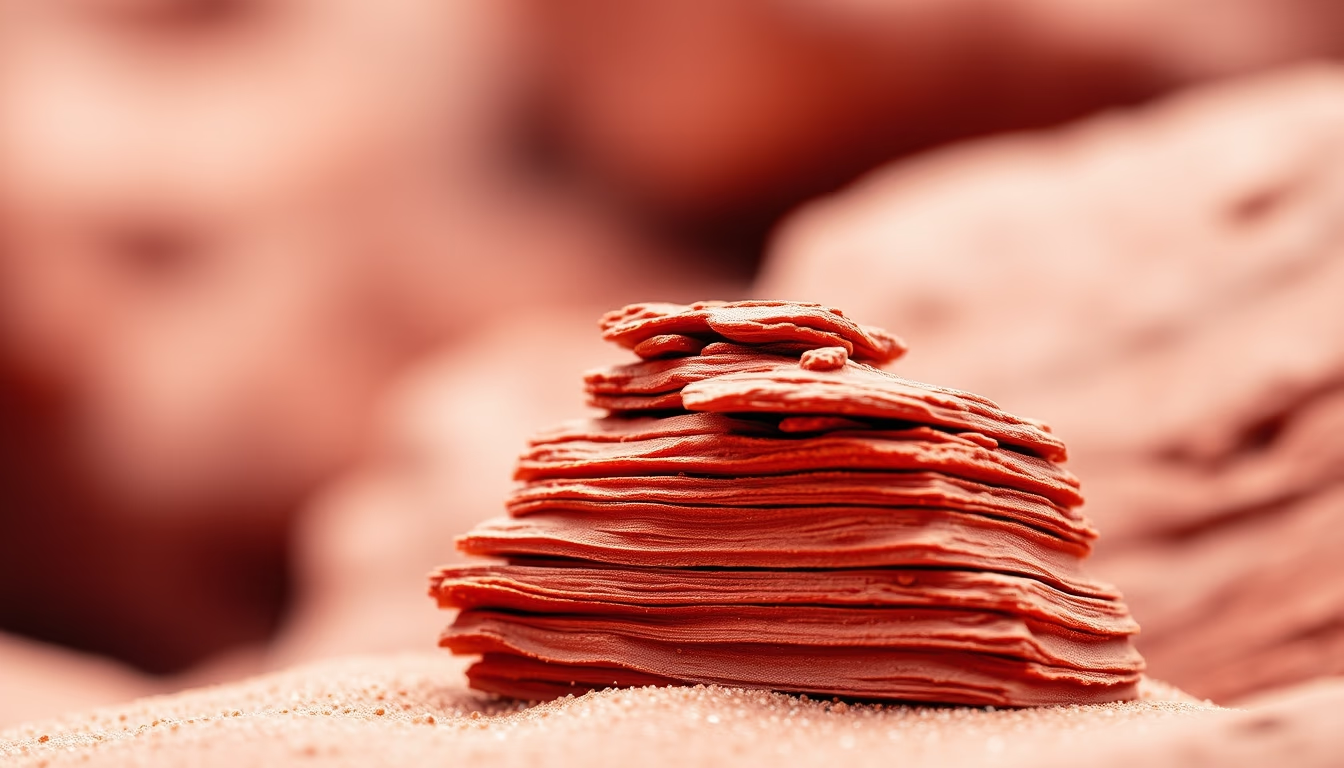
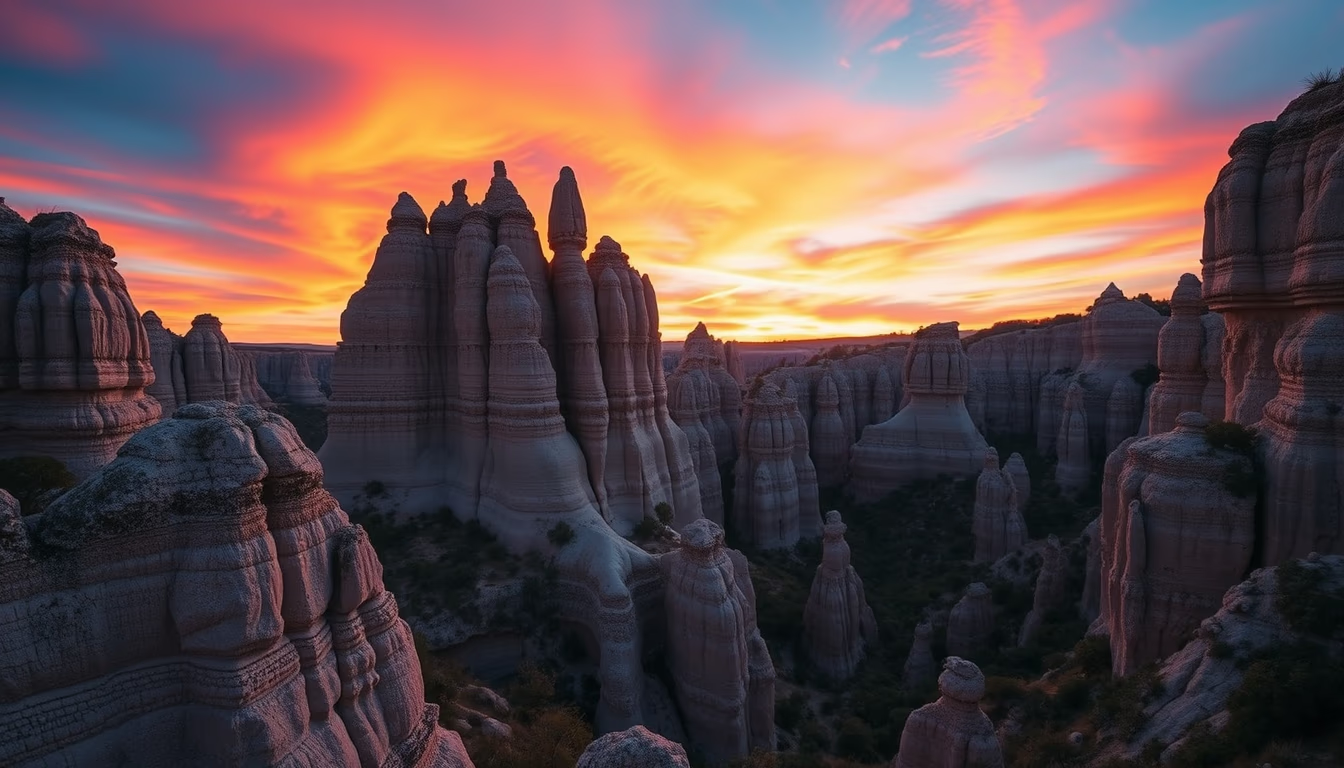
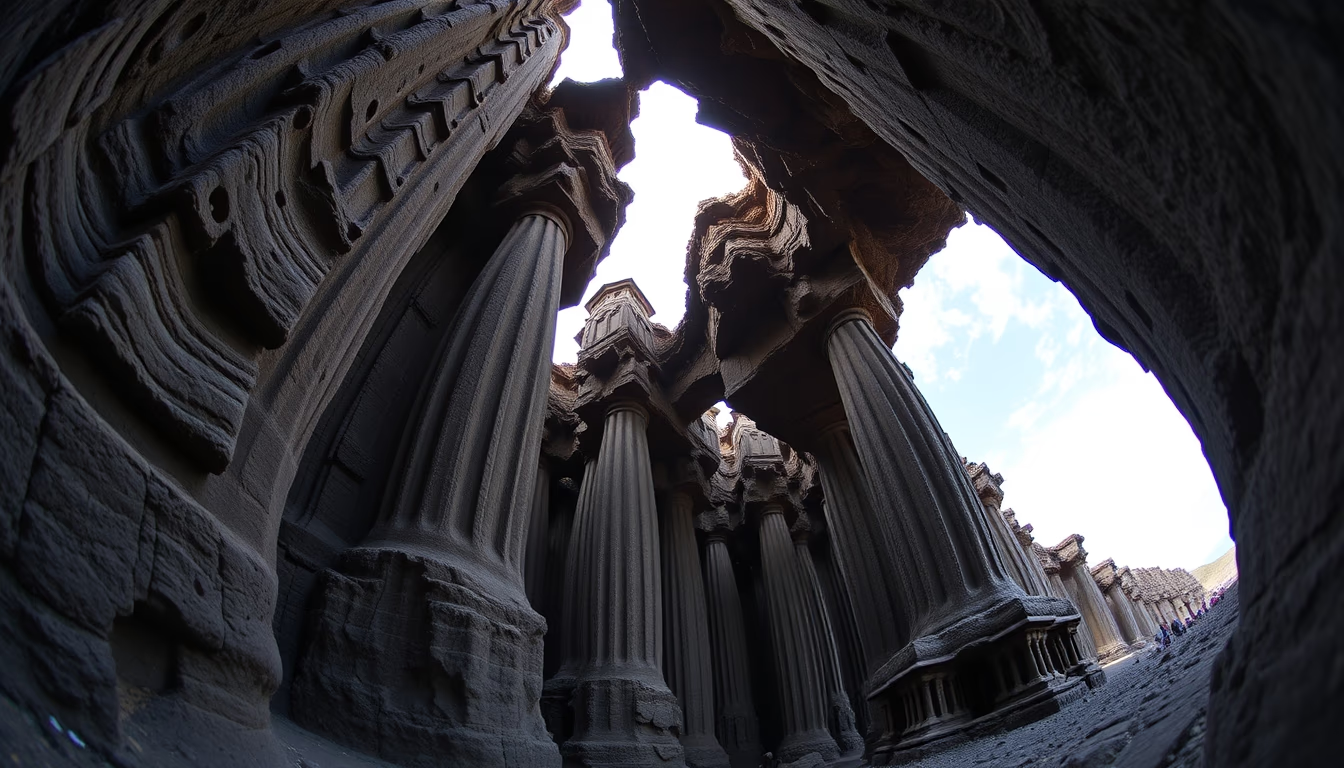
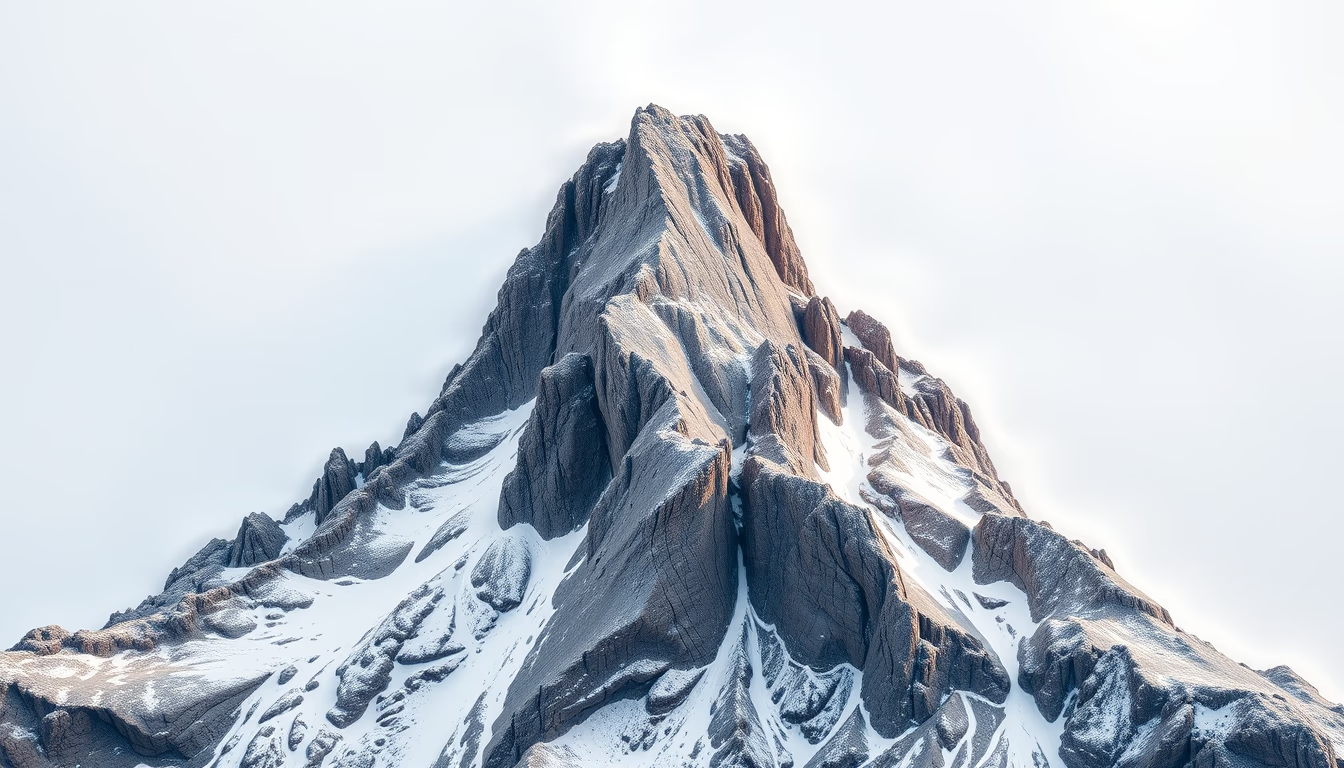
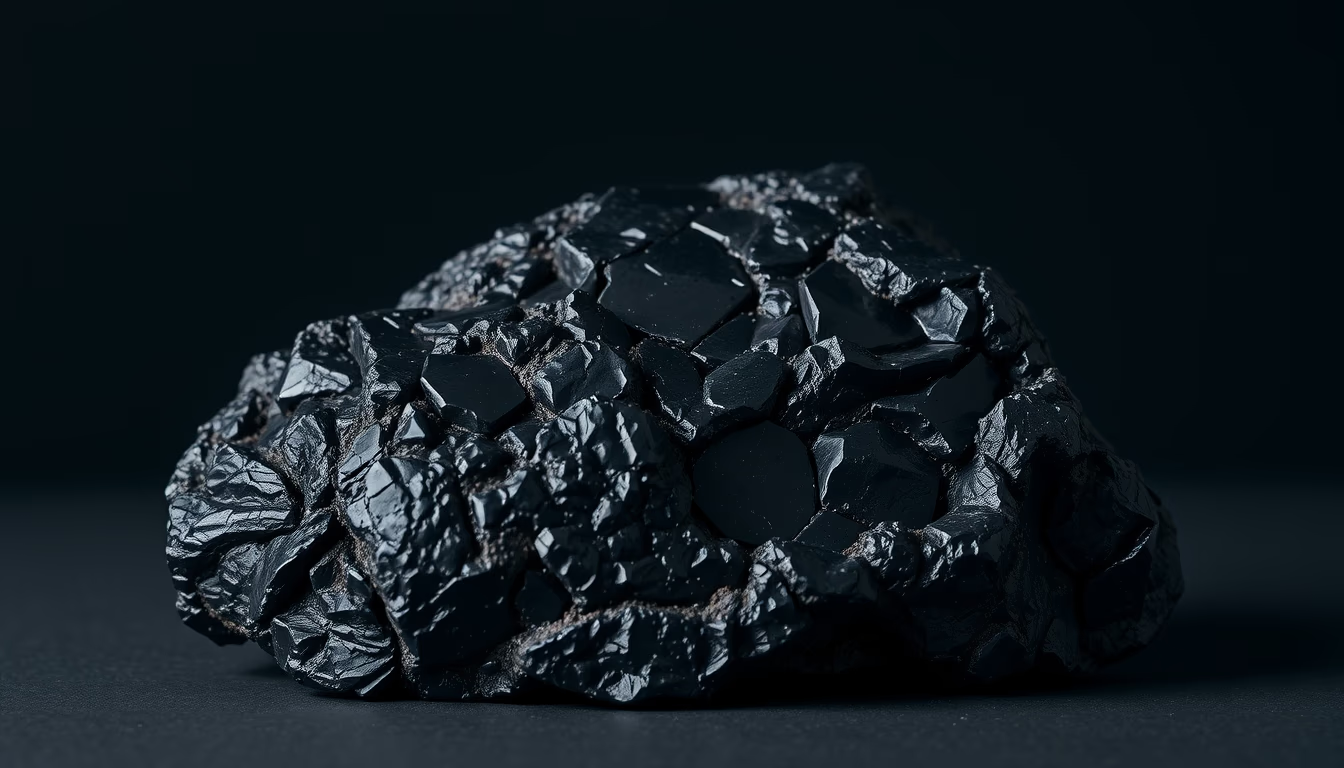
Volcanic rock obsidian
1344×768 · AVIF · CC BY 4.0
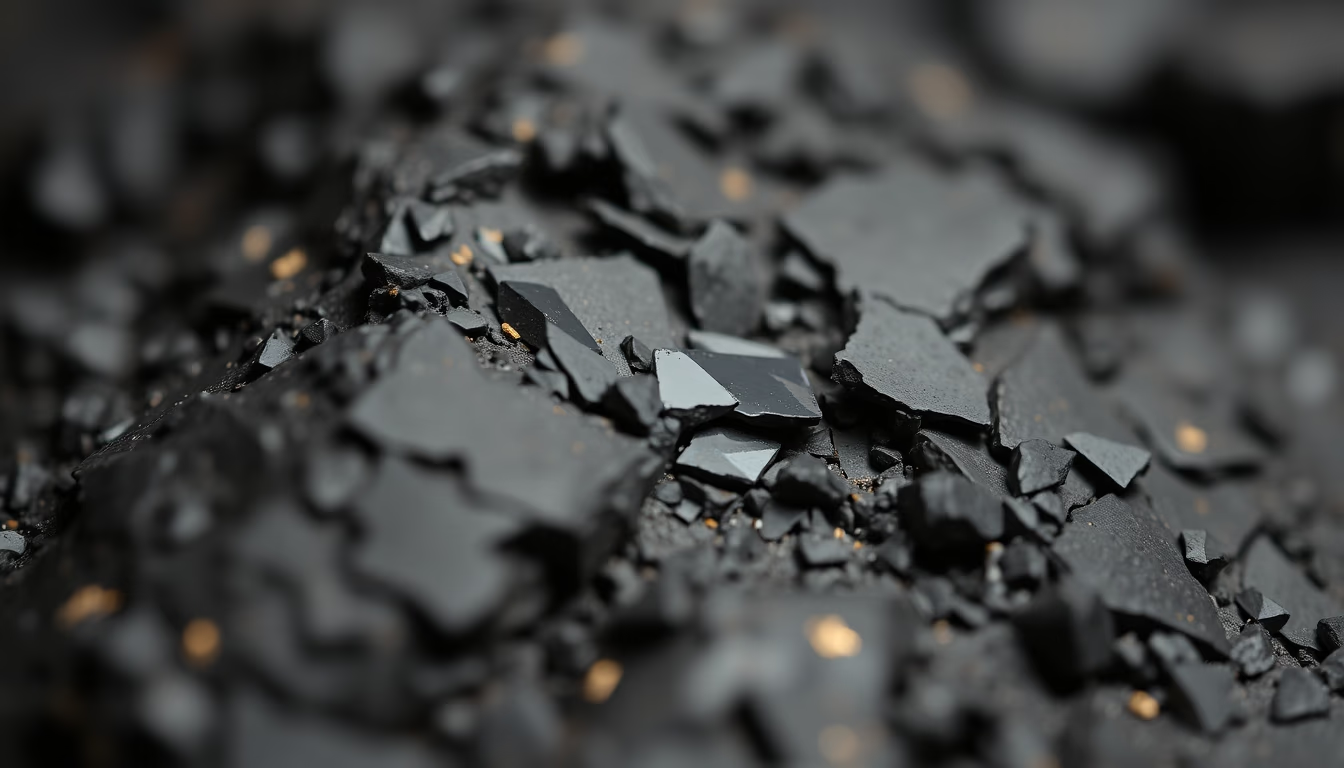
Obsidian is a natural volcanic glass formed by rapid cooling of silica-rich lava, widely used since prehistoric times.
About this subject
Obsidian is an extrusive igneous rock formed when silica rich lava cools rapidly, preventing crystal growth. This quench creates a hard, glassy material with a conchoidal fracture that can yield edges thinner than a surgical scalpel. Although black is the most common color, obsidian can also appear green, brown, red, or exhibit iridescence due to mineral inclusions or microscopic bubbles.
Since the Paleolithic, obsidian has been prized for its ability to flake into sharp tools and arrowheads. Ancient civilizations in Mesoamerica, such as the Aztecs and Maya, carved mirrors, masks, and weapons from it. On the Greek island of Milos, obsidian was mined and traded across the Mediterranean as early as the Neolithic. Its hardness of 5 to 5.5 on the Mohs scale and extreme sharpness made it ideal for surgical instruments in pre Columbian cultures, and it is still used today in ultra precise scalpel blades.
Geologically, obsidian occurs in regions of recent or ancient volcanic activity, such as Yellowstone National Park (USA), Iceland, Peru, and Brazil (notably in the Poços de Caldas plateau, Minas Gerais). Its composition is similar to granite and rhyolite, but the lack of crystals classifies it as an amorphous glass. Since it is not a crystalline mineral, some classify it as a mineraloid.
Obsidian also holds cultural and spiritual significance, often used in crystal healing for protection and mental clarity. In jewelry, it is cut as cabochons or carved into organic shapes. Its natural beauty and versatility make it one of the most fascinating materials in geology and human history.
Frequently Asked Questions
How is obsidian formed?
Obsidian forms when silica rich lava cools extremely rapidly, preventing crystal growth. This rapid quenching results in a natural amorphous glass.
What were historical uses of obsidian?
Since the Paleolithic, obsidian was used for cutting tools, arrowheads, and weapons. Civilizations like the Aztecs and Maya also crafted mirrors, masks, and ritual objects from it.
Is obsidian considered a mineral?
No. Because it lacks a crystalline structure, obsidian is classified as a mineraloid or volcanic glass, not a true mineral.
Direct URL
https://pub-c7d6a6ea828543ac903a74a341ccb2e1.r2.dev/imagens/volcanic-rock-obsidian-macro-closeup-fresh8.avifHow to credit
Include a visible link back to UtilizAí. Copy one of the snippets below:
<a href="https://xn--utiliza-eza.com/en/midia/imagens/volcanic-rock-obsidian-macro-closeup-fresh8">Volcanic rock obsidian</a> by <a href="https://xn--utiliza-eza.com">UtilizAí</a>, licensed under <a href="https://creativecommons.org/licenses/by/4.0/">CC BY 4.0</a>.
[Volcanic rock obsidian](https://xn--utiliza-eza.com/en/midia/imagens/volcanic-rock-obsidian-macro-closeup-fresh8) by [UtilizAí](https://xn--utiliza-eza.com), CC BY 4.0
License: CC-BY-4.0