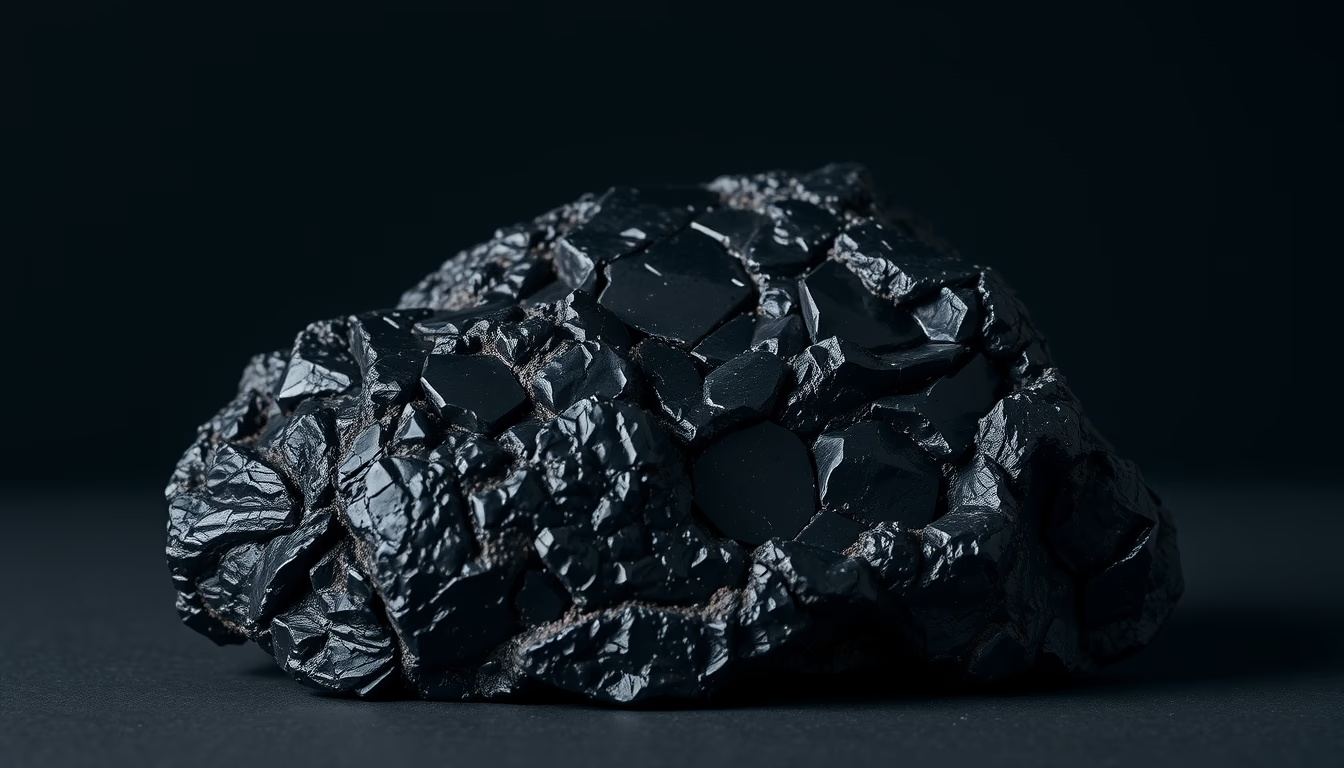
Volcanic rock obsidian
1344×768 · AVIF · CC BY 4.0

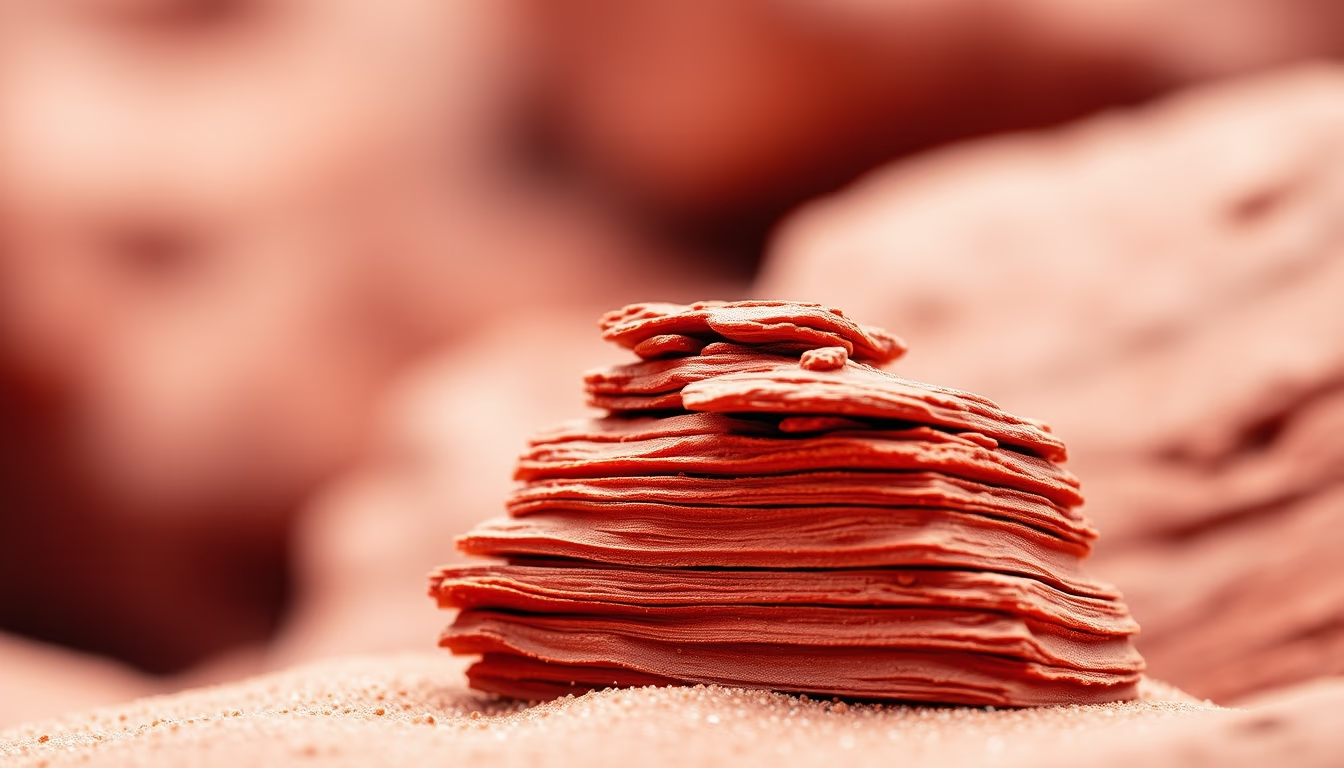
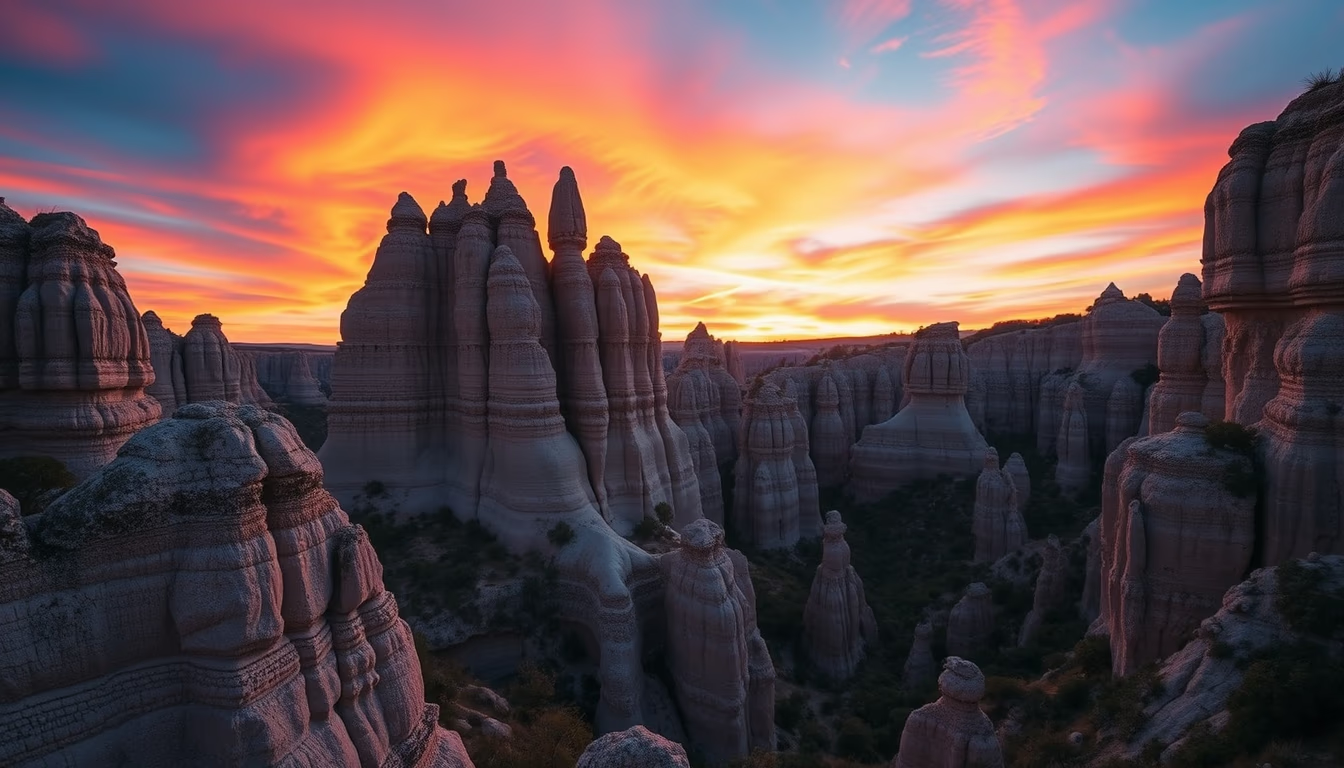
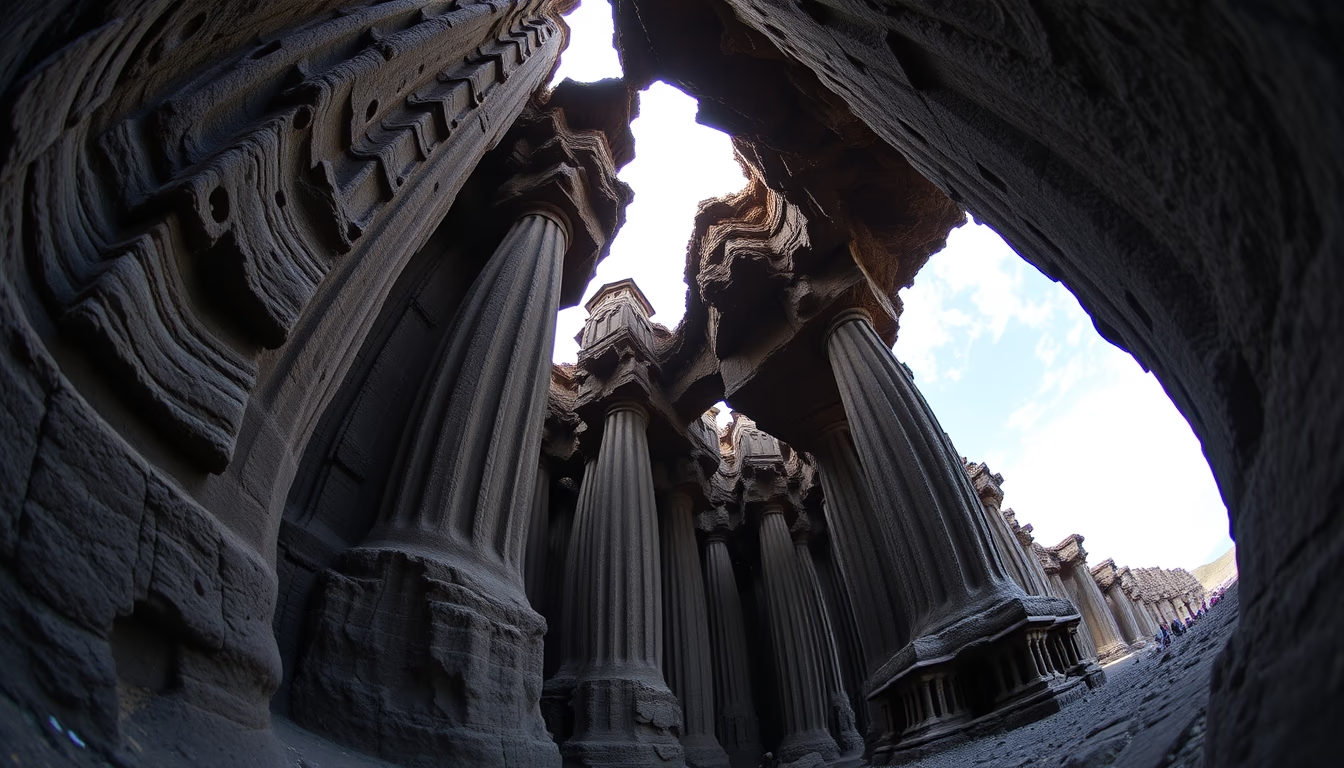
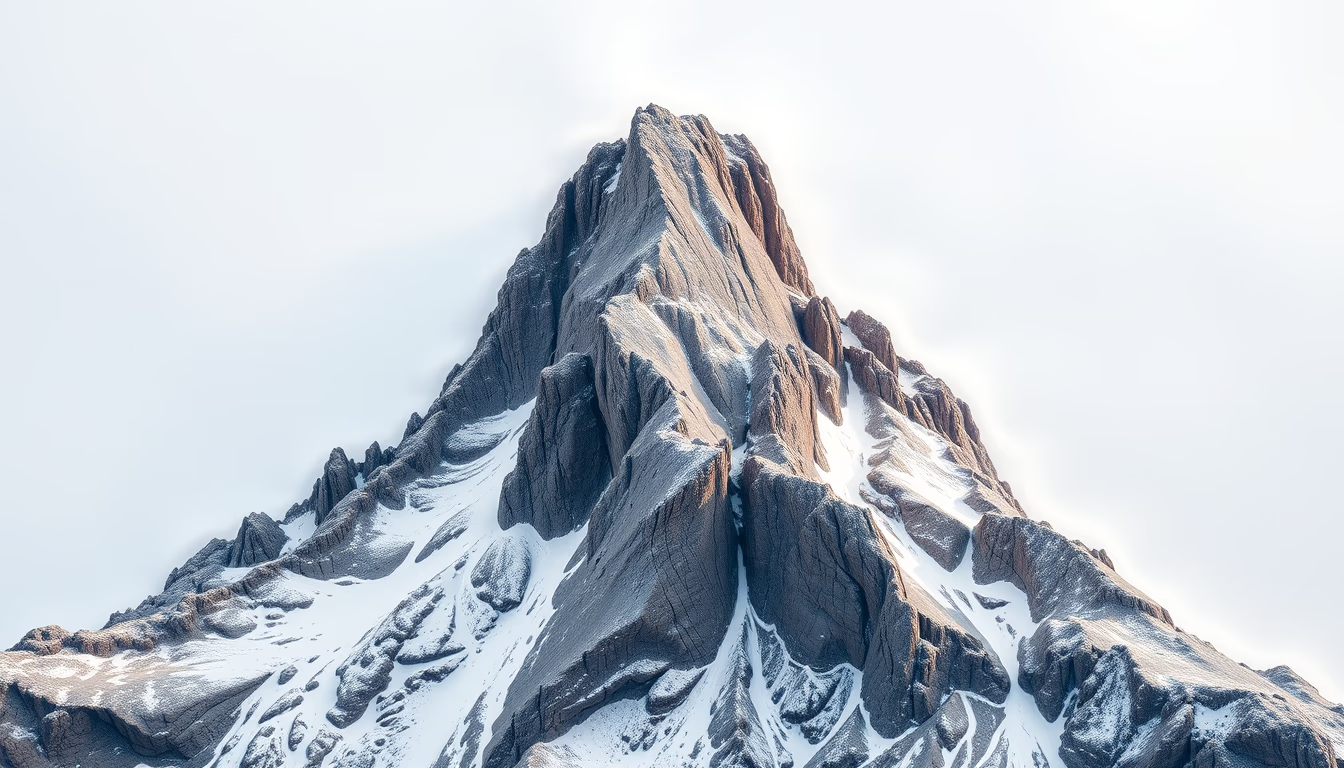
Obsidian is a volcanic glass rock formed by the rapid cooling of lava, known for its smooth texture and striking dark colors.
About this subject
Obsidian is an extrusive igneous rock classified as volcanic glass due to its lack of crystalline structure. It forms when silica-rich lava cools so rapidly that minerals do not have time to crystallize, resulting in a glassy, homogeneous surface. This process typically occurs during explosive volcanic eruptions or when lava flows contact water or cold air. Common colors include black, gray, brown, and green, but varieties like rainbow and gold obsidian exhibit iridescence from nanoparticle inclusions.
Culturally, obsidian has been valued since prehistoric times. Ancient civilizations such as the Aztecs and Mayans used it to make knives, arrowheads, and mirrors, exploiting its ability to produce extremely sharp edges. In traditional medicine, it was believed to have healing and protective properties. Today, besides jewelry and decorative objects, obsidian is used industrially as an abrasive and in surgical instruments, such as obsidian scalpels, which are more precise than metal ones.
Significant obsidian deposits are found in active or extinct volcanic regions worldwide, including Iceland, Mexico, the United States (especially Oregon and California), Peru, Japan, and New Zealand. Each location yields unique varieties, such as snowflake obsidian (with white cristobalite crystals) and fire obsidian (with inclusions causing a reddish sheen). Its hardness on the Mohs scale is about 5 to 5.5, and while relatively brittle, its conchoidal fracture allows for very thin, sharp flakes.
In fashion and interior design, obsidian is valued for its elegant, minimalist appearance, often polished into cabochons, beads, or sculptures. High-end jewelry frequently pairs black obsidian with precious metals for a dramatic contrast. Due to its volcanic origin and earthy associations, the stone carries symbolism of strength and renewal, making it popular in themed collections or editorial looks.
Frequently Asked Questions
Is obsidian considered a gemstone?
Technically, obsidian is not a gemstone because it is natural volcanic glass rather than a crystalline mineral. However, it is widely used in jewelry as a gem, valued for its beauty and unique properties.
What is the difference between obsidian and common glass?
Obsidian is natural glass formed by volcanic activity, while common glass is man-made from quartz sand and other components. Obsidian can contain inclusions and impurities that give it distinctive colors and patterns.
How was obsidian used by ancient civilizations?
Ancient civilizations such as the Aztecs, Mayans, and Greeks used obsidian to make sharp tools like knives and spear points, as well as mirrors and ceremonial objects. Its extremely thin edge was ideal for surgery and rituals.
Direct URL
https://pub-c7d6a6ea828543ac903a74a341ccb2e1.r2.dev/imagens/volcanic-rock-obsidian-high-fashion-editorial-fresh14.avifHow to credit
Include a visible link back to UtilizAí. Copy one of the snippets below:
<a href="https://xn--utiliza-eza.com/en/midia/imagens/volcanic-rock-obsidian-high-fashion-editorial-fresh14">Volcanic rock obsidian</a> by <a href="https://xn--utiliza-eza.com">UtilizAí</a>, licensed under <a href="https://creativecommons.org/licenses/by/4.0/">CC BY 4.0</a>.
[Volcanic rock obsidian](https://xn--utiliza-eza.com/en/midia/imagens/volcanic-rock-obsidian-high-fashion-editorial-fresh14) by [UtilizAí](https://xn--utiliza-eza.com), CC BY 4.0
License: CC-BY-4.0