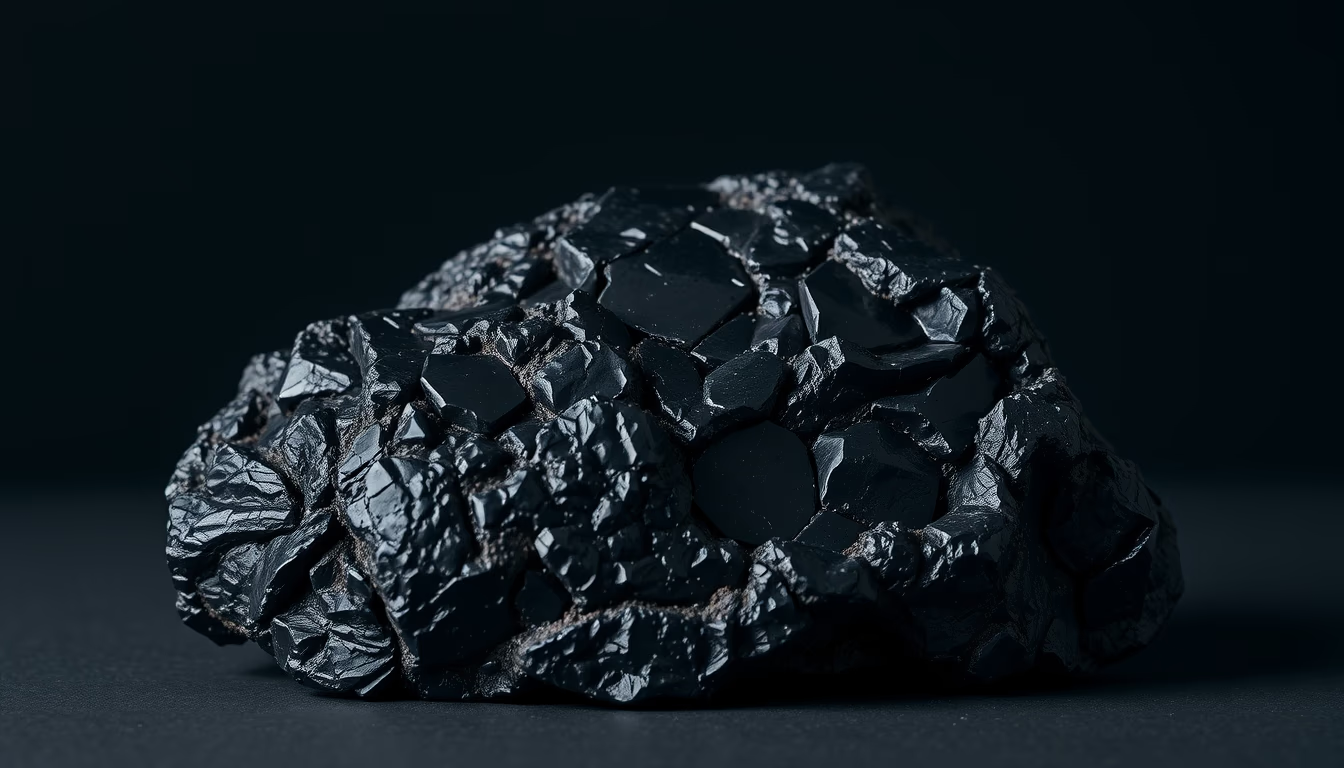
Volcanic rock obsidian
1344×768 · AVIF · CC BY 4.0
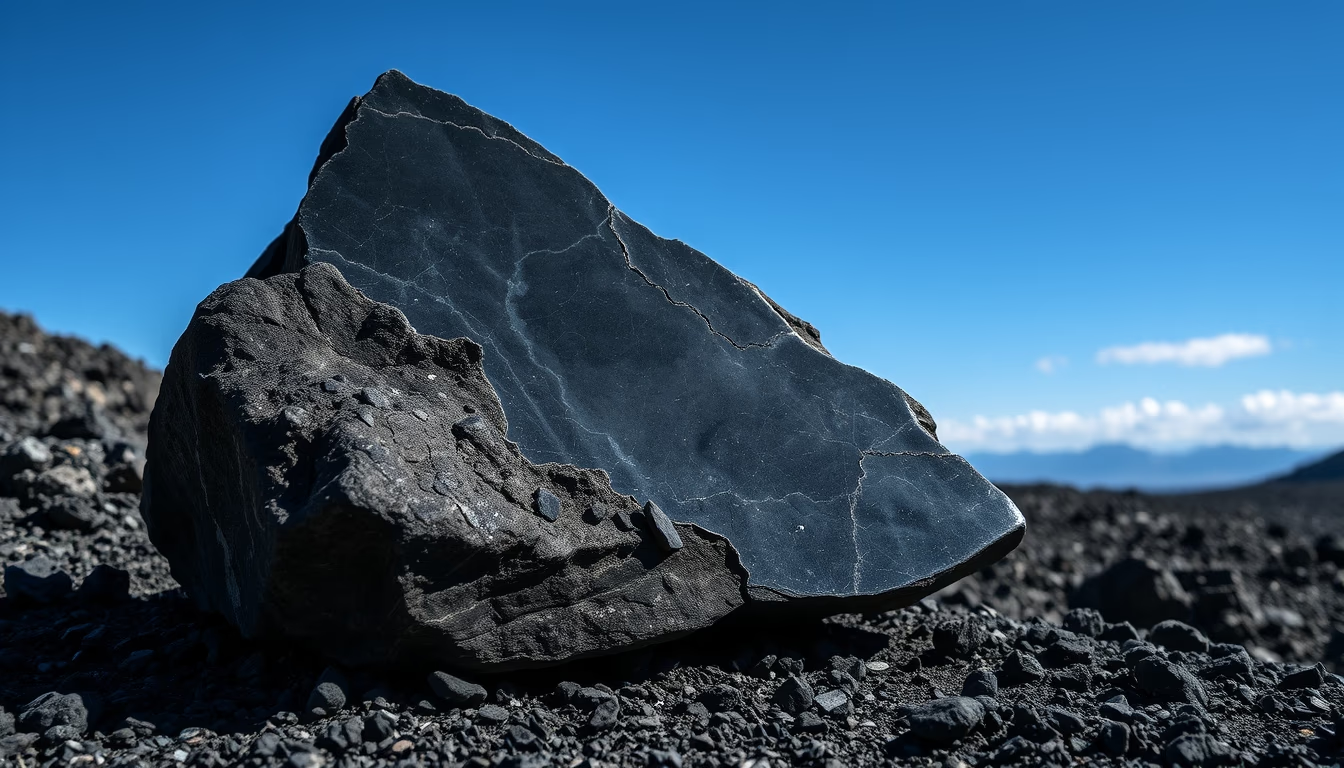
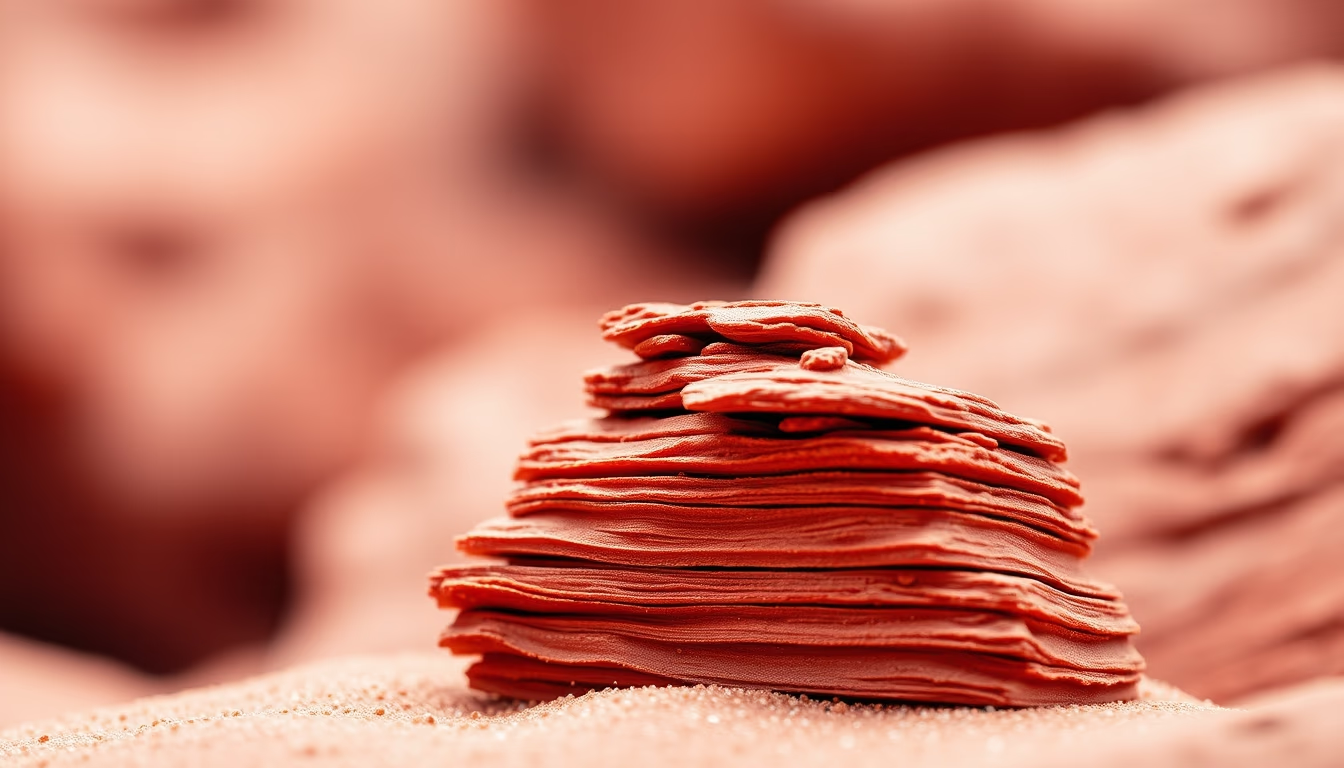
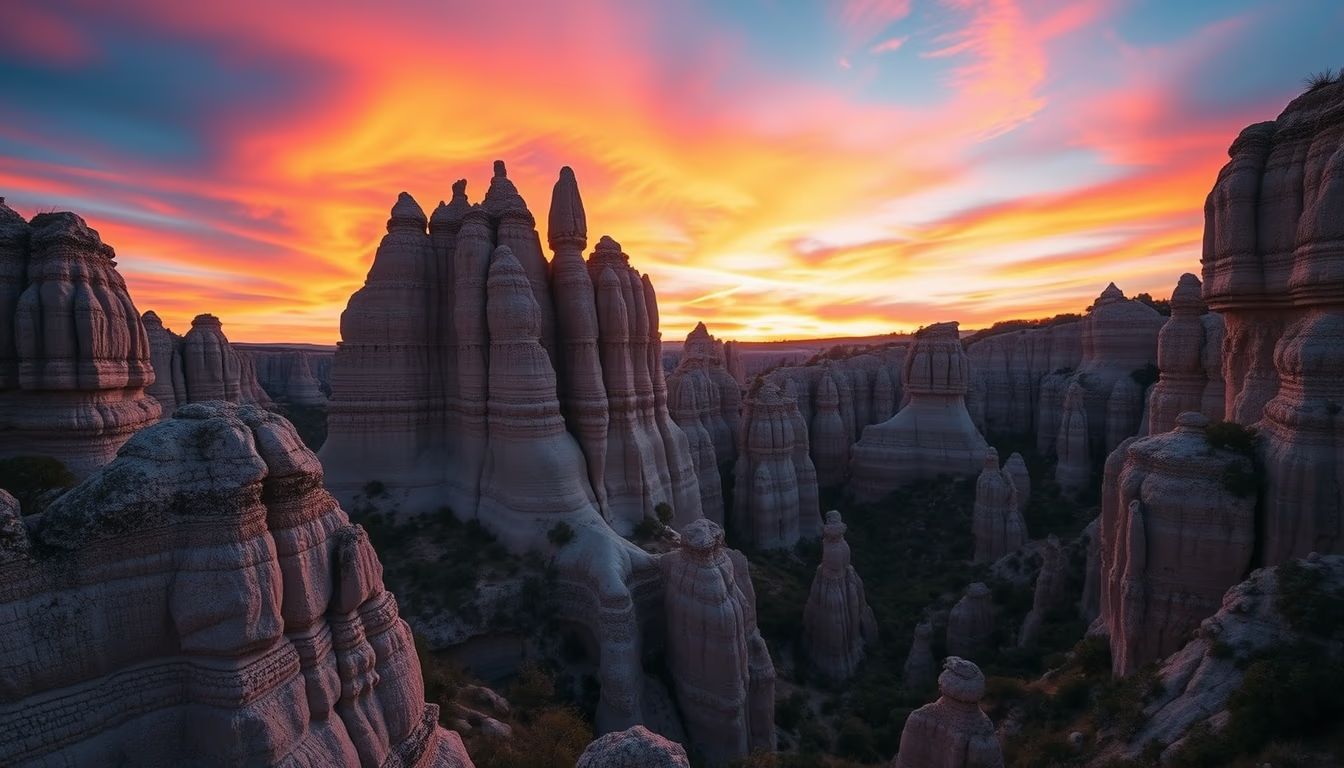
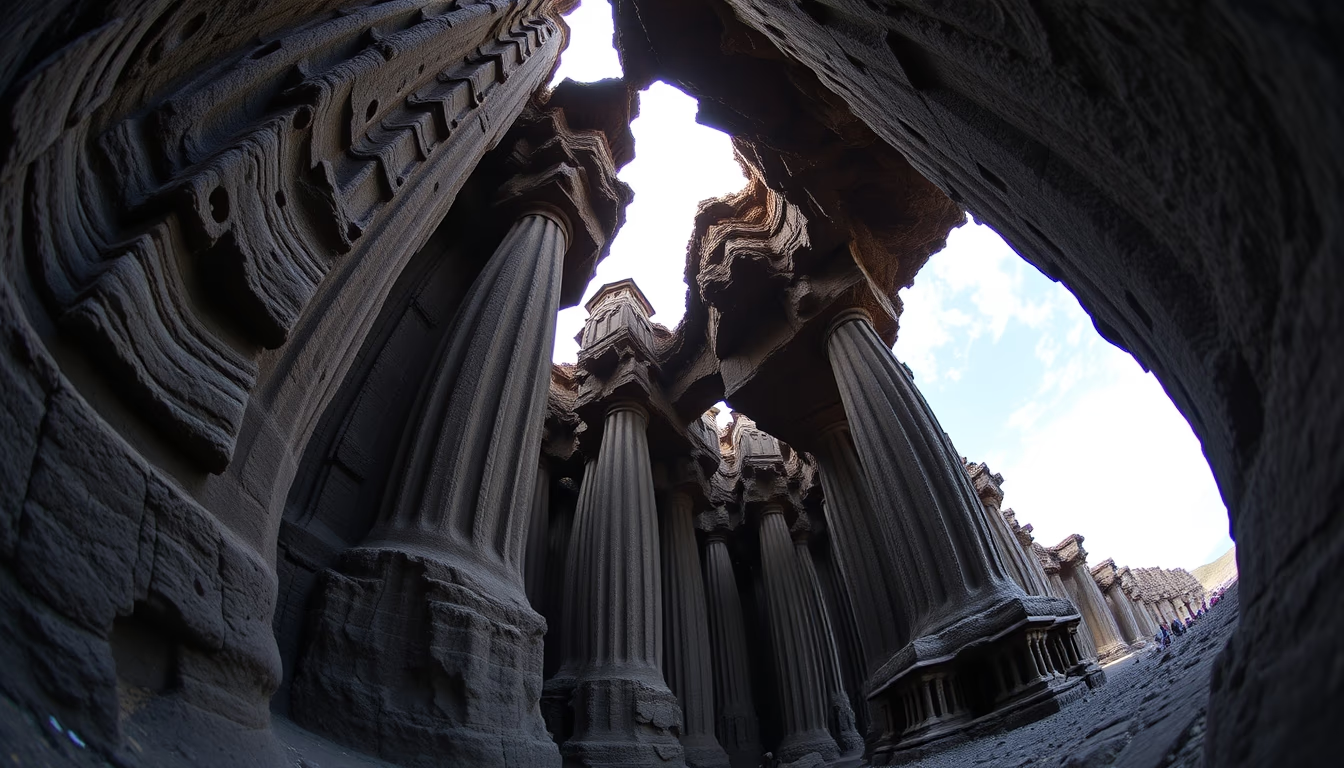
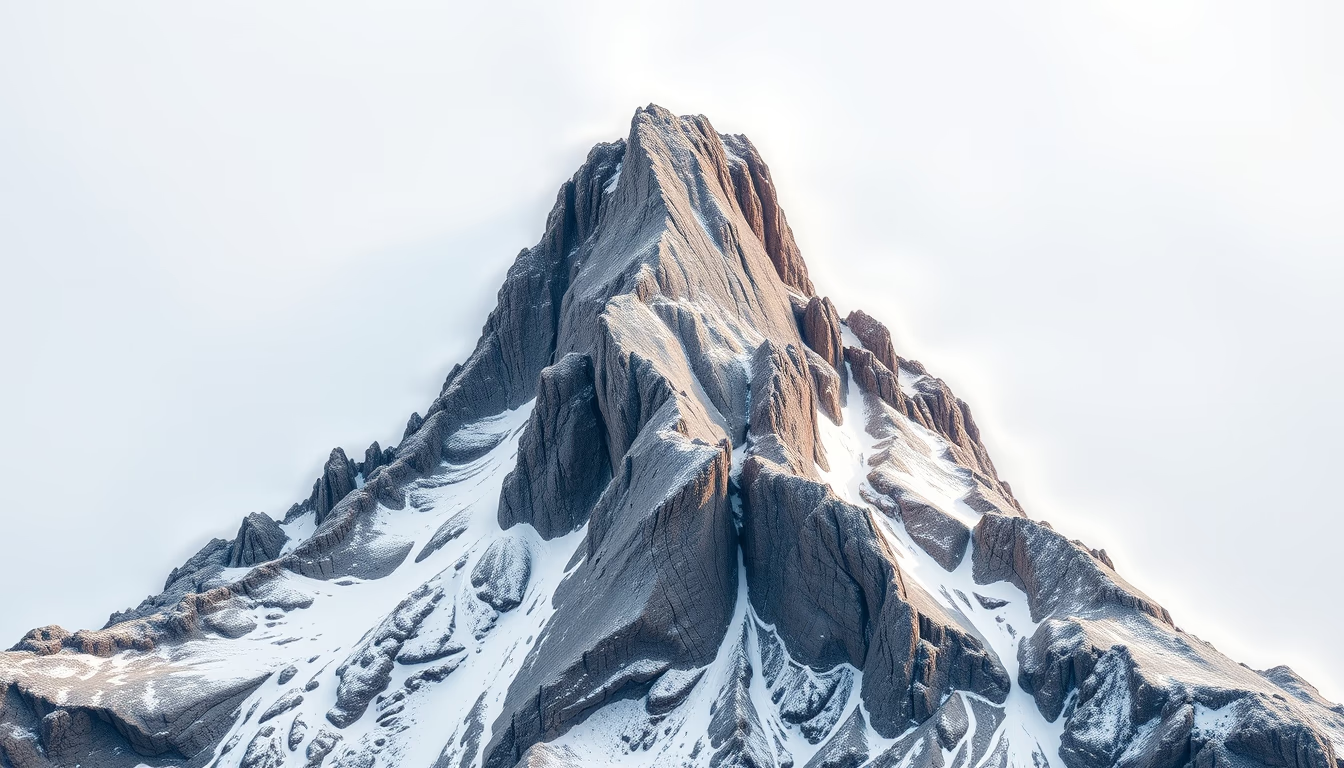
Obsidian is a natural volcanic glass formed by the rapid cooling of silica-rich lava, known for its smooth texture and dark colors.
About this subject
Obsidian is an extrusive igneous rock that forms when felsic (silica-rich) lava cools rapidly, preventing mineral crystallization. This process often occurs at the edges of lava flows or in volcanic domes. Its composition is mainly silicon dioxide (SiO2), with impurities causing color variations such as black, gray, brown, green, and even iridescent tones (rainbow obsidian).
Since prehistoric times, obsidian has been widely used by civilizations around the world. Its conchoidal fracture allows the production of extremely sharp blades, superior to modern surgical scalpels, the edge thickness of obsidian can be just a few nanometers. Native Americans, Maori, and Melanesian peoples used it for cutting tools, arrowheads, and weapons. In ancient Mexico, the Aztecs crafted swords (macuahuitl) with obsidian blades.
Beyond functional use, obsidian holds strong aesthetic and cultural value. In Ancient Egypt, it was used in amulets and sculptures. Contemporary artists employ it in sculptures and jewelry, valuing its vitreous luster. The variety known as "Apache tear" consists of small dark nodules, considered symbols of mourning by some tribes.
In geology, obsidian is unstable over geological time, as volcanic glass slowly hydrates and transforms into perlite or other rocks. Famous deposits include Easter Island (Rapa Nui), the Yellowstone region in the USA, Iceland, Mexico (especially Pachuca), and Peru (Quispisisa obsidian). Obsidian has also been used in modern surgical instruments, with disposable blades up to ten times sharper than steel ones.
Frequently Asked Questions
How is obsidian formed?
Obsidian forms when silica-rich lava cools rapidly on the surface, preventing mineral crystallization. This occurs in lava flows or at the edges of volcanic domes.
Where are the main obsidian deposits found?
Notable deposits are in Mexico (Pachuca), Peru (Quispisisa), the United States (Yellowstone), Iceland, Italy (Lipari Island), and New Zealand (Tongariro).
Is obsidian still used in surgery?
Yes, obsidian blades are used in high-precision surgical scalpels, as they can be up to ten times sharper than steel. They are disposable and mainly used in delicate procedures.
Direct URL
https://pub-c7d6a6ea828543ac903a74a341ccb2e1.r2.dev/imagens/volcanic-rock-obsidian-fine-art-photography-fresh10.avifHow to credit
Include a visible link back to UtilizAí. Copy one of the snippets below:
<a href="https://xn--utiliza-eza.com/en/midia/imagens/volcanic-rock-obsidian-fine-art-photography-fresh10">Volcanic rock obsidian</a> by <a href="https://xn--utiliza-eza.com">UtilizAí</a>, licensed under <a href="https://creativecommons.org/licenses/by/4.0/">CC BY 4.0</a>.
[Volcanic rock obsidian](https://xn--utiliza-eza.com/en/midia/imagens/volcanic-rock-obsidian-fine-art-photography-fresh10) by [UtilizAí](https://xn--utiliza-eza.com), CC BY 4.0
License: CC-BY-4.0