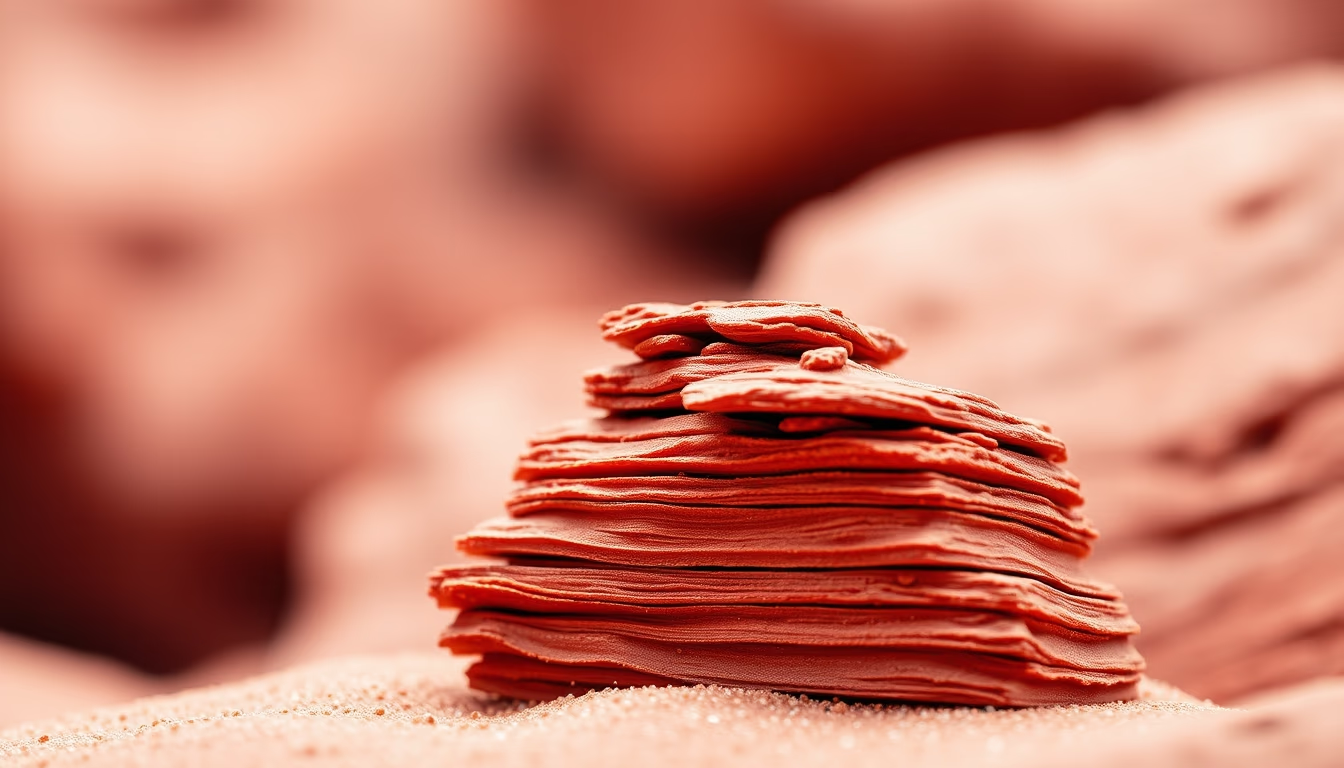
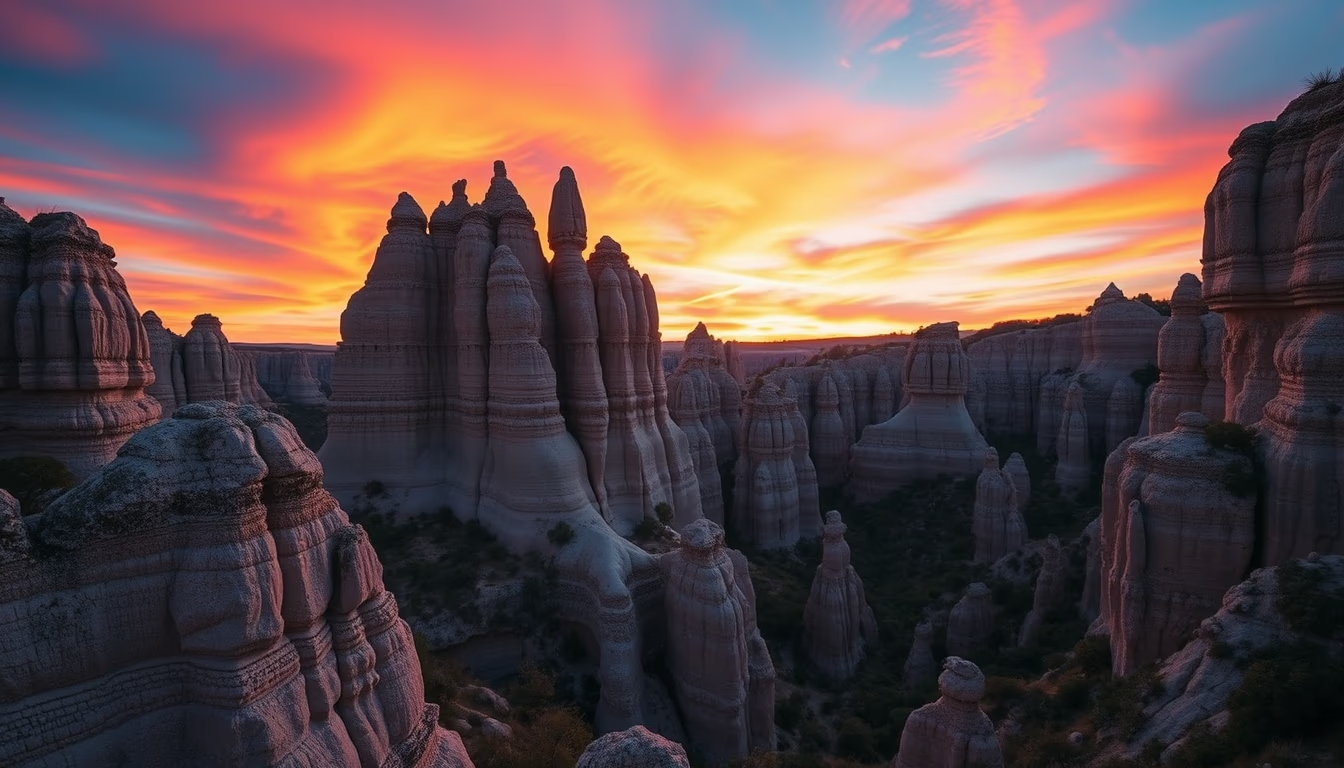
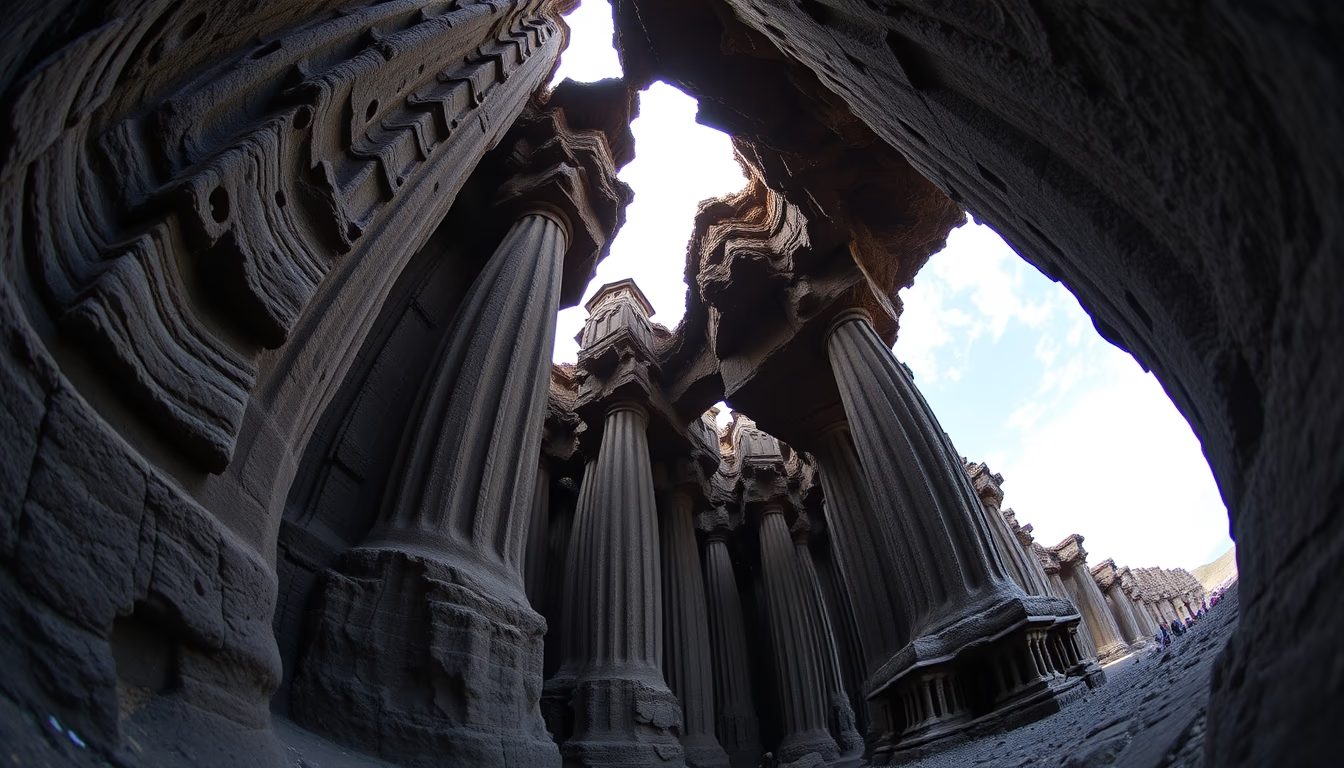
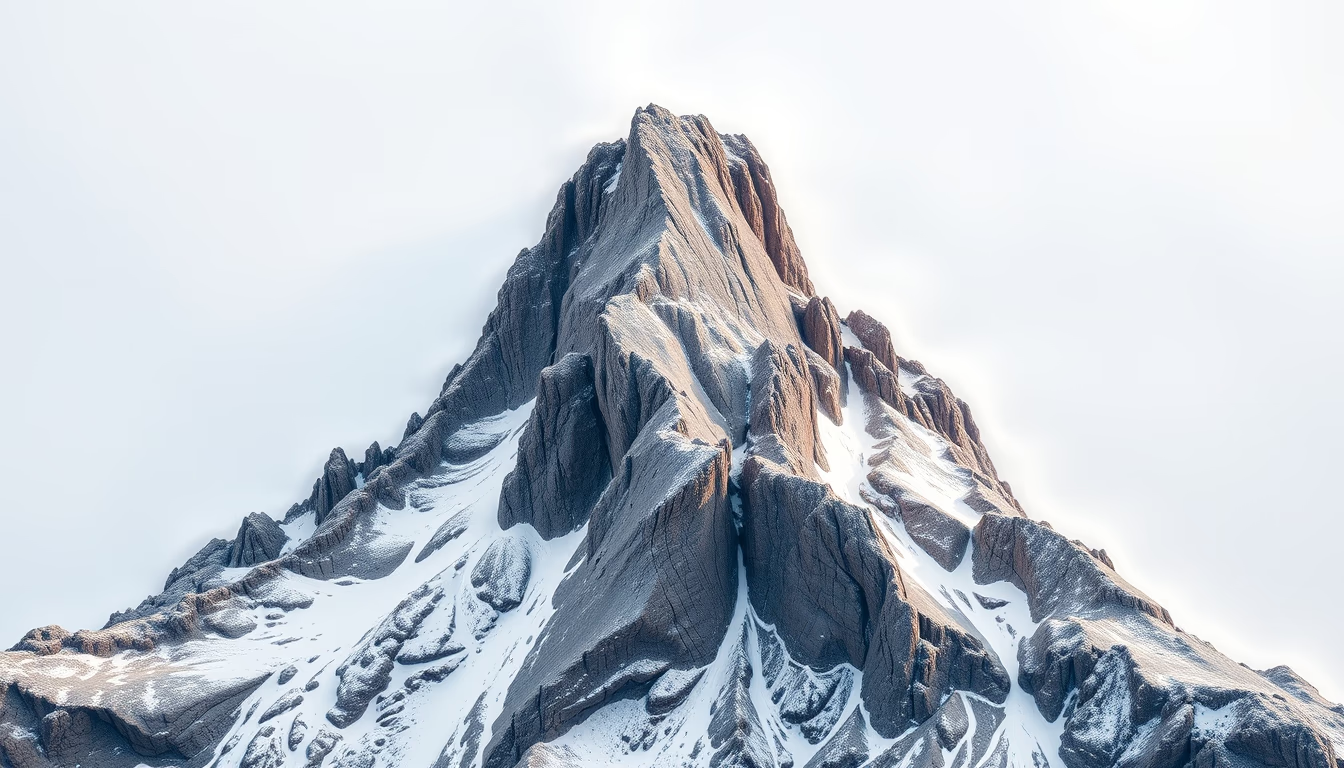
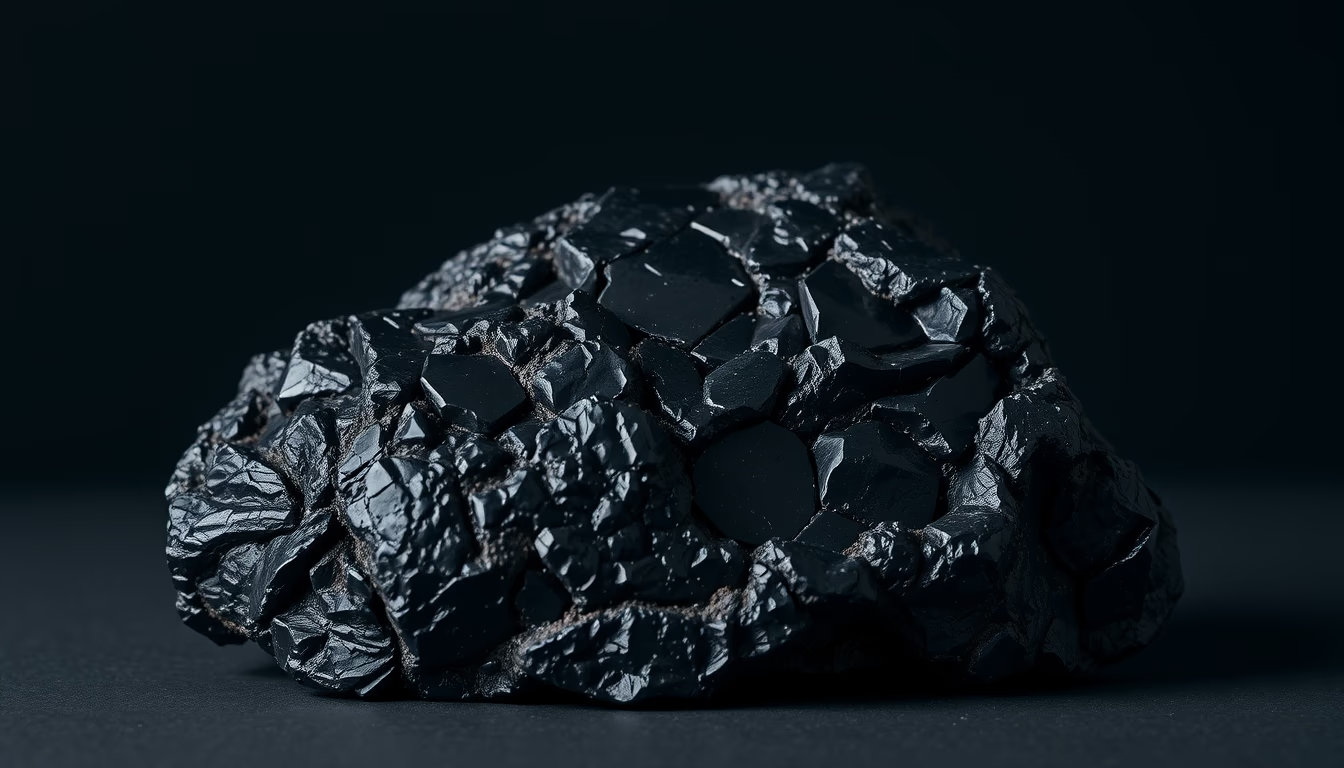
Volcanic rock obsidian
1344×768 · AVIF · CC BY 4.0
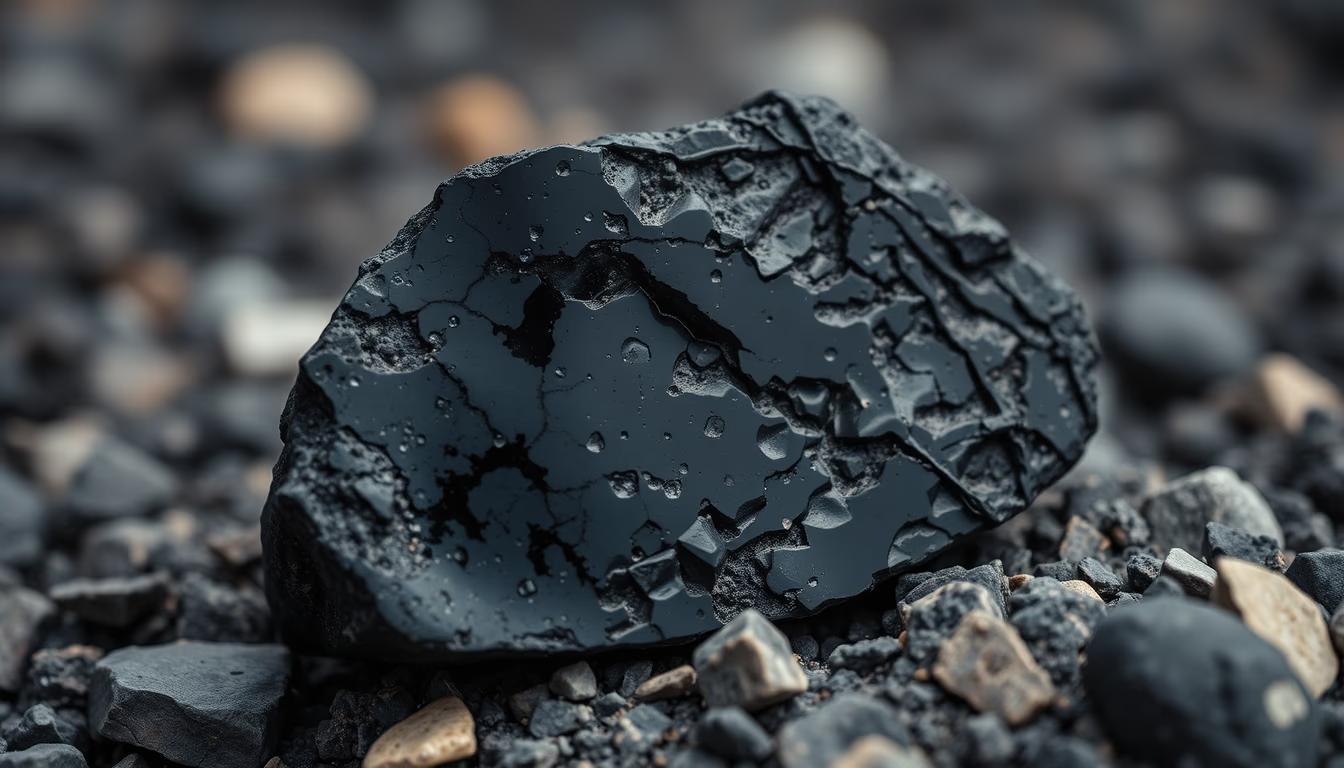
Obsidian is a natural volcanic glass formed by the rapid cooling of lava, known for its glassy texture and extremely sharp edges.
About this subject
Obsidian is an extrusive igneous rock that forms when silica-rich lava cools rapidly, preventing mineral crystallization. This process results in a homogeneous volcanic glass, typically black but also gray, brown, green, or blue due to inclusions of elements like iron and magnesium. Its chemical composition is similar to granite and rhyolite, but its amorphous structure makes it unique among rocks.
Historically, obsidian was widely used by ancient civilizations for making sharp tools, arrowheads, and blades. The Aztecs and Mayans, for example, crafted swords and knives from obsidian, leveraging its ability to produce edges only a few nanometers thick, thinner than a surgical scalpel. In modern times, it is used in cardiac surgery for its extremely precise blades, and also as an ornamental gemstone in jewelry and sculptures.
Beyond its practical use, obsidian holds cultural and spiritual significance. Many cultures believe the stone has protective and healing properties, using it in purification rituals and meditation. Geologically, significant obsidian deposits are found in active or recent volcanic regions such as Iceland, Mexico, the United States (especially Yellowstone National Park), and Brazil, in the Central Plateau and Serra Geral areas. Obsidian can also exhibit interesting optical phenomena like aventurescence and iridescence, depending on microscopic inclusions or air bubbles.
Frequently Asked Questions
How does obsidian differ from other volcanic rocks?
Obsidian is a volcanic glass, not a crystalline rock. Its glassy texture results from cooling so rapid that minerals do not have time to form crystals, unlike rocks such as basalt or granite.
What are the main uses of obsidian today?
Besides jewelry and decorative objects, obsidian is used in ultra-precise surgical blades, especially in cardiac and ophthalmic surgeries, due to its fine and uniform edge.
Where can obsidian be found in Brazil?
In Brazil, obsidian deposits are mainly found in the Central Plateau region (Goiás, Minas Gerais) and the Serra Geral (Rio Grande do Sul, Santa Catarina), associated with ancient volcanic flows.
Direct URL
https://pub-c7d6a6ea828543ac903a74a341ccb2e1.r2.dev/imagens/volcanic-rock-obsidian-documentary-nature-style-fresh13.avifHow to credit
Include a visible link back to UtilizAí. Copy one of the snippets below:
<a href="https://xn--utiliza-eza.com/en/midia/imagens/volcanic-rock-obsidian-documentary-nature-style-fresh13">Volcanic rock obsidian</a> by <a href="https://xn--utiliza-eza.com">UtilizAí</a>, licensed under <a href="https://creativecommons.org/licenses/by/4.0/">CC BY 4.0</a>.
[Volcanic rock obsidian](https://xn--utiliza-eza.com/en/midia/imagens/volcanic-rock-obsidian-documentary-nature-style-fresh13) by [UtilizAí](https://xn--utiliza-eza.com), CC BY 4.0
License: CC-BY-4.0