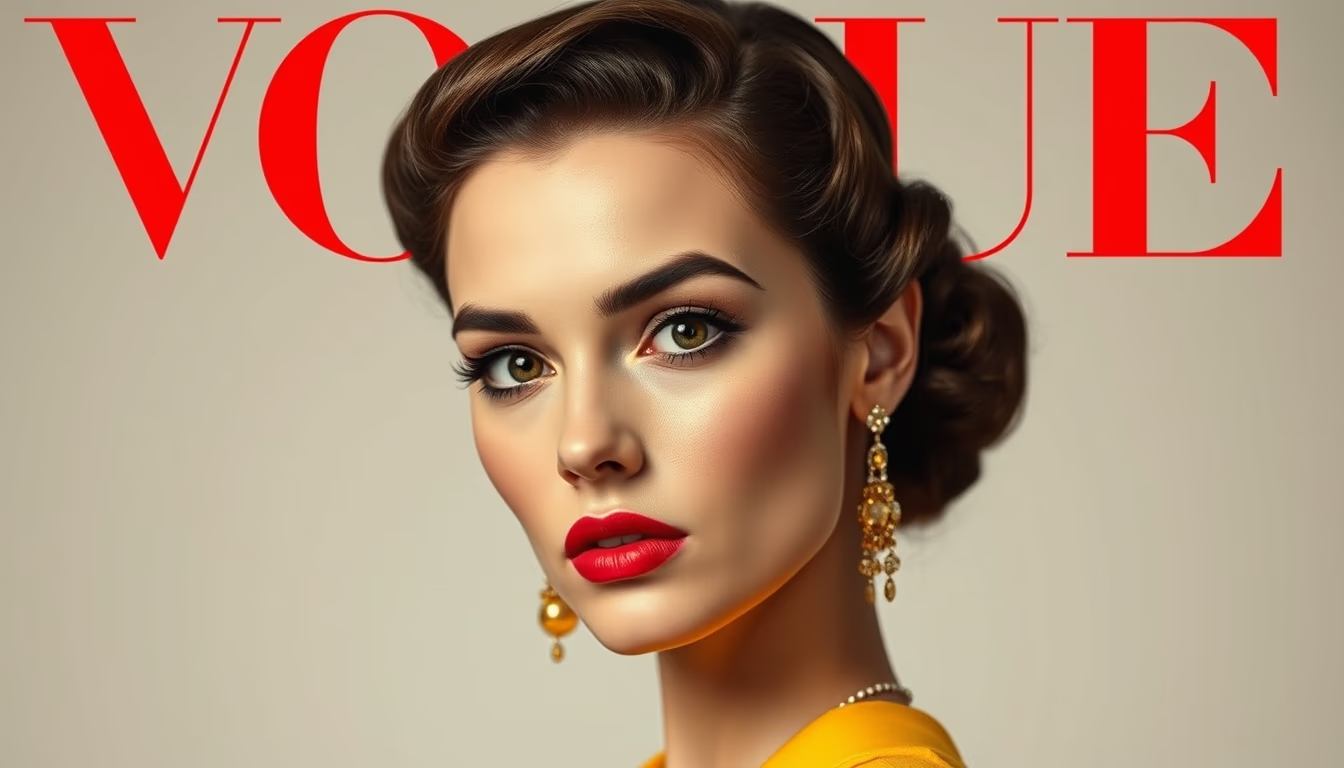
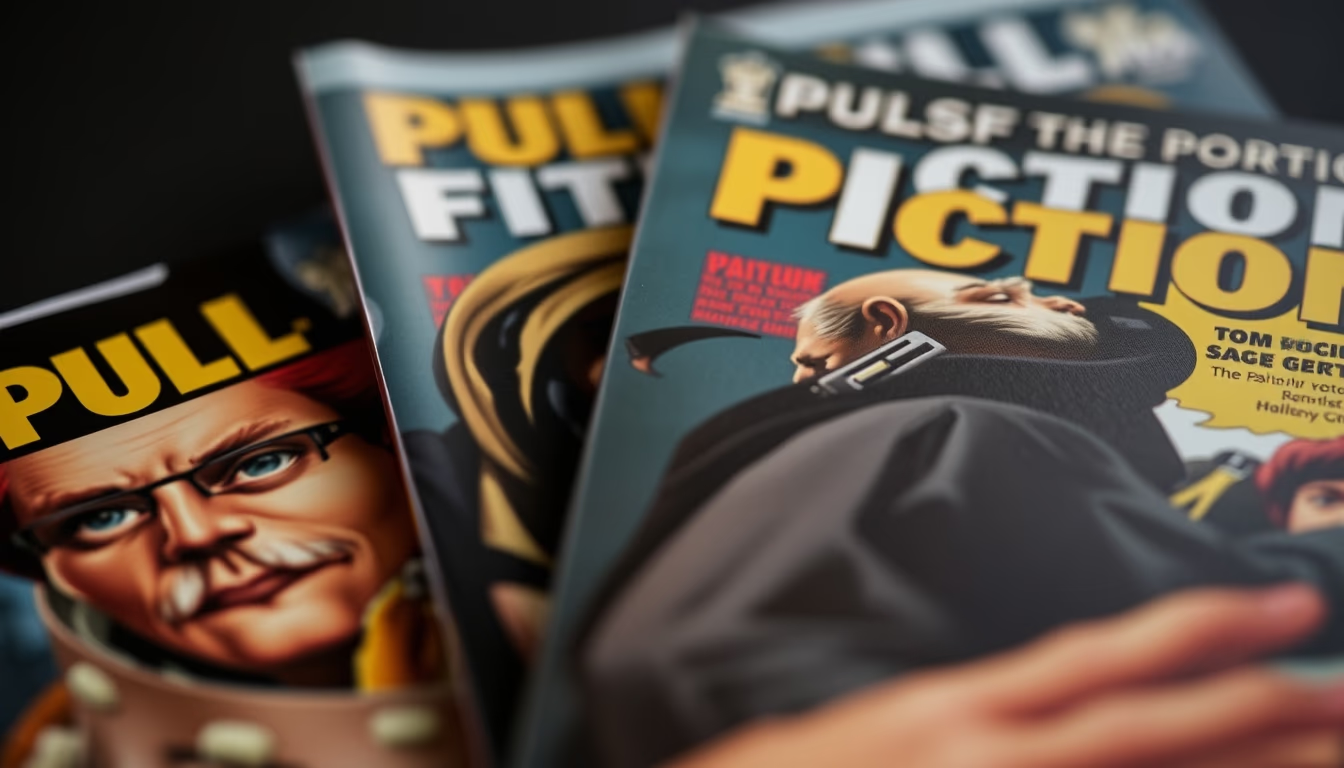
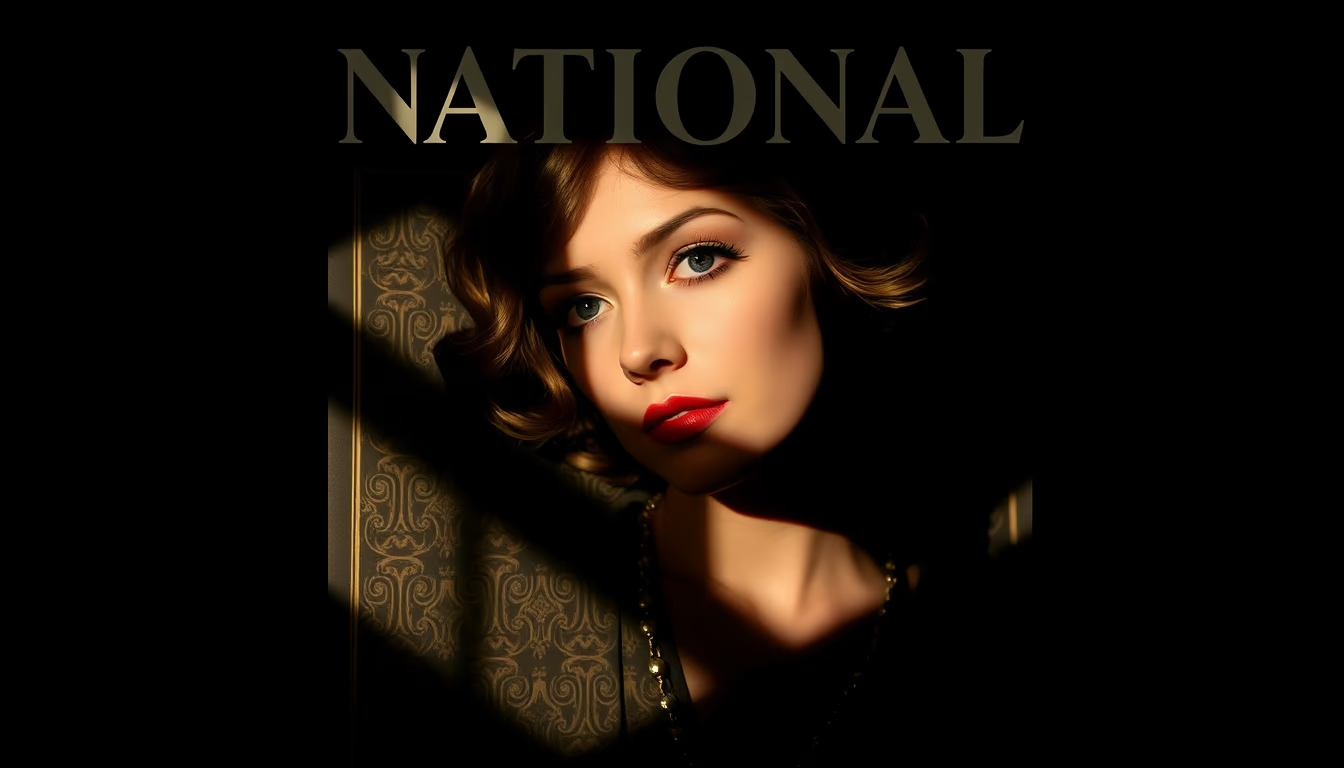
Vogue 1950s cover
1344×768 · AVIF · CC BY 4.0
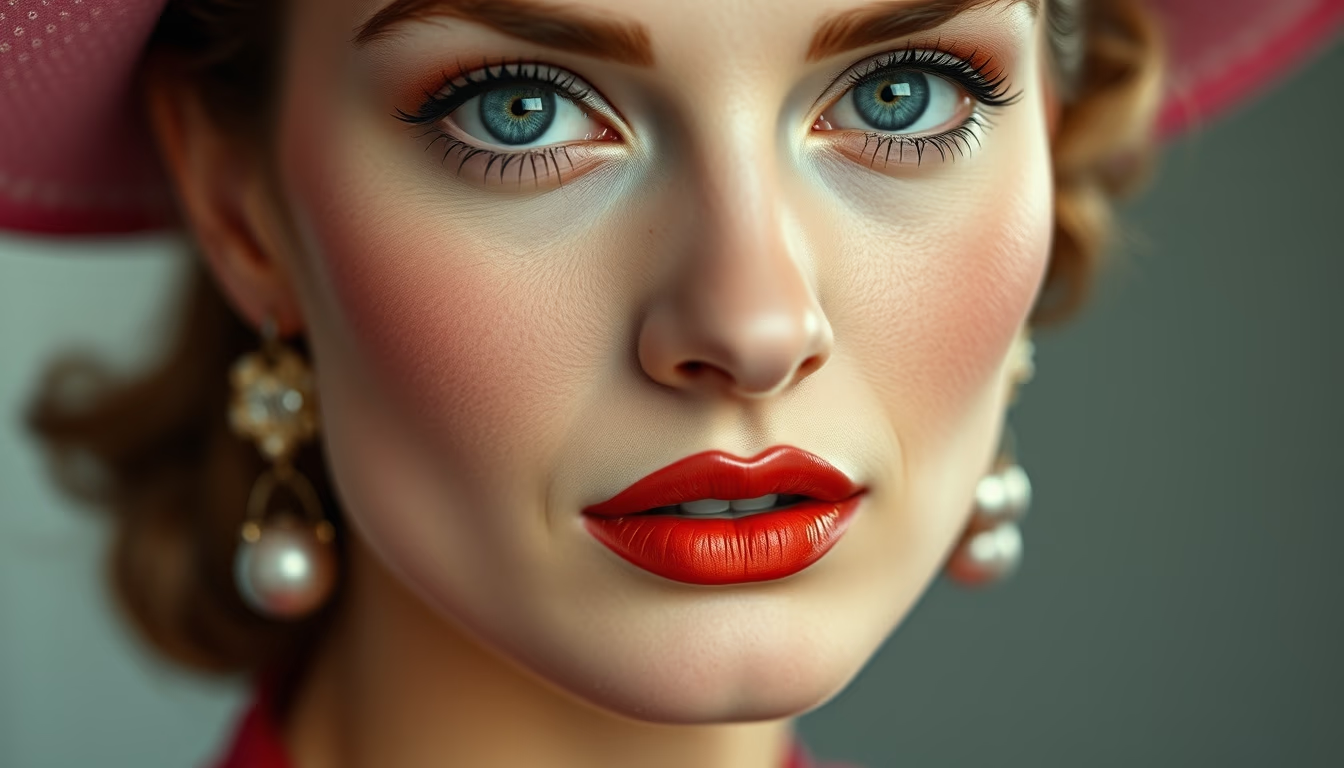
The 1950s Vogue cover is an icon of editorial design and post-war fashion, reflecting elegance and optimism.
About this subject
Vogue covers from the 1950s represent the peak of visual sophistication and cultural influence for the magazine. During this decade, the publication cemented itself as a mirror of Parisian haute couture and the American way of life, featuring illustrations and photographs that celebrated Christian Dior's New Look silhouette, marked waists, full skirts, and exalted femininity. Artists such as René Bouché, Bernard Boutet de Monvel, and Irving Penn collaborated to create covers that were true works of art, blending elegant lines with vibrant colors. The lettering, often hand-drawn, followed sinuous curves that reinforced the glamorous atmosphere.
Vogue, founded in 1892, became a barometer of social changes. In the 1950s, the American economic boom fueled fashion consumption, and the magazine catered to an audience eager for style references and lifestyle cues. Covers like the February 1955 issue (featuring a model in a pink tulle dress) or the December 1957 edition (a winter illustration with a fur coat) exemplify the balance between art and commerce. Vogue's circulation grew exponentially, and its covers became collector's items.
Interestingly, the 1950s were a transitional period for fashion photography. While illustrations still dominated many covers, photographers like Richard Avedon and Helmut Newton began to gain space, bringing a more realistic and daring perspective. Vogue in the 1950s also reflected the era's rigid gender standards, yet simultaneously offered women a glimpse of independence and sophistication. Today, these covers are benchmarks in editorial design, studied in communication and fashion courses for their ability to synthesize the spirit of an era.
Frequently Asked Questions
Who were the key artists and photographers of Vogue covers in the 1950s?
Artists such as René Bouché, Bernard Boutet de Monvel, and photographers like Irving Penn, Richard Avedon, and Helmut Newton contributed to Vogue covers in the 1950s, blending illustration and photography.
How did the economic and social context of the 1950s influence Vogue covers?
The post-war economic boom in the US and the popularity of Dior's New Look drove increased fashion consumption. The covers reflected optimism, sophistication, and contemporary gender norms, while also hinting at women's independence.
Why are 1950s Vogue covers considered important in editorial design?
They innovatively combine art and commerce, with elegant lettering and striking visual compositions. They are studied as examples of balance between illustration, photography, and typography, influencing design to this day.
Direct URL
https://pub-c7d6a6ea828543ac903a74a341ccb2e1.r2.dev/imagens/vogue-1950s-cover-macro-closeup-fresh0.avifHow to credit
Include a visible link back to UtilizAí. Copy one of the snippets below:
<a href="https://xn--utiliza-eza.com/en/midia/imagens/vogue-1950s-cover-macro-closeup-fresh0">Vogue 1950s cover</a> by <a href="https://xn--utiliza-eza.com">UtilizAí</a>, licensed under <a href="https://creativecommons.org/licenses/by/4.0/">CC BY 4.0</a>.
[Vogue 1950s cover](https://xn--utiliza-eza.com/en/midia/imagens/vogue-1950s-cover-macro-closeup-fresh0) by [UtilizAí](https://xn--utiliza-eza.com), CC BY 4.0
License: CC-BY-4.0