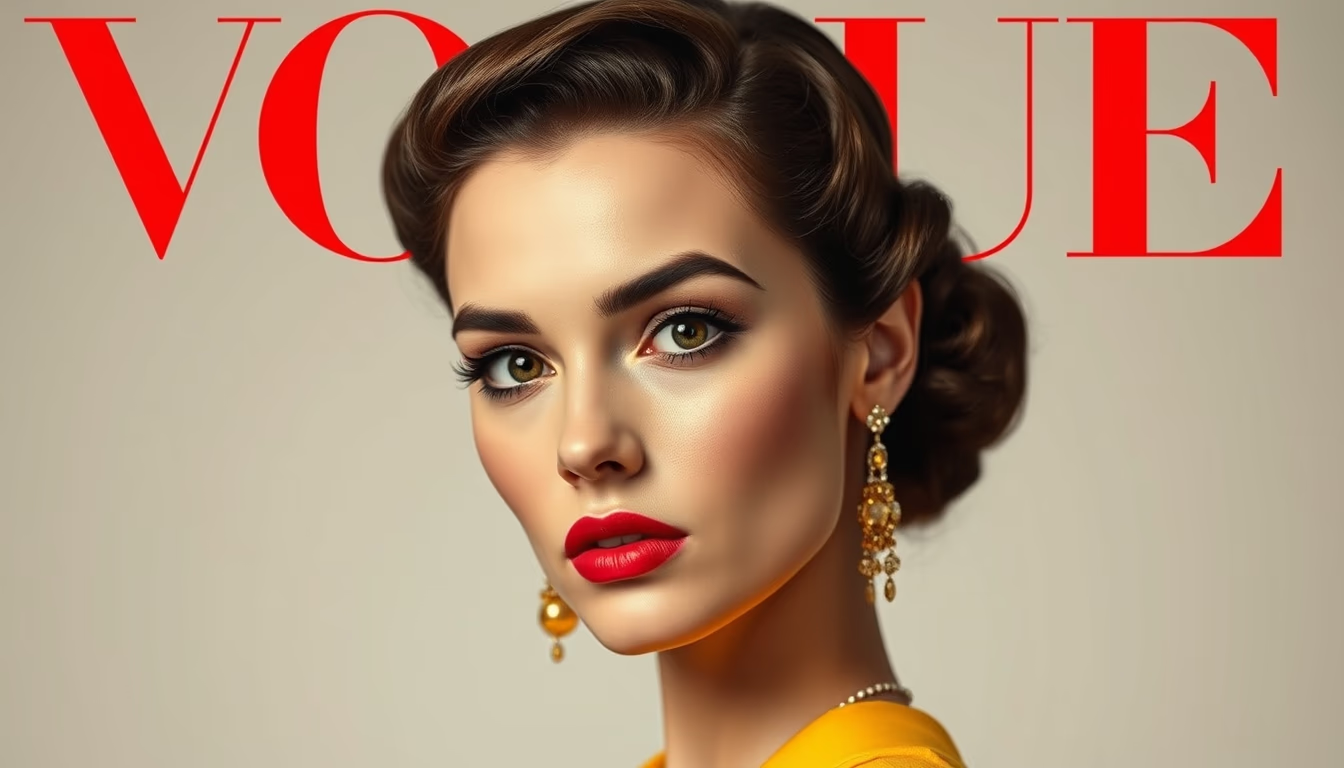
Vogue 1950s cover
1344×768 · AVIF · CC BY 4.0
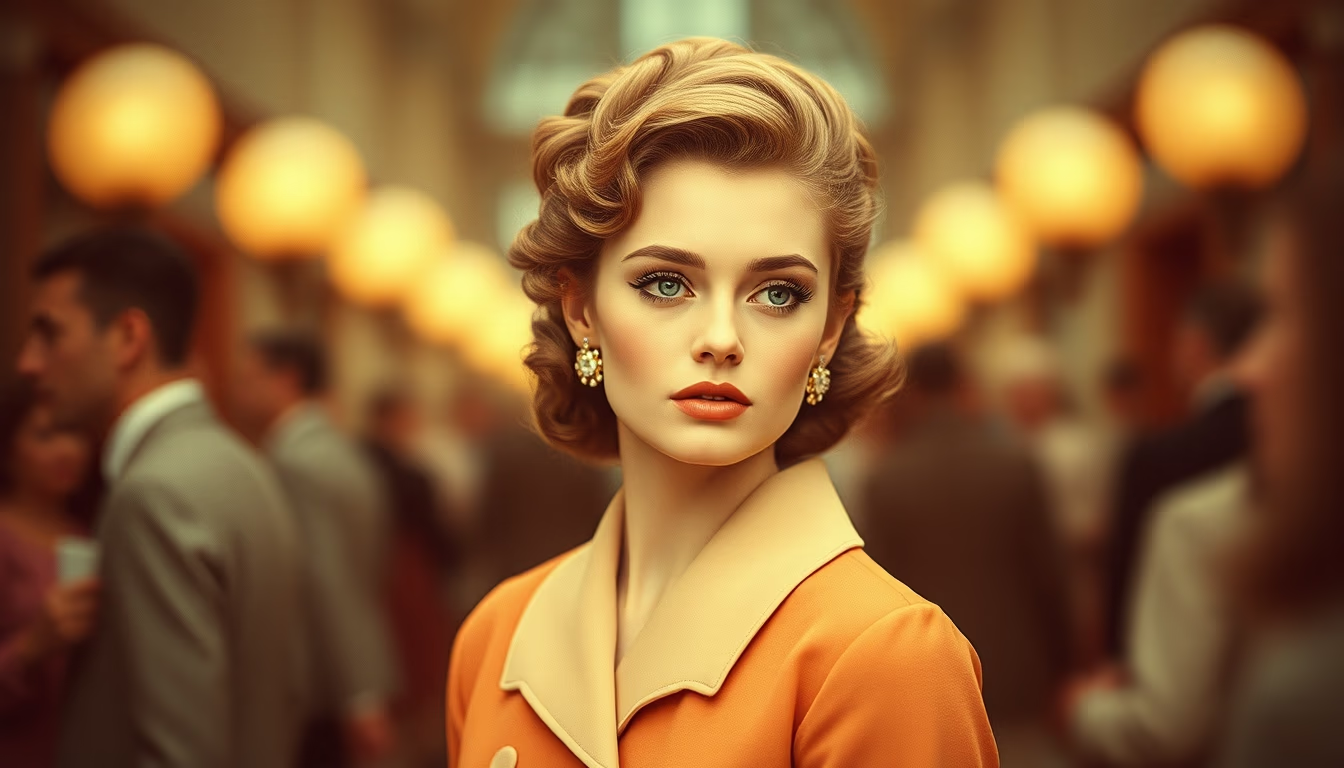
A 1950s Vogue cover embodies post-war glamour, with illustrations and photographs that defined fashion and visual culture of the era.
About this subject
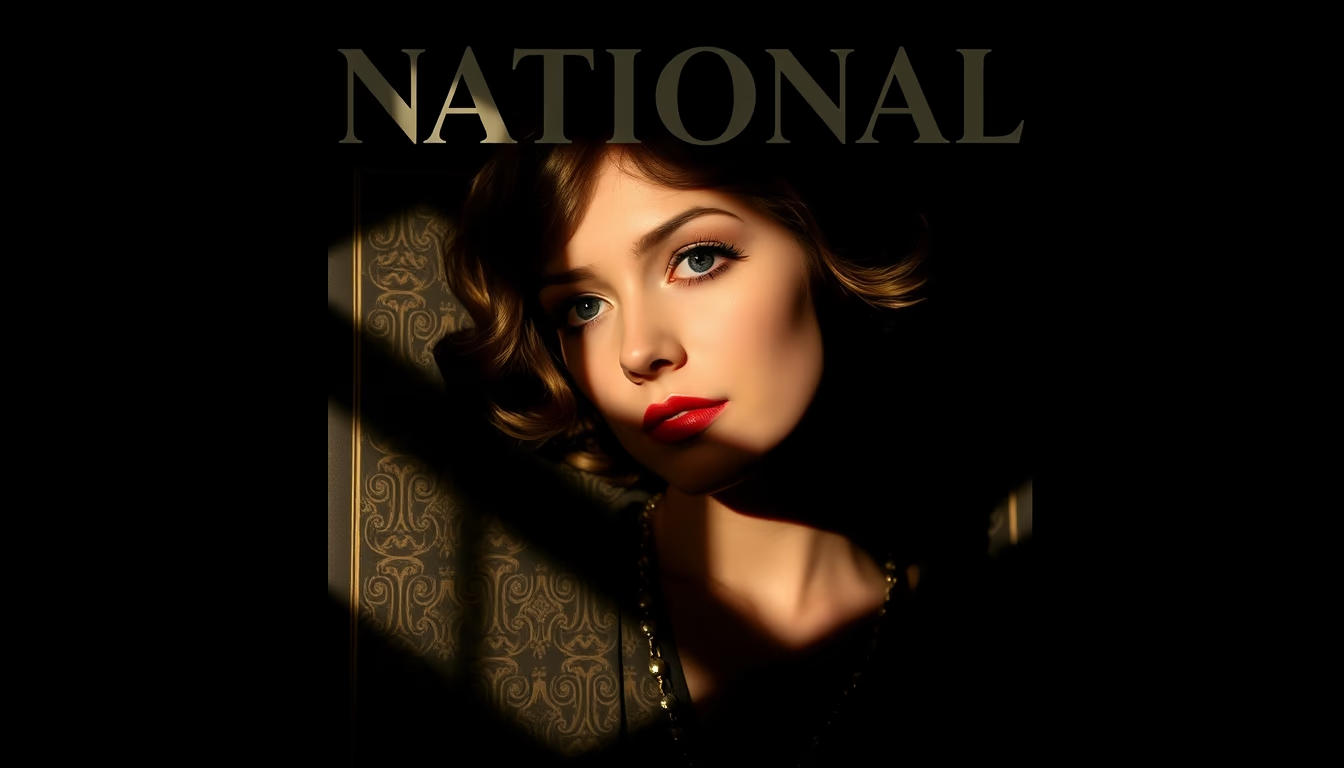
Vogue covers from the 1950s are icons of fashion history, marking a transition between traditional illustration and fashion photography. Throughout that decade, the magazine, founded in 1892, solidified its role as a style authority, influencing consumption and visual aesthetics. The covers often highlighted Christian Dior's 'New Look', launched in 1947, which emphasized small waists and full skirts, symbolizing a return to femininity after wartime austerity. Photographers like Irving Penn and Richard Avedon collaborated with Vogue, creating images that blended art and commerce, while illustrators such as René Gruau maintained the tradition of elegant drawing.
Vibrant colors, refined typography, and the use of models like Lisa Fonssagrives and Suzy Parker helped define the beauty standards of the time. Each cover was carefully designed to reflect seasons, social events, and haute couture collections. Vogue also addressed cultural topics, such as cinema and literature, featuring actresses and personalities on its covers. The historical context of the 1950s was marked by economic optimism and the Cold War, and the covers served as visual escapism, promoting an ideal of sophistication and prosperity.
Interestingly, many 1950s Vogue covers were photographed or illustrated in studios, with artificial backdrops that enhanced glamour. The magazine was also a pioneer in using color on covers, leveraging advances in offset printing. Today, these covers are collected and studied as historical documents of fashion and graphic art. They have influenced generations of designers and photographers, remaining a timeless reference for elegance. The authenticity of 'film grain' in modern reproductions evokes the texture of original prints, connecting the present to the past.
1950s Vogue also reflected social hierarchy, with covers dedicated to debutantes and high society members. The magazine fostered a dialogue between fashion and art, collaborating with artists like Salvador Dalí. The decade saw the rise of 'American Vogue' under the direction of Edna Woolman Chase, which focused on ready-to-wear alongside haute couture. Each cover told a visual story, often with provocative headlines announcing articles on travel, beauty, and behavior. This period is considered a golden age for Vogue, whose influence endures to this day.
Frequently Asked Questions
Which personalities frequently appeared on Vogue covers in the 1950s?
Besides famous models like Lisa Fonssagrives and Suzy Parker, actresses such as Grace Kelly and Audrey Hepburn also graced the covers. The magazine mixed high society beauties with cinema icons.
How did photography replace illustration on Vogue covers?
In the 1950s, photography gradually gained space, especially with photographers like Irving Penn and Richard Avedon, who brought sophisticated realism. However, illustrations were still used for thematic or artistic covers.
What is the historical importance of 1950s Vogue covers?
They document post-war fashion and visual culture, reflecting optimism and the pursuit of elegance. Moreover, they influenced graphic design and set beauty standards that endure as classic references.
Direct URL
https://pub-c7d6a6ea828543ac903a74a341ccb2e1.r2.dev/imagens/vogue-1950s-cover-film-grain-authentic-fresh8.avifHow to credit
Include a visible link back to UtilizAí. Copy one of the snippets below:
<a href="https://xn--utiliza-eza.com/en/midia/imagens/vogue-1950s-cover-film-grain-authentic-fresh8">Vogue 1950s cover</a> by <a href="https://xn--utiliza-eza.com">UtilizAí</a>, licensed under <a href="https://creativecommons.org/licenses/by/4.0/">CC BY 4.0</a>.
[Vogue 1950s cover](https://xn--utiliza-eza.com/en/midia/imagens/vogue-1950s-cover-film-grain-authentic-fresh8) by [UtilizAí](https://xn--utiliza-eza.com), CC BY 4.0
License: CC-BY-4.0