Vesuvius pompeii view
1344×768 · AVIF · CC BY 4.0

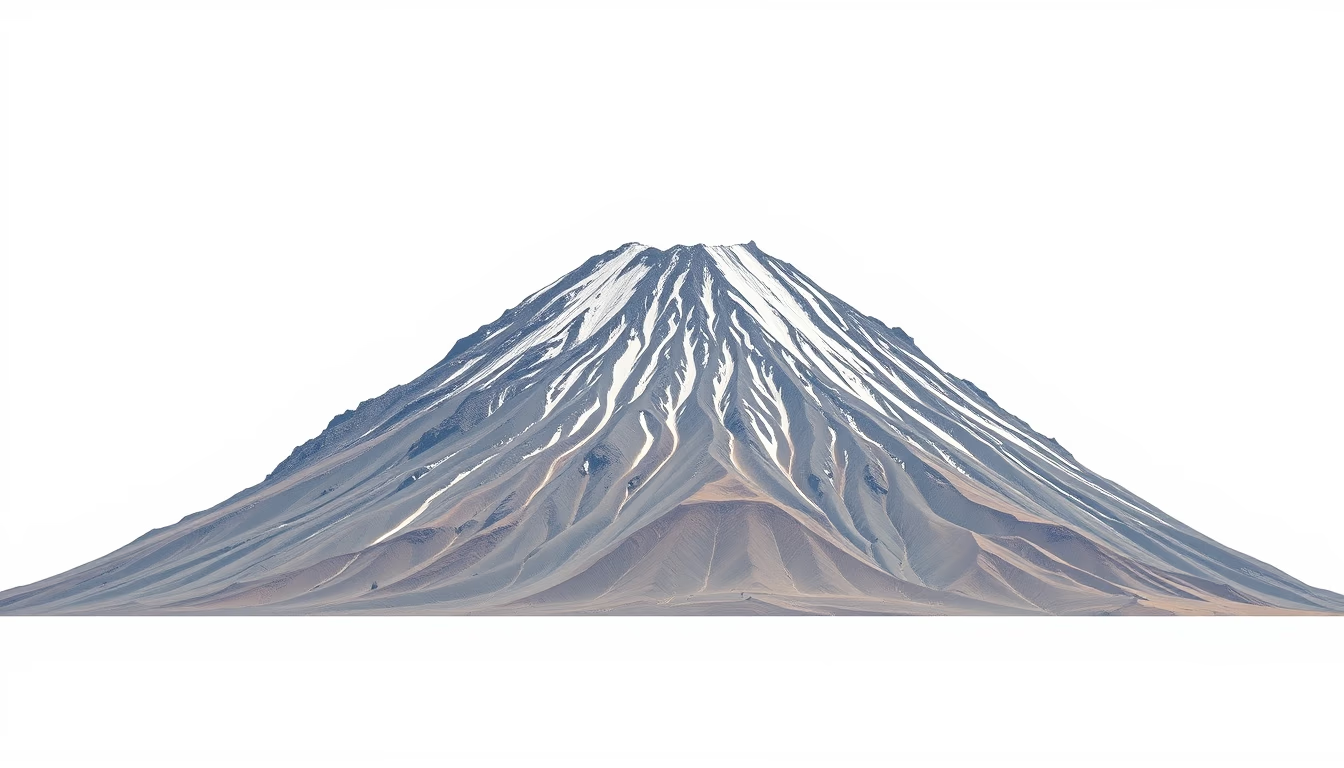
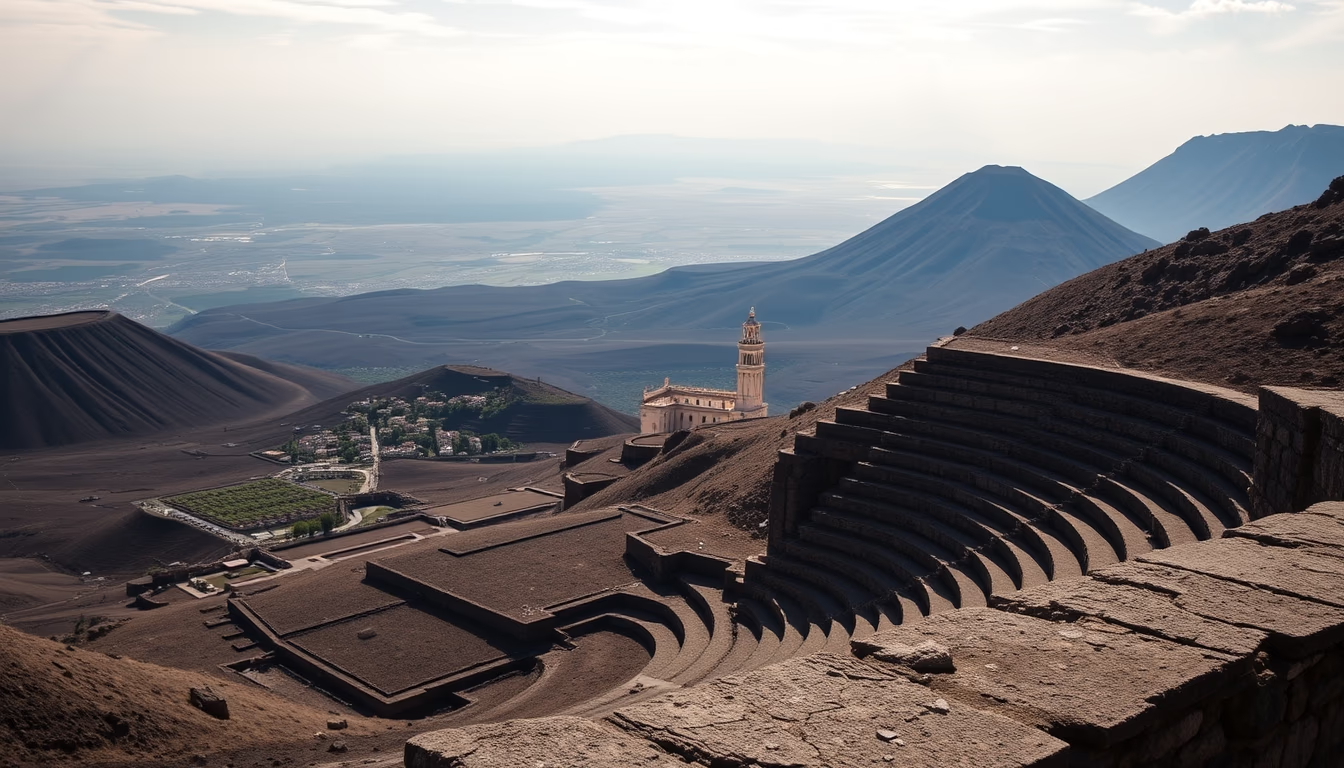
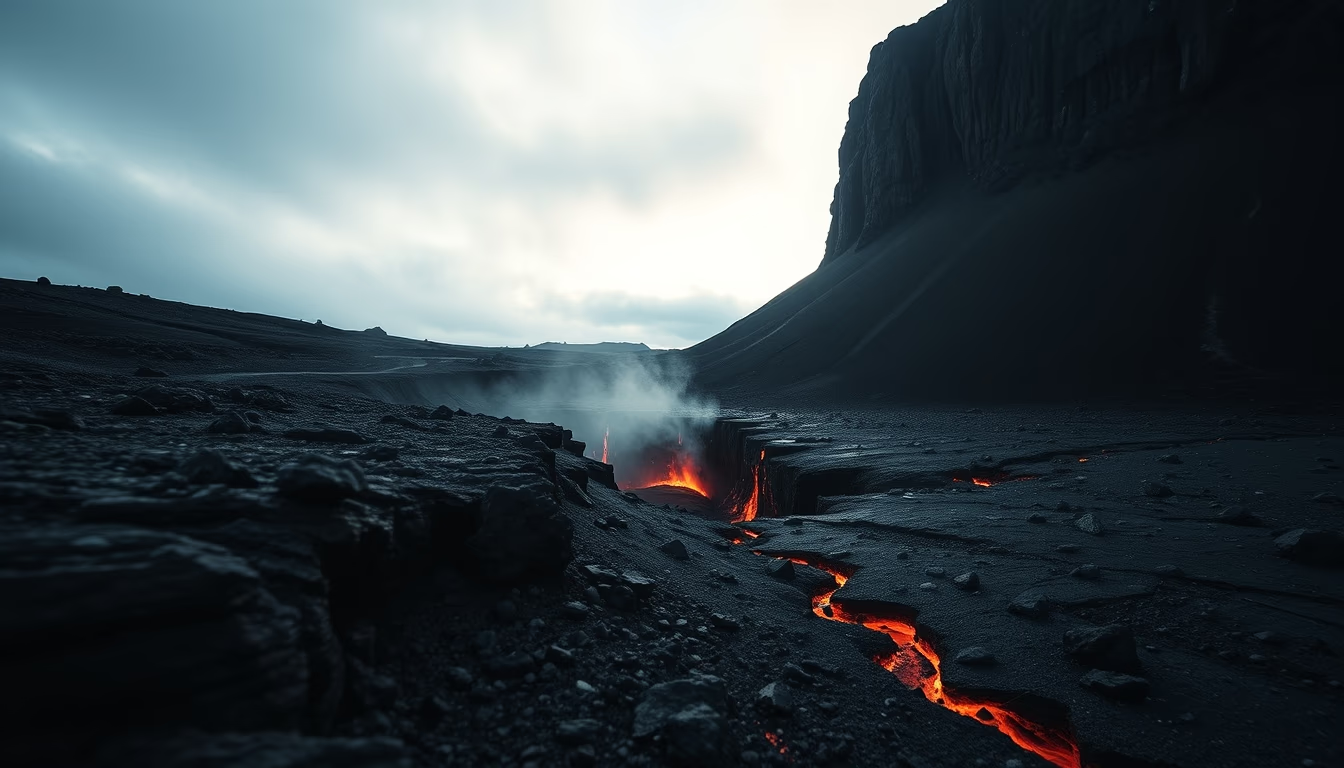
Mount Vesuvius, seen from the ruins of Pompeii, is one of the most studied volcanoes in the world, known for the 79 AD eruption that buried the Roman city.
About this subject
Mount Vesuvius, a stratovolcano located on the Gulf of Naples in Italy, is famous for its catastrophic eruption in 79 AD, which destroyed the Roman cities of Pompeii, Herculaneum, and Stabiae. Standing about 1,281 meters tall, Vesuvius is the only active volcano on mainland Europe and is part of the Campanian Volcanic Arc, an area of intense seismic and volcanic activity due to the subduction of the African tectonic plate beneath the Eurasian plate.
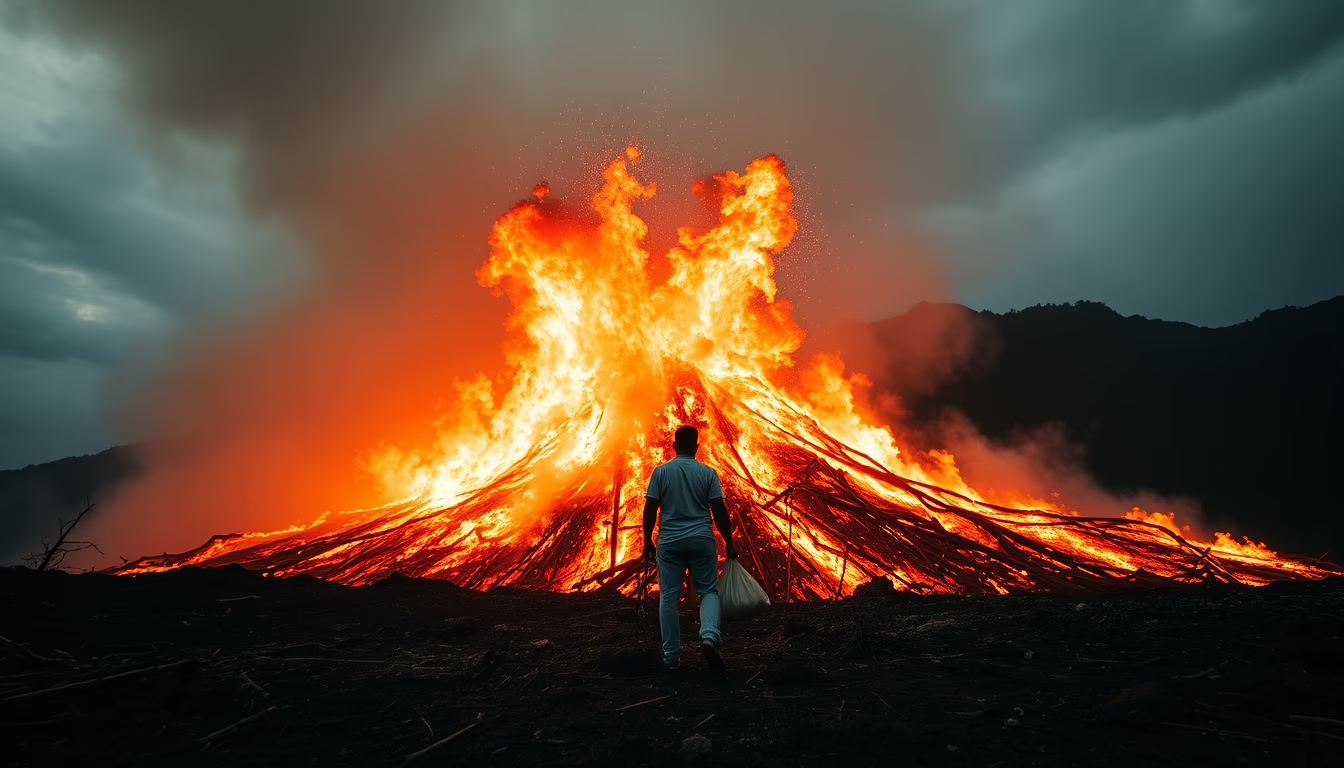
The 79 AD eruption was preceded by several days of tremors, but the inhabitants of Pompeii did not associate them with imminent danger. The eruptive event, detailed by Pliny the Younger in his letters, began with a pine-tree-shaped cloud, followed by a shower of pumice and ash. The final phase, a pyroclastic flow of hot gas and incandescent material, buried Pompeii under about 4 to 6 meters of debris, preserving buildings, objects, and even bodies in ash casts.
Today, Vesuvius is constantly monitored by the Vesuvian Observatory, founded in 1841 as the world's first volcanological observatory. The surrounding area, including Pompeii, is one of the most visited archaeological sites, with about 3 million tourists per year. The vegetation on the lower slopes is rich in vineyards, producing the famous Lacryma Christi wine. Despite its calm appearance, Vesuvius is considered one of the most dangerous volcanoes in the world, as an eruption could affect over 3 million people living in the surrounding area, in the so-called Red Zone for evacuation.
Frequently Asked Questions
When was the last eruption of Vesuvius?
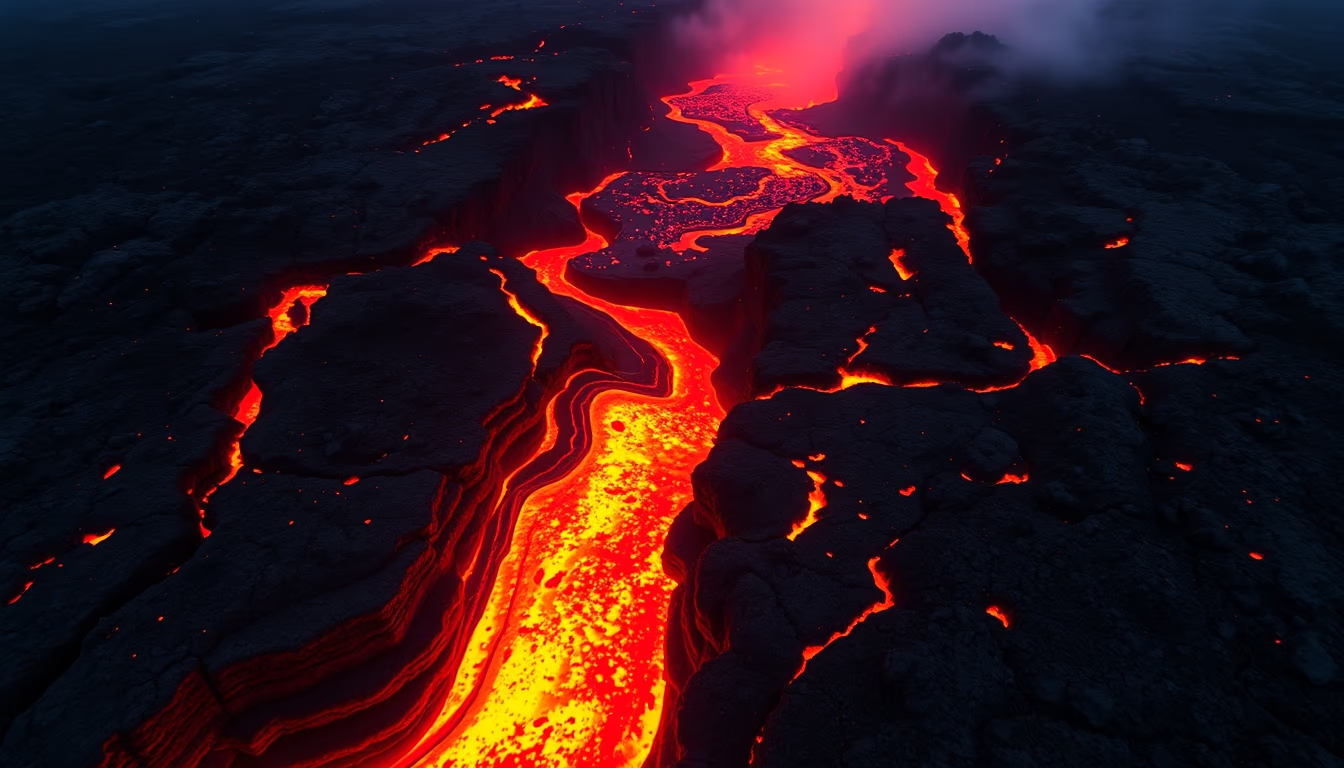
The last eruption of Vesuvius occurred in 1944 during World War II, destroying the towns of San Sebastiano al Vesuvio and Massa di Somma. Since then, the volcano has been dormant but closely monitored.
Is Vesuvius still dangerous?
Yes. Vesuvius is one of the most dangerous volcanoes in the world due to the high population density around it. Over 3 million people live in the Red Zone, which would be affected by an eruption, making evacuation complex.
What is the difference between Vesuvius and Etna?
Vesuvius is an active stratovolcano on the coast of Naples, while Etna, in Sicily, is a much larger and more active volcano with frequent eruptions. Vesuvius is more explosive and famous for the 79 AD eruption.
Direct URL
https://pub-c7d6a6ea828543ac903a74a341ccb2e1.r2.dev/imagens/vesuvius-pompeii-view-studio-editorial-portrait-fresh12.avifHow to credit
Include a visible link back to UtilizAí. Copy one of the snippets below:
<a href="https://xn--utiliza-eza.com/en/midia/imagens/vesuvius-pompeii-view-studio-editorial-portrait-fresh12">Vesuvius pompeii view</a> by <a href="https://xn--utiliza-eza.com">UtilizAí</a>, licensed under <a href="https://creativecommons.org/licenses/by/4.0/">CC BY 4.0</a>.
[Vesuvius pompeii view](https://xn--utiliza-eza.com/en/midia/imagens/vesuvius-pompeii-view-studio-editorial-portrait-fresh12) by [UtilizAí](https://xn--utiliza-eza.com), CC BY 4.0
License: CC-BY-4.0