Vesuvius pompeii view
1344×768 · AVIF · CC BY 4.0
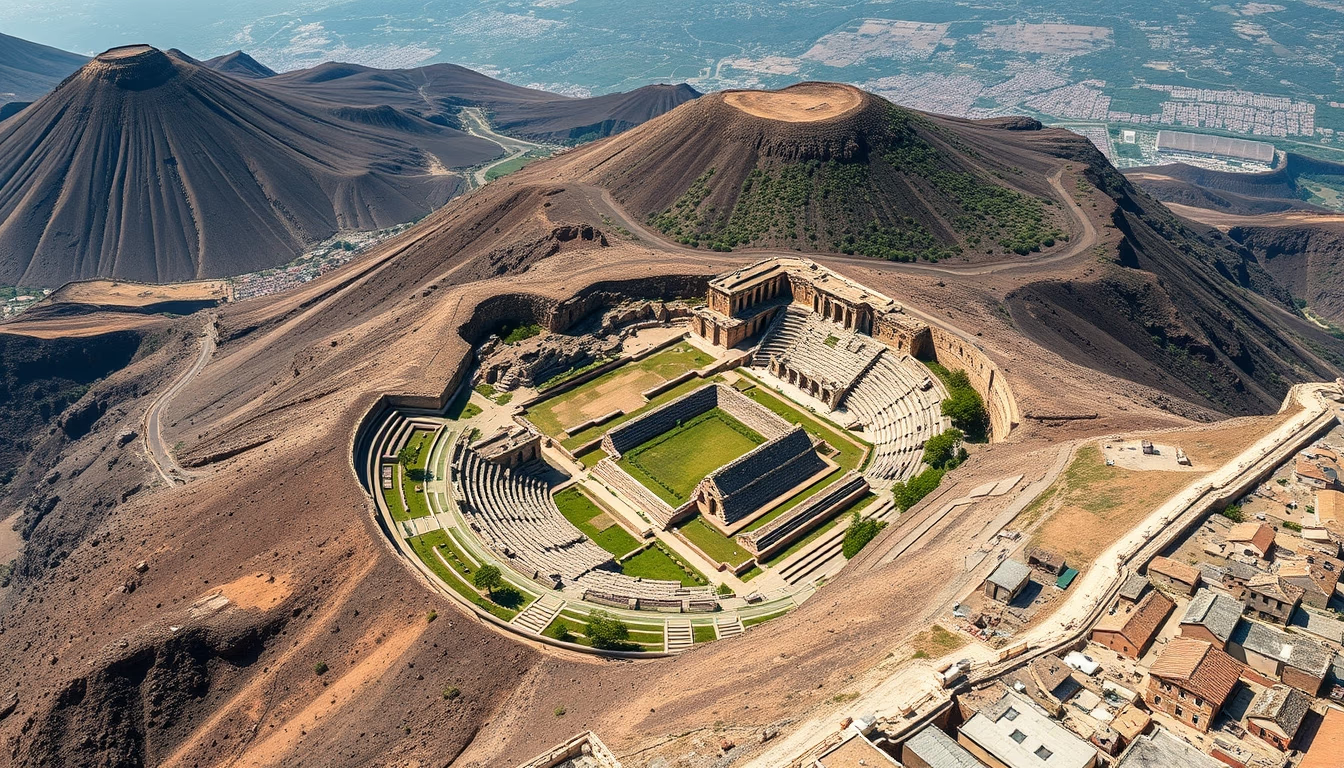
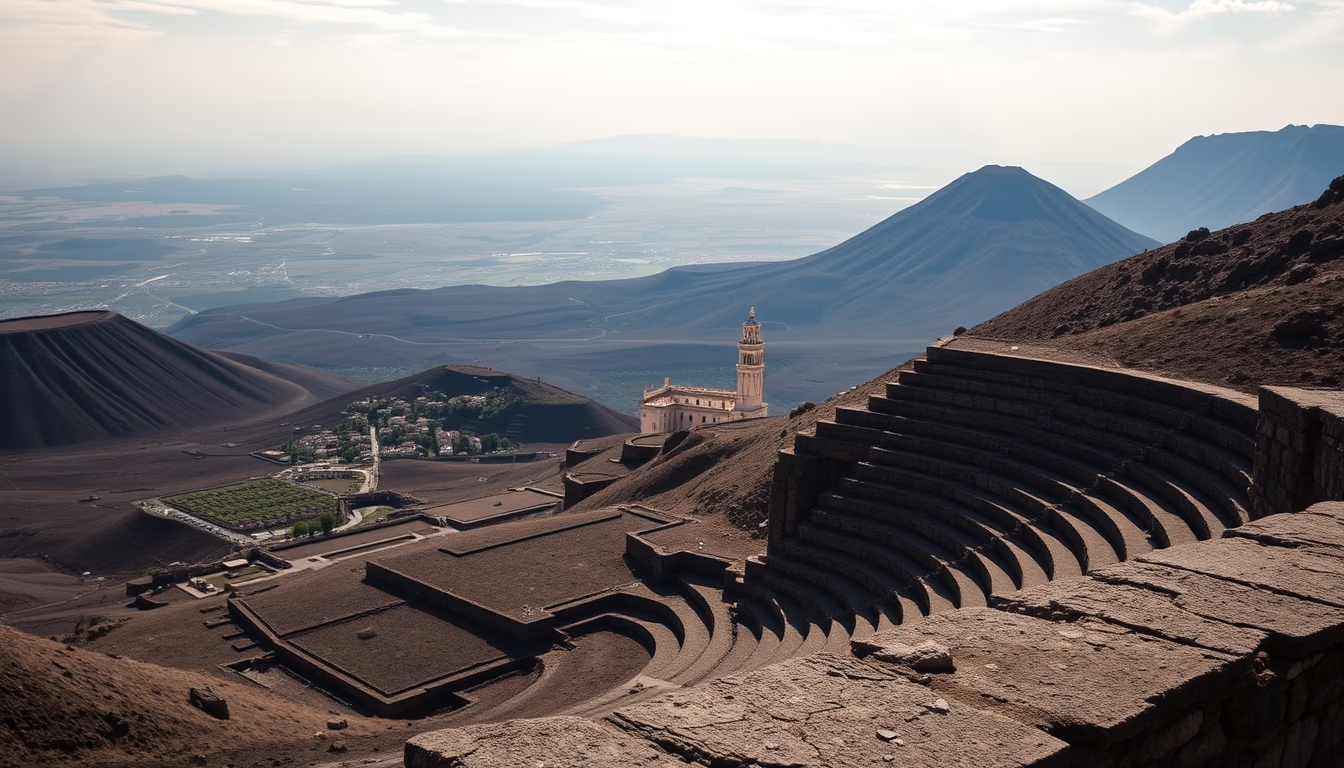
View of Mount Vesuvius and the ruins of Pompeii, the Roman city buried by the 79 AD eruption and now a UNESCO World Heritage Site.
About this subject
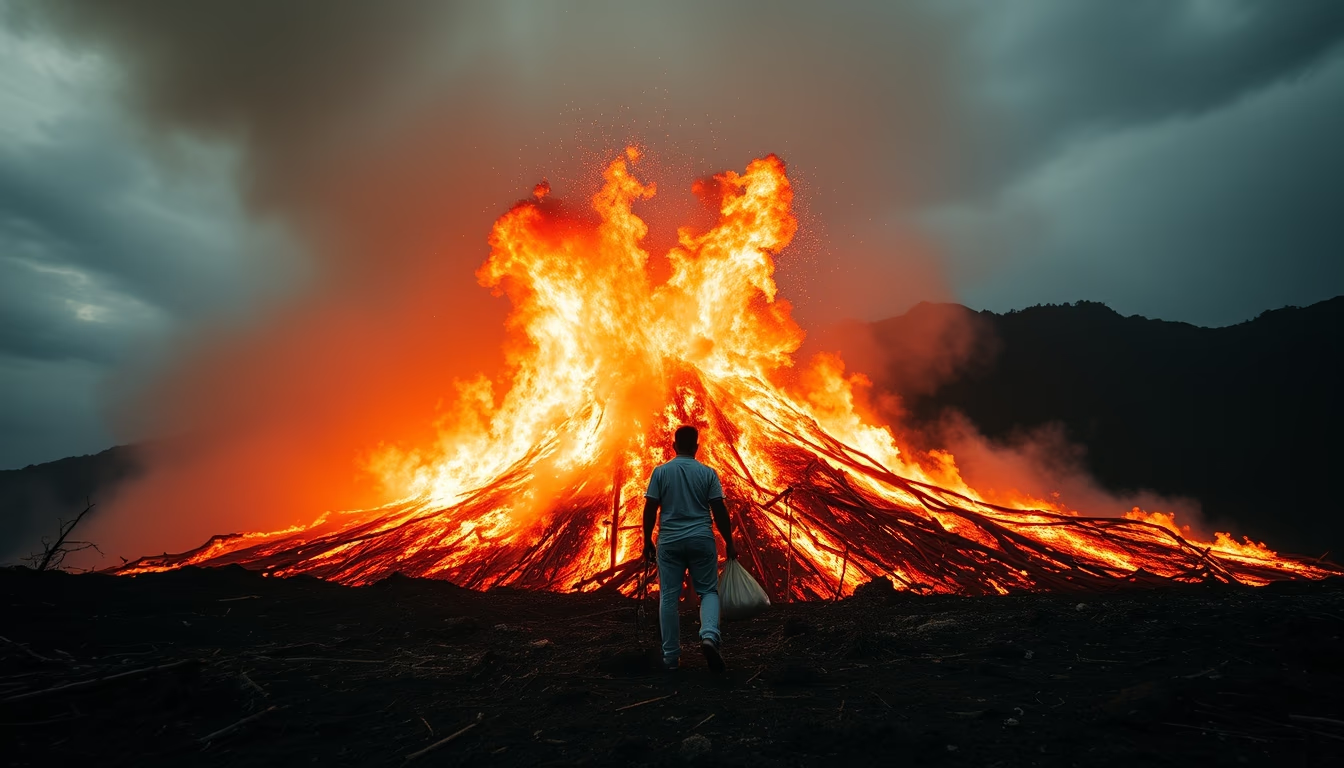
Mount Vesuvius is one of the most famous and dangerous volcanoes in the world, located on the coast of the Gulf of Naples in southern Italy. Its most renowned eruption, on August 24, 79 AD, buried the Roman cities of Pompeii, Herculaneum, and Stabiae under a thick layer of ash and pumice. The event was documented by Pliny the Younger in letters that provide a detailed account of the catastrophe.
Pompeii was a thriving port city with about 12,000 inhabitants, known for its villas, temples, and amphitheater. The eruption covered it with up to 6 meters of volcanic debris, preserving buildings, frescoes, documents, and even the casts of victims' bodies. Excavations, which began in the 18th century, revealed a vivid snapshot of daily life in the Roman Empire, making Pompeii one of the world's most important archaeological sites.
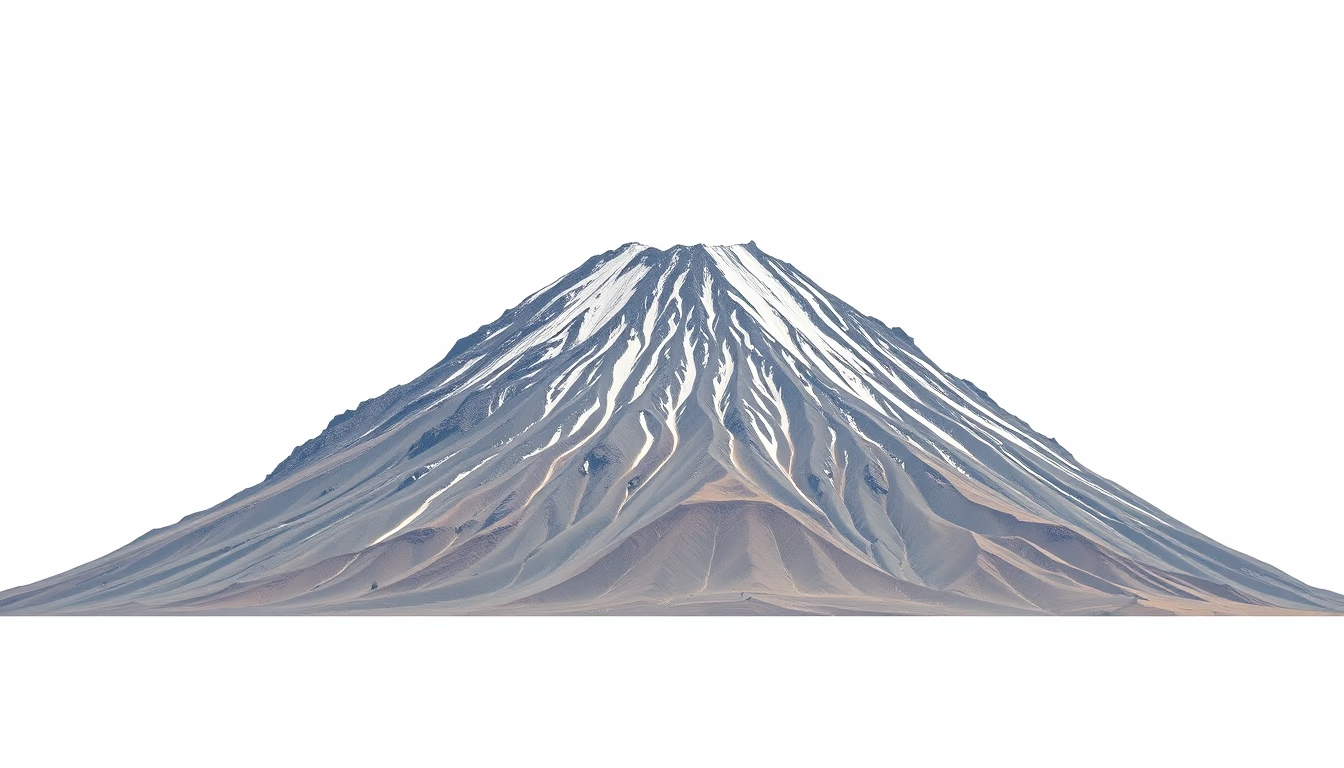
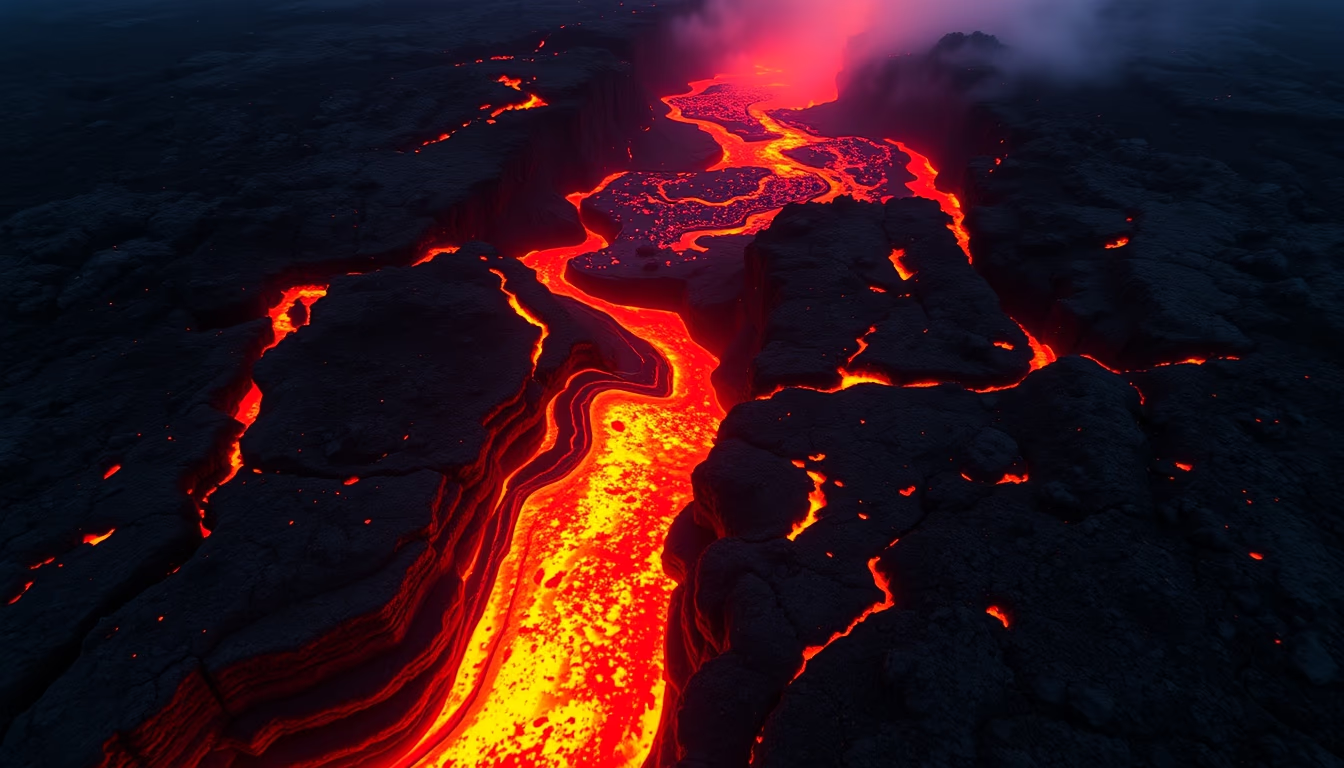
Vesuvius remains active, with its last significant eruption in 1944. Its current height is approximately 1,281 meters, but it varies after each eruption. The surrounding area is densely populated, including the city of Naples, making it one of the highest-risk volcanic regions on the planet. Protected national parks surround the volcano, and visitors can hike to the crater to observe fumaroles and views of the Gulf.
The combination of Vesuvius and Pompeii attracts millions of tourists annually. The archaeological site offers an immersive experience: streets with chariot ruts, baths, erotic panels, and the famous Garden of the Fugitives, where petrified bodies tell the tragedy. In 1997, UNESCO declared the Archaeological Areas of Pompeii, Herculaneum, and Torre Annunziata a World Heritage Site, highlighting their outstanding universal value.
Frequently Asked Questions
What caused the destruction of Pompeii?
Pompeii was destroyed by the eruption of Mount Vesuvius in 79 AD, which released a cloud of ash and pumice, followed by pyroclastic flows that buried the city.
Is Pompeii still being excavated?
Yes, excavations continue to this day. New discoveries are frequent, including frescoes, inscriptions, and even skeletons, expanding knowledge of Roman life.
Is it safe to visit Vesuvius today?
Yes, the volcano is constantly monitored, and trails allow access to the crater. However, the area is hazardous, and authorities establish evacuation zones if signs of eruption appear.
Direct URL
https://pub-c7d6a6ea828543ac903a74a341ccb2e1.r2.dev/imagens/vesuvius-pompeii-view-isometric-flat-lay-fresh6.avifHow to credit
Include a visible link back to UtilizAí. Copy one of the snippets below:
<a href="https://xn--utiliza-eza.com/en/midia/imagens/vesuvius-pompeii-view-isometric-flat-lay-fresh6">Vesuvius pompeii view</a> by <a href="https://xn--utiliza-eza.com">UtilizAí</a>, licensed under <a href="https://creativecommons.org/licenses/by/4.0/">CC BY 4.0</a>.
[Vesuvius pompeii view](https://xn--utiliza-eza.com/en/midia/imagens/vesuvius-pompeii-view-isometric-flat-lay-fresh6) by [UtilizAí](https://xn--utiliza-eza.com), CC BY 4.0
License: CC-BY-4.0