Truffle black underground
1344×768 · AVIF · CC BY 4.0
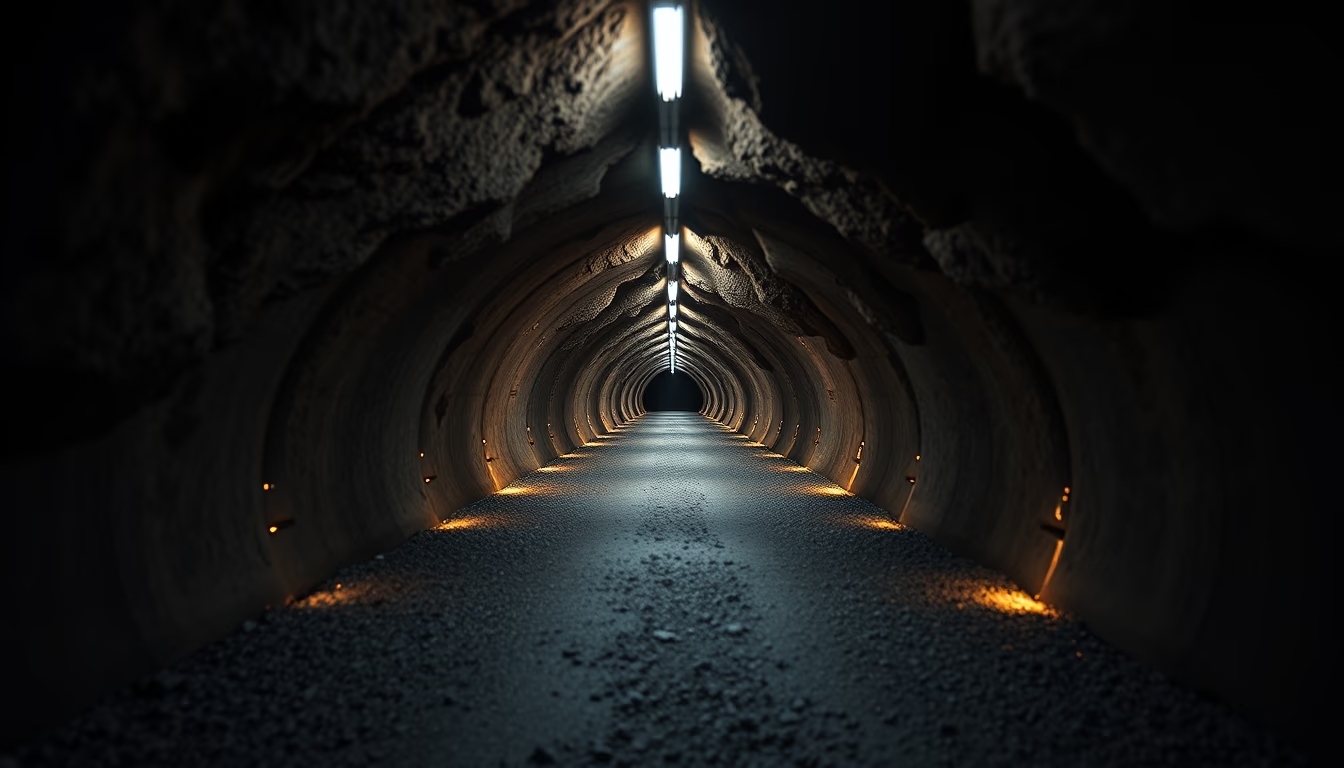
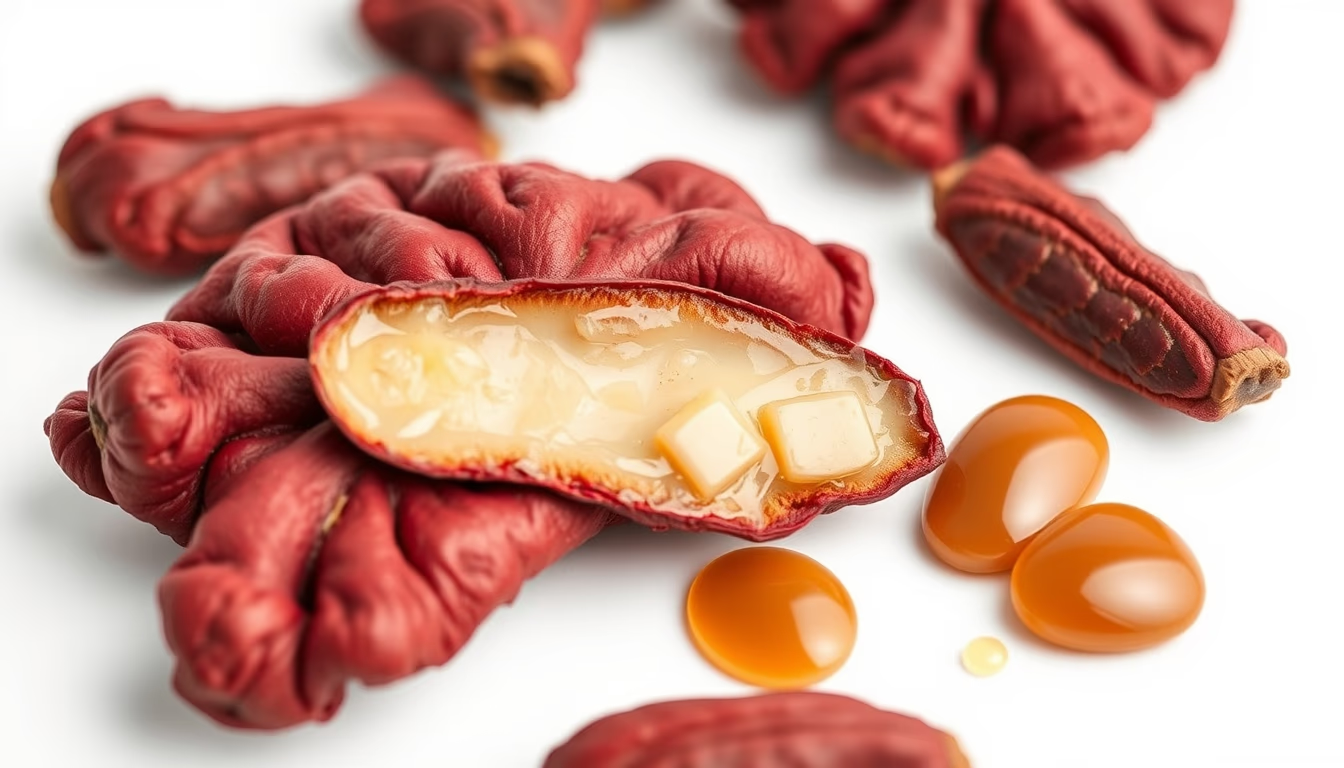
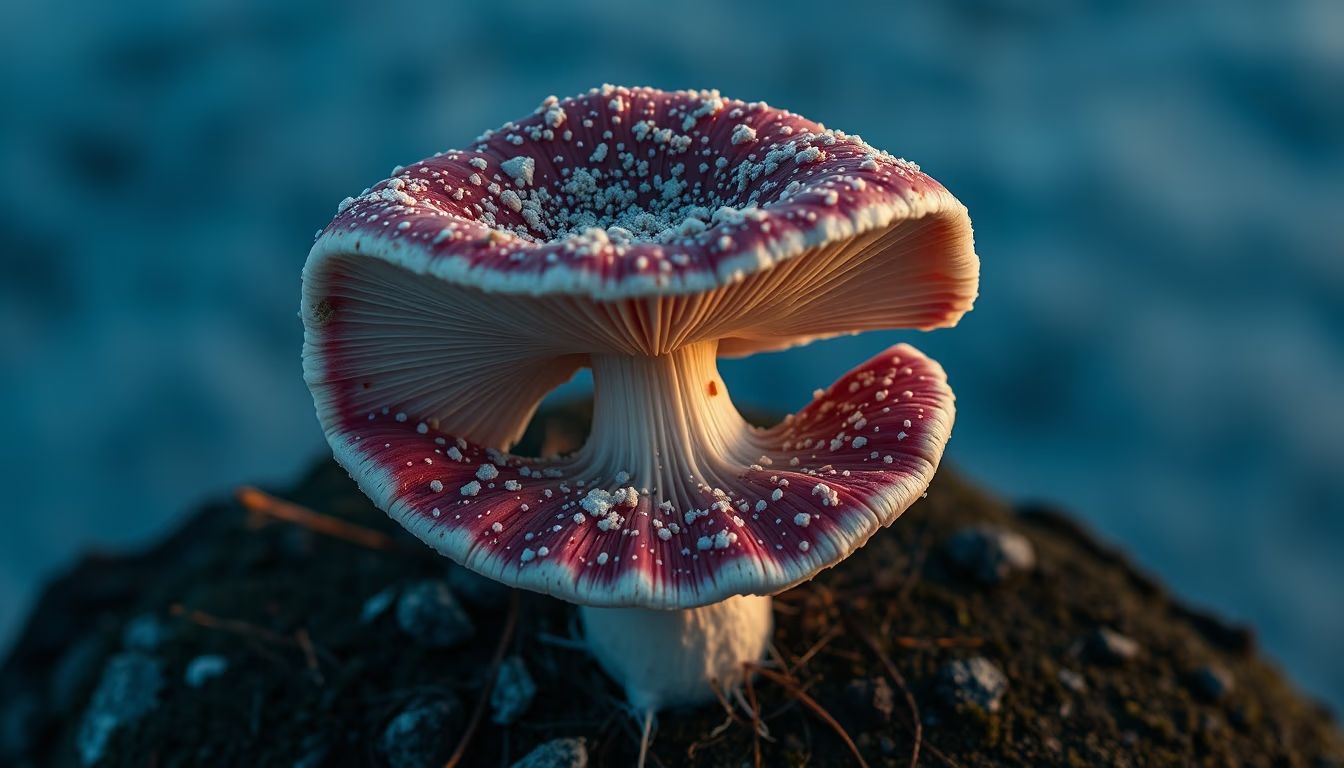
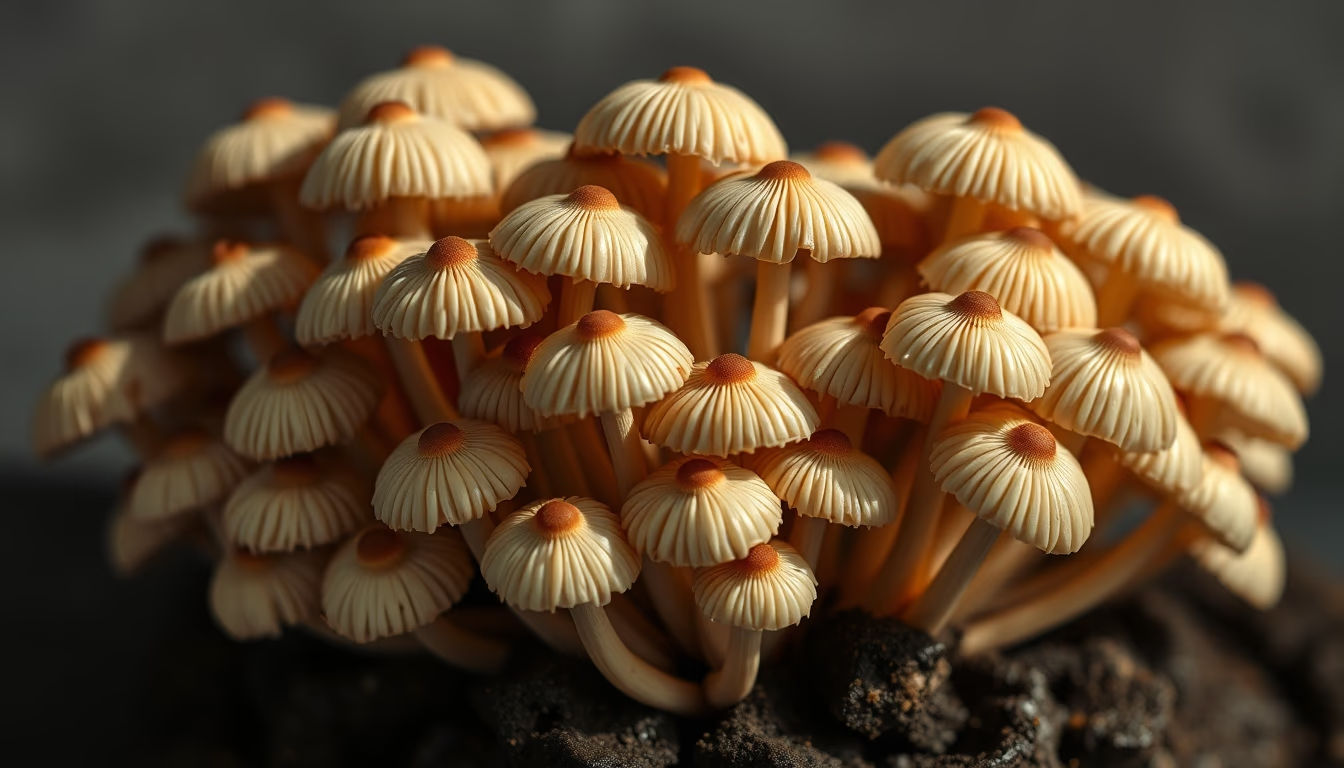
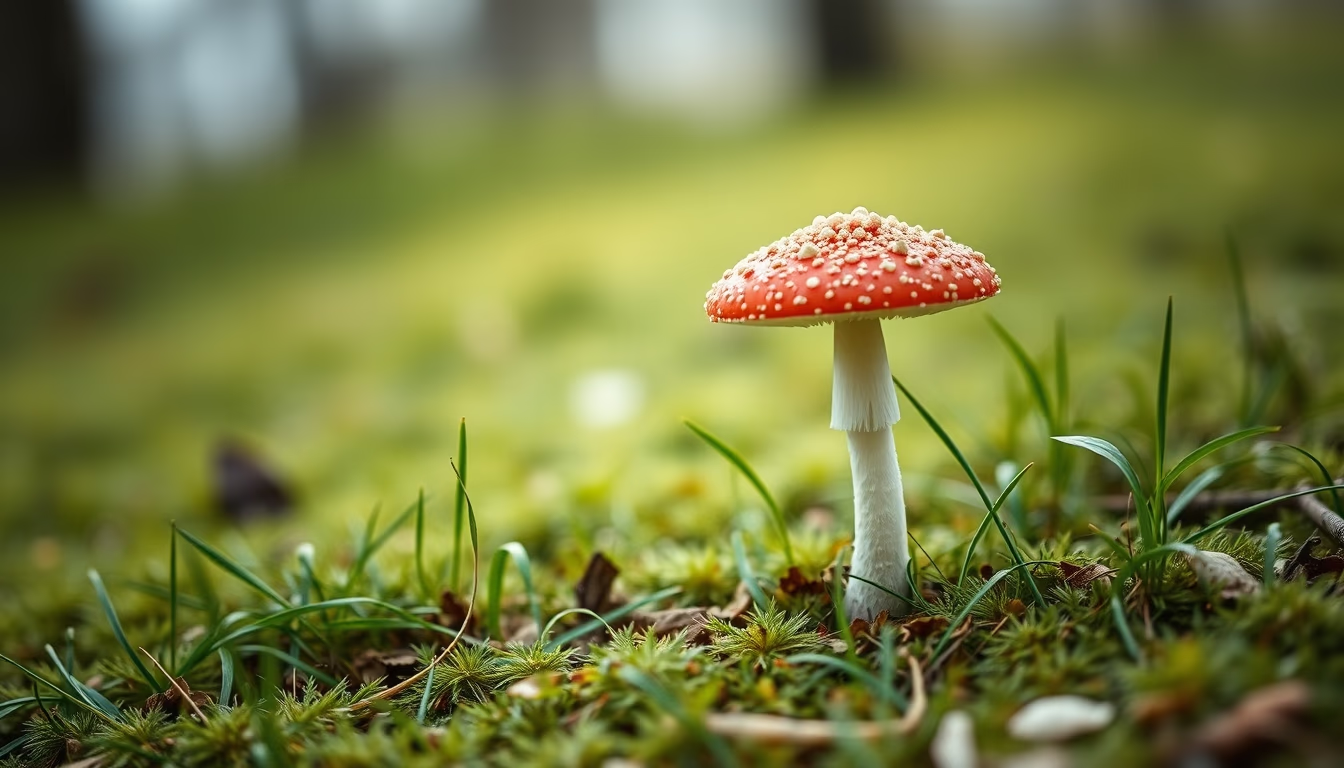
Black truffle (Tuber melanosporum): the black gold of gastronomy, an underground fungus with intense aroma and difficult cultivation.
About this subject
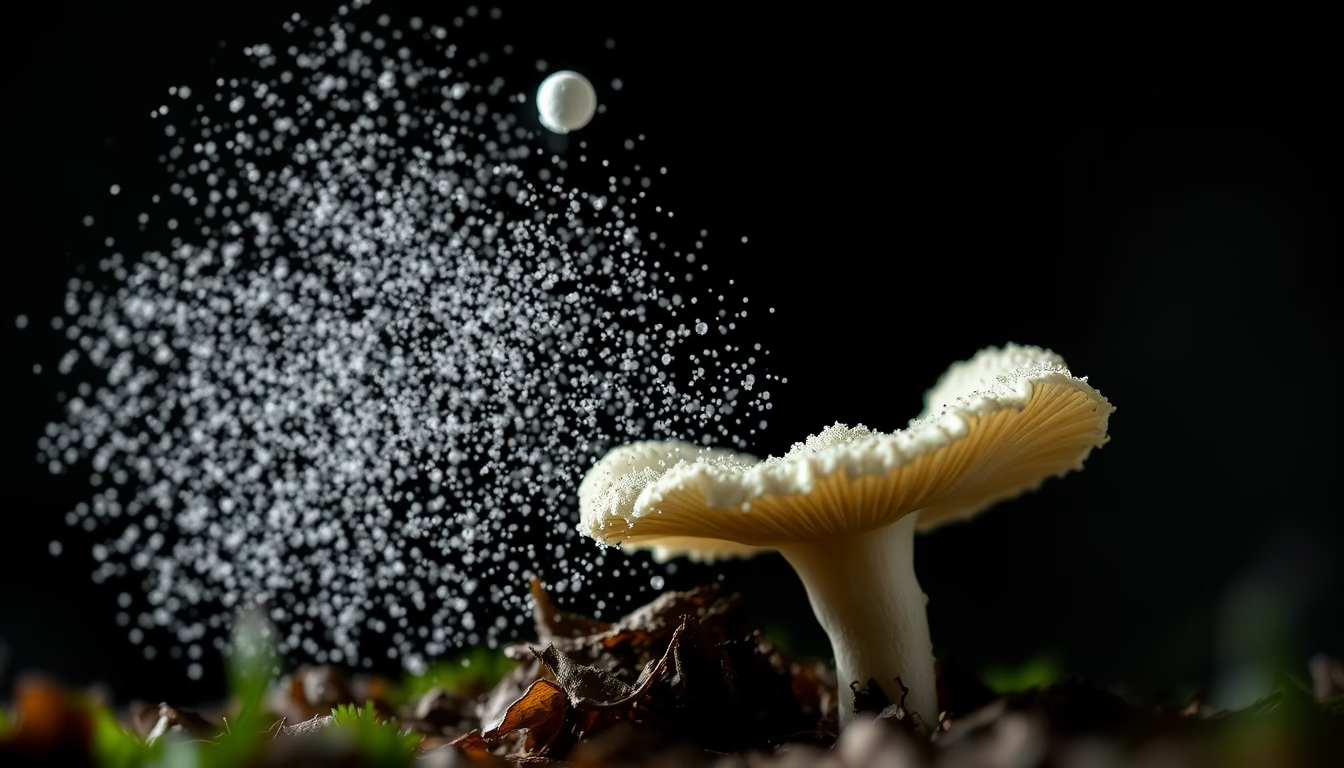
The black truffle, scientifically known as Tuber melanosporum, is a highly prized hypogeous fungus (growing underground) in world cuisine. Native mainly to southern Europe, especially France, Italy, and Spain, it forms a symbiotic relationship (mycorrhiza) with the roots of certain trees, such as oaks and hazelnuts. Harvesting is done with trained dogs or pigs, which detect the characteristic aroma of the ripe fungus. The truffle life cycle takes 5 to 10 years to produce the first fruiting bodies, and factors like climate, soil, and pH directly influence its quality and scarcity.
The aroma of the black truffle is complex, composed of over 50 volatile compounds, including androstenol (a swine pheromone) and dimethyl sulfide. This explains why pigs are naturally attracted to it. In gastronomy, it is used in dishes such as risottos, pasta, eggs, and meats, usually grated at the moment of consumption to preserve its flavor and perfume. Its economic importance is remarkable: fresh black truffles can cost between €600 and €2,000 per kilogram, depending on the harvest and quality.
Despite its high value, commercial cultivation of black truffles is challenging. Truffles are grown in truffle orchards, where mycorrhized tree seedlings are planted in calcareous soils with controlled irrigation and specific pruning. Global annual production is estimated at around 50 tons, far below demand, keeping the product a luxury delicacy. In Brazil, pioneering cultivation initiatives exist in temperate regions, such as Rio Grande do Sul, but production is still experimental.
Frequently Asked Questions
What is the difference between black truffle and white truffle?
Black truffle (Tuber melanosporum) has a dark, rough rind and black flesh with white veins, earthy and intense aroma. White truffle (Tuber magnatum) is rarer, with a pale, smooth rind, a more pungent aroma, and is typically eaten raw as cooking diminishes its flavor.
Why is black truffle so expensive?
Its scarcity and cultivation difficulty drive the high price. It takes 5, 10 years to produce, requires specific soil and climate conditions, and harvest is done manually with trained dogs. Global production is limited, while demand from chefs and gourmets is high.
Can truffles be cultivated in Brazil?
Yes, experimental plantations exist in Rio Grande do Sul and Santa Catarina, using mycorrhized oak seedlings. The subtropical climate and calcareous soils of certain regions are favorable, but production has not yet reached significant commercial scale.
Direct URL
https://pub-c7d6a6ea828543ac903a74a341ccb2e1.r2.dev/imagens/truffle-black-underground-architectural-photography-p2.avifHow to credit
Include a visible link back to UtilizAí. Copy one of the snippets below:
<a href="https://xn--utiliza-eza.com/en/midia/imagens/truffle-black-underground-architectural-photography-p2">Truffle black underground</a> by <a href="https://xn--utiliza-eza.com">UtilizAí</a>, licensed under <a href="https://creativecommons.org/licenses/by/4.0/">CC BY 4.0</a>.
[Truffle black underground](https://xn--utiliza-eza.com/en/midia/imagens/truffle-black-underground-architectural-photography-p2) by [UtilizAí](https://xn--utiliza-eza.com), CC BY 4.0
License: CC-BY-4.0