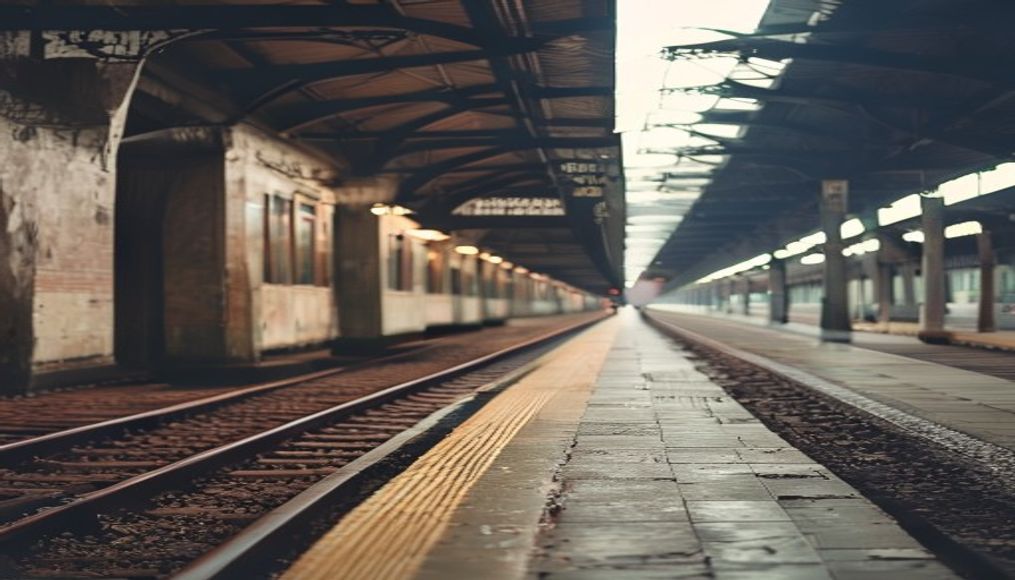
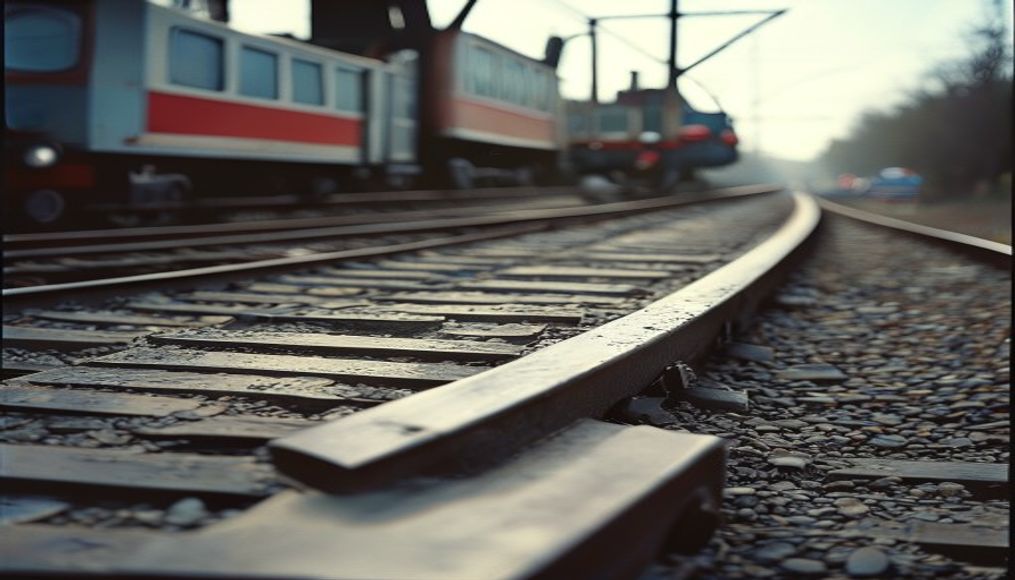
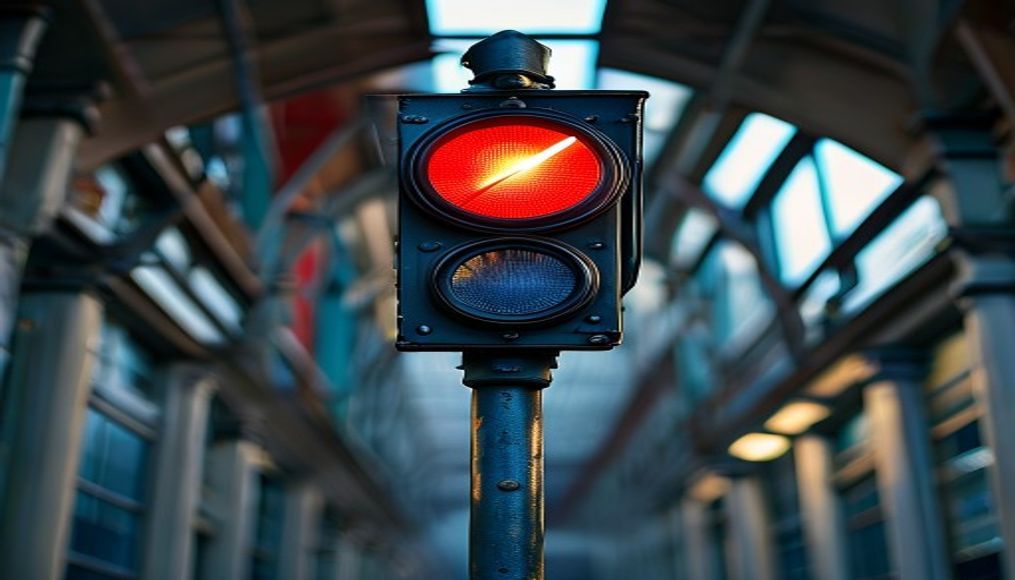
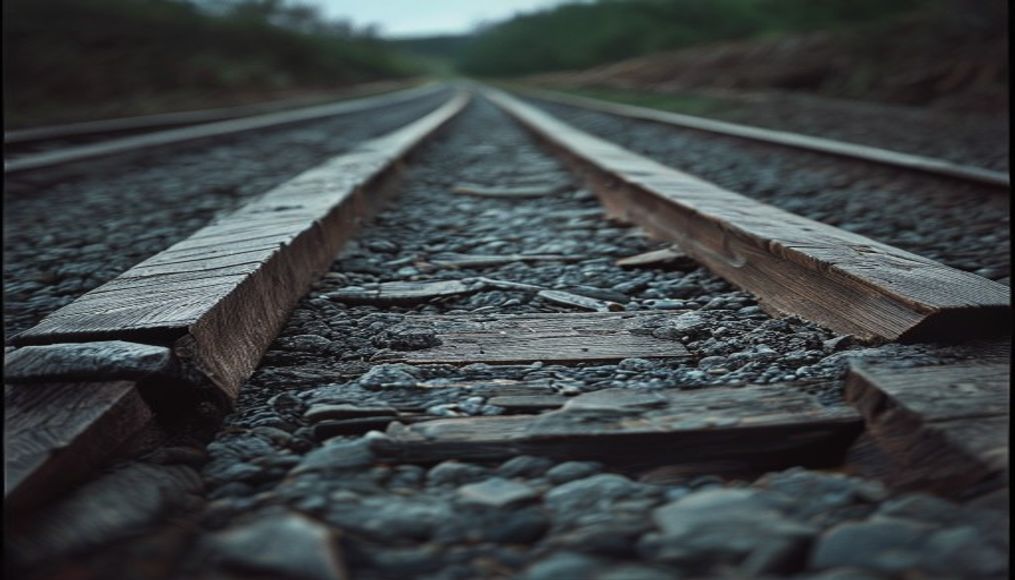
Train signal semaphore
1344×768 · AVIF · CC BY 4.0
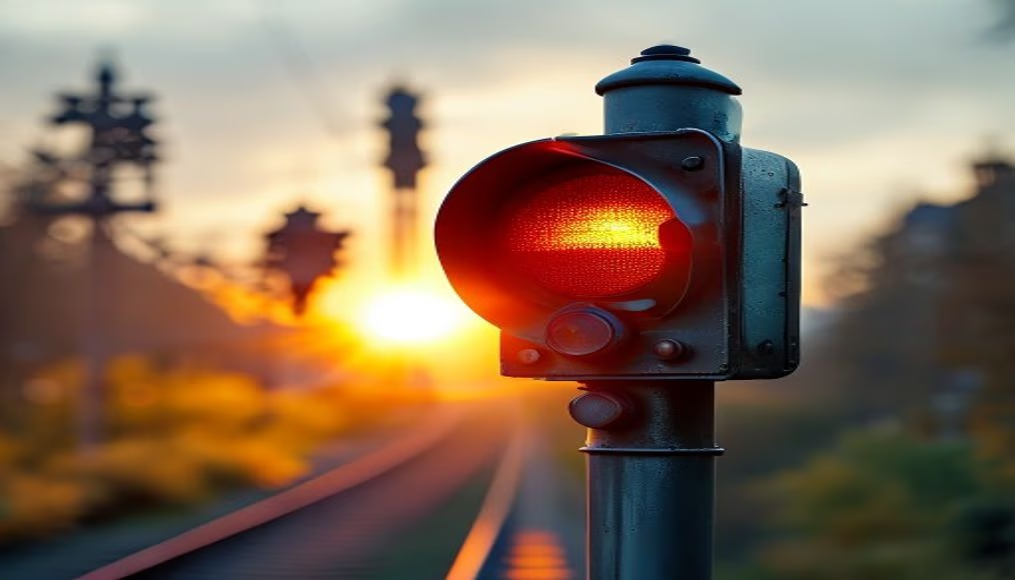
Railway semaphore signal, a mechanical signaling system still in use on heritage and tourist railways worldwide.
About this subject
The railway semaphore signal is a mechanical signaling device used to control train traffic. Invented in the 19th century, it became the standard before the adoption of electric and light signals. The system uses articulated arms that, in different positions, tell the driver whether the line is clear, requires speed reduction, or stop. At night, oil or kerosene lamps provided illumination, later replaced by electric lights.
Although largely replaced by electric and electronic signals, many semaphore signals still operate on heritage and tourist railways, especially in the United Kingdom, Australia, and India. In Brazil, some tourist railways, such as the Campos do Jordão Railway and the Maria Fumaça Railway, preserve these devices as historical heritage. The operation is simple: the horizontal arm indicates stop; inclined at 45 degrees downward means clear; and at an intermediate angle signals caution.
Interestingly, the railway semaphore gave the name to traffic lights, though these are technically different. Maintaining these signals requires specialized knowledge, and many are still manually operated by station agents, especially on single-track sections. Preservation of these signals is key for the tourist experience and railway memory, with many listed as heritage in several countries.
Frequently Asked Questions
How does a railway semaphore signal work?
A semaphore signal uses an articulated arm: horizontal means stop; 45° downward means clear; an intermediate angle indicates caution or speed reduction. At night, colored lights (red, green, yellow) replace the arm positions.
Where are semaphore signals still in use?
They are common on heritage and tourist railways in the UK, Australia, India, and some European countries. In Brazil, they can be seen on the Campos do Jordão Railway (SP) and the Maria Fumaça Railway (MG/ES).
What is the difference between a railway semaphore and a traffic light?
Although the name derives from the former, a traffic light is an electric system with colored lights, no moving parts. The railway semaphore is mechanical, originally operated by cables and levers, and predates traffic lights.
Direct URL
https://pub-c7d6a6ea828543ac903a74a341ccb2e1.r2.dev/imagens/train-signal-semaphore-travel-photography-p1.avifHow to credit
Include a visible link back to UtilizAí. Copy one of the snippets below:
<a href="https://xn--utiliza-eza.com/en/midia/imagens/train-signal-semaphore-travel-photography-p1">Train signal semaphore</a> by <a href="https://xn--utiliza-eza.com">UtilizAí</a>, licensed under <a href="https://creativecommons.org/licenses/by/4.0/">CC BY 4.0</a>.
[Train signal semaphore](https://xn--utiliza-eza.com/en/midia/imagens/train-signal-semaphore-travel-photography-p1) by [UtilizAí](https://xn--utiliza-eza.com), CC BY 4.0
License: CC-BY-4.0