Train signal semaphore
1344×768 · AVIF · CC BY 4.0
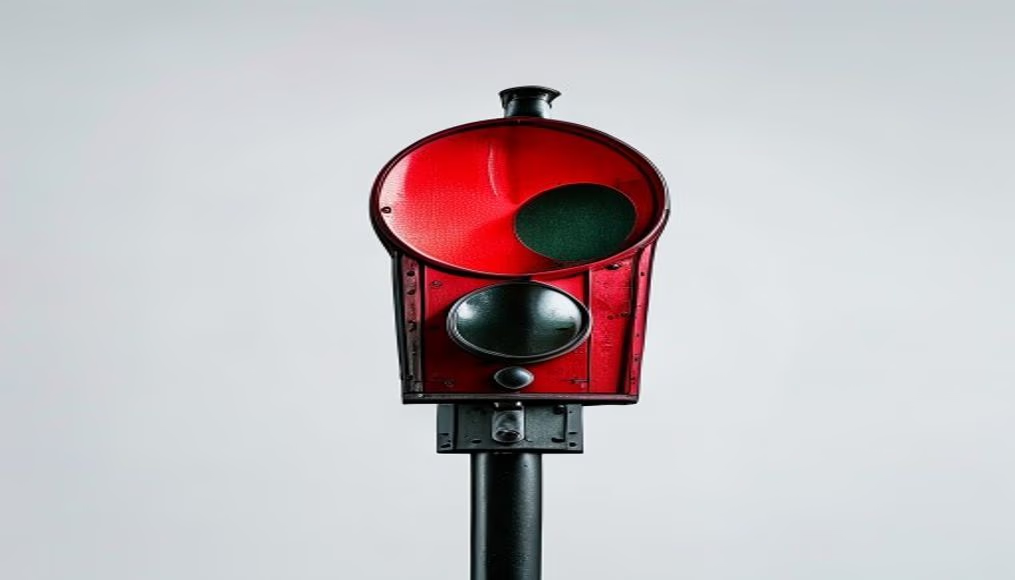
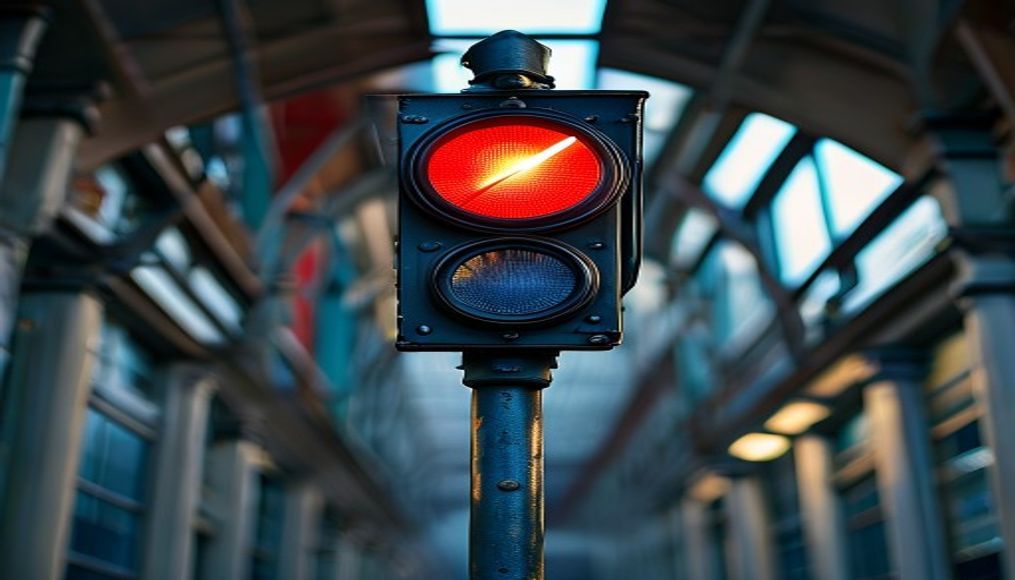
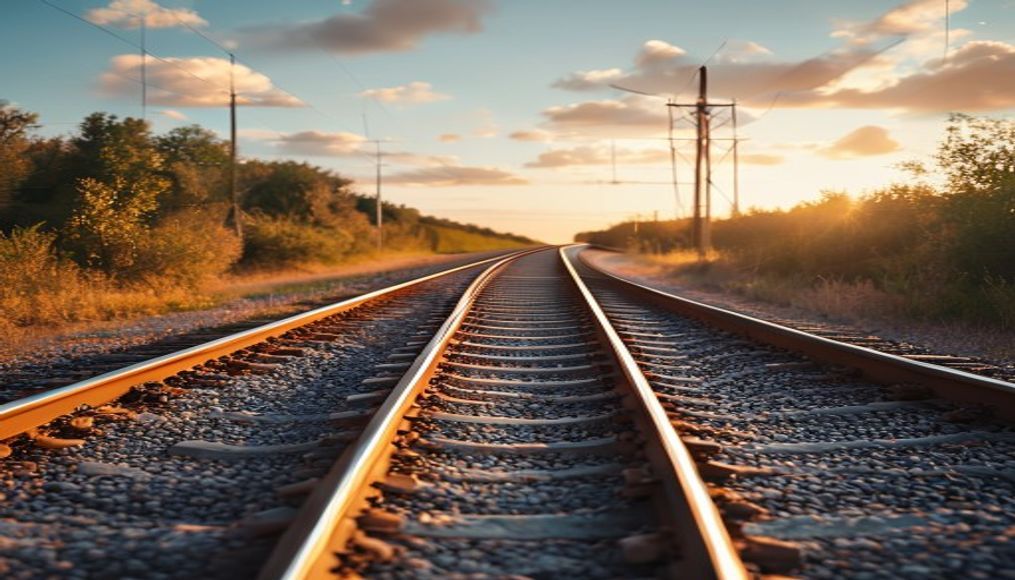
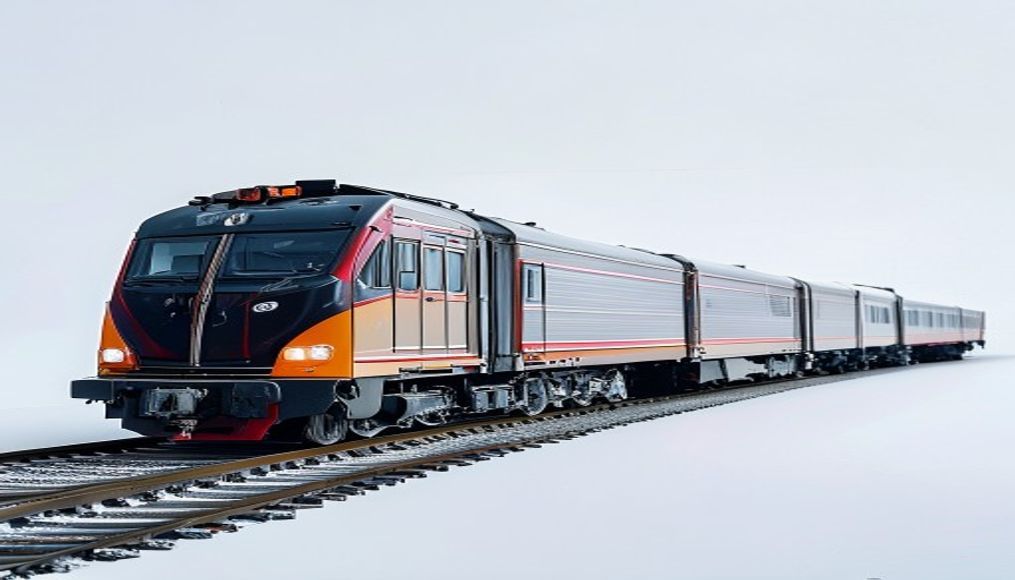
The railway semaphore signal is a mechanical device that indicates track conditions, essential for train safety since the 19th century.
About this subject
The railway semaphore signal is a mechanical device consisting of an articulated arm that assumes different positions to convey instructions to the locomotive engineer. Invented in the early railway era, it replaced the manual flag system, offering greater reliability and visual range. The horizontal arm indicates a mandatory stop, inclined at 45 degrees signals caution or reduced speed, and vertical means clear track. The arm's movement is controlled by cables and levers from a signal cabin, where an operator sets the position according to track occupancy.
The semaphore operates through a system of counterweights and pulleys that ensure the arm stays in the correct position even in adverse conditions. When a train passes a block point, the semaphore position changes automatically, preventing another train from entering the same section. This mechanism was crucial to avoid head-on and side collisions, especially on single-track lines. Despite its simplicity, the semaphore required constant maintenance, as cables could break and arms could freeze in cold climates.
In Brazil, railway semaphores were widely used on historic railways such as the Estrada de Ferro Central do Brasil and the Estrada de Ferro Sorocabana. With modernization, most were replaced by LED light signals or electronic panels, which offer greater versatility and integration with centralized control systems. However, some original semaphores can still be seen on tourist lines, such as the Curitiba-Paranaguá Railway and the Corcovado Train, serving as historical and educational attractions.
Interestingly, the term "semaphore" comes from Greek "sema" (signal) and "phoros" (bearer), originally used for an optical telegraph system. In railways, arm semaphores were standardized internationally by the UIC (International Union of Railways) in the early 20th century. Although out of use on most main lines, countries like England and Germany keep a few examples in operation, valuing the railway heritage.
Frequently Asked Questions
How does a railway semaphore work?
A railway semaphore works by means of an articulated arm that moves mechanically, controlled by cables and levers from a signal cabin. The arm's position tells the engineer whether to stop, reduce speed, or proceed freely.
What is the difference between a semaphore and a light signal?
The semaphore is mechanical, with a visible arm during the day and colored lights at night, while the light signal uses LEDs or bulbs to display colors, being more compact and easier to integrate into automated systems.
Where can railway semaphores still be found in Brazil?
Railway semaphores can be found on tourist lines such as the Curitiba-Paranaguá Railway and the Corcovado Train, as well as in some railway museums. On the main network, they have been replaced by light signals.
Direct URL
https://pub-c7d6a6ea828543ac903a74a341ccb2e1.r2.dev/imagens/train-signal-semaphore-commercial-product-photography-p0.avifHow to credit
Include a visible link back to UtilizAí. Copy one of the snippets below:
<a href="https://xn--utiliza-eza.com/en/midia/imagens/train-signal-semaphore-commercial-product-photography-p0">Train signal semaphore</a> by <a href="https://xn--utiliza-eza.com">UtilizAí</a>, licensed under <a href="https://creativecommons.org/licenses/by/4.0/">CC BY 4.0</a>.
[Train signal semaphore](https://xn--utiliza-eza.com/en/midia/imagens/train-signal-semaphore-commercial-product-photography-p0) by [UtilizAí](https://xn--utiliza-eza.com), CC BY 4.0
License: CC-BY-4.0