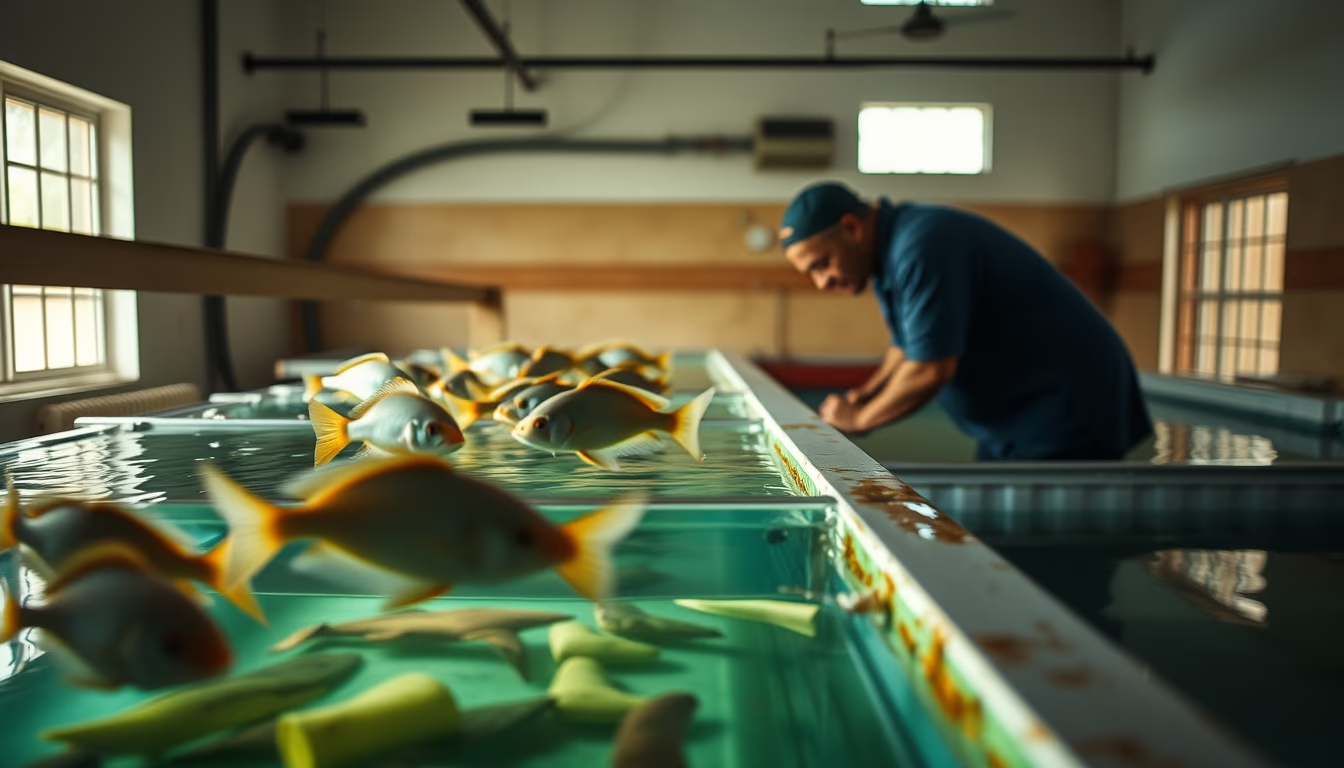
Tilapia tanks indoor
1344×768 · AVIF · CC BY 4.0
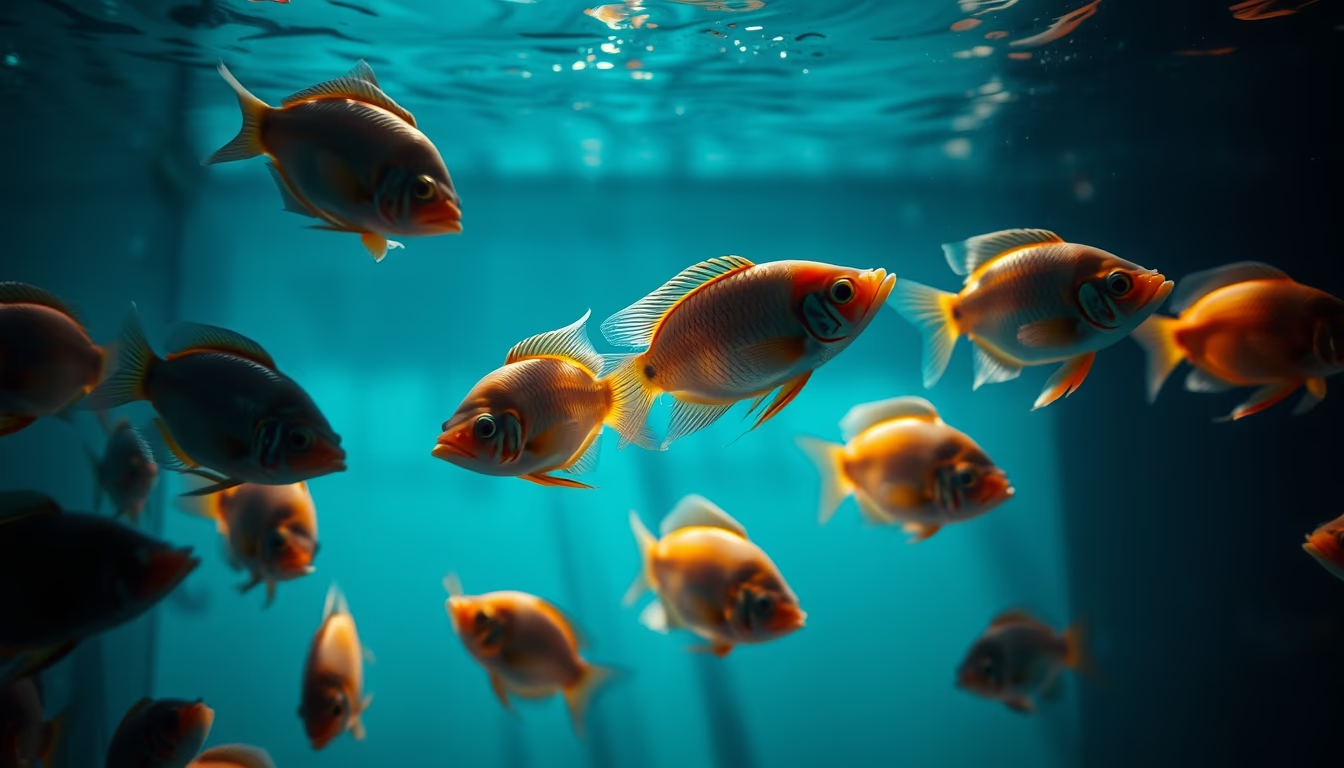
Indoor tilapia tank farming is a technique that allows controlled cultivation of tilapia in closed environments, ensuring high productivity and quality.
About this subject
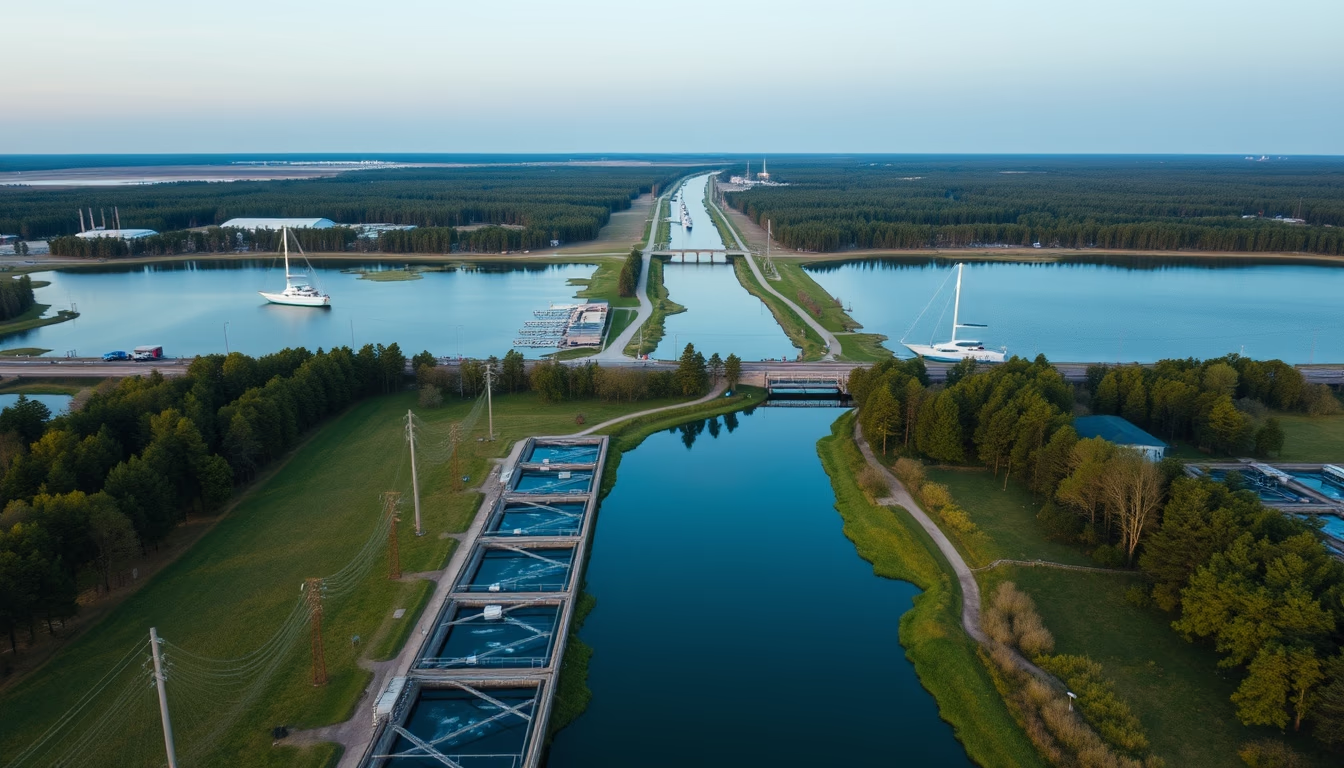
Indoor tilapia tank farming, also known as recirculating aquaculture system (RAS), has revolutionized Brazilian fish farming. Unlike earthen ponds, where production depends on climatic factors, indoor systems offer full control over parameters such as temperature, dissolved oxygen, and water quality. This allows shorter production cycles and higher stocking densities, resulting in up to 100 kg of fish per cubic meter per year.
Brazil is the world's fourth largest tilapia producer, with emphasis on the South and Southeast regions. In states like São Paulo and Paraná, indoor farms have become popular due to water use efficiency and lower health risks. These tanks are typically made of fiberglass or concrete, equipped with mechanical and biological filtration systems, plus constant aeration.
Interestingly, tilapia is a freshwater fish adapted to various conditions, but in indoor systems its growth rate can be up to 50% higher than in open ponds. Moreover, the technique allows year-round production without seasonality. Another key point: indoor tanks facilitate traceability, an increasing requirement for international markets.
Despite advantages, initial installation costs are high, often exceeding 500,000 reais for an average unit. However, return on investment is quick, especially when combined with direct consumer sales or organic certification. Rigorous control also reduces antibiotic use, meeting the demand for sustainable protein.
Frequently Asked Questions
What are the main advantages of indoor tanks for tilapia?
Full environmental control, higher productivity per cubic meter, year-round production, and lower disease risk.
What is the average cost to set up an indoor tilapia farm?
Initial investment ranges from 300,000 to 800,000 reais for a medium-sized unit, depending on the technology used.
Is indoor tank-raised tilapia more sustainable?
Yes, because it reduces water consumption by up to 90% compared to earthen ponds, decreases antibiotic use, and prevents pollution of natural water bodies.
Direct URL
https://pub-c7d6a6ea828543ac903a74a341ccb2e1.r2.dev/imagens/tilapia-tanks-indoor-rembrandt-lighting-dramatic-shadows-fresh17.avifHow to credit
Include a visible link back to UtilizAí. Copy one of the snippets below:
<a href="https://xn--utiliza-eza.com/en/midia/imagens/tilapia-tanks-indoor-rembrandt-lighting-dramatic-shadows-fresh17">Tilapia tanks indoor</a> by <a href="https://xn--utiliza-eza.com">UtilizAí</a>, licensed under <a href="https://creativecommons.org/licenses/by/4.0/">CC BY 4.0</a>.
[Tilapia tanks indoor](https://xn--utiliza-eza.com/en/midia/imagens/tilapia-tanks-indoor-rembrandt-lighting-dramatic-shadows-fresh17) by [UtilizAí](https://xn--utiliza-eza.com), CC BY 4.0
License: CC-BY-4.0